Hybrid events blend in-person and virtual experiences to boost engagement, reach, and ROI. With the right technology, interactive content, and marketing strategies, they deliver seamless, inclusive, and measurable experiences for all attendees.
Hybrid events have emerged as a powerful format that combines the benefits of live gatherings with the reach of virtual experiences. As organizations look to maximize engagement, drive higher attendance, and extend their content beyond physical walls, hybrid event marketing has become a critical strategy. In this comprehensive guide, we will walk you through every step of creating, marketing, and measuring hybrid events that deliver memorable experiences for both in-person and online audiences. Whether you’re planning a corporate conference, product launch, or community meetup, these best practices will help you merge technology, creativity, and strategic marketing to achieve impactful results.
What Are Hybrid Events?
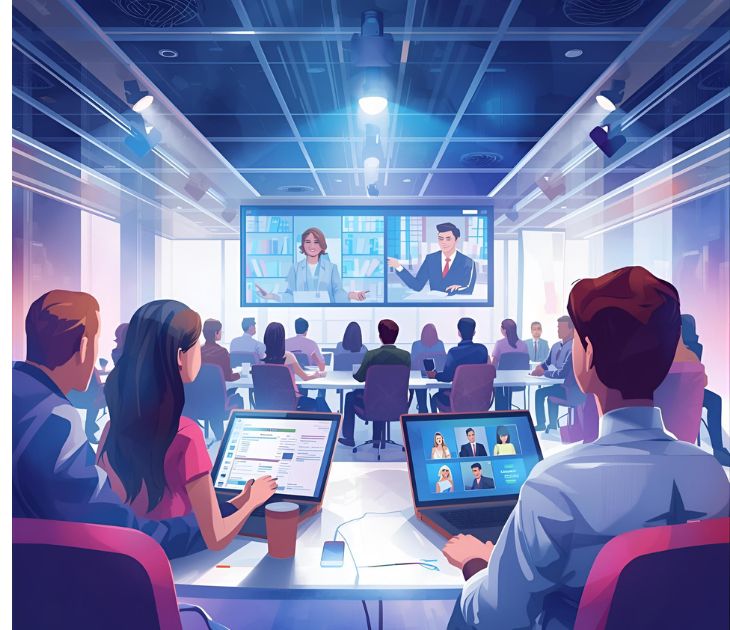
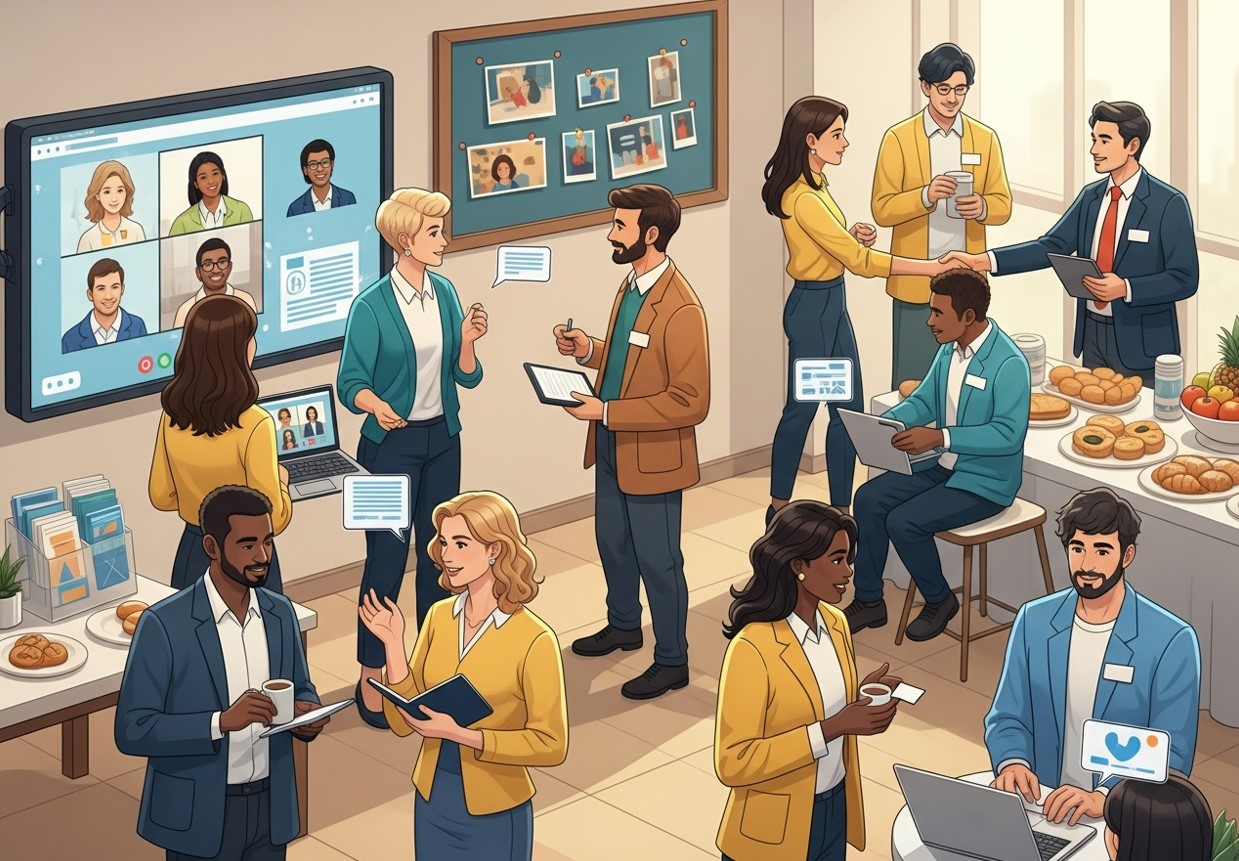
Hybrid events blend traditional face-to-face interaction with online participation, allowing attendees to join either in person or via digital platforms. Unlike purely virtual or purely physical events, hybrid formats offer flexibility, scalability, and improved accessibility. Attendees from around the globe can tune in to key presentations, participate in Q&A sessions, and network with speakers or fellow participants. At the same time, on-site guests can enjoy live networking, hands-on workshops, and immersive brand experiences. By combining these elements, hybrid events break down geographic barriers and cater to diverse audience preferences.
Benefits of Hybrid Events
The advantages of hybrid events are manifold. First, they significantly broaden your reach by removing location constraints, enabling you to attract a global audience. Second, hybrid formats often yield higher revenues through combined ticket sales, sponsorships, and digital exhibitor opportunities. Third, hybrid events provide richer data insights; digital platforms can track attendee behaviors, session engagement, and content preferences. Fourth, they promote sustainability by reducing travel-related carbon footprints. Finally, hybrid events enhance inclusivity, catering to individuals who may face travel restrictions or health concerns. When marketed effectively, hybrid events can deliver a superior ROI compared to traditional formats.
Key Planning Considerations
Successful hybrid events require meticulous planning and coordination. Start by defining clear objectives, target audiences, and key performance indicators (KPIs). Determine which sessions will be live-streamed, which require interactive features, and which are exclusive to on-site attendees. Next, select the appropriate venue with reliable internet connectivity, technical support, and designated spaces for virtual production. Collaborate closely with AV and streaming partners to ensure high-quality video and audio feeds. Additionally, design a seamless registration process that captures attendee preferences and allocates access levels for virtual and in-person participation. Finally, establish contingency plans for technical difficulties, weather disruptions, or sudden changes in health guidelines.

Choosing the Right Technology Stack
Your technology stack is the backbone of any hybrid event. Invest in a robust event management platform that supports registration, live streaming, networking lounges, virtual expo halls, and on-demand content. Integrate interactive tools such as live chat, polls, Q&A modules, and virtual whiteboards to keep remote participants engaged. For in-person audiences, consider mobile event apps with personalized agendas, push notifications, and interactive floor maps. Ensure seamless synchronization between physical and virtual components by using APIs and integrations that feed attendee data into your CRM and marketing automation systems. Prioritize platforms that offer scalability, security, and analytics capabilities to help you measure engagement in real time. Check out our Ultimate Guide to Choosing an Event Marketing Platform for insights.
Engagement Strategies for In-Person and Virtual Attendees
Engagement is the cornerstone of hybrid events. To captivate your on-site audience, incorporate interactive sessions such as live polls, roundtable discussions, and gamified experiences. Create networking zones where attendees can connect in person or via QR code-enabled digital exchanges. For virtual attendees, deliver a curated experience through customizable dashboards that highlight recommended sessions, networking matches, and exhibitor booths. Leverage gamification elements like leaderboards, scavenger hunts, and digital badges to incentivize participation. Encourage speaker interaction by moderating real-time Q&A sessions and spotlighting virtual questions on stage. Finally, foster community by organizing pre-event and post-event meetups, webinars, and mastermind groups.
Effective Marketing Tactics for Hybrid Events
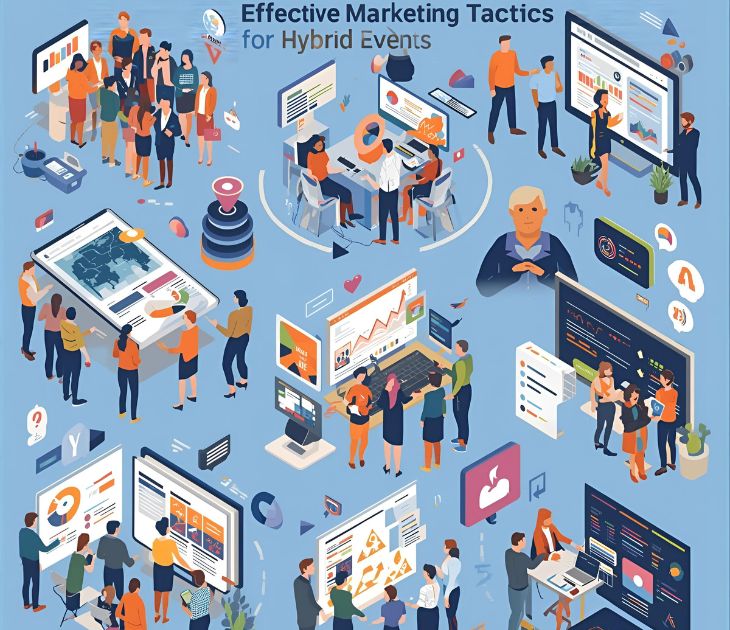
An integrated marketing strategy is vital to promote your hybrid event. Use email campaigns segmented by audience type (in-person vs. virtual) to deliver tailored messaging and incentives. Deploy social media ads with engaging visuals and testimonials, leveraging platforms like LinkedIn, Facebook, and Instagram to reach niche segments. Optimize your event landing page with SEO best practices, including target keywords, meta descriptions, and schema markup. Collaborate with industry influencers for co-branded webinars or guest content to expand your reach. Offer early-bird discounts and group rates to drive registrations, and utilize retargeting ads to capture abandoned sign-ups. Finally, maintain momentum leading up to the event with countdown emails, speaker highlights, and behind-the-scenes previews. Learn more from our Guide to Event Email Marketing Software.
Measuring Success and Analyzing Metrics
Data-driven insights enable you to continuously refine your hybrid event strategy. Track registration metrics, attendance rates, session engagement, and virtual networking interactions. Analyze click-through rates (CTR) and conversion rates for marketing campaigns, and monitor social media mentions and hashtag performance. Post-event surveys and Net Promoter Score (NPS) feedback provide valuable qualitative data. Use heatmaps and attention-tracking features to identify high-performing content. For virtual attendees, measure average watch time, drop-off points, and resource downloads. For in-person guests, collect real-time feedback through mobile apps and kiosks. Compile these insights into a comprehensive post-event report to share with stakeholders and inform future initiatives. For additional measurement strategies, explore Event Digital Marketing Your Complete Guide.
Future Trends in Hybrid Event Marketing
As technology evolves, hybrid events will become even more immersive and data-driven. Expect to see advances in virtual reality (VR) and augmented reality (AR) that enhance remote participation with lifelike experiences. AI-powered matchmaking and chatbots will streamline networking, recommending connections based on shared interests and professional profiles. Blockchain technology could revolutionize ticketing and digital credentials, ensuring transparency and security. Additionally, sustainable event practices—such as carbon offsetting and eco-friendly materials—will be integral to brand image and audience expectations. By staying ahead of these trends and embracing innovation, event marketers can craft hybrid experiences that delight and inspire.
Content Strategy for Hybrid Events
A successful hybrid event goes beyond the logistics of live streaming and on-site management—it thrives on compelling content. Begin by mapping out the core themes and messaging that align with your audience’s interests and your organizational goals. Curate content that resonates across both in-person and virtual formats. For example, keynote presentations can be supplemented with downloadable resources, infographics, or interactive polls for virtual attendees, while on-site participants may benefit from hands-on workshops, breakout sessions, or live demonstrations.
Consider creating content that bridges both worlds. Hybrid Q&A sessions, where questions from virtual participants are displayed live on stage, help integrate both audiences and reinforce engagement. Additionally, leveraging pre-event content such as blog posts, teaser videos, or social media campaigns can build anticipation and establish context for your sessions. Content curation should also extend to post-event follow-ups, including on-demand session recordings, resource libraries, and discussion forums that keep attendees engaged long after the event concludes. A robust content strategy ensures your hybrid event delivers meaningful experiences to all participants and amplifies the value of your investment.
Sponsor and Partner Integration
Hybrid events offer unique opportunities for sponsors and partners to connect with audiences. Unlike traditional events, sponsors can leverage both physical and digital channels to maximize visibility and ROI. For on-site attendees, consider branded lounges, interactive booths, or demonstration areas that allow direct engagement with your partners’ offerings. For virtual attendees, sponsors can be featured in live-streamed sessions, branded digital spaces, or integrated into gamified experiences such as online scavenger hunts or digital badges. Our Corporate Event Marketing Guide to Success covers strategies to maximize sponsor ROI.
Strategic sponsor integration requires careful planning. Align sponsorship opportunities with audience interests, ensuring the placements feel authentic and enhance the attendee experience rather than disrupt it. Collecting data from virtual interactions can provide sponsors with tangible metrics, including engagement rates, click-through data, and lead generation insights. By providing both in-person and digital touchpoints, hybrid events enable sponsors to maximize exposure, deliver measurable results, and build meaningful connections with attendees.
Accessibility and Inclusivity
A core advantage of hybrid events is the ability to create a more inclusive and accessible environment. While physical events often face limitations related to mobility, travel, or venue capacity, digital components allow individuals to participate from anywhere in the world. To truly embrace accessibility, consider live captioning for sessions, sign language interpretation, and multilingual translations. Interactive features such as adjustable font sizes, screen reader compatibility, and accessible navigation on virtual platforms ensure all participants can engage meaningfully.
Inclusivity also extends to content and networking opportunities. Offer flexible session timings to accommodate different time zones, provide options for both live and on-demand participation, and actively encourage diverse voices among speakers and panelists. By prioritizing accessibility and inclusivity, hybrid events not only expand reach but also reinforce a positive brand reputation and foster loyalty among participants who feel valued and accommodated.
Post-Event Community Building
The conclusion of a hybrid event does not mark the end of engagement. Creating a post-event community helps sustain the momentum and fosters long-term relationships with attendees. Platforms such as online forums, LinkedIn groups, or dedicated community portals can enable attendees to continue discussions, share resources, and network with peers. For virtual participants, scheduled webinars or interactive Q&A sessions after the event help maintain engagement, while on-site attendees can benefit from follow-up meetups or local networking events. Check out our Virtual Conferences Your Complete Guide for post-event engagement ideas.
Conclusion
Hybrid events represent the future of event marketing, combining physical and digital worlds to maximize engagement and ROI. By understanding hybrid dynamics, planning meticulously, selecting the right technology, and executing targeted marketing tactics, you can deliver seamless experiences that cater to diverse audience needs. Continuous measurement and adaptation will help optimize every aspect of your strategy. Embrace hybrid events and integrate Digital PR for Link Building: A Complete Guide to amplify long-term reach and authority.
Frequently Asked Questions (FAQ)
What are the most effective ways to engage virtual attendees during a hybrid event?
Engaging virtual attendees requires thoughtful use of technology and interactive formats. Live polls, Q&A sessions, breakout rooms, and gamified activities like scavenger hunts or digital challenges are highly effective. Personalized dashboards that highlight recommended sessions, exhibitor booths, and networking matches help attendees navigate the event and stay connected. Additionally, enabling virtual attendees to participate in live chat or submit questions to speakers ensures their voices are heard alongside in-person audiences.
How can I ensure seamless communication between in-person and online participants?
Synchronization is key. Use event management platforms with robust live-streaming capabilities, real-time chat integration, and interactive features that allow both audiences to participate simultaneously. Design sessions to include both physical and virtual cues, such as displaying remote questions on-screen or having moderators relay interactions between audiences. Consistent branding, clear instructions, and a unified schedule across both formats minimize confusion and enhance the overall experience.
What metrics should I track to evaluate hybrid event success?
Metrics should cover both virtual and in-person components. For digital participants, monitor session attendance, average watch time, click-through rates for resources, and engagement in interactive features. For on-site attendees, track session participation, networking activity, and real-time feedback via mobile apps or kiosks. Broader marketing metrics, including registration trends, social media mentions, hashtag usage, and post-event survey results like Net Promoter Score (NPS), provide comprehensive insights into event performance.
How can sponsors and partners gain maximum ROI in a hybrid format?
Hybrid events offer diverse touchpoints for sponsors. On-site, they can engage attendees with physical booths, lounges, or interactive demos. Online, sponsors can be featured through branded content, live-stream segments, virtual booths, and gamified engagement. Providing sponsors with detailed analytics—such as clicks, downloads, or meeting requests—demonstrates tangible value and supports long-term partnerships.
What are the key challenges of hybrid events, and how can I overcome them?
Common challenges include technical issues, audience disengagement, and balancing content for dual audiences. Mitigate risks by investing in reliable streaming infrastructure, testing platforms in advance, and training staff thoroughly. Design sessions that integrate both audiences and use moderators to facilitate interaction. Clear communication of schedules, instructions, and contingency plans ensures smooth execution and minimizes disruptions.
How do I optimize content for hybrid audiences?
Tailor content for both engagement formats. Break long presentations into shorter, digestible segments with interactive elements for virtual attendees. Provide supplementary materials like downloads, polls, and quizzes to enrich the digital experience. On-site participants benefit from workshops, breakout discussions, and networking opportunities. Ensure consistency in messaging, while leveraging each format’s unique advantages to enhance learning and participation.
What emerging technologies are shaping the future of hybrid events?
VR and AR are enhancing remote immersion, while AI-driven matchmaking and chatbots facilitate personalized networking. Blockchain is increasingly used for secure ticketing and digital credentials. Data analytics tools allow for real-time engagement tracking, content optimization, and targeted marketing. Hybrid events will continue to evolve with these innovations, offering more personalized, secure, and interactive experiences for participants.
How do I ensure hybrid events are accessible to everyone?
Accessibility requires attention to both digital and physical components. Online platforms should support captions, screen readers, and adjustable font sizes. In-person venues should be ADA-compliant, with accessible seating, ramps, and signage. Providing multilingual options, flexible session times, and on-demand content ensures global inclusivity. Prioritizing accessibility enhances participation, satisfaction, and brand reputation.