
Sustainable event marketing uses eco-friendly practices—like green venues, digital materials, and low-impact transport—to reduce environmental impact, engage attendees, and enhance brand reputation.
In an era when brands are judged not only by the products they sell but also by the values they uphold, sustainable event marketing has emerged as a powerful way to showcase corporate responsibility. By integrating eco-friendly practices into every stage of event planning and promotion, marketers can reduce environmental impact, strengthen brand reputation, and deepen attendee loyalty. This guide will walk you through proven strategies for creating green events that captivate your audience and align with your sustainability goals.
Why Sustainable Event Marketing Matters
Consumers and business partners alike are increasingly conscious of climate change, resource depletion, and waste. According to recent surveys, nearly 75 percent of attendees say they are more likely to support brands that demonstrate environmental stewardship. Sustainable event marketing offers multiple benefits: it reduces carbon footprint, enhances brand image, attracts eco-minded attendees, and often leads to cost savings through smarter resource management. By embracing green initiatives, you also differentiate your events in a crowded market, elevating your company as a leader in responsible engagement.

Planning Your Eco-Friendly Event
Effective sustainability starts during the planning phase. Begin by conducting a sustainability audit to assess potential sources of waste: energy consumption, printed materials, single-use plastics, and transportation. Establish clear environmental objectives—such as zero-waste goals or carbon neutrality—then communicate these targets to your team and vendors. Incorporate eco-criteria into every RFP and contract, ensuring suppliers adhere to responsible sourcing and delivery practices. By setting achievable benchmarks from day one, you’ll build accountability and make greener choices more straightforward as the event approaches. Explore our guide to successful event marketing for tips on effective planning.
Sustainable Venue Selection
Choosing the right venue is a critical step. Look for event spaces with LEED certification or recognized green building standards. Prioritize venues that utilize renewable energy, efficient HVAC systems, LED lighting, and water-saving fixtures. Partner with facility managers who track and optimize waste diversion rates, composting, and recycling programs. Outdoor or open-air venues can also reduce energy consumption if weather permits. Finally, consider local sites to minimize attendee travel distances, thereby lowering overall carbon emissions associated with transportation.
Waste Reduction Strategies
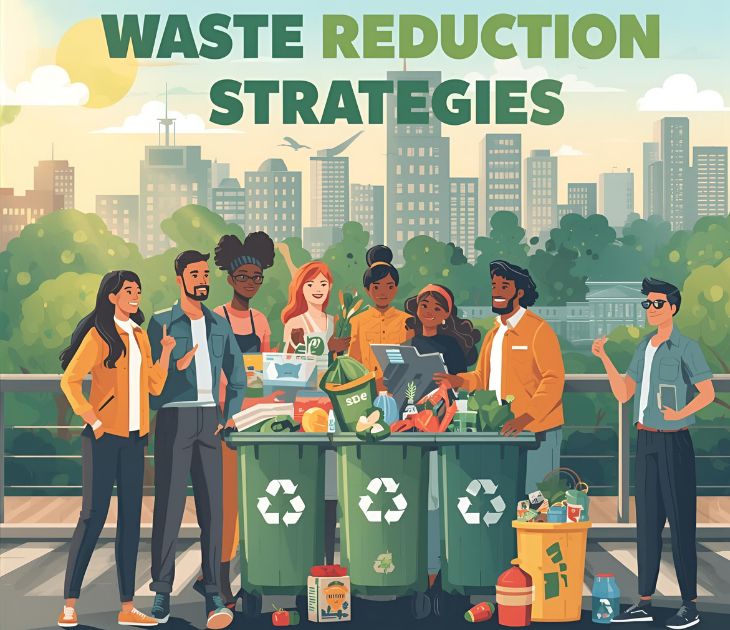
Waste is one of the primary challenges at live events. Implement a comprehensive waste management plan that includes clearly labeled recycling and compost stations. Replace single-use plastic bottles with vending stations or refillable water stations. Opt for digital badges and mobile ticketing over printed materials whenever possible. If printing is unavoidable, choose recycled paper and soy-based inks. Partner with local food banks and charities to donate unused food and beverage items, further reducing landfill contributions while supporting community organizations. Our digital marketing event guide has tips on integrating digital solutions to reduce waste.
Sustainable Supplies and Materials
From signage to swag, your choice of materials sends a strong signal about your brand’s values. Source eco-friendly signage made from recycled or sustainably harvested materials. When designing promotional giveaways, prioritize practical items like organic cotton tote bags, bamboo pens, or seed paper business cards that attendees can plant afterward. Select furniture and decor made from reclaimed wood, biodegradable fabrics, or low-VOC finishes. Small decisions—like providing cloth napkins instead of paper or using washable dishware—can add up to significant environmental savings over time.
Green Marketing Tactics
Your promotional efforts should reflect the sustainable nature of your event. Embrace digital marketing channels—email, social media, and content marketing—to reduce printed collateral. Create a dedicated event landing page highlighting your green initiatives, complete with tips for attendees on how to participate responsibly. Leverage influencers and eco-conscious partners to expand your reach, and encourage attendees to share sustainable selfies and stories using branded hashtags. By weaving sustainability into your messaging, you’ll both educate your audience and reinforce your brand’s commitment to environmental stewardship. Check our social media event marketing guide for practical strategies.
Engaging Attendees in Sustainability
Engagement is key to making your eco-friendly efforts resonate. Offer interactive workshops on zero-waste living or upcycling, host panel discussions with green innovators, or provide carbon-offset options during ticket checkout. Gamify sustainable behaviors with reward systems—offer points or giveaways to attendees who carpool, bike, or use public transport. Set up a volunteer station for local environmental clean-up efforts, turning your event into a positive community experience. The more participants are involved, the deeper the imprint of your green message will be. You can also explore e-commerce marketing solutions for growth to encourage audience participation in eco-friendly programs.
Measuring and Reporting Impact
To validate your sustainability claims and identify improvement areas, track key performance indicators (KPIs) such as waste diversion rates, energy consumption, and carbon emissions. Use event apps or dedicated sustainability platforms to gather real-time metrics. Post-event, analyze the data and compile a transparent sustainability report. Share your successes—and lessons learned—with stakeholders and attendees through infographics and case studies. This level of transparency not only builds credibility but also inspires other organizers to follow in your footsteps.

Case Studies and Success Stories
Learning from peers can spark your own innovations. Consider the International Green Summit, which achieved 85 percent waste diversion by partnering with a local composting facility and using digital badges. Or look at the EcoTech Conference, which offset 100 percent of attendee travel emissions through a verified carbon-credit program. Highlighting these success stories in your marketing materials shows what’s possible and provides a roadmap for others to replicate your achievements. Showcasing concrete results amplifies the impact of sustainability and cements your role as a trendsetter in green event marketing.
Leveraging Technology for Sustainable Events
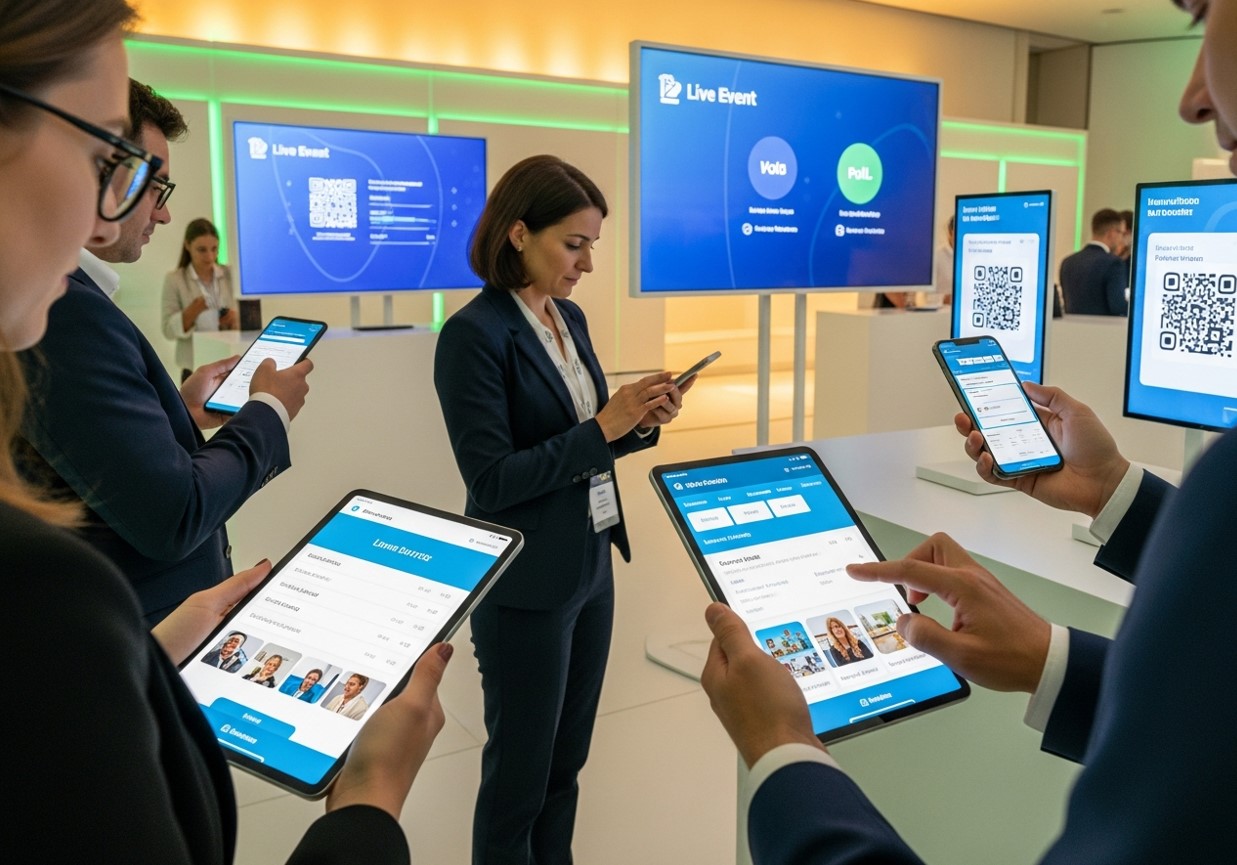
Technology plays a crucial role in reducing the environmental footprint of events. Event management platforms and apps allow organizers to streamline registration, ticketing, and attendee communication digitally, minimizing the need for paper-based processes. QR codes can replace printed schedules and maps, while event apps can provide real-time updates and notifications. Virtual and hybrid event formats also significantly reduce travel-related carbon emissions, enabling participation from global audiences without environmental costs. Additionally, data collected through these platforms can help track engagement with sustainability initiatives, providing actionable insights to improve future events. By integrating technology thoughtfully, you can enhance attendee experience while staying aligned with eco-conscious goals.
Partnering with Eco-Conscious Vendors
Your choice of vendors reflects your commitment to sustainability. Seek out suppliers who prioritize environmentally responsible practices, such as using biodegradable packaging, sourcing locally, or operating with renewable energy. Collaborate with catering services that emphasize seasonal, organic, or plant-based menus, reducing food miles and minimizing waste. When selecting production companies for audio, visual, or staging needs, prioritize those using energy-efficient equipment or reusable materials. Building a network of eco-conscious partners not only strengthens your event’s sustainability credentials but also sends a clear signal to attendees that environmental responsibility is embedded in every decision.
Promoting Sustainable Transportation Options
Transportation often contributes the largest portion of an event’s carbon footprint. Encourage attendees to use low-impact transport methods, such as public transit, biking, walking, or carpooling. Provide detailed guidance on local transit options and include incentives, like discounted tickets or loyalty points, for those who choose greener alternatives. If parking is necessary, consider offering electric vehicle charging stations to promote cleaner commuting. For larger events, arranging shuttle services from key transit hubs can further reduce individual vehicle use. Highlighting these initiatives demonstrates proactive environmental stewardship while creating a more seamless attendee experience.
Designing Circular Economy Initiatives
Incorporating circular economy principles into events ensures that resources are reused rather than discarded. For instance, create a system for attendees to return event materials—such as lanyards, badges, or reusable bottles—so they can be cleaned, refurbished, and used at future events. Partner with recycling companies or upcycling startups to convert leftover materials into new products, whether it’s turning stage backdrops into tote bags or repurposing excess fabrics. Circular practices not only reduce waste but also provide tangible storytelling opportunities that showcase innovation and responsibility to your audience.
Post-Event Sustainability Engagement
Your commitment to sustainability should extend beyond the event itself. Engage attendees after the event by sharing a sustainability report highlighting energy savings, waste reduction achievements, and carbon offset efforts. Provide tips for attendees to continue eco-friendly practices in their daily lives, and create opportunities for ongoing participation, such as online sustainability challenges or community volunteering programs. Post-event engagement reinforces your brand’s eco-conscious identity, encourages long-term loyalty, and inspires your community to adopt similar practices. Explore event marketing that actually works for tips on maximizing post-event engagement.
Collaborating with Sponsors for Green Initiatives
Sponsors play a crucial role in the success of any event, and aligning with eco-conscious partners can amplify sustainability efforts. When selecting sponsors, prioritize brands that share your environmental values and are committed to reducing their ecological footprint. Encourage them to provide sustainable contributions—such as digital marketing support instead of printed banners, eco-friendly swag, or funding for carbon offset programs. Collaborative initiatives like co-branded recycling campaigns, green workshops, or donation drives can increase visibility while promoting responsible behavior. By integrating sponsors into your sustainability strategy, you not only expand resources for green initiatives but also reinforce the message that environmental responsibility is a shared priority among your network of partners.
Storytelling and Communicating Your Green Efforts
Effectively communicating your sustainability initiatives is key to maximizing impact. Transparency builds trust, while compelling storytelling engages attendees and stakeholders emotionally. Showcase your eco-friendly measures through dedicated event websites, social media campaigns, and pre-event newsletters. Visual storytelling—such as behind-the-scenes videos of waste reduction practices, infographics of energy savings, or attendee testimonials about sustainable participation—makes your efforts tangible and relatable. Encourage participants to share their own eco-friendly experiences using event hashtags or digital platforms, turning your community into ambassadors for the green cause. Clear communication not only highlights your commitment but also inspires others in the industry to adopt similar sustainable practices.
Incorporating Community and Social Impact
Sustainable events are not just about reducing environmental impact—they also offer an opportunity to create positive social change. Engage local communities by sourcing products and services from nearby vendors, hiring local staff, or featuring community artisans in your event programming. Partner with nonprofit organizations to support environmental or social initiatives, such as tree planting, clean-up drives, or educational workshops. Consider donating a portion of ticket sales or unused event materials to local charities. By embedding social impact into your event strategy, you create a deeper connection with attendees and demonstrate that your brand values both people and the planet. This dual focus on environmental and social responsibility strengthens brand reputation and fosters a loyal, purpose-driven audience.
Conclusion
Sustainable event marketing is no longer a niche—it’s a necessity for forward-thinking brands. By integrating eco-friendly practices across venue selection, waste management, materials sourcing, and attendee engagement, you’ll create memorable experiences that align with global sustainability goals. Not only will you reduce environmental impact, but you’ll also attract conscious consumers, strengthen your brand reputation, and drive long-term loyalty. Embrace the green revolution in event marketing and watch your next gathering become a model for responsible, high-impact engagements. For a complete roadmap, check our event marketing ultimate guide.
Ready to transform your next event into a sustainability success story? Start by conducting a green audit today and take the first step toward a more eco-friendly future.
Frequently Asked Questions (FAQ)
What is sustainable event marketing?
Sustainable event marketing refers to planning, promoting, and executing events in ways that minimize environmental impact. It involves eco-conscious choices in venue selection, materials, transportation, and attendee engagement, while also communicating your brand’s commitment to sustainability.
How can small businesses implement sustainable events on a budget?
Small businesses can start by prioritizing digital materials over printed ones, using local venues and vendors, offering reusable or biodegradable event supplies, and encouraging green transportation options. Simple steps like mobile ticketing, eco-friendly giveaways, and energy-efficient equipment can make a big difference without significant costs.
What are some measurable outcomes of green events?
Metrics for sustainable events include waste diversion rates, energy and water consumption, carbon emissions, percentage of attendees using sustainable transport, and the volume of recycled or reused materials. Tracking these KPIs helps organizers evaluate impact and improve future events.
How can attendees be motivated to adopt sustainable behaviors?
Incentives like reward points, recognition, or small giveaways can encourage attendees to participate in eco-friendly practices. Interactive workshops, gamification, and volunteering opportunities also engage attendees while reinforcing the green message.
Are hybrid or virtual events more sustainable than in-person events?
Yes. Hybrid and fully virtual events reduce travel-related emissions and energy consumption associated with large venues. They also allow global participation without the environmental cost of air travel, while still enabling engagement and networking opportunities.
How do sustainable events benefit brands?
Green events enhance brand reputation, demonstrate corporate responsibility, attract eco-conscious audiences, and often lead to cost savings through efficient resource use. They also differentiate your brand in a competitive marketplace and create long-term loyalty among attendees.
Can sustainable practices compromise the attendee experience?
Not at all. Thoughtful implementation of sustainable strategies—like interactive digital experiences, quality eco-friendly materials, and engaging green activities—can enhance the overall experience, making it more memorable and meaningful.