In today’s digital landscape, event organizers contend with high expectations around engagement, personalization, and cost efficiency. As budgets tighten and audiences become more discerning, professionals are turning to chatbots in event marketing as a versatile solution to handle routine tasks, deliver tailored communication, and maintain continuous availability. By leveraging advanced natural language understanding and machine learning algorithms, chatbots empower teams to automate repetitive inquiries, guide attendees through registration, and provide on-the-fly support during live gatherings or virtual meetings. With smartphones and messaging platforms now serving as primary touchpoints, these virtual assistants meet guests where they are, driving real-time interaction without overburdening staff.
This year (2026), integrating conversational AI tools is no longer optional—it’s essential for creating seamless guest experiences and maximizing return on investment. From boosting pre-event excitement to facilitating post-event follow-ups, chatbots streamline workflows across the entire event lifecycle. In this guide, we’ll explore the core technologies behind these digital aides, unpack the key benefits of chatbots in event marketing, and share practical steps to develop a robust chatbot strategy. Whether you’re planning a multi-day expo or a targeted workshop, you’ll gain insights on designing dialogue flows, choosing the right platforms, and measuring success with data-driven metrics. Read on to discover how event chatbots can revolutionize your next gathering with 24/7 availability, personalized journeys, and measurable impact.
Understanding Chatbots: Core Concepts and Technologies
At their core, chatbots are software agents designed to simulate human dialogue through text or voice. These conversational interfaces use a blend of natural language processing (NLP) and machine learning to interpret user queries, maintain context, and deliver relevant responses. In the realm of chatbots in event marketing, these digital assistants can be tailored to handle tasks such as ticket inquiries, session recommendations, or venue logistics, offering attendees an always-on support channel.
Historically, chatbots began as simple rule-based systems that followed predefined scripts. Operators had to anticipate every possible user input and map it to a canned reply. Today, however, most advanced chatbots leverage AI-driven frameworks that learn from real interactions. By analyzing patterns and user behaviors, modern bots can navigate multi-step conversations, infer intent, and even handle ambiguous or incomplete questions without manual scripting for each scenario.
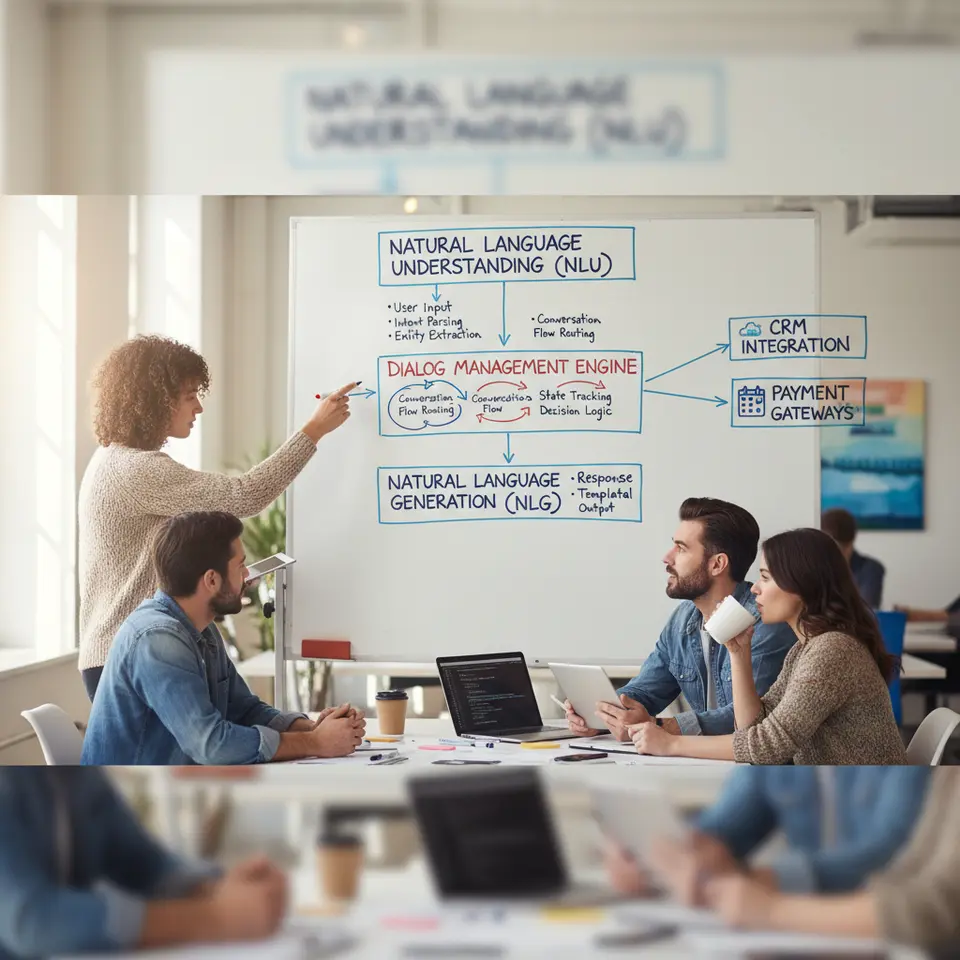
Key technical components include natural language understanding (NLU), a dialog management engine, and natural language generation (NLG). The NLU layer breaks down user inputs into structured data, identifying intent and extracting entities like dates, names, or topics. The dialog manager then determines the best next action based on conversation state, business rules, and context, ensuring continuity in multi-turn dialogues. Finally, NLG transforms system outputs into coherent, conversational language that aligns with your brand voice.
On the backend, chatbots integrate with customer relationship management systems (CRMs), event management platforms, and payment gateways. These connections allow bots to access attendee profiles, update registration statuses, and trigger email or SMS notifications seamlessly. For instance, after a user confirms a ticket purchase within the chat window, the bot can push a calendar invite or send QR code credentials without requiring manual handoffs.
Designing conversation flows for events requires a deep understanding of attendee needs and common pain points. Start by mapping user journeys—such as pre-event registration, on-site check-in, or post-event feedback—and build decision trees that guide users through each stage. Incorporate quick-reply buttons for popular actions, while also allowing free-text inputs for more specific queries. Ensure fallback responses route complex issues to human agents, maintaining service quality.
The Natural Language Processing Group at Stanford University has conducted extensive research on conversational AI, demonstrating how deep learning models can dramatically improve understanding and relevance in digital dialogues (Stanford NLP Group). By applying these insights to event chatbots, marketers can deliver intelligent, personalized experiences that resonate with attendees and drive engagement throughout the event lifecycle.
Modern chatbots often rely on pre-trained language models—such as BERT or GPT variants—that provide a sophisticated understanding of linguistic nuances. These models have been trained on massive text corpora, enabling them to grasp context, idioms, and even sentiment. By fine-tuning these architectures on event-specific data, organizers can deploy conversational agents that feel more natural and empathetic, improving user satisfaction and reducing friction in critical interactions.
Boosting Engagement and Interaction
Real-time Interaction
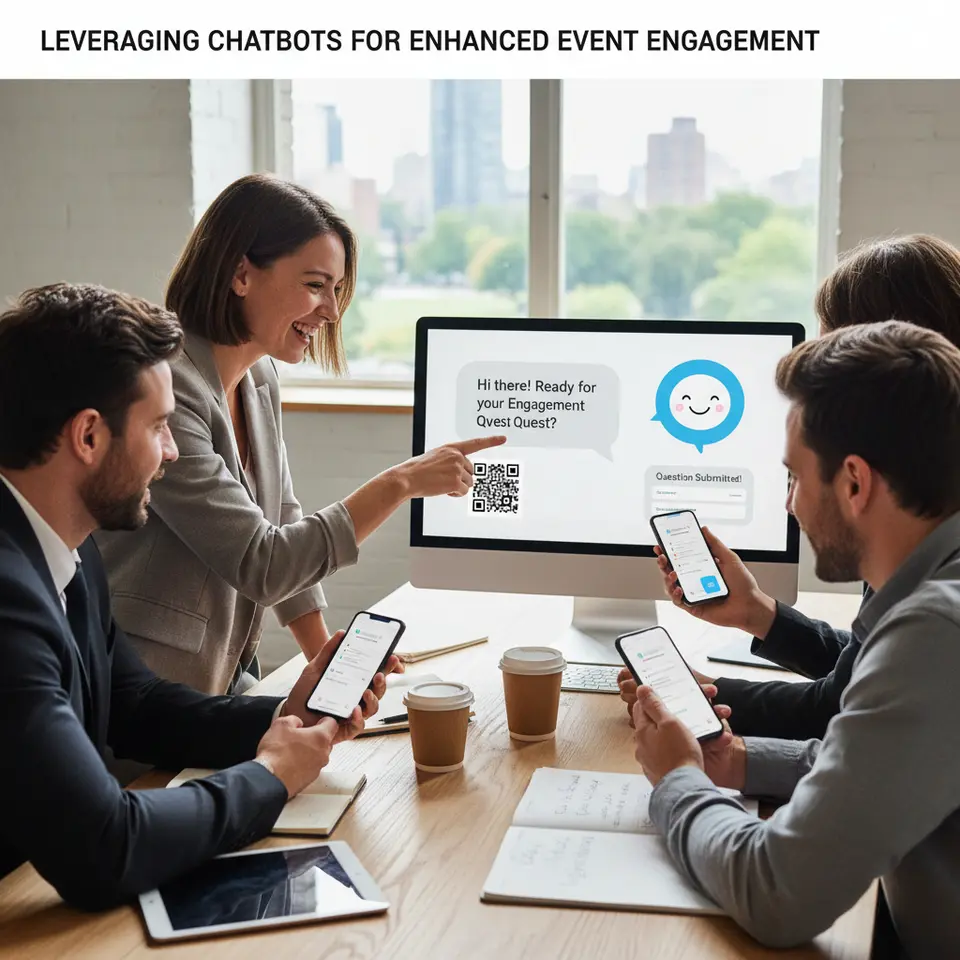
In today’s fast-paced environment, attendees expect instant answers. Chatbots in event marketing excel at providing on-demand details, turning static event pages into dynamic hubs of communication. Whether guests have questions about session timings, speaker biographies, or venue directions, a conversational assistant can respond within seconds. This immediate support keeps interest high, prevents drop-offs, and encourages visitors to explore additional offerings without navigating through multiple menus.
Personalized Recommendations
Beyond answering FAQs, modern chatbots leverage attendee data to craft tailored suggestions. By analyzing expressed interests—such as favored topics or networking preferences—bots can propose sessions aligned with each individual’s goals. For example, a machine-learning–powered agent might highlight a workshop on data visualization for analytics enthusiasts or alert marketing professionals to a panel on emerging digital tools. These personalized cues foster deeper engagement and enhance perceived value for attendees.
Proactive messaging is another engagement booster. Rather than waiting for users to initiate dialogue, bots can send timely prompts—like reminders about upcoming keynotes or notifications when a limited-time discount is available. Such push-based interactions stimulate participation and can reignite interest if an attendee’s activity begins to wane. By monitoring engagement signals, chatbots adapt their outreach frequency and content, striking a balance between helpfulness and intrusion.
Interactive elements such as quizzes, polls, and gamification modules take engagement to the next level. Embedding a trivia game about keynote speakers or a quick survey on preferred lunch options turns passive browsing into active involvement. Chatbots facilitate these features seamlessly within chat windows, collecting responses and displaying real-time leaderboards. These activities not only entertain but also generate valuable insights for organizers to refine programming and logistics.
Social media integration amplifies the reach of chatbots in event marketing efforts. By deploying conversational agents on platforms like Facebook Messenger or WhatsApp, event teams meet audiences on channels they already use daily. Sharing promotional content, answering community questions, and even handling group registrations become frictionless experiences. This omnichannel presence ensures a consistent brand voice and supports engagement before, during, and after the event.
Multimedia support elevates chatbots from text-only assistants to rich media platforms. Integrating images, videos, and documents within chats helps showcase venue maps, session slides, or tutorial clips directly to users. For example, sending an interactive floor plan or a speaker spotlight video clip enriches the experience and minimizes participant effort. This fusion of visual content and conversational interfaces deepens engagement and aligns with the expectations of tech-savvy attendees.
Ultimately, injecting conversational AI into engagement strategies empowers event professionals to cultivate meaningful connections at scale. Attendees benefit from a responsive, personalized experience, while organizers gain actionable data on preferences and behavior. As a result, chatbots transform passive visitors into active participants, laying the foundation for vibrant, interactive events that stand out in today’s saturated market.
Streamlining Registrations and Support
Registering for events can be cumbersome, with lengthy forms and multiple page redirects often leading to abandoned processes. Chatbots in event marketing streamline the registration journey by guiding users through each step within a single conversational interface. Integrated with secure payment gateways, these assistants can validate credit card details, apply discount codes, and instantly generate digital tickets or QR codes. By eliminating friction points, bots reduce registration drop-offs and increase overall conversion rates.
Automating Frequently Asked Questions
Events commonly generate volumes of repetitive inquiries around topics like refund policies, venue parking, or accessibility accommodations. Deploying a chatbot to handle these routine questions frees up staff to focus on complex or sensitive cases. Users type their query into the chat, and the bot pulls the relevant answer from a curated knowledge base, delivering instant clarity. When the bot encounters a question beyond its programmed responses, it can escalate the conversation to a human agent, ensuring a seamless experience.
Hybrid Support Model
Combining automated agents with live representatives creates a hybrid support model that optimizes resource allocation. Chatbots filter and resolve standard queries around the clock, while human team members intervene for high-touch interactions—such as VIP requests or technical issues requiring bespoke solutions. This approach maintains service continuity and ensures that critical problems receive appropriate attention, all while controlling support costs and improving response times.
Moreover, chatbots enhance attendee trust by tracking conversation history and user data. When a user reconnects after a break, the bot recalls previous messages and picks up the dialogue without making participants repeat themselves. This continuity fosters a sense of recognition and reliability, elevating the overall user experience.
Some advanced chatbots can even pre-populate user profiles by extracting data from social media logins or integrated CRM systems. By analyzing past attendance, interests, and behavior, these bots can offer customized ticket packages and personalized payment reminders, further streamlining the signup process.
Another innovation in support automation is sentiment analysis. By scanning user messages for emotional indicators—such as frustration or confusion—bots can adapt their tone or escalate to human staff when negative sentiment is detected. This capability not only prevents potential service failures but also demonstrates empathy, a crucial factor in maintaining positive relationships.
Overall, integrating a chatbot to manage both registrations and support inquiries enables event organizers to deliver a cohesive, user-friendly experience. Attendees benefit from immediate, accurate assistance, while the event team gains visibility into common pain points, allowing for continuous improvement in future editions.
Integrating Chatbots into Your Event Strategy

To harness the full potential of chatbots in event marketing, a strategic integration plan is essential. Without clearly defined objectives and a cohesive roadmap, even the most advanced conversational AI may underdeliver. Begin by aligning chatbot goals with broader event KPIs—such as registration growth, support ticket reduction, or onsite satisfaction scores—to ensure every bot interaction drives measurable impact.
Setting Clear Objectives
Identify the primary use cases where automation will add value. Are you aiming to cut down support tickets by 50%? Do you want to boost registrations by 25%? Or is the focus on elevating networking engagement through matchmaking features? Establishing precise targets allows you to customize conversation flows, allocate development resources appropriately, and track performance against predefined benchmarks.
Selecting Platforms and Tools
Choosing the right technology stack is critical. Many event management systems now offer embedded chatbot modules, while standalone solutions provide greater flexibility through APIs. Integrations with CRM databases—like Salesforce or HubSpot—enable real-time synchronization of attendee profiles, ensuring personalized dialogues and targeted follow-ups. Additionally, consulting reputable research on AI security, such as NIST’s guidelines for developing trustworthy artificial intelligence (NIST AI Program), can help in selecting vendors with strong governance frameworks.
Ensuring Data Compliance
Data privacy regulations are non-negotiable. When collecting personal details via chatbots, ensure transparent consent prompts and secure data storage. Adhering to GDPR, CCPA, and other regional requirements not only protects user rights but also safeguards your organization from potential fines and reputational damage. Work closely with legal and IT teams to implement encryption, access controls, and audit trails for all collected data.
Collaboration among marketing, IT, and customer support teams is crucial for seamless deployment. Marketing shapes the conversational tone and content, IT handles technical integration and security, while support teams define escalation criteria. Regular cross-functional meetings ensure the bot aligns with brand messaging, meets technical specifications, and addresses real attendee concerns.
Finally, developing a maintenance plan for continuous updates is vital. Event details, speaker lineups, and session schedules evolve rapidly. A dedicated process for updating the chatbot’s knowledge base ensures that it always reflects the latest information. Setting review cycles—weekly or bi-weekly—helps keep content fresh and accuracy high, avoiding attendee frustration caused by outdated responses.
Measuring and Optimizing Chatbot Performance
Key Metrics to Track
Start with fundamental usage metrics: total number of conversations, unique users engaged, and average session duration. Assess resolution rate—the percentage of inquiries successfully handled without human intervention—and monitor average response time to ensure your bot remains responsive. Post-chat satisfaction scores, captured through short surveys at the conversation’s end, provide direct feedback on user experience. Additionally, measure conversion metrics such as registration completion rates or upsell actions attributed to chatbot recommendations.
Analyzing Conversation Data
Reviewing conversation transcripts uncovers patterns in user queries and highlights areas where the bot’s understanding may falter. Identify common failure points—such as misunderstood intents or unanswered questions—and refine your NLU models or decision trees accordingly. Drop-off rates at specific dialog nodes can signal confusing dialogue paths or missing content. By leveraging text analytics and sentiment analysis, you can also gauge attendee emotions, adjusting bot responses to be more empathetic and contextually aware.
Iterative Improvement Through A/B Testing
Implement controlled experiments by deploying multiple versions of dialogue flows or response styles. Test variations in phrasing, button placement, or proactive message timing to determine which configurations yield higher engagement and satisfaction. By systematically comparing metrics across test cohorts, you can make data-informed decisions and incrementally enhance the conversational experience.
Building interactive dashboards within your analytics platform or chatbot management console provides real-time oversight of key performance indicators (KPIs). Visualizing trends over time enables swift identification of emerging issues—like sudden drops in bot usage—or recognition of successful features worth expanding. Regularly scheduled performance reviews empower teams to pivot strategies before minor glitches escalate into larger problems.
Ultimately, demonstrating the ROI of chatbots in event marketing requires linking performance data back to business outcomes. Quantify the cost savings from reduced support hours alongside revenue gains from improved registration conversions. Documenting these impacts helps secure ongoing investment in conversational AI and underscores the strategic value of chatbots for event success.
Conclusion
Frequently Asked Questions
Q: What are chatbots in event marketing?
A: Chatbots in event marketing are AI-powered conversational agents designed to interact with attendees through text or voice, handling tasks like registration, inquiries, and personalized recommendations at scale.
Q: How do chatbots enhance attendee engagement?
A: By providing real-time support, personalized session suggestions, interactive quizzes, and push notifications, chatbots keep attendees informed and engaged throughout the event lifecycle.
Q: How can I measure the success of my event chatbot?
A: Track metrics such as conversation volume, resolution rate, average response time, user satisfaction scores, and conversion rates attributed to bot interactions to evaluate performance and ROI.
In today’s competitive event landscape, chatbots in event marketing represent a transformative force for enhancing engagement, streamlining operations, and driving tangible results. By automating routine inquiries, facilitating seamless registrations, and delivering personalized interactions, conversational AI empowers event teams to focus on strategic initiatives while attendees enjoy responsive, tailored experiences. Through careful planning, from setting clear objectives to selecting compatible platforms and ensuring compliance, organizations can deploy chatbots that align with their brand voice and technical requirements. Continuous measurement—tracking metrics such as resolution rates, response times, and conversion lift—allows for iterative refinement and sustained performance improvements.
Looking ahead, advances in AI will further elevate chatbots’ capabilities, introducing features like sentiment-aware replies and immersive voice interfaces. Yet the core principles remain constant: prioritize user-centric design, maintain up-to-date content, and cultivate collaboration across marketing, IT, and support functions. As you prepare for your next event, consider launching a pilot bot to gather early feedback, then scale your conversational strategy based on real-world insights. By embracing chatbots in event marketing, you can deliver memorable, high-touch experiences at scale and secure a competitive edge in today’s digital-first era.
Start small by automating one key use case—such as registration or FAQs—and expand as your team grows more confident with conversational design. Gather attendee feedback to guide updates, and leverage reliable industry resources to stay informed on emerging best practices. With a structured, iterative approach, chatbots will quickly become a cornerstone of your event strategy.