Creating memorable experiences is essential in today’s market. How to create farmers market events that emphasize authenticity, local vendors, and engaging activities can turn simple shopping into meaningful community connections. By focusing on values, social interaction, and emotional engagement, these events build loyalty, strengthen local culture, and foster lasting bonds between vendors and attendees.
Understanding the Emotional Appeal of Farmers Markets
The Search for Authenticity
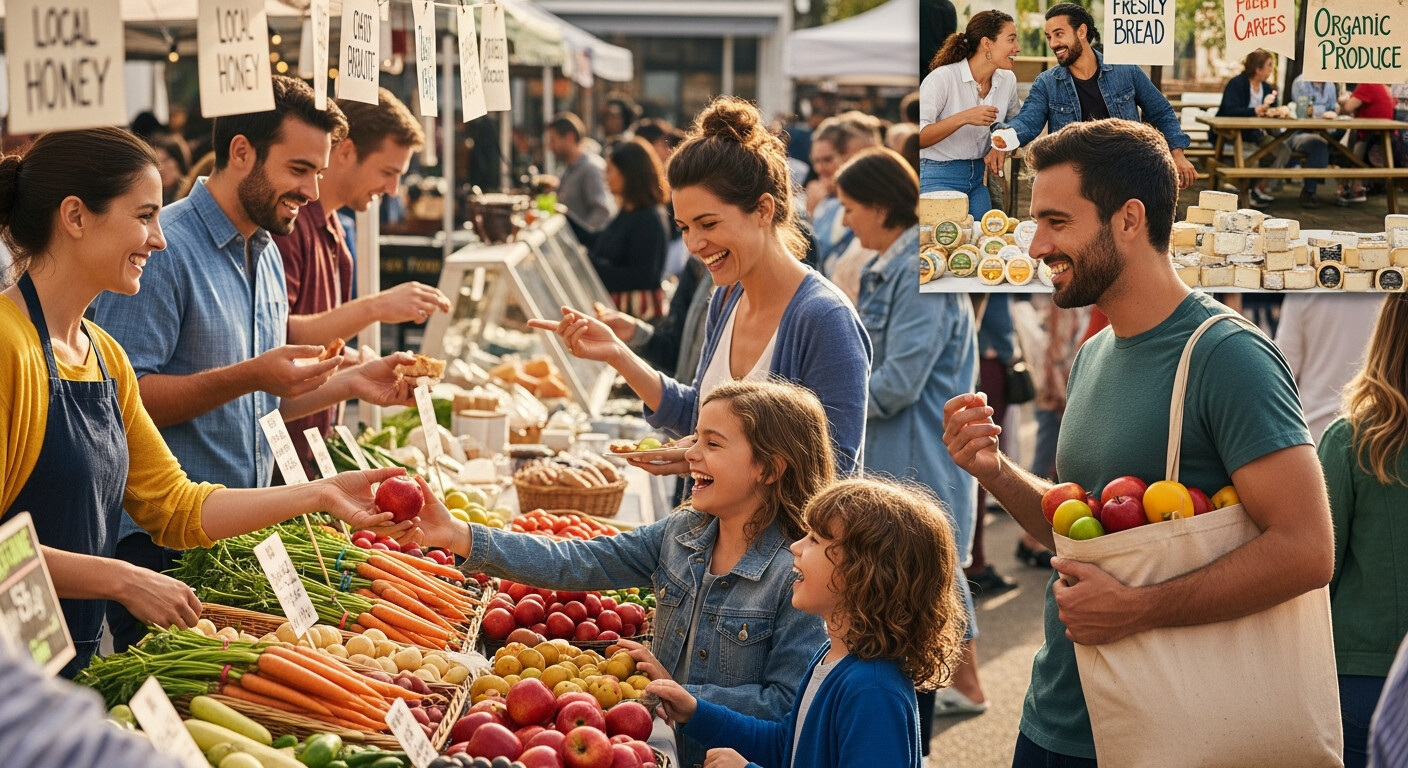
Modern consumers are increasingly seeking experiences that feel genuine, unprocessed, and personal. Farmers markets offer the perfect alternative to the impersonal and sterile environments of conventional grocery stores by providing direct interactions with food producers, artisans, and local creators. When people visit these markets, they’re not just shopping—they’re connecting with the story behind every product. They want to know where their food comes from, how it’s grown, and who is responsible for creating it. This level of transparency fosters trust and emotional satisfaction that mass retail simply cannot replicate.
For organizers looking to learn how to create farmers market events, emphasizing authenticity is essential. Highlighting vendor stories, showcasing artisanal methods, and offering behind-the-scenes glimpses of production can help visitors feel a deeper connection to both the market and its community. By making authenticity the cornerstone of your market experience, you ensure that attendees perceive each visit as meaningful and memorable, encouraging repeat attendance and long-term loyalty.
Community Connection and Belonging
Farmers markets are more than just shopping destinations—they are vibrant social hubs where neighbors gather, families build traditions, and communities strengthen their bonds. The emotional driver of belonging is a powerful motivator, inspiring attendees to return regularly and participate actively. These markets fulfill the human need for social interaction while simultaneously supporting local economies and shared values. Visitors often become advocates for the market, spreading the word to friends, family, and colleagues, which naturally grows the community over time.
When planning how to create farmers market events, designing spaces that encourage social connection is key. Providing seating areas, communal spaces, and areas for children’s activities allows people to linger, interact, and enjoy the experience beyond shopping. Organizers can also host collaborative events, such as community cooking demos, workshops, or cultural performances, to foster deeper emotional connections. Learn more about Central Market Events as Community Gathering Guides to draw inspiration for interactive experiences.
Values-Based Shopping
Many attendees are motivated by personal values such as environmental sustainability, supporting local businesses, and making ethical purchasing decisions. These emotional drivers create loyal customers who prioritize farmers markets over more convenient but impersonal alternatives. When shoppers feel they are contributing positively to their community and environment, routine purchases become acts of purpose. The pride and satisfaction of supporting local farmers and artisans transform shopping into a meaningful experience aligned with personal and communal values.
For organizers focused on how to create farmers market events that resonate deeply, integrating values-based initiatives is crucial. Highlight local, seasonal produce, offer eco-friendly and ethically sourced products, and feature vendors who align with sustainability or social responsibility practices. Tools like Sustainable Event Marketing Strategies can provide actionable tips to align your market with eco-conscious audiences..
Planning Your Farmers Market Event
Choose the Right Location
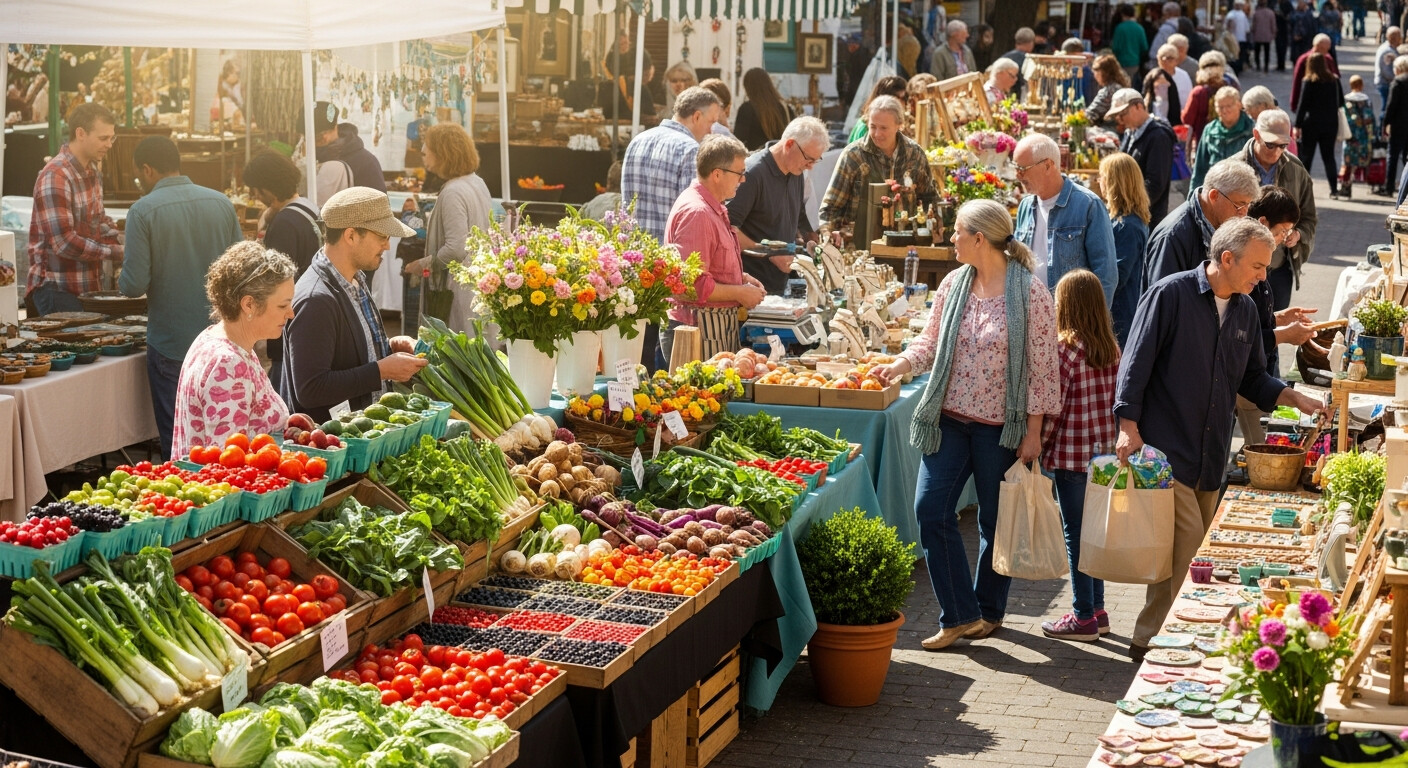
Select venues that enhance the community atmosphere you want to create. Parks, town squares, and historic districts work well because they already serve as community gathering spaces.
Consider practical factors like parking availability, accessibility, and space for vendors and activities. The location should feel welcoming and easy to navigate for families with strollers, elderly visitors, and people with disabilities.
Establish a Clear Mission and Vision
Define what your farmers market stands for beyond commerce. Are you focused on organic produce, supporting immigrant farmers, preserving heirloom varieties, or building food security?
A clear mission helps attract vendors and customers who share your values, creating a more cohesive community experience.
Set Appropriate Frequency and Hours
Weekly markets often work best for building regular customer habits and providing vendors with consistent income opportunities. Consider your community’s schedule and competing events.
Morning hours typically work well for families and early shoppers, while evening markets can attract working professionals and create different social dynamics.
Create Vendor Guidelines
Establish standards for vendor participation that align with your market’s mission. This might include requirements for locally produced goods, organic farming practices, or handmade crafts.
Clear guidelines help maintain market quality and ensure customer expectations are met consistently.
Selecting Vendors That Build Community
Prioritize Local Producers
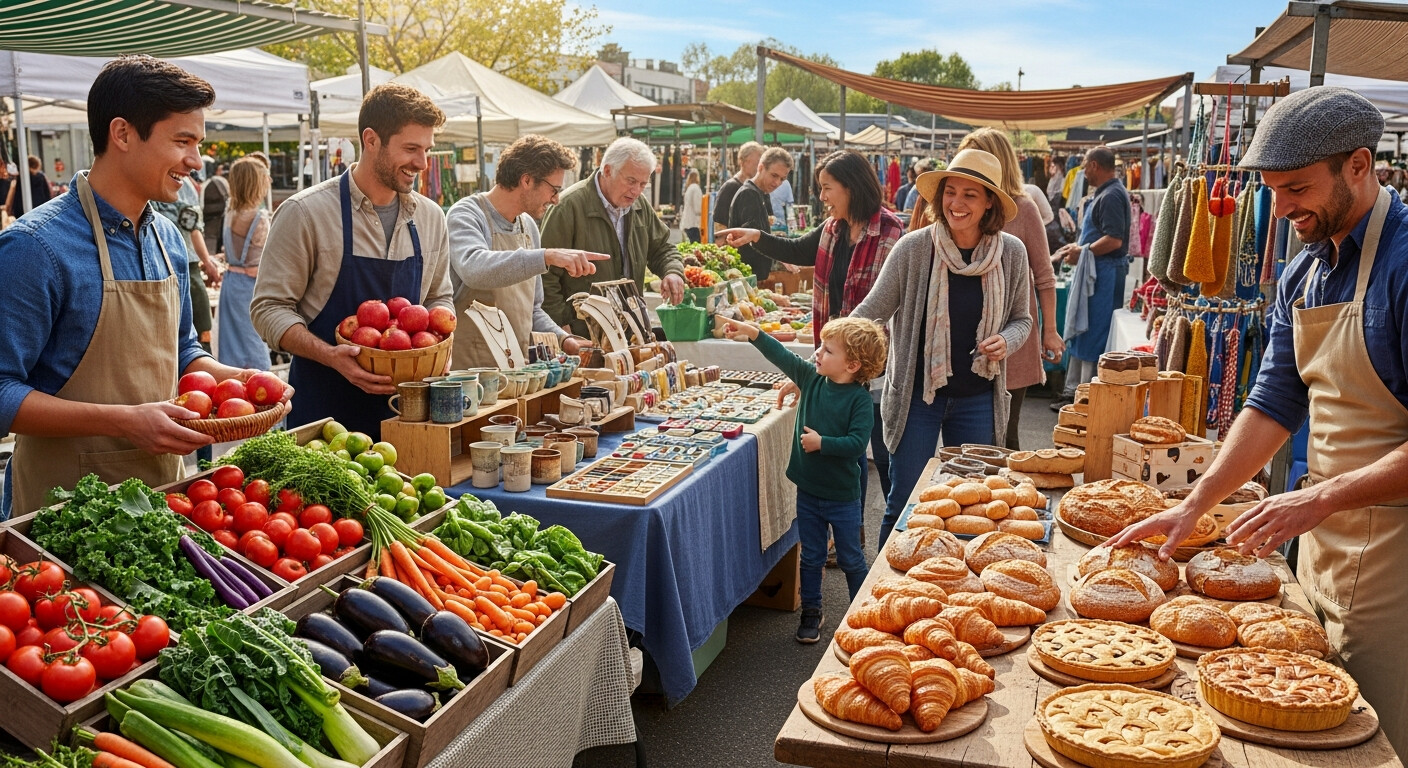
When learning how to create farmers market events, it’s essential to focus on farmers, bakers, and artisans from your local region. These vendors can share authentic stories about their products and farming practices, creating meaningful emotional connections with customers. Supporting local producers also strengthens the community’s economy and advances environmental sustainability—values that many market-goers deeply appreciate.
Balance Product Variety
Offer diverse products that meet different customer needs and interests. Include fresh produce, prepared foods, baked goods, flowers, and artisan crafts.
A key part of how to create farmers market events is offering a diverse range of products that cater to different customer needs and interests. Include fresh produce, prepared foods, baked goods, flowers, and artisan crafts to create a complete shopping experience. Providing variety not only meets practical needs but also encourages visitors to engage more fully, increasing their emotional investment in the market and fostering loyalty. For inspiration, check Event-Based Marketing Guide for creative product and vendor ideas.
Variety ensures that visitors can complete meaningful portions of their shopping at the market, increasing their emotional investment in the experience.
Encourage Vendor Interaction
Select vendors who enjoy engaging with customers and sharing their knowledge. The personal connections between producers and consumers create the emotional experiences that distinguish farmers markets from retail stores.
Provide vendors with resources about effective customer engagement and storytelling techniques that help them connect with shoppers.
Support New and Diverse Vendors
Create opportunities for beginning farmers, immigrant producers, and underrepresented entrepreneurs to participate. This diversity strengthens community bonds and provides broader product selections.
Consider reduced fees, mentorship programs, or shared booth spaces that help new vendors establish themselves successfully.
Creating Engaging Activities Beyond Shopping
Educational Programming
Organize cooking demonstrations, gardening workshops, and sustainability seminars that add value to the market experience. Educational activities position your market as a learning destination, not just a shopping venue.
Partner with local chefs, master gardeners, and environmental groups to provide expert-led programming that addresses community interests.
Entertainment and Cultural Programming
Include live music, children’s activities, and cultural performances that create festive atmospheres. Entertainment draws people who might not otherwise visit and encourages longer stays.
Rotate entertainment offerings to maintain novelty and appeal to different community segments throughout the season.
Seasonal Celebrations
Plan special events around harvest seasons, holidays, and community milestones. Seasonal programming creates anticipation and traditions that strengthen emotional connections to your market.
Consider events like pumpkin festivals, holiday markets, or spring planting celebrations that align with natural cycles and community traditions.
Community Partnerships
Collaborate with local organizations, schools, and nonprofits to create programming that serves broader community needs. These partnerships expand your market’s reach and community impact.
Partner with organizations focused on nutrition education, environmental conservation, or social services to create programming that addresses community priorities.
Building Emotional Connections Through Experience Design
Create Welcoming Atmospheres
Design market layouts that encourage exploration and social interaction. Use banners, signage, and decorations that reflect your community’s character and values.
Provide seating areas where people can rest, eat, and socialize. These spaces become natural gathering points that strengthen community connections.
Develop Market Traditions
Establish regular features that people can anticipate and look forward to. This might include weekly cooking demonstrations, seasonal vendor rotations, or annual celebration events.
Traditions create emotional anchors that make your market feel like an integral part of community life rather than a temporary vendor gathering.
Encourage Customer Stories
Create opportunities for customers to share their experiences, recipes, and connections with vendors. Social media campaigns, newsletter features, and bulletin boards can showcase these stories.
Customer stories demonstrate the market’s community impact and inspire others to participate more deeply.
Provide Excellent Customer Service
Train staff and volunteers to be helpful, knowledgeable, and welcoming. Positive interactions with market representatives create lasting impressions that influence return visits.
Address problems quickly and fairly to maintain trust and demonstrate your commitment to customer satisfaction.
Marketing Your Farmers Market Events
Leverage Social Media Storytelling
Share vendor stories, customer testimonials, and behind-the-scenes content that showcases your market’s personality and values. Visual platforms like Instagram and Facebook work well for food and community content.
User-generated content from vendors and customers provides authentic marketing material that resonates more effectively than promotional messaging.
Partner with Local Media
Develop relationships with local newspapers, radio stations, and bloggers who can help promote your market and vendors. Media coverage legitimizes your market and reaches audiences you might not access directly.
Provide media contacts with story ideas about interesting vendors, seasonal products, or community impact rather than just promotional information.
Create Educational Content
Develop blog posts, newsletters, and social media content that educates people about seasonal eating, cooking techniques, and sustainable practices. Educational content positions your market as a valuable community resource.
Share information about vendor growing practices, product uses, and recipes that help customers make the most of their purchases.
Build Email Lists
Collect email addresses from interested customers and vendors to communicate directly about market news, special events, and seasonal highlights.
Email marketing allows you to maintain relationships between market days and provide detailed information that social media posts can’t accommodate.
Measuring Success and Building Long-Term Sustainability

Track Community Engagement
Monitor attendance numbers, vendor participation rates, and customer feedback to understand your market’s community impact. Look for qualitative indicators like return customers, vendor satisfaction, and community integration.
Regular surveys can provide insights into what’s working well and what improvements customers and vendors would value.
Financial Sustainability
Develop diverse revenue streams through vendor fees, sponsorships, grants, and special events. Financial stability allows you to maintain consistent programming and market quality.
Consider the long-term costs of market operations, including insurance, permits, infrastructure maintenance, and staff compensation.
Vendor Success
Track vendor sales, customer feedback, and retention rates to ensure your market provides value to participating businesses. Successful vendors are essential for long-term market sustainability.
Provide vendors with resources and support that help them succeed, including marketing assistance, customer feedback, and business development opportunities.
Community Impact
Document how your market contributes to local food security, economic development, and social connections. This information supports grant applications and community partnerships.
Measure impacts like dollars spent with local producers, families served, and community organizations involved in market programming.
Growing Your Farmers Market Community
Successful farmers market events create ripple effects that extend far beyond market days. They strengthen local food systems, support small businesses, and provide gathering spaces that build social capital within communities.
The most sustainable farmers markets understand that they’re not just organizing vendor spaces—they’re nurturing community relationships and supporting values that matter to their participants. By focusing on the emotional drivers that motivate people to seek authentic connections, support local businesses, and participate in community life, you can create farmers market events that become beloved community institutions.
Start by understanding what your community values most. Survey potential customers and vendors about their interests, concerns, and goals. Use these insights to design market experiences that address real needs and create genuine value for all participants.
The farmers markets that thrive are those that recognize the human connections behind every transaction and create experiences that nourish both body and spirit.
Farmers market events are more than just places to shop—they’re opportunities to foster local community and culture. When thoughtfully planned, they can reflect the charm and energy found in seasonal markets, which naturally bring people together through shared experiences. Exploring both can help you design events that are vibrant, engaging, and deeply rooted in community spirit.
Frequently Asked Questions (FAQ)
How do I start planning a farmers market event?
To begin how to create farmers market events, start by defining your vision, selecting a suitable location, and understanding your community’s needs. Set clear goals for what your market will offer beyond products, such as educational programs, entertainment, or community engagement.
What types of vendors should I include?
When learning how to create farmers market events, prioritize local producers who can share authentic stories about their products. Maintain a balanced mix of fresh produce, artisan goods, prepared foods, and unique crafts to appeal to a broad audience while ensuring consistent quality.
How can I make my farmers market stand out?
Creating memorable experiences is key in how to create farmers market events. Focus on storytelling, seasonal events, workshops, and entertainment that engage visitors emotionally and socially. A market that connects with people beyond transactions will leave lasting impressions and inspire word-of-mouth promotion.
How do I measure the success of my farmers market?
To evaluate success when planning how to create farmers market events, track attendance, vendor participation, repeat visitors, and community engagement. Surveys, feedback forms, and social media interactions provide insights into emotional and experiential impact, while financial metrics like vendor sales and sponsorships ensure sustainability.
How can I promote my farmers market effectively?
Effective promotion is part of how to create farmers market events. Use social media, email newsletters, local media, and community partnerships to share vendor stories, seasonal products, and community impact. Authentic storytelling draws people in and reinforces the market’s values.
How do I ensure the market is inclusive and accessible?
Inclusivity should be a core part of how to create farmers market events. Provide clear signage, accessible facilities, and diverse vendor participation. Offer programs and activities that appeal to various age groups and cultural backgrounds to make every community member feel welcome.