Understanding Event Digital Marketing
Event digital marketing encompasses all online strategies used to promote, manage, and enhance events. This includes everything from initial awareness campaigns to post-event follow-up communications. Unlike traditional event promotion, digital marketing allows for precise targeting, real-time engagement, and measurable results.
The digital approach offers several advantages over conventional marketing methods. You can reach specific demographics based on interests, location, and behavior patterns. Real-time analytics help you adjust campaigns on the fly, while automated systems can nurture leads without constant manual intervention.
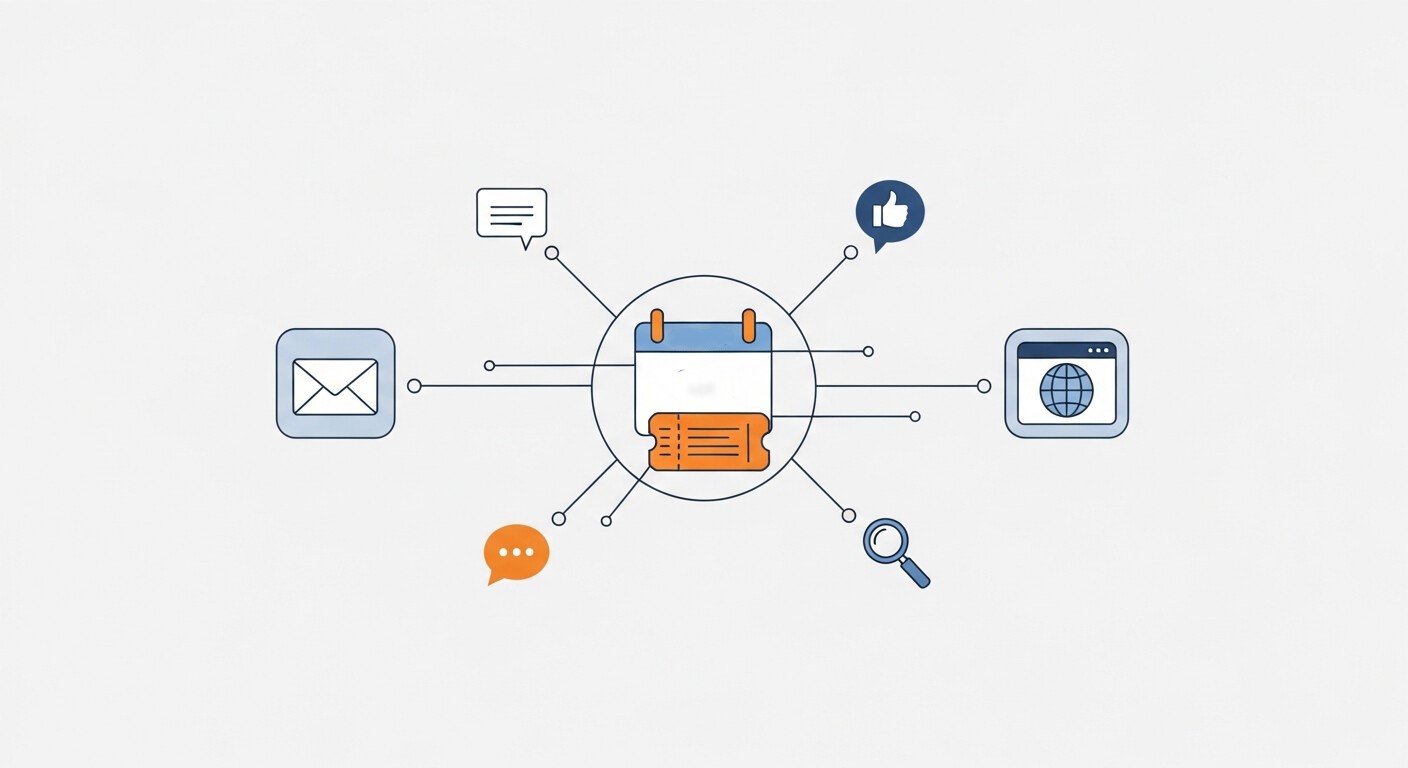
Successful event digital marketing requires a multi-channel approach. Your audience consumes content across various platforms, so your marketing strategy should meet them where they already spend their time. This might include social media platforms, email inboxes, search engines, or industry-specific websites.
Building Your Event Marketing Foundation
Define Your Target Audience
Before launching any digital campaigns, it’s essential to develop clear and well-defined audience personas. Identify exactly who you want to attract and what problems or goals your event addresses for them. A deep understanding of your ideal attendee influences everything from messaging and channel selection to content and ad creatives. You can explore why your business needs events and marketing to see audience targeting in action.
Build detailed profiles that include demographics, job roles, experience levels, challenges, motivations, and preferred communication platforms. This research can be informed by surveying past attendees, reviewing competitor event audiences, analyzing website and social data, or conducting focus groups. The clearer your audience definition, the more relevant and effective your marketing efforts will be.
Set Clear Marketing Objectives
Your digital marketing objectives should directly support your broader event goals. Whether your priority is driving ticket sales, generating qualified leads, increasing brand awareness, or building a long-term community, each objective requires a distinct approach and set of tactics. For a complete roadmap, see event marketing strategy: your complete guide to success.
Define specific and measurable goals for each marketing channel to track progress accurately. These may include targets for registrations, email open and click-through rates, social engagement, website traffic, or conversion rates. Clear objectives help guide strategy, optimize budget allocation, and make it easier to evaluate campaign success and areas for improvement.
Essential Digital Marketing Channels for Events
Social Media Marketing
Social platforms serve as powerful amplifiers for event promotion. Each platform offers unique advantages depending on your audience and event type. LinkedIn excels for professional conferences, Instagram works well for visually appealing events, and Twitter facilitates real-time conversations.
Create platform-specific content that resonates with each audience. Share behind-the-scenes glimpses, speaker highlights, and attendee testimonials. Use relevant hashtags to increase discoverability, and engage with comments to build community around your event.
Consider running targeted social media ads to expand your reach beyond organic followers. Platforms offer sophisticated targeting options that let you reach people based on job titles, interests, and behaviors that align with your ideal attendee profile.
Email Marketing Campaigns
Email remains one of the most effective channels for event promotion, offering direct access to interested prospects. Build your email list through content marketing, social media campaigns, and partnerships with industry organizations. Explore our guide to event email marketing software for tools that improve outreach.
Develop a comprehensive email sequence that guides subscribers from initial awareness to event registration. This might include announcement emails, speaker spotlights, agenda reveals, and last-minute promotions. Personalize content based on subscriber interests and engagement history.
Segment your email list based on factors like past attendance, job function, or registration status. This allows for more targeted messaging that speaks directly to each group’s interests and needs.
Content Marketing Strategy
High-quality content establishes your event as a must-attend industry gathering. Create blog posts, videos, podcasts, and infographics that provide value to your target audience while building anticipation for your event.
Develop content themes that align with your event topics. If you’re hosting a marketing conference, create content about the latest industry trends, tools, and best practices. This positions your event as the go-to source for cutting-edge insights.
Collaborate with speakers and industry experts to create guest content. This expands your reach to their audiences while providing valuable perspectives that attract potential attendees.
Search Engine Optimization
Optimize your event website and content for relevant search terms. People actively searching for events in your industry represent high-intent prospects who are more likely to register and attend.
Research keywords that your target audience uses when looking for events like yours. This might include industry-specific terms, location-based searches, or problem-focused queries that your event addresses.
Create dedicated landing pages for different audience segments or marketing campaigns. These pages should be optimized for both search engines and conversions, with clear value propositions and prominent registration buttons.
Advanced Event Digital Marketing Tactics
Influencer and Speaker Partnerships
Leverage the networks of your speakers, sponsors, and industry influencers to extend your marketing reach. These partnerships provide credibility and access to engaged audiences that trust their recommendations.
Provide partners with ready-to-share content, including graphics, sample posts, and key messaging points. Make it easy for them to promote your event by removing friction from the sharing process.
Track the impact of different partnerships to identify your most valuable relationships. Some influencers may drive significant registrations, while others might provide more value through brand awareness and credibility.
Marketing Automation and Nurturing
Implement automated workflows that guide prospects through your marketing funnel. This might include welcome sequences for new subscribers, re-engagement campaigns for past attendees, or personalized recommendations based on browsing behavior.
Use behavioral triggers to deliver timely, relevant messages. For example, send additional information about speakers to someone who visits your agenda page, or offer early-bird pricing to subscribers who haven’t yet registered.
Create different nurture tracks for various audience segments. A first-time attendee might need more information about what to expect, while a returning participant might be more interested in new features or networking opportunities.
Video Marketing Integration
Video content significantly outperforms text and images in terms of engagement and conversion rates. Create promotional videos, speaker interviews, and event highlights that showcase the value and atmosphere of your gathering.
Live streaming can build excitement and FOMO (fear of missing out) among your audience. Consider streaming portions of your event, hosting live Q&A sessions with speakers, or providing behind-the-scenes glimpses of event preparation.
Repurpose video content across multiple channels to maximize its impact. A single speaker interview can become social media clips, email content, blog post material, and website testimonials.
Measuring Event Digital Marketing Success
Key Performance Indicators
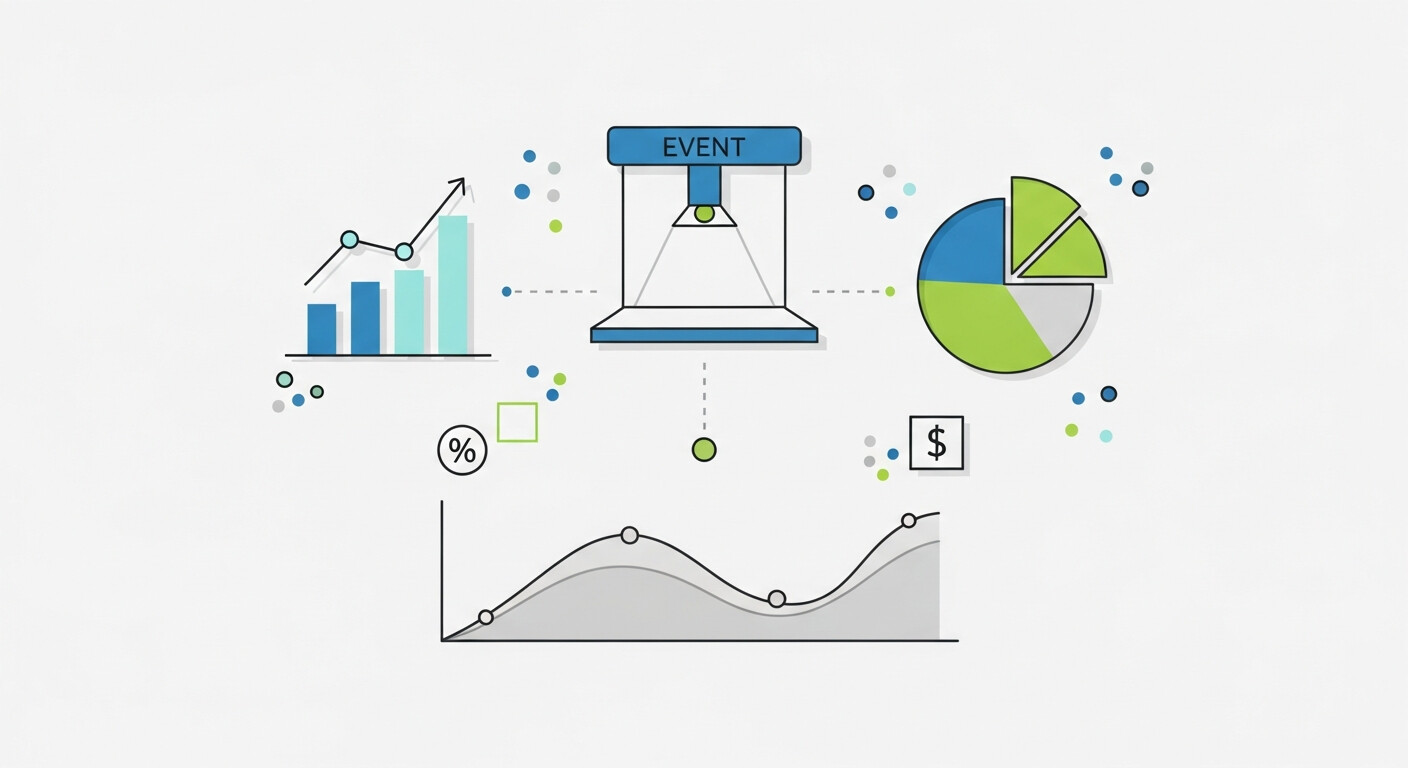
Key performance indicators (KPIs) help you understand whether your event marketing efforts are actually driving results. While registration and ticket sales are critical, they only tell part of the story. Engagement metrics such as email open rates, click-through rates, social media likes, comments, shares, and website time-on-page reveal how interested and invested your audience is before they convert.
Tracking the full customer journey—from first touchpoint to event attendance—provides deeper insight into how people interact with your campaigns. This visibility helps identify friction points within your marketing funnel. For example, strong social media traffic paired with low registrations may indicate issues with landing page messaging, page load speed, or the registration process itself. Understanding these patterns allows you to make data-backed improvements rather than relying on assumptions.
Analytics and Optimization
Analytics tools such as Google Analytics, social platform insights, and email marketing dashboards give you a comprehensive view of campaign performance across channels. Reviewing this data regularly allows you to spot trends, measure progress toward goals, and quickly identify underperforming areas that need attention.
Ongoing optimization is essential for maximizing results. A/B testing different campaign elements—such as email subject lines, ad visuals, landing page layouts, or call-to-action wording—helps determine what resonates most with your audience. Small adjustments can lead to significant improvements in engagement and conversion rates.
Documenting insights from each campaign ensures continuous improvement over time. By applying what you’ve learned about audience behavior, messaging, and channel performance, you can refine future event marketing strategies and consistently achieve stronger outcomes.
Event Branding and Visual Consistency Across Channels
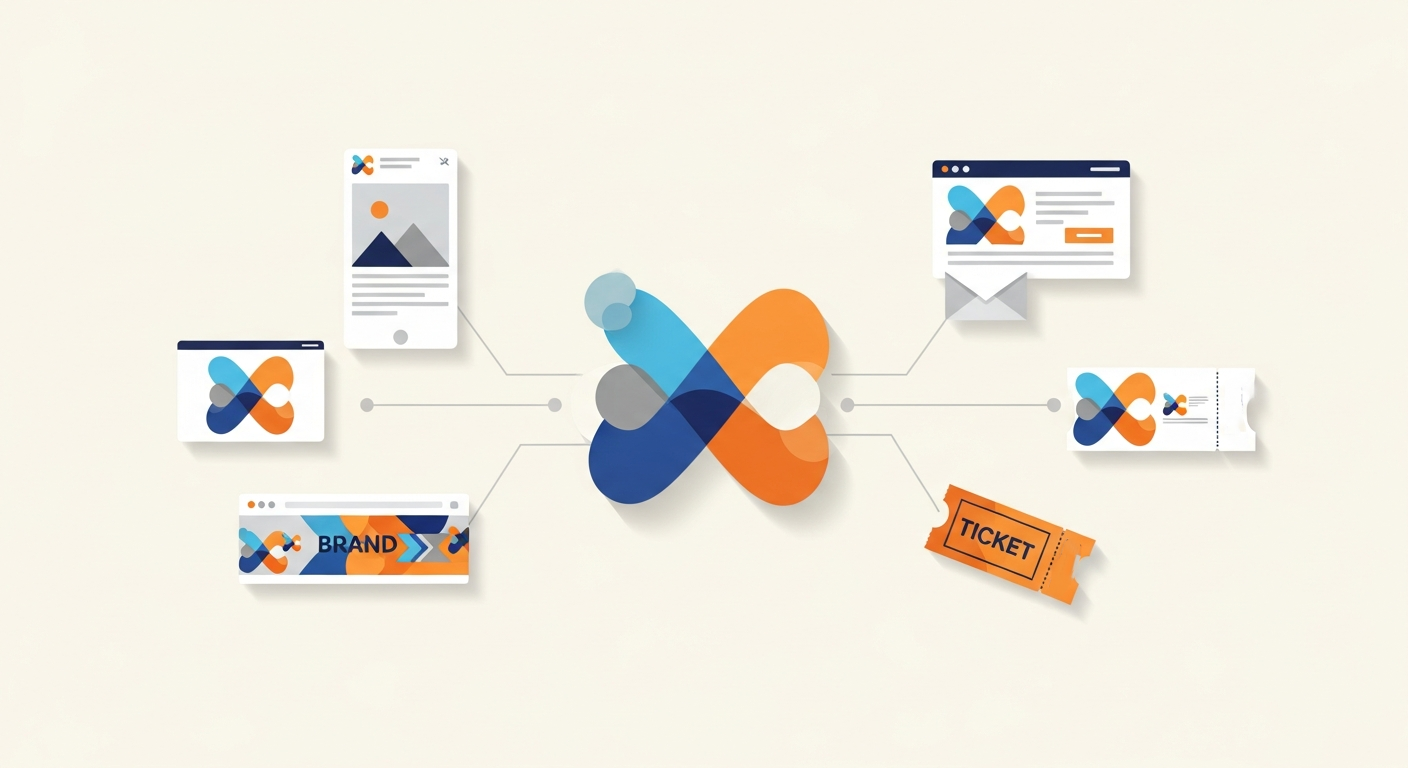
Strong branding is a foundational element of successful digital event marketing because it shapes how your audience perceives and remembers your event. Visual consistency across all digital touchpoints—such as your event website, landing pages, emails, social media posts, and paid ads—helps build instant recognition and establishes trust before a user ever registers. When colors, typography, imagery, and overall tone are aligned, your event appears more credible, polished, and professional.
A well-defined visual identity also reinforces your event’s theme and value proposition. For example, a corporate conference may use clean layouts and muted colors to signal authority, while a creative or entertainment-focused event might use bold visuals and dynamic imagery to convey energy. Consistency ensures that each interaction feels connected rather than fragmented, guiding potential attendees smoothly through the marketing funnel.
In crowded digital environments where users encounter countless promotions daily, cohesive branding helps your event stand out and remain memorable. Over time, this familiarity increases recall, improves engagement, and makes it easier for audiences to recognize and trust your event across multiple channels, ultimately leading to higher registration and attendance rates.
Event Marketing Compliance and Data Privacy Considerations
With increasing regulations around data privacy, compliance has become a critical aspect of digital event marketing. Collecting attendee information through registration forms, cookies, and email subscriptions requires transparency and consent.
Ensuring compliance with regulations such as GDPR or CAN-SPAM builds trust and protects your brand from legal risks. Clear privacy policies, secure data handling, and ethical marketing practices improve credibility while maintaining long-term audience relationships.
Optimizing Event Registration Funnels for Conversions
The event registration funnel plays a direct role in attendance numbers. A poorly optimized funnel can cause drop-offs even when interest is high. Each step—from ad click to confirmation page—should be intuitive, fast, and focused on reducing friction.
Simplifying forms, minimizing distractions, and reinforcing value at each stage improves completion rates. A well-designed funnel ensures interested prospects move smoothly from curiosity to commitment without unnecessary obstacles.
Your Next Steps for Event Marketing Success
Event digital marketing requires strategic planning, consistent execution, and continuous optimization. Start by clearly defining your audience and objectives, then build comprehensive campaigns across multiple channels. Remember that successful event promotion is about creating genuine value and building relationships, not just pushing ticket sales.
Begin implementing these strategies at least 8-12 weeks before your event to allow sufficient time for awareness building and registration conversion. Focus on the channels where your audience is most active, and don’t try to master every platform simultaneously.
Consider partnering with a digital marketing agency that specializes in event promotion if you lack internal resources or expertise. The investment often pays for itself through increased attendance and more effective campaigns.
Most importantly, view each event as a learning opportunity. Gather feedback, analyze results, and refine your approach for future events. The most successful event organizers are those who continuously evolve their digital marketing strategies based on data and attendee insights.
Frequently Asked Questions (FAQ)
How early should I start promoting my event digitally?
Start at least 8-12 weeks before the event for most conferences or large gatherings. This allows time for awareness campaigns, audience segmentation, retargeting, and early-bird promotions. Smaller networking events may require 4-6 weeks.
Which digital channel delivers the highest ROI for event marketing?
Email marketing and retargeted social media ads generally provide the best ROI due to precision targeting and measurable conversions. Combining these with content marketing and SEO further enhances visibility.
How can I increase attendance for virtual events?
Offer clear value propositions, leverage influencers and partners for promotion, use interactive features to boost engagement, and send timely reminders. Post-event recordings also attract those who couldn’t attend live.
What metrics should I track to measure event marketing success?
Track registration numbers, ticket sales, email open and click rates, social media engagement, website traffic, session attendance, and post-event surveys. ROI should be evaluated in both financial terms and audience engagement.
Can small businesses benefit from digital event marketing?
Absolutely. Digital marketing allows small businesses to reach highly targeted audiences, compete with larger organizations, and measure results efficiently, even with limited budgets.
How do I ensure my event stands out online?
Focus on creating unique content, leveraging influencer partnerships, interactive experiences, visually appealing creatives, and clear messaging that communicates the value of attending your event.