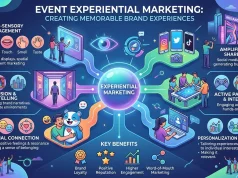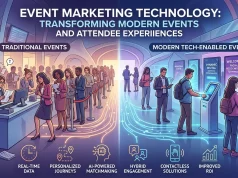
HubSpot’s INBOUND proves that event marketing can drive long-term brand growth when treated as a full experience. By building hype, delivering memorable content, and repurposing event insights, HubSpot turns events into powerful tools for engagement, community, and lasting ROI.
Event marketing. For many, the term conjures images of stuffy conference halls, awkward networking, and flimsy tote bags filled with branded pens. It’s often seen as a necessary but costly part of the marketing mix, with a return on investment that can be difficult to measure. But it doesn’t have to be this way.
For years, HubSpot has been rewriting the rules of event marketing, transforming their annual INBOUND conference from a simple user gathering into a global phenomenon. It’s more than just a conference; it’s a vibrant, week-long festival celebrating marketing, sales, and customer success. By treating their events as powerful content engines and community-building platforms, HubSpot has created a model that businesses of all sizes can learn from.
This post will explore how HubSpot approaches event marketing, breaking down the key strategies that make their events so successful. We will cover how they build hype, create unforgettable experiences, and extend the life of their event content long after the final session ends. By the end, you’ll have a clear playbook for elevating your own event marketing strategy.
What is Event Marketing?
Before we look at HubSpot’s strategy, let’s define our terms. Event marketing is the process of developing and promoting an event—whether in-person, virtual, or hybrid—to promote a brand, product, or service. These events can range from large-scale conferences and trade shows to smaller, more intimate workshops, webinars, and product launches.
The primary goal is to create direct engagement with an audience. Unlike passive forms of marketing like display ads or print media, events offer a unique opportunity for face-to-face (or screen-to-screen) interaction. This direct line of communication helps build stronger, more meaningful relationships with customers and prospects, fostering brand loyalty and driving business growth.
The HubSpot Approach: More Than Just an Event
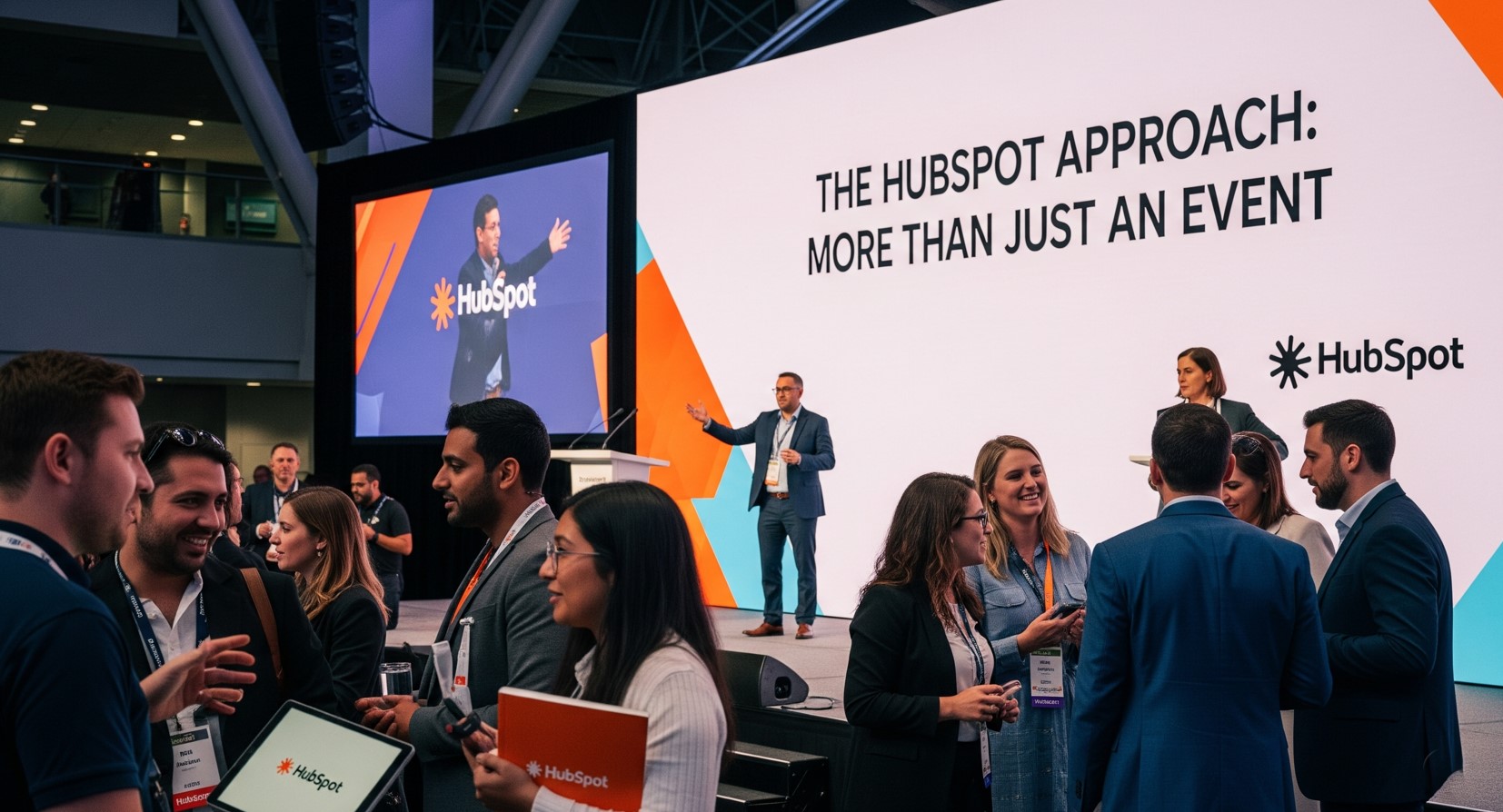
HubSpot’s flagship event, INBOUND, is the cornerstone of its event marketing strategy. What started in 2012 as a gathering for HubSpot users has blossomed into one of the most anticipated marketing events in the world, attracting tens of thousands of attendees annually. Learn more about how HubSpot redefined event marketing.
The secret to INBOUND’s success lies in HubSpot’s philosophy: treat the event not as a one-off marketing tactic, but as a multi-faceted brand experience. It’s a platform for education, inspiration, and connection. This approach is built on three core pillars.
Building Unshakeable Hype
HubSpot’s event promotion doesn’t start a few weeks before the event—it’s a year-round strategy. From the moment one INBOUND event ends, HubSpot begins fueling anticipation for the next one by sharing highlights, keynote moments, attendee stories, and insights from previous sessions. This consistent flow of content keeps INBOUND top-of-mind and reinforces its value as a must-attend industry experience. Check our social media event marketing guide for strategies to boost anticipation.
Early and Often Promotion
As soon as one INBOUND concludes, the marketing for the next one begins. HubSpot immediately offers super early-bird ticket pricing, rewarding loyal attendees and creating a sense of urgency. This initial push is followed by a steady stream of content throughout the year, including:
- Highlight Reels and Session Recordings: They share high-quality videos from the previous year’s event, showcasing the energy and value attendees can expect.
- Speaker Announcements: Rather than revealing the entire lineup at once, HubSpot strategically announces speakers over several months. This creates multiple moments of excitement and news, especially when they land A-list celebrities and industry titans like Barack Obama, Viola Davis, and Reese Witherspoon.
- Content Teasers: Blog posts, social media updates, and email newsletters tease session topics and themes, giving the audience a taste of the valuable insights they’ll gain.
Multi-Channel Marketing Mix
HubSpot uses its own inbound marketing methodology to promote its event. They leverage a diverse mix of channels to reach their audience wherever they are:
- Email Marketing: Segmented email campaigns target different audience personas with personalized messaging, from first-time attendees to seasoned INBOUND veterans.
- Social Media: They create a unique hashtag (e.g., #INBOUND24) and encourage user-generated content. Interactive posts, behind-the-scenes glimpses, and speaker Q&As keep their social channels buzzing.
- Content Marketing: The HubSpot blog becomes a hub for event-related content, offering articles on how to convince your boss to send you, what to pack, and how to make the most of the conference.
- Partner Marketing: HubSpot collaborates with sponsors, speakers, and media partners to amplify their promotional reach.
Creating an Unforgettable Experience
Once attendees arrive, HubSpot shifts its focus from promotion to experience delivery. INBOUND is designed to be more than a traditional conference—it’s an immersive brand environment that educates, energizes, and inspires. Every detail, from session formats to venue layout, is intentionally crafted to keep attendees engaged, comfortable, and excited throughout the event. HubSpot understands that memorable experiences create stronger emotional connections, which in turn deepen brand loyalty long after the event ends.
World-Class Content and Speakers
Content quality sits at the heart of the INBOUND experience. HubSpot curates a diverse and carefully balanced speaker lineup that blends industry authority with fresh perspectives. Attendees hear from marketing and sales leaders, HubSpot executives, data and growth experts, and influential voices from outside the traditional business world, such as authors, athletes, and cultural icons.
This diversity keeps sessions dynamic and engaging while exposing attendees to new ways of thinking. Talks are designed to be practical and actionable, offering real-world strategies that professionals can apply immediately. Whether it’s high-level leadership insights or hands-on tactical guidance, the content consistently delivers value, reinforcing INBOUND’s reputation as a must-attend educational event.
Networking and Community
HubSpot places a strong emphasis on connection, recognizing that relationships are just as valuable as knowledge. INBOUND is structured to encourage meaningful networking at every stage of the attendee journey. In addition to scheduled meetups, workshops, and happy hours, the event space includes open lounges and casual gathering areas that spark spontaneous conversations.
The INBOUND mobile app plays a key role in facilitating these interactions. Attendees can browse profiles, connect with peers, schedule one-on-one meetings, and customize their agendas based on interests. This intentional focus on community transforms INBOUND from a passive listening experience into a collaborative environment where ideas, partnerships, and friendships are formed.
Element of Surprise and Delight
One of INBOUND’s defining characteristics is its vibrant, festival-like atmosphere. HubSpot goes beyond standard conference expectations by incorporating elements designed to surprise and delight attendees. Food trucks, live performances, interactive art installations, and engaging brand activations create moments of fun and discovery throughout the venue.
These unexpected experiences break up the intensity of full-day sessions and make the event feel energetic and human rather than purely corporate. By blending education with entertainment, HubSpot ensures that INBOUND leaves a lasting emotional impression, making attendees more likely to return year after year and advocate for the event within their professional networks.
Extending the Life of the Event
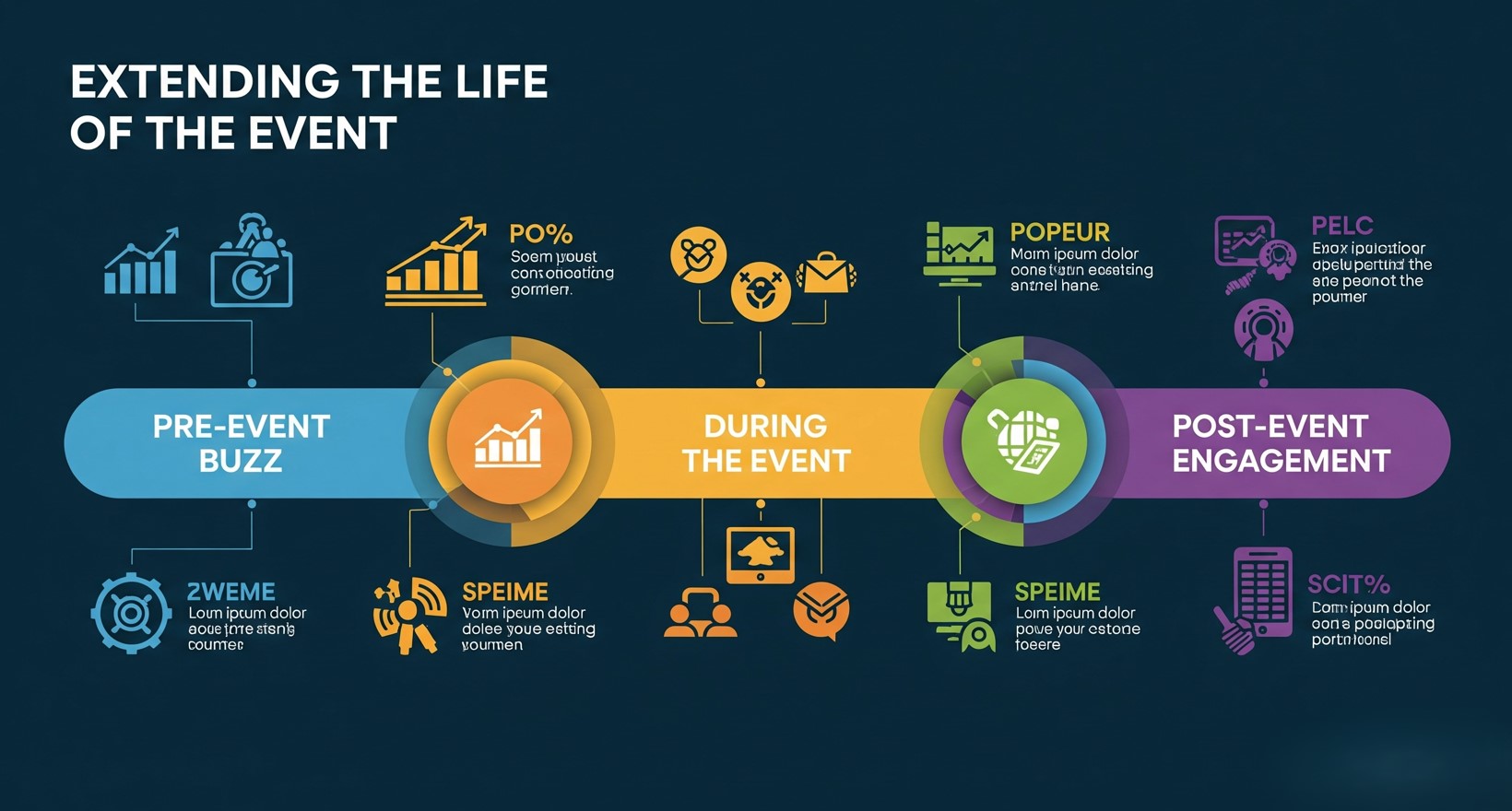
For HubSpot, INBOUND is not a moment in time—it’s a long-term content engine. Once the physical event ends, the real amplification begins. HubSpot strategically extends the value of INBOUND by transforming live sessions, conversations, and insights into evergreen digital assets that continue to educate audiences and fuel demand generation throughout the year. Using digital event marketing insights can help maximize this impact.
Rather than letting valuable ideas fade after the event, HubSpot ensures that the knowledge shared on stage keeps working for the brand, attracting new prospects and nurturing existing leads well beyond the conference dates.
Gated Content and Lead Generation
Recordings of high-performing keynote sessions, workshops, and panel discussions are repurposed into gated content experiences. These videos are offered through dedicated landing pages that require users to submit their contact information, turning event content into a powerful lead generation tool.
HubSpot often bundles session recordings into themed content libraries or learning hubs, such as leadership tracks, growth marketing collections, or sales enablement series. This approach adds structure and long-term value, making the content appealing to professionals who couldn’t attend INBOUND or want to revisit specific topics.
By positioning event content as premium educational material, HubSpot continues capturing qualified leads while reinforcing its authority in marketing, sales, and customer experience—long after the conference lights go out.
Content Repurposing
A single keynote presentation can be transformed into a wealth of marketing assets. HubSpot repurposes event content into:
- Blog Posts: Key takeaways and quotes from sessions are turned into detailed blog articles.
- Social Media Snippets: Short video clips, impactful quotes, and key stats are shared across social platforms.
- Ebooks and Whitepapers: Multiple related sessions can be compiled into a comprehensive guide on a specific topic.
- Webinars: Speakers are often invited back to present their session as a live webinar, reaching a new audience.
This strategy maximizes the ROI of the event, turning a single investment into a year-long content engine.
Proactive Online Monitoring and Listening

Effective reputation management begins with proactive monitoring rather than reactive damage control. Financial services firms must consistently track brand mentions across search engines, review platforms, news sites, forums, and social media channels. Early detection of negative sentiment allows firms to address concerns before they escalate into larger trust issues.
Advanced monitoring tools and alerts help identify spikes in mentions, changes in sentiment, or emerging conversations related to the firm or its leadership. By understanding how and where clients discuss your services, firms can respond strategically, maintain transparency, and demonstrate accountability—qualities that are especially important in regulated industries.
Long-Term Link Building Sustainability
One of the most important advantages of digital PR over traditional link building is sustainability. Unlike outreach that targets a quick win, the links earned through digital PR often remain relevant for years, embedded in high-authority publications with consistent traffic.
Sustainability comes from the combination of storytelling, relevance, and relationships. By continuing to nurture media connections, providing regular expert commentary, and releasing timely and newsworthy content, brands maintain visibility and a steady stream of organic backlinks. This compounding effect is what sets digital PR apart as a long-term SEO strategy rather than a short-term campaign tactic.
Tools and Platforms to Support Digital PR
While the strategy and relationships drive success, technology helps streamline and scale digital PR efforts. Tools like Muck Rack, Prowly, or Cision allow marketers to track journalists, manage outreach, and monitor media coverage efficiently.
Analytics platforms like Ahrefs, SEMrush, or Moz help track earned backlinks, assess domain authority, and measure traffic generated by media coverage. Additionally, data visualization tools like Canva or Tableau make research-driven campaigns more appealing to journalists. Combining these tools ensures campaigns remain organized, trackable, and optimized for maximum impact.
Take Your Event Marketing to the Next Level
HubSpot’s success with INBOUND provides a powerful blueprint for any organization looking to improve its event marketing approach. By building anticipation, delivering exceptional experiences, and maximizing content value, events become powerful drivers of brand loyalty and business growth.
Start by thinking about your event as more than just a date on the calendar. See it as an opportunity to build a community, create valuable content, and forge lasting relationships with your audience. With a strategic approach, your next event could be your most successful marketing initiative yet.
Frequently Asked Questions (FAQ)
How is digital PR different from traditional PR?
Traditional PR often focuses on broad awareness, brand reputation, and general media coverage. Digital PR is more targeted—it combines journalistic storytelling with SEO objectives to earn high-quality backlinks that support both visibility and search engine rankings.
Can small businesses benefit from digital PR?
Absolutely. While large brands often dominate mainstream media, smaller businesses can leverage niche publications, local news outlets, and industry-specific blogs. High-quality, newsworthy campaigns tailored to a smaller audience can still generate impactful backlinks and enhance credibility.
How long does it take to see results from digital PR campaigns?
Unlike traditional link building, which may yield faster but lower-quality links, digital PR results are gradual. Typically, it can take 3–6 months to see measurable SEO impact from earned media coverage, depending on campaign scale, publication authority, and content quality.
What types of content work best for digital PR?
Original research, surveys, infographics, thought leadership pieces, trend analyses, and human interest stories tend to perform exceptionally well. The key is relevance and newsworthiness—content that provides value to journalists and their audiences.
How can we measure the ROI of digital PR?
ROI can be measured through a combination of direct and indirect metrics, including the quality and authority of backlinks, referral traffic, branded search volume, social media mentions, and long-term improvements in domain authority and search rankings.