Digital event marketing uses email, social media, content, and influencers to promote virtual events, boost engagement, and maximize attendance and ROI.
In-person events have their charm, but virtual events offer unparalleled reach, connecting you with a global audience without the geographical constraints. The challenge, however, is cutting through the digital noise to attract and engage attendees. A successful virtual event requires more than just a registration link; it demands a robust digital event marketing strategy.
This guide will walk you through the essential steps to promote your online events effectively. From leveraging social media to harnessing the power of email and content marketing, you’ll learn proven techniques to fill your virtual seats. By the end, you’ll have a clear roadmap to not only attract more attendees but also to create a memorable and impactful online experience that keeps them coming back for more.
What is Digital Event Marketing?
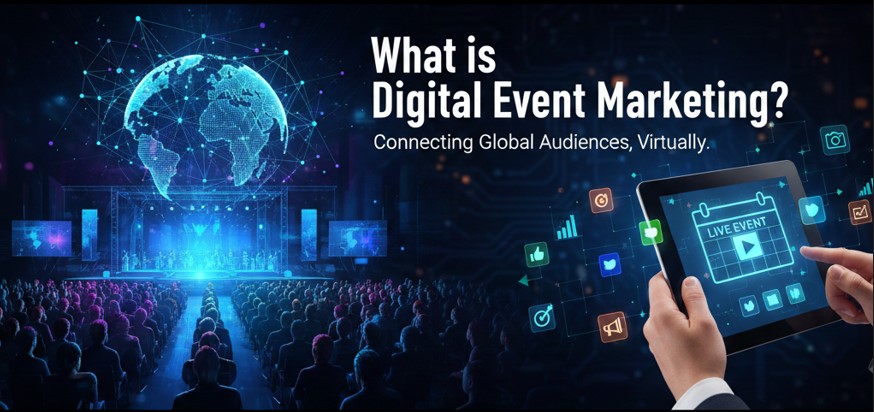
Digital event marketing is the process of promoting a virtual or hybrid event using online channels. Unlike traditional marketing, which might rely on print ads or physical mailers, this approach is entirely internet-based. The goal is to build awareness, drive registrations, and foster engagement before, during, and after the event.
It encompasses a wide range of tactics, including social media campaigns, email marketing, content creation, paid advertising, and partnerships with influencers. A successful digital event marketing strategy integrates these elements into a cohesive plan that guides your target audience from initial awareness to post-event advocacy. By mastering these techniques, you can ensure your event reaches the right people and achieves its objectives, whether that’s lead generation, brand building, or community engagement. Consider checking our social media event marketing guide for platform-specific strategies.
Building Your Digital Event Marketing Strategy
A strong strategy is the foundation of a successful event. Without a clear plan, your marketing efforts can feel disjointed and ineffective. Let’s break down the core components of a winning strategy.
Define Your Event Goals and KPIs
Before you create a single piece of promotional material, you need to know what you want to achieve. Your goals will shape every decision you make. Are you aiming to generate new leads, educate your existing customers, build brand awareness, or launch a new product?
Once you have your primary goals, establish Key Performance Indicators (KPIs) to measure your success. These should be specific, measurable, and relevant to your objectives.
Common event KPIs include:
- Registration Numbers: The total number of people who sign up.
- Attendance Rate: The percentage of registrants who actually attend the live event.
- Engagement Metrics: This can include chat participation, poll responses, Q&A submissions, and session duration.
- Leads Generated: The number of new sales-qualified leads acquired through the event.
- Social Media Mentions: The volume of posts and conversations about your event using your official hashtag.
- Conversion Rate: The percentage of attendees who take a desired action, such as signing up for a trial or scheduling a demo.
Setting clear goals and KPIs from the start provides a benchmark for success and allows you to analyze your performance and optimize future events. For modern digital strategies, see mastering digital PR: your complete guide to online success.
Identify Your Target Audience
You can’t market to everyone. To make your promotional efforts effective, you need a deep understanding of who your ideal attendee is. Create detailed audience personas that go beyond basic demographics.
The more you know about your audience, the better you can tailor your messaging, choose the right marketing channels, and create event content that truly resonates with them. For advanced B2B targeting tips, see our b2b event marketing strategies guide.
Consider the following questions:
- What are their job titles and industries?
- What are their biggest professional challenges or pain points?
- What kind of content do they consume and on which platforms?
- What motivates them to attend a virtual event? Are they looking for networking opportunities, educational content, or industry insights?
- What time zones are they in? This is crucial for scheduling.
The more you know about your audience, the better you can tailor your messaging, choose the right marketing channels, and create event content that truly resonates with them.
Craft Compelling Event Messaging
Your event’s value proposition should be crystal clear. Why should someone spend their valuable time attending your event? Your messaging needs to answer this question concisely and persuasively.
Focus on the benefits, not just the features. Instead of saying “We have expert speakers,” say “Learn actionable strategies from industry leaders to solve [specific problem].”
Your core message should be consistent across all marketing materials, from your event landing page to your social media posts. It should highlight what makes your event unique and what attendees will gain from participating. Use action-oriented language that creates a sense of urgency and excitement.
Pre-Event Promotion: Building Buzz
With your strategy in place, it’s time to start promoting. The pre-event phase is all about building awareness and driving registrations. A multi-channel approach is most effective.
Create a High-Converting Event Landing Page
Your landing page is the digital front door to your event. It needs to be professional, informative, and optimized for conversions (registrations).
Essential elements of an event landing page include:
- A Catchy Headline: Grab attention immediately with a headline that communicates the event’s main benefit.
- Key Details: Clearly display the event title, date, time (including time zones), and duration.
- Compelling Copy: Explain what the event is about, who it’s for, and why people should attend. Use bullet points to highlight key takeaways.
- Speaker Bios: Introduce your speakers with professional headshots and brief biographies that establish their credibility.
- A Clear Agenda: Break down the event schedule so attendees know what to expect.
- A Simple Registration Form: Only ask for essential information to reduce friction. Name and email are often enough.
- A Strong Call-to-Action (CTA): Use a prominent button with clear text like “Register Now” or “Save My Spot.”
Leverage Email Marketing
Email remains one of the most powerful tools for event promotion. Use it to nurture your existing audience and guide them toward registration. Our guide to event email marketing software provides recommended tools and strategies.
Create an email sequence that builds anticipation:
- Initial Announcement: Announce the event to your subscriber list with a “save the date” message.
- Official Invitation: Send a formal invitation with all the key details and a link to the registration page.
- Speaker Spotlights: Highlight your speakers and their session topics in dedicated emails.
- Agenda Reveal: Share the full event schedule to show the value packed into the day.
- Urgency Emails: As the event approaches, send reminders about “last chance to register” or “limited spots available.”
Don’t forget to send a confirmation email immediately after someone registers, followed by reminder emails leading up to the event day.
Harness the Power of Social Media

Social media is perfect for creating buzz and reaching new audiences. Tailor your content for each platform.
- LinkedIn: Ideal for B2B events. Share professional content, post about your speakers, and encourage your team to share the event with their networks.
- X (formerly Twitter): Use a unique event hashtag to track conversations. Post bite-sized updates, countdowns, and behind-the-scenes content.
- Instagram: Leverage visuals. Create eye-catching graphics, short video teasers, and use Instagram Stories with countdown stickers.
- Facebook: Create a Facebook Event page to consolidate information and make it easy for people to share. Use targeted ads to reach specific demographics.
Encourage your speakers, sponsors, and employees to act as brand ambassadors by sharing promotional content on their own social media profiles.
Content Marketing to Drive Registrations
Content marketing helps establish your authority and provides value to potential attendees even before the event starts. Create content related to your event’s theme. For creative ideas, see our event marketing ideas that actually work.
Create content related to your event’s theme:
- Blog Posts: Write articles that touch on topics that will be discussed during the event. Include a CTA to register at the end of each post.
- Guest Posts: Invite speakers to write guest posts for your blog, or write posts for other relevant industry blogs to tap into their audience.
- Video Content: Create short video interviews with your speakers, offering a sneak peek of their sessions.
This content not only promotes your event but also helps with SEO, making it easier for people to discover your event through organic search.
During the Event: Maximize Engagement
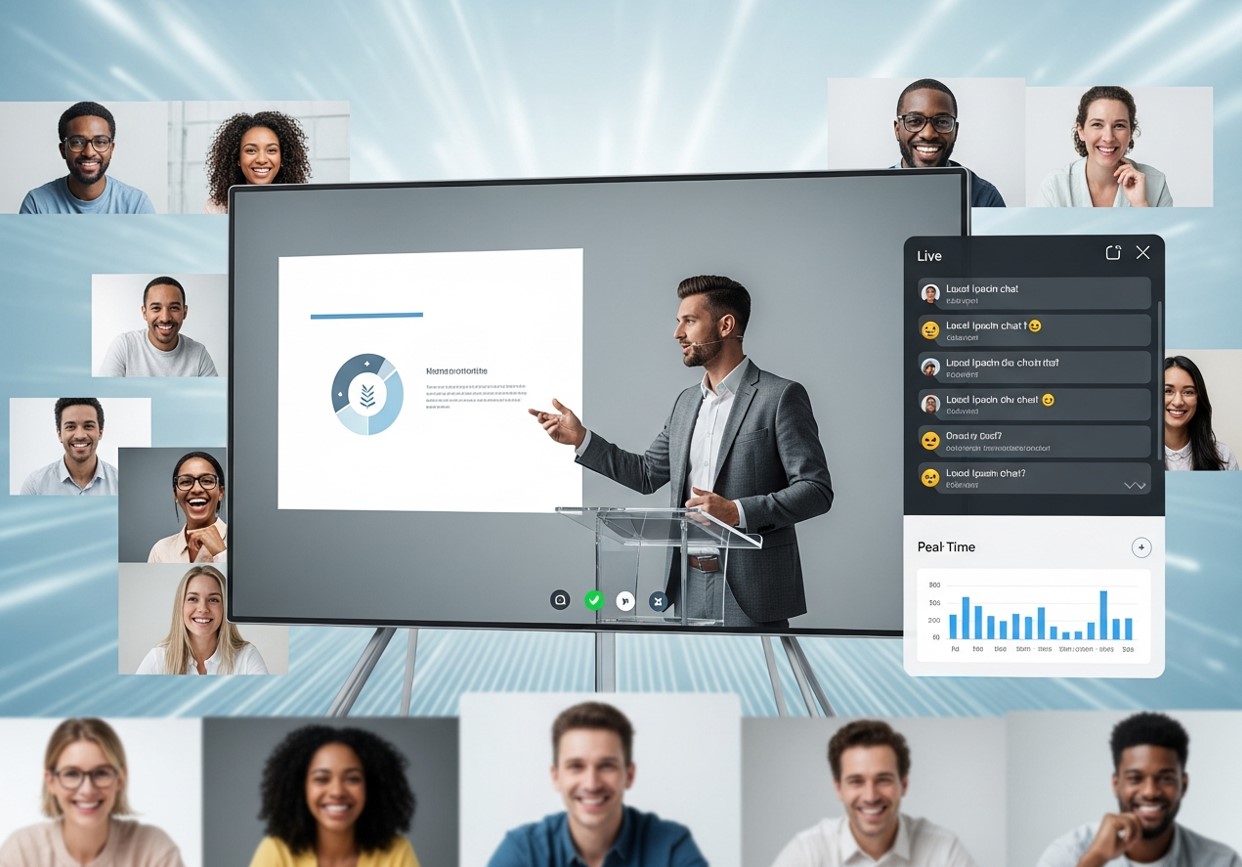
Your marketing efforts shouldn’t stop once the event begins. Engaging attendees during the event is crucial for creating a positive experience.
- Live Social Media Updates: Post live updates, key quotes, and screenshots from the event on your social media channels using the event hashtag.
- Encourage User-Generated Content: Motivate attendees to share their own experiences and takeaways on social media. You could even run a contest for the best post.
- Interactive Elements: Use polls, Q&A sessions, and interactive chat features to keep the audience engaged. Highlight interesting questions and comments.
Post-Event Follow-Up: Nurturing New Leads
The post-event phase is your opportunity to build on the momentum you’ve created.
- Send a Thank-You Email: Thank everyone for attending and provide a link to the event recordings.
- Gather Feedback: Send a survey to collect feedback on the event. This information is invaluable for improving future events.
- Share On-Demand Content: Repurpose your event content. Share session recordings, slide decks, and key takeaways on your blog and social media.
- Nurture Leads: Segment your attendee list based on their engagement and interests. Send targeted follow-up content and offers to nurture them through your sales funnel.
Leveraging Influencer and Partner Marketing to Boost Registrations
One of the most effective ways to extend your event’s reach is by collaborating with industry influencers and strategic partners. Influencers already have a loyal following that trusts their recommendations. By having them promote your event, you can tap into a pre-qualified audience that is likely to engage. This can include guest appearances during the event, joint webinars, or social media shoutouts.
Strategic partners, such as industry associations or complementary businesses, can also help amplify your message. Co-marketing campaigns allow you to pool resources, share audiences, and increase credibility. For instance, if you’re hosting a B2B technology webinar, partnering with a popular tech blog or professional organization can lend authority to your event while ensuring the promotion reaches an audience already interested in your niche.
When working with influencers and partners, it’s essential to define mutual goals, clearly communicate expectations, and provide creative assets to make promotion seamless. Regular updates and communication ensure alignment and increase the likelihood of a successful campaign.
Optimizing Your Event for Search and Discovery
While social media and email campaigns are excellent for direct promotion, organic search is a powerful tool for attracting attendees who are actively looking for relevant content. Optimizing your event landing page and related content for SEO can increase discoverability.
Use keyword research to identify terms your target audience is searching for. Include these keywords naturally in your event title, description, meta tags, and blog posts. For example, if your event is about digital marketing trends, ensure phrases like “digital marketing webinar,” “online marketing strategies,” and “virtual marketing events” appear strategically.
Additionally, backlinks from reputable sites—such as guest blog posts or partner websites—can boost your page authority and improve search rankings. Event pages that are well-optimized for search engines attract attendees who may not have found your event through other marketing channels, ultimately broadening your audience.
Gamification and Incentives to Drive Participation
Engagement often depends on motivation. Gamification—integrating game-like elements into your event—can dramatically increase participation. This could include leaderboards for interactive polls, quizzes during sessions, or awarding points for engagement actions like asking questions or sharing content on social media.
Incentives can also drive behavior. Offer exclusive resources, discounts, or access to premium content for attendees who register early or actively participate during the event. Not only do gamification and incentives boost engagement, but they also encourage attendees to stay through the entire session, interact more deeply with the content, and share their experience with others.
Using Analytics to Refine Your Digital Event Strategy
The most successful digital event marketers are also data-driven. Tracking attendee behavior before, during, and after the event provides valuable insights for future campaigns.
Before the event, monitor registration trends and referral sources to understand which marketing channels are most effective. During the event, engagement metrics—such as time spent in sessions, participation in polls, or chat activity—can indicate which topics resonate most with your audience. Post-event, analyze lead conversion rates, session attendance rates, and survey responses to evaluate the event’s overall success.
This feedback loop allows you to continuously optimize your strategy, tailor content for specific audience segments, and refine messaging for better performance in future events. Integrating these analytics with your CRM and marketing automation platforms can also streamline follow-up communications and nurture new leads more effectively.
Ensuring Accessibility and Inclusivity
A truly successful digital event doesn’t just attract attendees; it ensures everyone can participate comfortably. Accessibility and inclusivity are crucial considerations. Provide closed captions, transcripts, and screen-reader-compatible materials for attendees with different needs. Consider diverse representation in speaker selection, session topics, and content examples to resonate with a broader audience.
Making your event inclusive not only improves attendee experience but also strengthens your brand reputation. Attendees are more likely to engage with an event they feel is welcoming and considerate, and inclusive practices may also expand your reach to audiences that competitors might overlook.
Maximizing Post-Event Engagement Through Content Repurposing
The value of your event extends far beyond the live session. Repurposing event content allows you to maximize ROI and continue engaging your audience long after the event concludes.
Record sessions and create on-demand webinars or highlight reels. Transform key takeaways into blog posts, infographics, or short videos that can be shared across social media. Repurposed content can also nurture leads who couldn’t attend live, attract new prospects, and support broader marketing campaigns.
For B2B events, you can even segment post-event content based on attendee engagement or interests. Tailoring content in this way helps maintain a personalized connection with your audience, which is especially effective in data-driven marketing strategies where personalization drives conversions.
Take Your Event to the Next Level
Digital event marketing is a dynamic and multifaceted discipline. By implementing a thoughtful strategy that covers every stage of the event lifecycle, you can significantly increase your reach and impact. Start by defining your goals, understanding your audience, and crafting a message that resonates. Then, use a multi-channel approach to build buzz, drive registrations, and keep your audience engaged.
With the right plan, you can turn any virtual event into a must-attend experience that delivers real results for your business.
Frequently Asked Questions (FAQ)
How far in advance should I start promoting a virtual event?
Ideally, begin 6–8 weeks before the event. This allows time for multiple marketing campaigns, influencer and partner outreach, and generating organic buzz. Smaller follow-up campaigns can continue closer to the event date.
What’s the best way to track virtual event ROI?
Measure key metrics like registration numbers, attendance rates, engagement levels, lead quality, and post-event conversions. Integrating your event platform with your CRM ensures accurate tracking and reporting.
How can I encourage attendees to participate actively during the event?
Use interactive tools like live polls, Q&A sessions, and chat discussions. Gamification, incentives, and live social media updates also encourage active participation and sharing.
Should I focus on one marketing channel or multiple channels for promotion?
Multi-channel promotion is recommended. Email, social media, content marketing, partnerships, and paid ads work best when combined strategically to reach different segments of your target audience.
How can I make my event accessible to a global audience?
Consider time zones when scheduling, provide recorded sessions, include captions and transcripts, and ensure your platform is compatible with screen readers. Inclusive content and diverse representation also help broaden appeal.
What’s the ideal length for virtual event sessions?
Most attendees engage best in sessions lasting 30–60 minutes. For longer events, include breaks and interactive segments to maintain attention and participation.
How can I use post-event content to attract new leads?
Share recordings, blogs, infographics, and social snippets to capture attention from audiences who didn’t attend. Promote on social media, your website, and via email campaigns to nurture new prospects.