How to Plan and Promote Successful Brand Event Marketing Campaigns
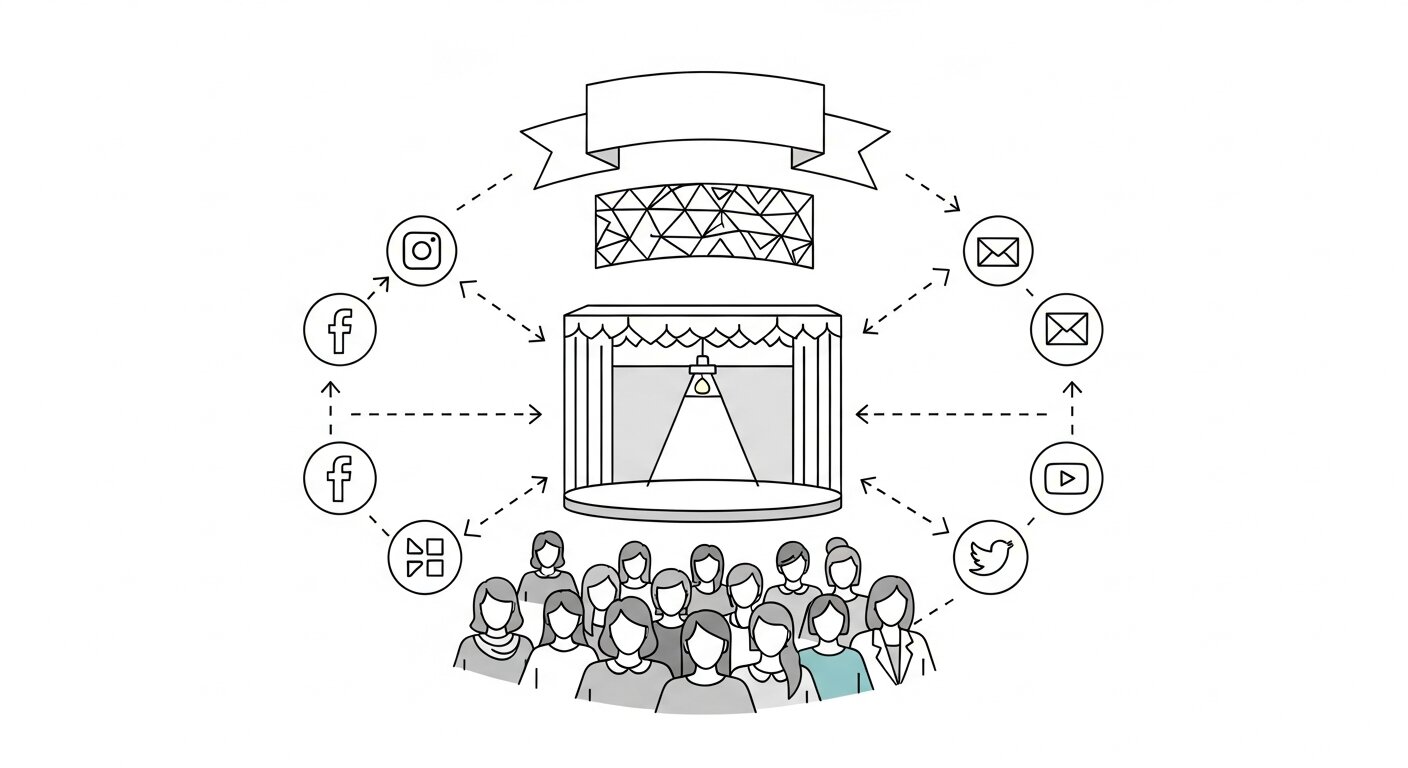
Event marketing is a powerhouse tactic for brands striving to captivate audiences, generate leads, and cement themselves as an authority. Social media, email campaigns, and paid ads – all are important to your bigger picture strategy – but events are your unique opportunity to create face-to-face relationships and let your brand take centre stage in a memorable, impactful way.
Whether you’re getting ready for a keynote speaking engagement, holding a major product launch event or putting together a brand activation as part of local event marketing, this way-too-long blog post is here to guide you on how you can use brand event marketing to make an impact that lasts longer than corn field crop circles (and drives measured, quantitative business results).
What is Brand Event Marketing?
Examples of Brand Event Marketing:
- Product Launch Events — Ideal for releasing new products and bonding with customers.
- Experiential Events – Build experiences that immerse in the senses of your brand.
- Pop-Up Shops – Temporary retail experiences designed to create hype and exclusivity.
- Community Events – Brand Activation and Gifting for when you want to give back to your audience in a way that has purpose.
There is something special about every type of event that will offer you the chance to not only build up your brand, but also build new relationships as well as cementing your place in your industry.
Why Event Marketing is Important for Your Brand
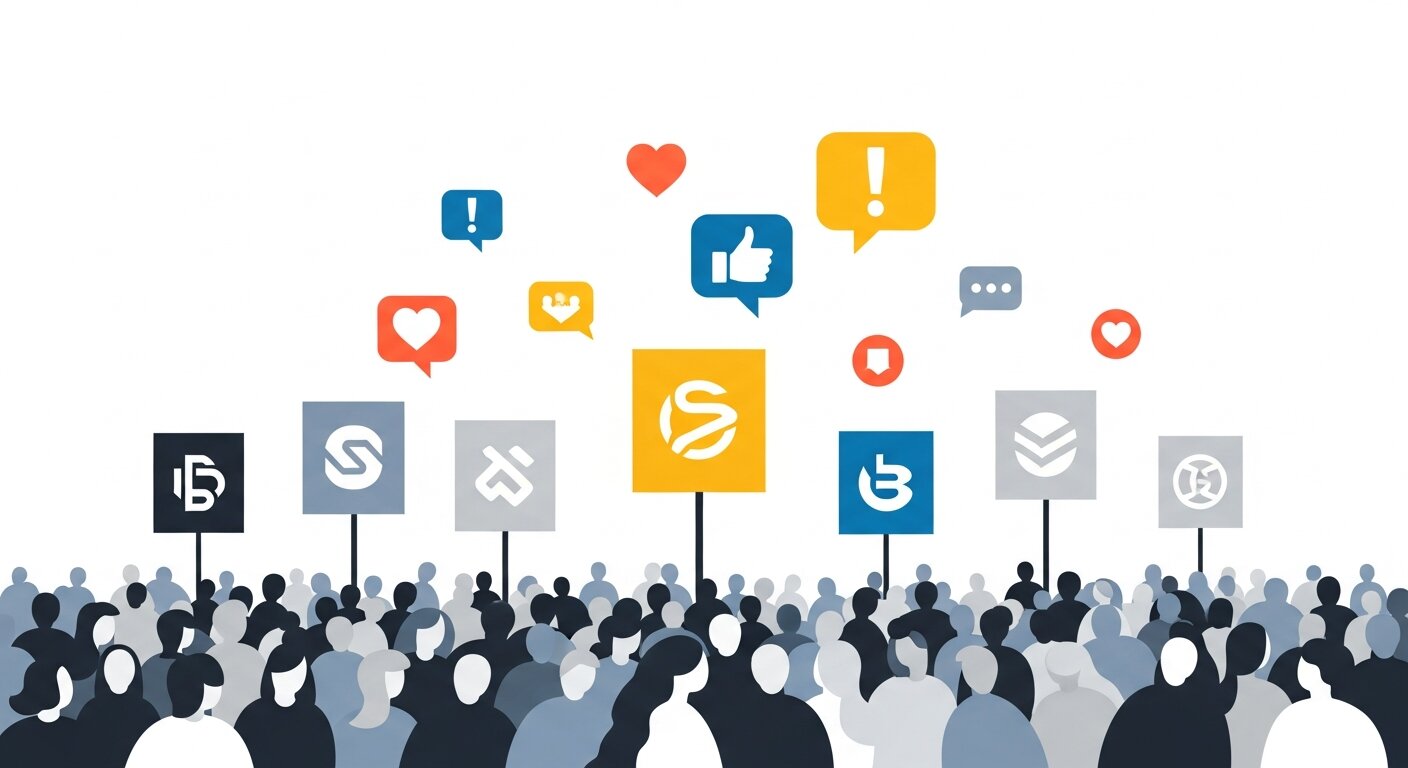
However brand event marketing isn’t just a fun day out for your audience – if you follow these pro tips it could be a key driver of ROI. Here’s why you should consider events in your strategy:
Get Personal with Your Audience
Example:
Picture debuting a new coffee with an interactive tasting. Guests sample your mix, walk away with swag and are more likely to be invested in your brand long-term.
Drive Brand Awareness
Whether through tailored event swag, social buzz, or media mentions, events create huge opportunities to extend brand reach. Shareable experiences, like a trade show booth or an Instagram-worthy pop-up, live on long after the event ends. Brands can amplify these moments with SMM and digital marketing strategies to maintain momentum.
High-Quality Lead Generation
Events bring people who are already convinced that your niche interests them, which makes you have a lead mine. Have QR codes, email forms and the ability to sign up people for additional communication available to those attending.
Pro Tip:
Keep some follow-up emails in your back pocket at all times. “Thanks for coming” A brief message saying “Thanks for coming” shows you appreciate their engagement with your content.
You Need to Establish Your Authority on a Subject
Your brand will suddenly have authority simply by throwing events like this – seminars, panels, or workshops. You can’t help but build trust and position yourself as a thought leader in your space by directly sharing insights.
Collect Feedback and Insights
Live events are an opportunity to get in front of your audience and engage directly with them. Ask questions, see how they react, and you can glean some really interesting stuff that may influence your future product or service.
Key Tactics for Successful Brand Event Marketing
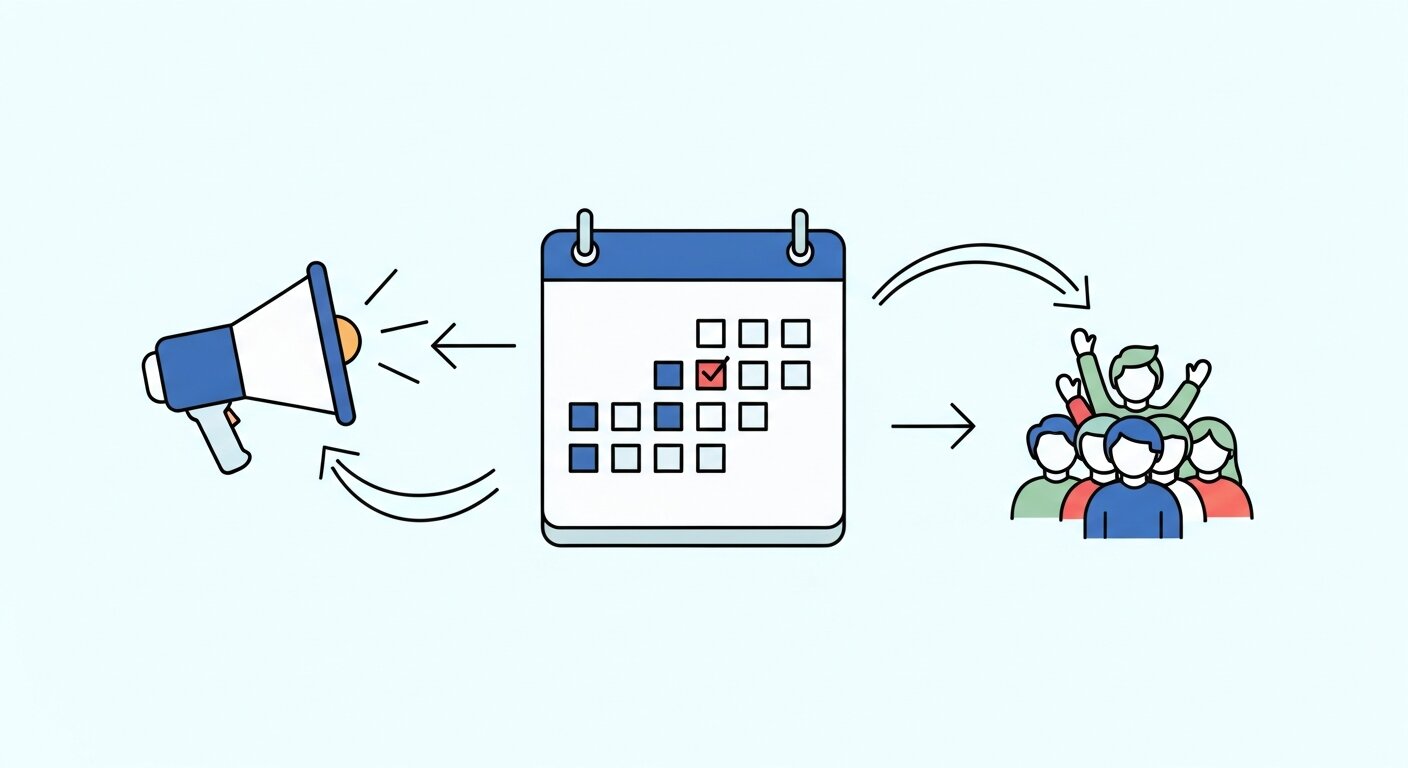
The opportunity that event marketing offers is huge but much planning and effort is required to make it a success. Abide by these fundamental guidelines to ensure your events are a slam dunk for your brand.
Set Clear Event Goals
What is your purpose for the event? Thing is, are you looking to increase your brand’s awareness, get new customers or keep your existing customers coming back? It will help your team stay aligned and guide everything — the event type to promotion — that you roll out.
Choose the Right Event Format
Your event style must match your objectives and your ideal audience. For example:
- Need some viral impressions? To some, the solution is a one-off, Instagrammable pop-up shop.
- Gunning for the trade? You might even want to put on a seminar or sponsor a grassroot level conference.
- Launching a product? Organize an invite-only VIP launch party.
Design Memorable Experiences
Memories remembered how your event felt. Make an impression, focus on engaging with:
- Interactive components such as live demos or workshops.
- Great, immersive storytelling about your brand’s mission and values.
- Personal touches, whether that means personalized gifts or sincere thank-you notes.
Leverage Technology
Virtual and hybrid events offer greater accessibility and scalability, and we have seen a growing interest in both. Leverage platforms that offer built-in networking functionality, live chat, and analytics to engage with and measure success.
Promote Relentlessly
The success of your event begins well before the big day. Generate hype with a multichannel promo campaign:
- Email Campaigns – Let’s not let your attendance numbers fall by the wayside, blast your RSVP reminders!
- Buzz on Social Media – Leverage countdowns, previews and event hashtags.
- Influencer Relationships – Work with influencers or industry experts to increase reach.
Get Leads and Network After Your Event
The impact of a brand event doesn’t end when the last guest leaves—it extends into the follow-up phase, which is crucial for converting attendees into leads and long-term advocates. Start by sending personalized thank-you emails that express genuine appreciation for their participation and engagement. Include exclusive content, such as recorded sessions, event highlights, or behind-the-scenes materials, to keep the experience fresh and valuable. You can also engage attendees with surveys, polls, or interactive feedback forms to understand their preferences, gather insights, and show that their opinions matter. This post-event engagement not only nurtures leads but also strengthens your brand’s relationship with attendees, encourages repeat participation, and helps maintain momentum for future events. By treating follow-up as an integral part of your event strategy, you maximize ROI and ensure your brand stays top-of-mind long after the event concludes.
Real-World Example
Success Story:
A tech brand ran an exclusive, invite-only event for journalists, influencers, and top customers to preview a new product. Attendees amplified the experience on social media, generating almost 10x the expected impressions, pre-order spikes, and massive media coverage. Check out our event marketing success stories for similar case studies. Their deliberate strategy resulted in trade and consumer media coverage, a pre-order spike and huge social buzz.
Top Event Marketing Challenges & How to Solve Them
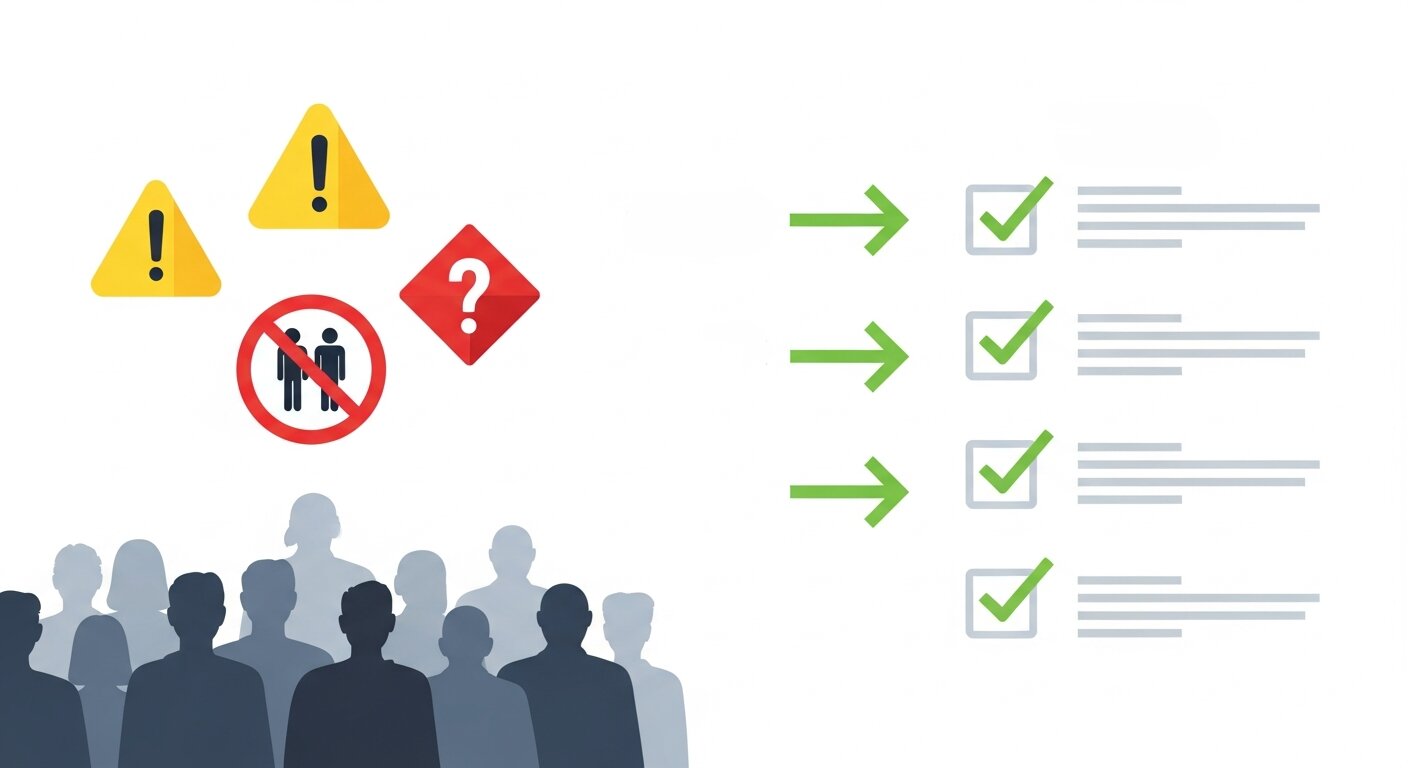
Budget Constraints
It can add up to pull off an event. To manage costs:
- Work with sponsors to defray costs.
- Choose virtual over in-person when physical events strain resources.
Difficult Turnouts
Observing with low turnout can be frustrating. Combat this by:
- Selecting dates that do not have big competitors’ competition.
- Providing early bird rewards for people to rsvp.
Measuring ROI
Measuring the success of an event is difficult. Start with measurable KPIs, which can correlate to leads generated, website traffic or social media mentions. Use your tracking features of your paid promotions to monitor these metrics out-of-the-box after your event.
Boost your Event Promotion with Confidence
Frequently Asked Questions (FAQ)
What is Brand Event Marketing and why is it important?
Brand Event Marketing is the practice of promoting a brand, product, or service through live, in-person, or hybrid events. It is important because it allows brands to create immersive experiences, emotionally connect with audiences, and generate high-quality leads that traditional digital campaigns may not achieve.
How can small businesses use Brand Event Marketing effectively?
Even small businesses can leverage Brand Event Marketing through local activations, pop-up shops, or community events. Focus on personalized experiences, collaborations with local influencers, and measurable follow-ups to ensure ROI without overspending.
What metrics should I track in Brand Event Marketing campaigns?
Key metrics include attendance rates, leads generated, social media engagement, attendee satisfaction, post-event feedback, and overall ROI. Combining these data points gives a holistic view of your event’s impact.
Can Brand Event Marketing work for online-only brands?
Yes. Virtual and hybrid Brand Event Marketing campaigns allow online brands to connect with global audiences, conduct live demonstrations, and generate interactive engagement without physical presence.
How does Brand Event Marketing integrate with other marketing strategies?
Brand Event Marketing complements email campaigns, social media, influencer partnerships, and content marketing. Pre-event promotions and post-event follow-ups tie into the broader strategy, maximizing reach, engagement, and conversion.
What are the most common challenges in Brand Event Marketing?
Budget constraints, low attendance, and difficulty measuring ROI are common challenges. Solutions include sponsorship partnerships, early-bird registration incentives, leveraging technology for engagement, and clear KPI tracking.
How can I ensure my Brand Event Marketing creates lasting impact?
Focus on memorable experiences, interactive content, thoughtful attendee engagement, and post-event follow-ups. Collect insights to refine future campaigns and ensure that each event strengthens your brand reputation and customer loyalty.
How can social media amplify Brand Event Marketing campaigns?
Social media is a powerful tool for Brand Event Marketing. Platforms like Instagram, LinkedIn, and Twitter allow you to create pre-event hype, share live updates, and encourage attendees to post their experiences. This amplifies reach, increases engagement, and helps turn your event into a shareable experience that attracts future audiences.
What role does personalization play in Brand Event Marketing?
Personalization is key to successful Brand Event Marketing. Tailoring experiences, gifts, or communications to individual attendees makes them feel valued and increases engagement. Personalized touches, such as customized swag or targeted follow-up messages, strengthen brand loyalty and leave a lasting impression.
Can Brand Event Marketing be used to support product launches?
Yes! Brand Event Marketing is especially effective for product launches. Hosting interactive events, demos, or VIP preview sessions allows potential customers and media to experience the product first-hand. This not only generates excitement but also creates authentic word-of-mouth and social media buzz.
How do I measure ROI in Brand Event Marketing effectively?
Measuring ROI in Brand Event Marketing involves both quantitative and qualitative metrics. Track registrations, attendance, leads generated, social media engagement, and post-event surveys. Combining these insights provides a full picture of your event’s success and helps optimize future campaigns.