Introduction
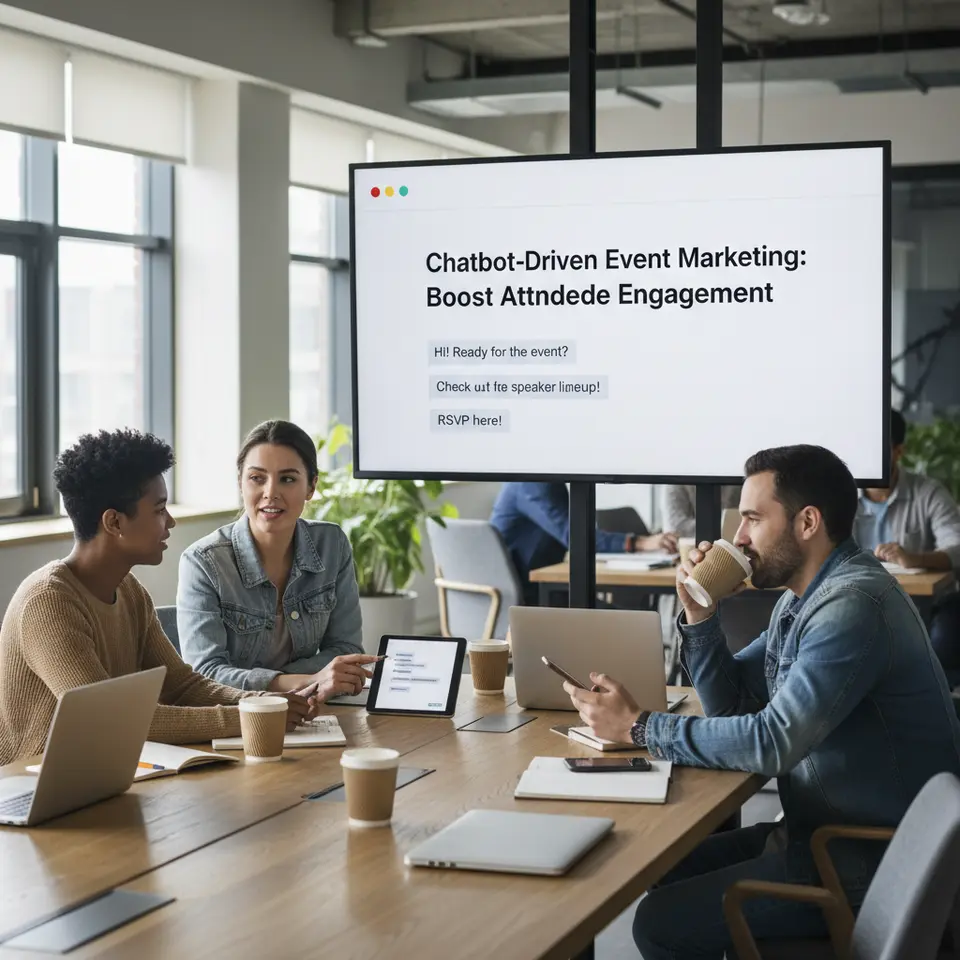
In today’s digital landscape, event professionals are exploring fresh ways to foster meaningful connections with attendees before, during, and after live experiences. One powerful solution that has gained traction this year (2026) is chatbot-driven event marketing. By leveraging artificial intelligence, chatbots enable personalized, real-time engagement at any hour, offering scalable support without taxing in-house resources. With chatbots handling routine inquiries, guiding registration steps, and delivering tailored recommendations, event organizers can elevate satisfaction, drive attendance, and gather valuable insights.
As competition intensifies, integrating a chatbot into your event strategy can provide a significant edge. From automating ticket sales to sending last-minute schedule updates, chatbots ensure attendees feel informed and supported around the clock. This guide will walk you through the fundamentals of chatbot-driven event marketing, outline key benefits, share actionable implementation strategies, demonstrate design best practices, and reveal how to measure impact. Whether you’re hosting a small workshop or a large-scale conference, adopting chatbots today can streamline operations, enrich attendee journeys, and maximize return on investment.
Understanding AI-Powered Chatbots for Events

At its core, chatbot-driven event marketing relies on conversational agents that simulate human interaction through text or voice. These AI-powered chatbots can be embedded in event websites, mobile applications, or messaging platforms such as WhatsApp and Facebook Messenger. By automating routine tasks—like answering frequently asked questions, processing registration steps, and recommending relevant sessions—chatbots free up event teams to focus on strategic initiatives.
Modern chatbots utilize natural language processing (NLP) to interpret user intent and respond in a contextually appropriate manner. This capability allows attendees to query sessions by topic, locate exhibitors on venue maps, and even receive speaker bios instantly. According to the Pew Research Center, conversational AI adoption is accelerating, with more organizations relying on chatbots to deliver seamless service and data-driven personalization.
Implementing chatbot-driven event marketing begins with identifying core use cases aligned to your objectives. Common applications include:
- Registration assistance and payment guidance
- Agenda exploration and personalized session suggestions
- On-demand speaker Q&A and networking facilitation
- Real-time push notifications for venue changes or emergency alerts
By mapping out these scenarios, organizers ensure that chatbots complement human teams and maintain consistent, on-brand interactions throughout the attendee lifecycle.
Key Benefits of Chatbot-Driven Event Marketing
When designed and deployed effectively, chatbots deliver a range of advantages that drive engagement, efficiency, and revenue. Below, we explore the top benefits you can harness with chatbot-driven event marketing.
24/7 Availability
With chatbots, attendees receive immediate responses no matter the hour. This nonstop support reduces the volume of support tickets and ensures that last-minute questions—like ticket refund policies or session locations—are answered promptly, boosting overall satisfaction.
Personalized Attendee Journeys
Leveraging data collected during registration, chatbots can tailor their conversation flows. For example, VIP participants might receive exclusive previews of keynote sessions, while first-time visitors can get onboarding tips. This level of customization encourages deeper engagement and repeat attendance.
Streamlined Registration and Upselling
Automation simplifies ticket purchases by guiding users through each step and handling transactions securely. Chatbots can also identify opportunities to upsell premium services—such as VIP lounges or workshop passes—based on attendee profiles and past behaviors.
Instant Updates and Alerts
Whether a room change occurs or a keynote speaker is delayed, chatbots push real-time notifications directly to attendee devices. This proactive communication minimizes confusion on-site and fosters a smooth, memorable experience.
Actionable Data Collection
During conversations, chatbots can present quick polls, gather session feedback, and capture lead information. This conversational data enriches your CRM, enabling targeted follow-up campaigns and performance analysis.
Strategic Implementation of Event Chatbots
Deploying chatbot-driven event marketing requires a clear strategy, cross-functional collaboration, and the right technology partner. Follow these steps to ensure a successful rollout:
1. Define Core Objectives
Start by identifying your primary goals: Are you aiming to boost registrations, improve on-site support, or capture new leads? Clarifying objectives guides your chatbot’s scope and conversation design.
2. Select an Integrable Platform
Choose a chatbot provider that easily connects with your event management software, CRM, and communication channels. Platforms with drag-and-drop flow builders and open APIs simplify integration and enable rapid adjustments.
3. Design Conversation Flows
Collaborate with marketing, sales, and IT teams to develop user-friendly scripts. Map out decision trees that anticipate common queries and specify escalation triggers for handing off complex issues to human agents.
4. Incorporate Multimedia Elements
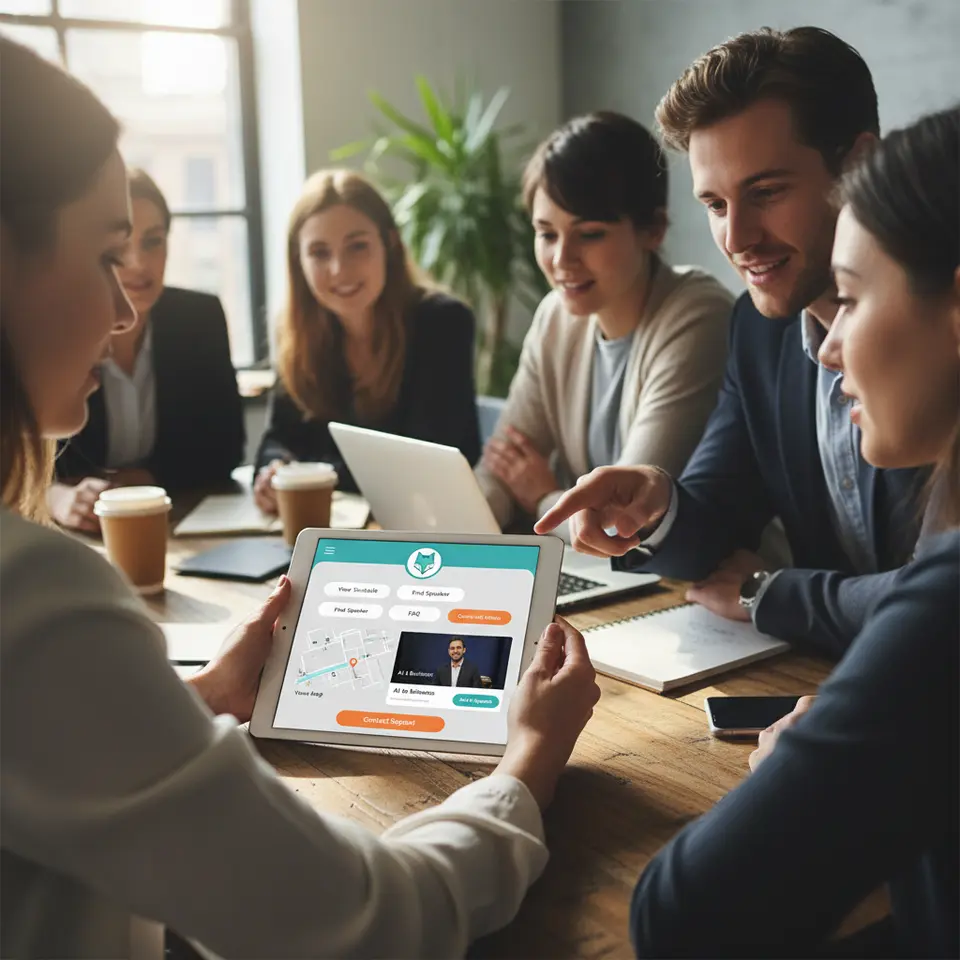
Enhance the experience by embedding images, GIFs, PDFs, and venue maps within the chat interface. Visual aids reinforce information and keep attendees engaged.
5. Test Before Launch
Conduct thorough testing with a diverse group of internal users. Use feedback to refine language, identify drop-off points, and ensure reliable performance under peak loads.
For deeper insights into chatbot best practices, refer to case studies and research published by sources like Harvard Business Review, which highlight how conversational AI drives customer engagement and operational efficiency.
Designing an Engaging Chatbot Experience
Crafting a memorable chatbot persona and intuitive interface is essential for driving adoption and satisfaction. Consider the following design principles for chatbot-driven event marketing:
On-Brand Personality
Define a tone and style that align with your event’s brand identity. Whether it’s professional, playful, or energetic, the chatbot’s language should reinforce your overall messaging and create a cohesive experience.
Concise Messaging
Avoid long, rambling text. Break responses into bite-sized snippets and use quick-reply buttons to guide users through common paths—such as viewing the schedule or locating a keynote hall.
Contextual Prompts
Offer suggested follow-up questions based on attendee actions. For instance, after confirming registration, the bot can prompt: “Would you like to add workshop sessions to your agenda?” This proactive approach fosters deeper engagement.
Seamless Human Escalation
While automation handles most queries, attendees should always have a clear option to connect with a live agent. Include a “Contact Support” button that routes requests to your on-site team via email or SMS.
Visual Enhancements
Incorporate event logos, session images, or venue floor plans directly into responses. Visual cues help attendees navigate complex information quickly and enhance overall usability.
By prioritizing user-centric design, your chatbot becomes more than an information tool—it transforms into a digital concierge that drives satisfaction and brand loyalty.
Optimizing and Measuring Chatbot Performance
To maximize the impact of chatbot-driven event marketing, continuous optimization and rigorous measurement are critical. Track the following metrics to evaluate success and identify opportunities for improvement:
Conversation Completion Rate
Measure the percentage of conversations that reach a desired endpoint—such as ticket purchase or session addition. A high completion rate indicates that flows are intuitive and valuable to attendees.
Response Time and Resolution Rates
Compare average response latency and resolution rates before and after chatbot deployment. Fast replies reduce frustration and minimize the need for live support.
User Satisfaction Scores
Embed quick post-interaction surveys to collect satisfaction ratings. Analyzing feedback helps refine tone, tweak messaging, and address pain points.
Lead Generation and Conversion
Count qualified leads captured via conversation forms and track how many of those leads convert to ticket sales or sponsorship inquiries. These figures demonstrate direct ROI from chatbot-driven campaigns.
Iteration and Continuous Improvement
Review chatbot logs to spot common drop-off points and frequently asked questions. Use these insights to update conversation trees, introduce new intents, and enhance content ahead of your next event.
Emerging Trends and Future Directions
Looking beyond basic chatbots, industry innovators are exploring voice-enabled assistants, predictive analytics for networking matches, and VR-integrated walkthroughs. Early adopters of these advanced features will shape the future of event engagement, blending digital convenience with immersive experiences.
Frequently Asked Questions
What is chatbot-driven event marketing?
Chatbot-driven event marketing uses AI-powered conversational agents to engage attendees across channels, automate routine tasks, and provide personalized recommendations before, during, and after events.
How can I integrate a chatbot with my event software?
Select a chatbot platform with open APIs and built-in integrations for your event management system, CRM, and messaging apps. Ensure it offers drag-and-drop flow builders for quick adjustments.
What metrics should I track to measure chatbot success?
Key metrics include conversation completion rates, response times, user satisfaction scores, lead generation counts, and conversion rates. Use these insights to iterate and improve performance.
Conclusion
Chatbot-driven event marketing has emerged as a transformative approach for delivering personalized, round-the-clock support while optimizing internal resources. By understanding chatbot capabilities, articulating clear objectives, and prioritizing user-centric design, organizers can unlock significant benefits—ranging from streamlined registration to real-time attendee engagement. This year (2026), integrating conversational AI into your event strategy not only enhances satisfaction but also generates actionable data for post-event campaigns.
As you embark on your chatbot journey, remember to test rigorously, monitor performance metrics, and iterate based on attendee feedback. With best practices in segmentation, proactive outreach, and compliance upheld, chatbot-driven event marketing can become a cornerstone of your experiential strategy. Embrace this technology today to create memorable, data-driven events that resonate with modern audiences and secure a competitive edge.