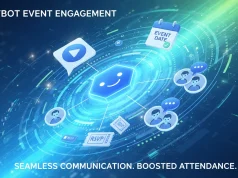
Chatbots for event engagement provide 24/7 support, streamline ticketing, and personalize interactions at scale. By automating routine tasks and delivering real-time data insights, these tools enhance attendee satisfaction. This guide explores strategies, features, and marketing integrations to maximize your event’s success and long-term growth.
Managing attendee expectations requires immediate, accurate communication. Deploying AI-driven virtual assistants transforms how organizers handle queries, ensuring smooth operations and highly personalized user experiences.
The Shift Toward Automated Event Experiences
Organizing a large-scale gathering involves tracking countless moving parts. From coordinating speakers to managing attendee logistics, the workload is immense. Chatbots for event engagement offer a robust solution to these logistical hurdles. By integrating intelligent virtual assistants into your event framework, you create a seamless bridge between your organizing team and your audience.
Attendees expect instant answers. Waiting for an email reply regarding a schedule change or venue location causes frustration. Chatbots for event engagement eliminate this friction. They provide a direct, conversational interface where users can ask questions and receive immediate, accurate responses. This capability not only improves the overall experience but also frees your human staff to focus on high-level strategic tasks rather than answering repetitive queries.
Core Features of High-Performing Event Bots
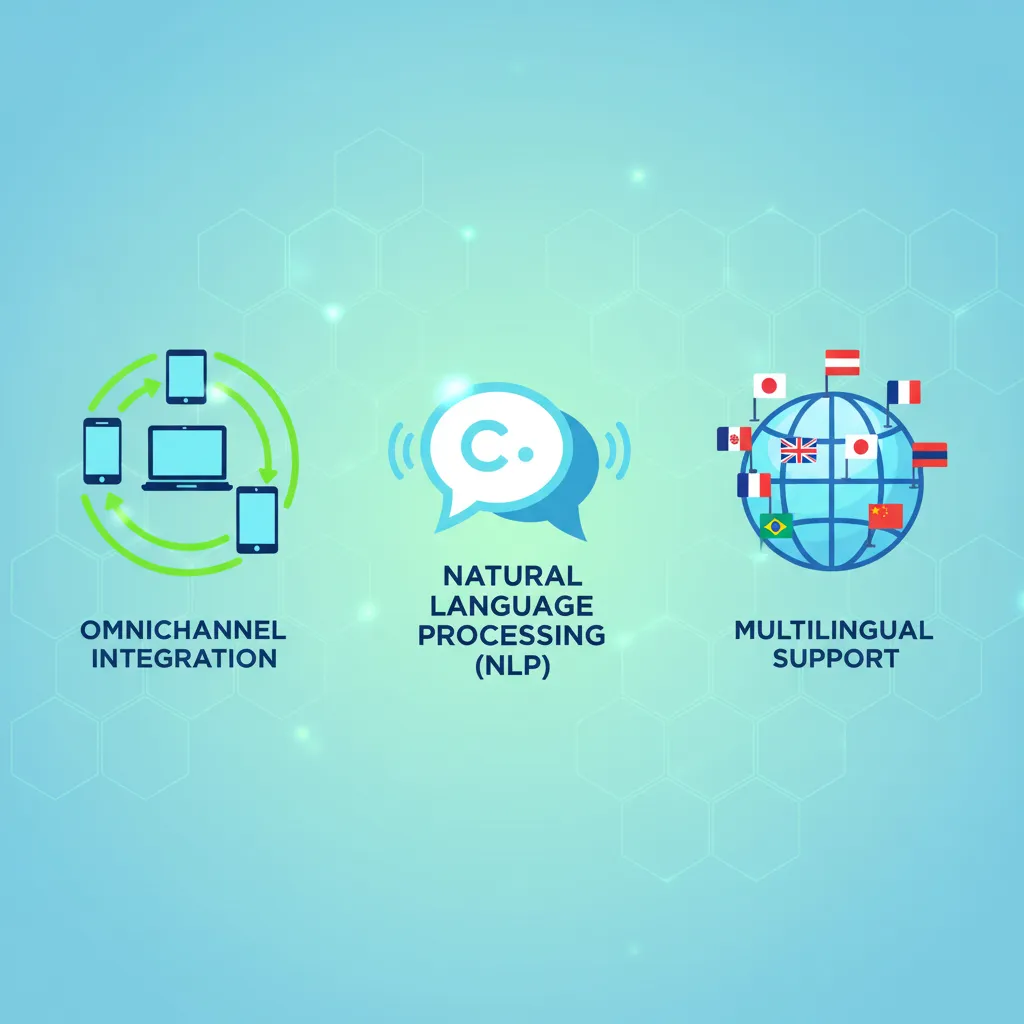
To successfully leverage chatbots for event engagement, you must understand the technical and functional features that separate basic bots from advanced AI assistants.
Natural Language Processing (NLP)
Modern chatbots use Natural Language Processing to understand the intent behind a user’s question. Instead of relying on rigid keyword commands, attendees can type naturally. If someone asks, “Where do I get food?” or “Where is the catering hall?”, the bot understands both questions seek the same information. You can learn more about the technical foundations of this technology on Wikipedia.
Omnichannel Integration
A valuable chatbot operates where your attendees already spend their time. This means seamless integration across SMS, WhatsApp, Facebook Messenger, and your dedicated event website. Omnichannel presence ensures that no matter how an attendee prefers to communicate, your brand is accessible.
Multilingual Support
Global events attract diverse audiences. Chatbots equipped with real-time translation capabilities detect the user’s language and respond accordingly. This inclusivity enhances brand perception in marketing, showing that your organization values and accommodates every attendee.
Pre-Event Strategies: Building Anticipation and Registrations
The work of chatbots for event engagement begins long before the doors open. Pre-event communication sets the tone for the entire experience.
Streamlining the Registration Process
Traditional registration forms can feel tedious, leading to high abandonment rates. A chatbot turns registration into a natural conversation. The bot guides the user through ticket selection and captures details that can later refine the high-intent audience data used in programmatic advertising campaigns. This conversational approach feels less like filling out a tax form and more like chatting with a helpful assistant.
Integrating Influencer Marketing
Many modern events rely heavily on influencer partnerships to drive ticket sales. You might wonder how influencer marketing works alongside chatbot technology. When influencers share promotional links, they can direct their followers to a specific chatbot sequence. The bot then greets the user, references the influencer, and offers a special discount code. This tracks exactly what brands use influencer marketing effectively and provides clear attribution for ticket sales. Understanding what makes a good influencer marketing campaign becomes easier when you have a bot tracking every interaction and conversion.
Delivering Pre-Event FAQs
As the event date approaches, attendees will have questions about dress codes, parking, and schedules. Chatbots handle these inquiries instantly. By providing immediate clarity, you reduce pre-event anxiety and build trust with your audience.
During the Event: Driving Real-Time Interaction
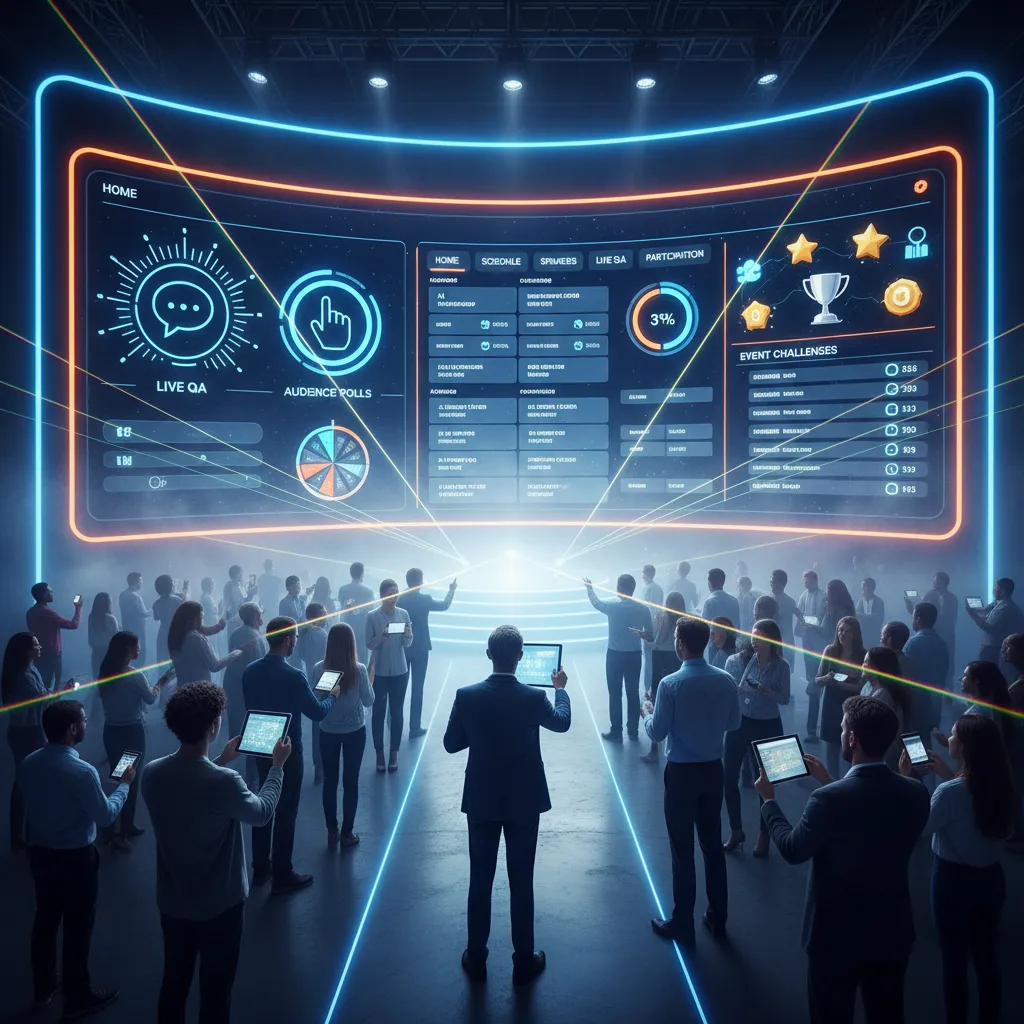
When the event is live, chatbots for event engagement truly shine. They act as a personal concierge in every attendee’s pocket.
Seamless Navigation and Scheduling
Large venues easily confuse attendees. A chatbot can send interactive maps or provide step-by-step directions to specific breakout rooms. Furthermore, attendees can ask the bot to build a personalized schedule. If someone is interested in sustainable branding strategies, the bot will highlight all relevant panels and notify the user 15 minutes before the session begins.
Live Q&A and Audience Participation
Panel discussions often struggle with awkward Q&A sessions. Attendees might feel too shy to step up to a microphone. Chatbots solve this by allowing users to text their questions directly to the moderator. This increases participation and ensures that the most relevant, popular questions get answered.
Gamification and Contests
To boost engagement, organizers use chatbots to run scavenger hunts or trivia contests. Attendees unlock clues by visiting different sponsor booths and interacting with the bot. This integrated marketing approach drives foot traffic to key areas and provides sponsors with measurable interaction data.
Post-Event: Sustaining the Connection and Gathering Data
The end of the event does not mean the end of the engagement. Post-event communication is crucial for retaining attendees for future years, a strategy that mirrors how HubSpot redefined event marketing by transforming one-off conferences into year-round content hubs that keep audiences connected.
Automated Feedback Collection
Sending a generic email survey often yields low response rates. Chatbots for event engagement change this dynamic by initiating a quick, conversational survey while the attendee is still traveling home. By asking one question at a time, such as “How would you rate the keynote speaker?”, bots secure much higher completion rates.
Content Distribution
After the event, chatbots can distribute slide decks, session recordings, and exclusive interviews. If an attendee showed interest in luxury brand marketing during the event, the bot will specifically send them related follow-up content. This tailored approach keeps your brand relevant long after the closing remarks.
Analyzing Engagement Metrics
Data is the ultimate prize of deploying a chatbot. Organizers capture a wealth of information regarding what attendees asked, what sessions they favored, and where they experienced friction. By feeding this data into platforms like Google Analytics, you gain a comprehensive view of user behavior. This helps refine consumer brand marketing strategies for your next gathering, ensuring that new digital offerings complement existing ones and help you avoid brand cannibalization across your portfolio.
Aligning Chatbots with Broader Marketing Strategies
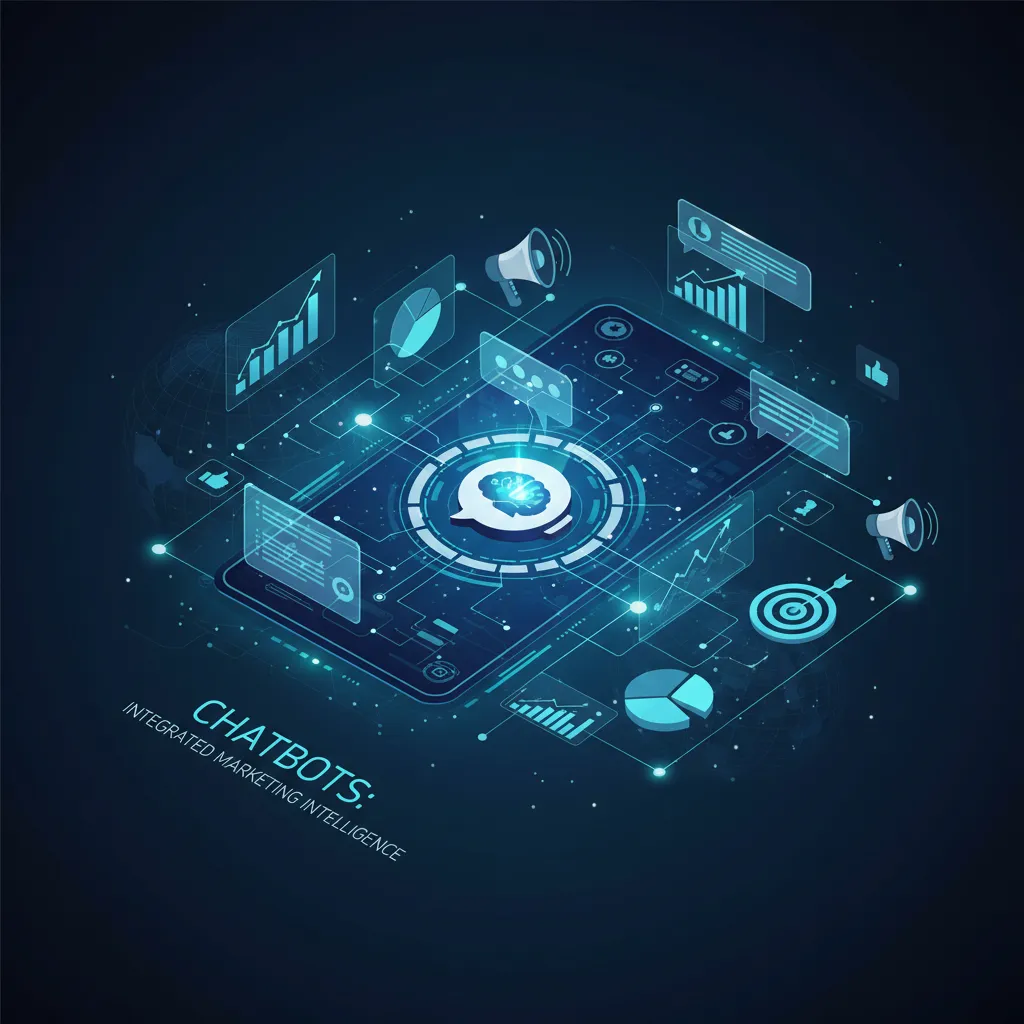
Chatbots for event engagement do not exist in a vacuum. They must integrate with your overall marketing ecosystem to drive sustained growth.
Enhancing Brand Perception in Marketing
Every interaction an attendee has with your chatbot shapes their view of your company. A fast, helpful, and polite bot elevates brand perception. It demonstrates that your organization is forward-thinking and deeply values customer service. Conversely, a clunky, unresponsive bot damages your reputation.
Co-Branding in Marketing
Events often feature multiple sponsors. Chatbots facilitate co-branding in marketing by delivering sponsored messages organically. For instance, a bot might say, “It’s time for a coffee break! Head over to the lounge, sponsored by our partners at TechCorp.” This provides high visibility for sponsors without feeling intrusive to the attendees.
SEO and Content Strategy Alignment
The questions users ask your chatbot highlight exact gaps in your website’s content. If hundreds of people ask the bot about dietary restrictions at the catering hall, you know you need to create a dedicated, SEO-optimized page about your food policies. This level of audience insight is a cornerstone of a comprehensive dropshipping brand-building guide, as it allows marketers to conduct deep keyword research and turn user pain points into content. Platforms like SEMrush and Ahrefs help you track how these new pages perform, while Backlinko provides excellent strategies for optimizing that content further.
Adapting to Niche Markets
Different events require different chatbot personas and functionalities. Tailoring the experience is key to successful deployment.
Micro Influencer Marketing Events
Events focused on creators and niche communities thrive on authenticity. When discussing what micro influencer marketing is, the focus is on highly engaged, specific audiences. A chatbot for this type of event should adopt a casual, conversational tone, perhaps using emojis and colloquial language to match the vibe of the attendees.
Corporate and Financial Summits
For a summit discussing what influences the forex market or whether influencing the stock market is illegal, the chatbot must maintain a strictly professional tone. Accuracy, speed, and data security are paramount. Whether the bot is providing real-time market updates for high-net-worth attendees or serving as a Jacksonville farmers market’s events guide for local networking sessions, it must be equipped to deliver speaker bios and secure introductions with seamless reliability.
Best Practices for Implementation
Deploying chatbots for event engagement requires careful planning. Follow these best practices to ensure a smooth rollout.
- Start with a Clear Objective: Determine what you want the bot to achieve. Is it primarily for ticket sales, customer support, or lead generation?
- Build a Comprehensive Knowledge Base: Train your bot on every possible question an attendee might ask. Review past event emails to identify common queries.
- Always Offer a Human Handoff: AI is not perfect. If the bot cannot understand a user’s request, it must seamlessly transfer the conversation to a human support agent.
- Promote the Bot: Attendees cannot use a tool they do not know exists. Feature the chatbot prominently on your website, in pre-event emails, and on physical signage at the venue.
- Test Rigorously: Before launching, have your team interact with the bot using varied phrasing and slang to ensure the NLP engine functions correctly.
Strategic Personalization: Using Chatbots for Real-Time Attendee Journey Mapping
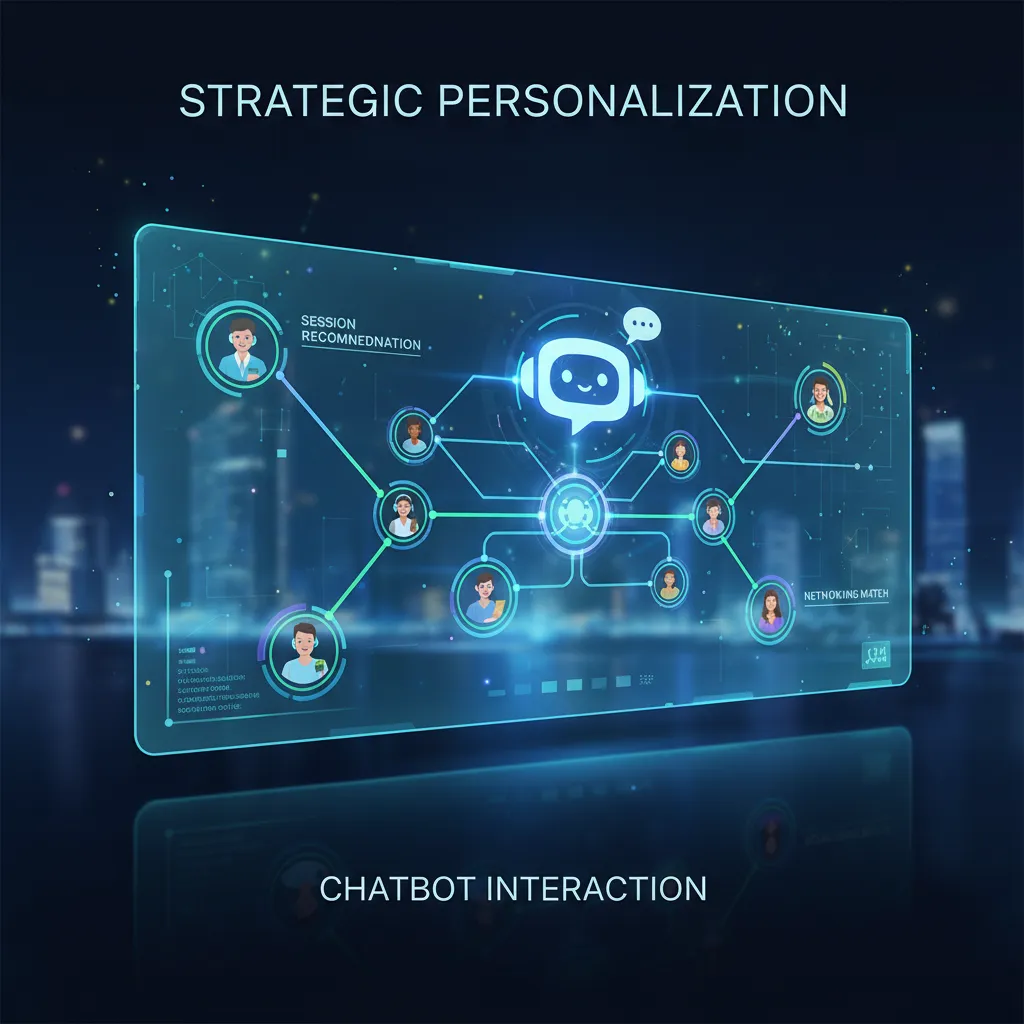
Beyond simple FAQ responses, chatbots for event engagement function as sophisticated data engines that map the attendee journey in real-time. By tracking the specific questions an individual asks—such as inquiries about luxury brand marketing or technical details on how digital marketing influences consumers—the AI builds a temporary behavioral profile. This allows the bot to push personalized notifications that actually matter to the user. For instance, if a user repeatedly asks about creator workshops, the chatbot can proactively suggest a session on what makes a good influencer marketing campaign just as the doors open. This level of hyper-personalization ensures that your integrated marketing efforts feel like a high-end concierge service rather than a generic broadcast. Furthermore, the granular data captured during these interactions provides organizers with an “intent map,” highlighting which topics are trending and which consumer brand marketing strategies are resonating most with the live audience, allowing for mid-event pivots that maximize satisfaction and ROI.
Conclusion
Implementing chatbots for event engagement transforms the attendee journey from a passive experience into an interactive dialogue. By providing instant support, gathering actionable data, and aligning with broad marketing strategies, these AI tools drive immense value. Embrace conversational technology to streamline operations, elevate your brand perception, and ensure long-term, sustainable event growth.
FAQs
1. What exactly is an event chatbot?
An event chatbot is an AI-powered software application that simulates human conversation. It interacts with attendees via text or voice across platforms like websites, event apps, or messaging services to answer questions, facilitate registration, and provide real-time updates.
2. How do chatbots for event engagement increase ticket sales?
Chatbots increase sales by simplifying the registration process, guiding users through ticket purchasing conversationally to reduce abandonment. When combined with digital tools like geofencing for event marketing strategies, they capture valuable leads and allow organizers to follow up with users who showed interest but did not complete their purchase.
3. Can a chatbot handle multiple languages?
Yes, advanced chatbots feature multilingual support. They can automatically detect the language a user is typing in and instantly translate their responses, making them ideal for international conferences and diverse audiences.
4. What happens if the chatbot does not know the answer to a question?
High-quality chatbots are programmed with a “human handoff” feature. If the bot encounters a complex or unrecognized query, it politely informs the user and immediately routes the chat to a live staff member for resolution.
5. How do chatbots help with post-event engagement?
After an event, chatbots send personalized follow-up messages. They can deliver conversational feedback surveys, share links to session recordings, and provide information about upcoming events, keeping the audience connected to your brand.
6. Are chatbots secure for processing payments?
Yes, reputable chatbot platforms use end-to-end encryption and comply with strict data protection regulations (like GDPR and PCI-DSS) to ensure that personal information and payment details are processed securely.
7. Do I need coding skills to build an event chatbot?
No. Many modern chatbot platforms feature intuitive, drag-and-drop visual builders. These allow organizers to map out conversational flows and upload knowledge bases without needing to write a single line of code.
8. How do chatbots improve networking at events?
Chatbots analyze attendee profiles and interests to facilitate matchmaking. They can suggest relevant people to meet, recommend specific networking lounges, and even help attendees schedule brief meetings with one another during breaks.
9. Can a chatbot integrate with my existing CRM software?
Absolutely. Most event chatbots offer seamless API integrations with popular CRM platforms, email marketing tools, and event management software. This ensures that all data collected by the bot syncs automatically with your central database.
10. How can I measure the success of my event chatbot?
You can measure success by reviewing analytics dashboards provided by the chatbot platform. Key metrics include total conversations handled, average response time, and user satisfaction scores—data points typically explained in a what is fintech beginners guide when discussing automated customer service—to determine the percentage of queries resolved without human intervention.