What Are Event Marketing Services?
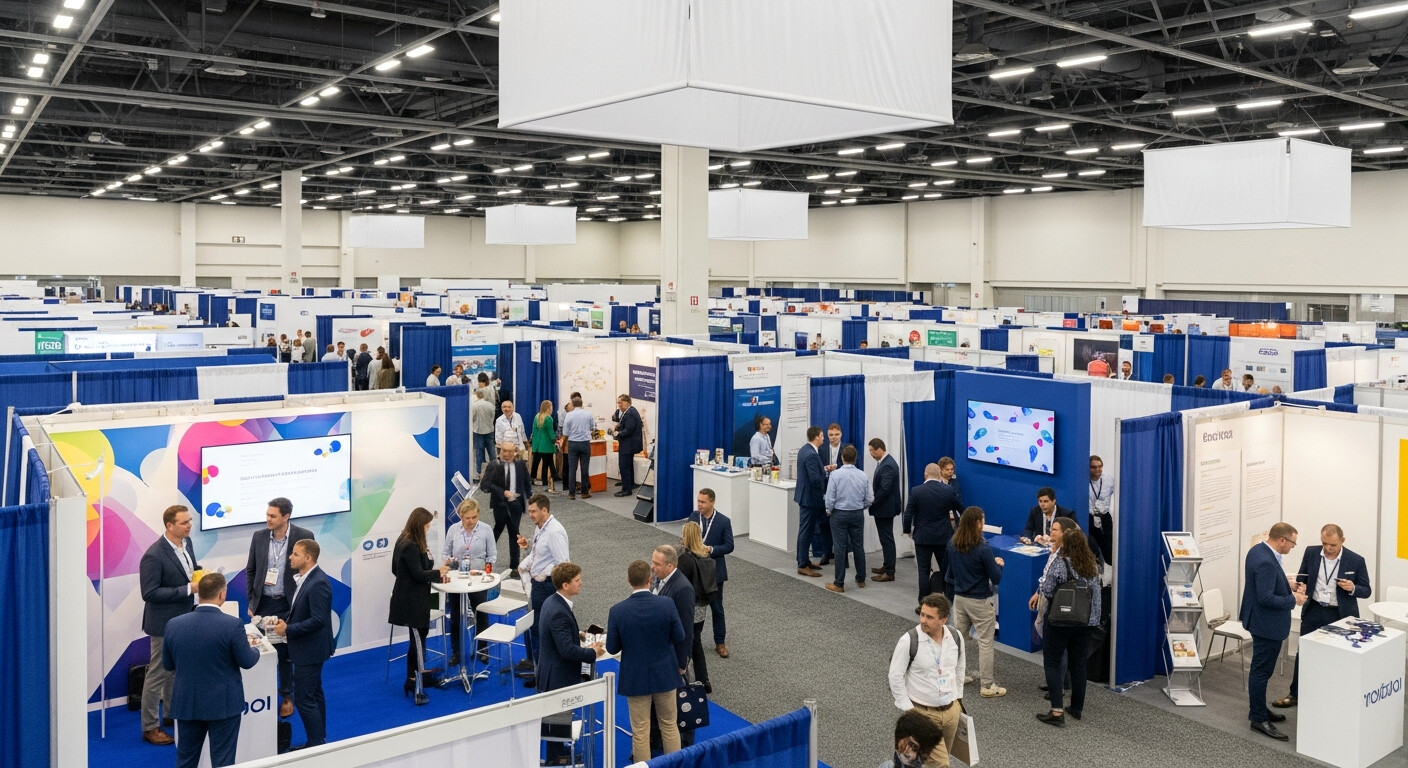
Event marketing services refer to the strategic planning, management, and execution of live or virtual events designed to promote a brand, product, or service. These services are tailored to help businesses reach their target audience through meaningful and immersive experiences.
Some common examples of events include product launches, webinars, trade shows, pop-up shops, community engagement activities, and experiential marketing campaigns. Event marketing not only boosts brand visibility but also builds stronger relationships with customers.
The Key Benefits of Event Marketing Services
When executed well, event marketing can deliver significant value to businesses. Here are some of the core benefits:
Enhanced Brand Awareness
Events allow you to showcase your brand in a unique way, exposing it to new audiences while reinforcing your identity with existing customers.
Strengthened Customer Engagement
Hosting events creates opportunities for clients and prospects to connect with your brand on a personal level, resulting in authentic relationships and trust.
Lead Generation
Event marketing often involves platforms like registration forms or sign-ups, enabling you to capture valuable lead information for future follow-ups.
Opportunities for Direct Feedback
Live and virtual events provide real-time feedback from attendees, which can guide your product development and customer satisfaction strategies.
Amplified Social Media Buzz
From live streams to hashtags, events create content and conversations that boost social media engagement and expand your reach organically.
Memorable Customer Experience
Well-curated events leave a lasting impression, helping you stand out in a crowded marketplace and building enduring brand loyalty.
Key Types of Event Marketing Services
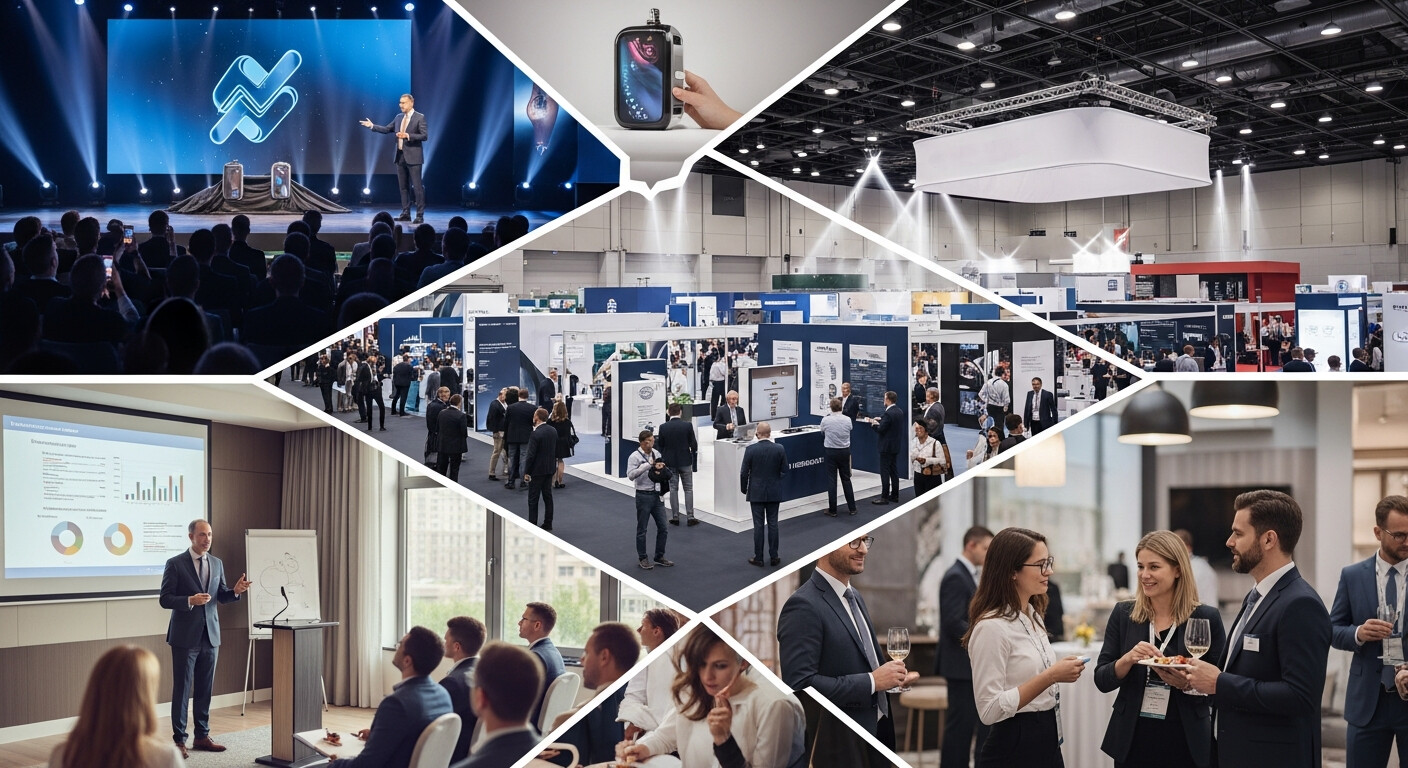
Depending on your goals and target audience, event marketing services can encompass a range of event types. Here are some of the most impactful:
Product Launch Events
Product launch events are more than just revealing a new offering—they are carefully orchestrated experiences designed to create anticipation, excitement, and immediate engagement with your audience. These events give your business the chance to showcase the features, benefits, and unique value of your product in a controlled and memorable environment. Beyond presentations, product launch events often include live demonstrations, interactive displays, exclusive previews, giveaways, and networking opportunities, allowing potential clients and media to experience the product firsthand. When executed strategically, a product launch event not only sparks initial interest but also builds a narrative around your product that drives brand recall and encourages word-of-mouth promotion.
Product launches are carefully orchestrated experiences designed to create anticipation and immediate engagement. Beyond presentations, these events include live demos, interactive displays, exclusive previews, and networking opportunities. Learn about product events marketing automation for better efficiency.
Trade Shows and Expos
Trade shows and expos provide a platform for businesses to position themselves alongside industry leaders, competitors, and innovators, creating opportunities for visibility, networking, and market insights. Participating in these events allows brands to directly engage with a highly targeted audience of decision-makers, influencers, and potential partners. Beyond showcasing products, trade shows are ideal for gathering market intelligence, observing competitors, and identifying trends that can inform your broader business strategy. A well-designed trade show booth, combined with engaging presentations and interactive experiences, can leave a lasting impression and generate high-quality leads that extend long after the event ends.
Webinars and Virtual Events
In an increasingly digital-first world, webinars and virtual events have become a cornerstone of modern event marketing. These online gatherings allow businesses to reach global audiences without the limitations of physical venues or travel costs. Webinars can include expert panels, live training sessions, product demonstrations, Q&A sessions, and interactive polls to keep participants engaged. Virtual events also offer the advantage of detailed analytics, allowing businesses to track attendance, engagement, and follow-up actions with precision. When executed effectively, webinars not only educate and inform but also position your brand as an authority in your industry, while providing measurable opportunities for lead generation and conversion.
Experiential Marketing
Experiential marketing focuses on creating immersive, interactive experiences that allow audiences to “live” your brand rather than simply hear about it. These campaigns often leverage sensory engagement—sight, sound, touch, and sometimes taste—to leave a strong, memorable impression. Examples include pop-up shops, branded installations, interactive workshops, or live demonstrations. The goal is to create shareable, memorable experiences that generate organic social media buzz and strengthen emotional connections with your audience. Experiential marketing is particularly effective at bridging the gap between brand messaging and tangible experience, fostering loyalty by making your audience feel directly involved and valued.
Community Building Events
Community-building events aim to foster deeper, long-term relationships between your brand and your audience. These events include workshops, meetups, panel discussions, charity drives, or networking sessions tailored to bring people together around shared interests or causes. By creating a sense of belonging and shared purpose, community-focused events enhance brand loyalty and encourage repeat engagement. Businesses can also use these gatherings to gather feedback, understand audience needs, and cultivate advocates who will promote the brand organically. Over time, these events build a vibrant, engaged community that sees your brand as a trusted partner rather than just a service provider.
How to Leverage Event Marketing Services Effectively
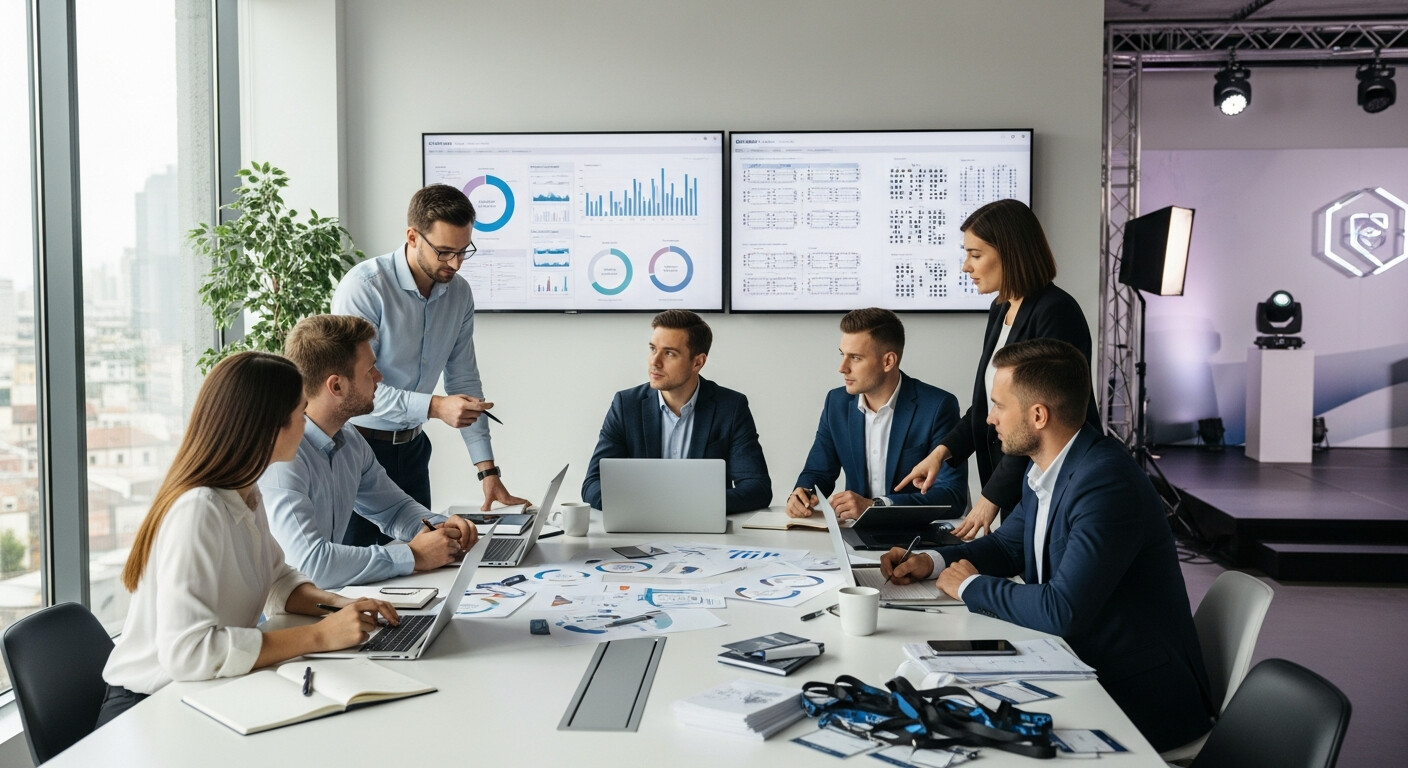
Implementing the right strategy is essential for a successful event marketing campaign. Without a clear plan, even the most creative events can fail to achieve meaningful results. By following a structured approach, businesses can maximize engagement, generate leads, and strengthen their brand presence. Here are the steps to maximize your results:
Define Your Objectives
Every successful event starts with a clear understanding of its purpose. Are you aiming to increase product sales, boost brand awareness, improve customer retention, or establish thought leadership within your industry? Defining specific objectives helps shape the event format, content, and marketing strategy.
For example, if your primary goal is lead generation, incorporating registration forms, giveaways, or downloadable content can capture valuable prospect information. If brand awareness is the goal, focus on creating visually impactful experiences and shareable moments that extend reach across social media. Clear objectives also make it easier to measure success, justify investment, and demonstrate ROI to stakeholders.
Choose the Right Event Format
Not all events are created equal, and choosing the right format is crucial for maximizing impact. Live events, such as product launches or trade shows, offer the advantage of face-to-face interaction, hands-on product experiences, and real-time networking.
On the other hand, digital-first formats like webinars, virtual conferences, or online workshops allow brands to reach global audiences at a fraction of the cost while offering convenience and accessibility. Hybrid events, which combine live and virtual elements, have become increasingly popular, enabling businesses to scale their reach without losing the personal touch of in-person interactions.
The format should always align with both your target audience and your event objectives. For instance, a hands-on product demonstration may work best in person, while an industry thought-leadership panel may gain more traction online.
Live, digital, or hybrid formats each offer unique advantages. Hybrid events are growing in popularity, combining personal touch with global reach. Read about the rise of hybrid events
Target the Right Audience
Even the most well-executed event will fall flat if it doesn’t attract the right people. Understanding your audience is essential to ensure relevance, engagement, and ROI. Use customer data, market research, and behavioral insights to craft a profile of your ideal attendee.
Segmentation is key—tailor invitations, content, and engagement opportunities based on interests, demographics, or past interactions. Personalized invitations and targeted messaging increase the likelihood of attendance and make participants feel valued. Moreover, understanding your audience allows you to design event content that resonates with their pain points, challenges, and aspirations, ensuring the event creates meaningful connections.
Incorporate Technology
Technology is a game-changer in modern event marketing. From livestreams to event apps, digital tools can enhance attendee engagement, provide convenience, and deliver measurable insights. For instance, interactive polling, Q&A sessions, or virtual networking lounges can make participants feel involved and connected.
Social media integration is also critical—live updates, hashtags, and shareable moments extend the reach of your event far beyond the attendees. Advanced tools like AI-driven analytics, registration platforms, and engagement tracking provide real-time insights into attendee behavior, helping you adjust strategies on the fly and measure outcomes more accurately.
A strong marketing plan builds anticipation and extends event value through post-event content, recaps, and testimonials. Learn more in event marketing ultimate guide.
Leverage a Strategic Marketing Plan
Promotion is as important as the event itself. A well-executed marketing plan ensures that your target audience is aware of the event and motivated to participate. Use a multi-channel approach, including email campaigns, social media ads, blog posts, and influencer partnerships, to build anticipation and excitement.
Pre-event teasers, behind-the-scenes content, and countdowns can increase engagement, while post-event content—such as recaps, highlights, and testimonials—extends the value of your efforts. Integrating your event marketing with broader campaigns ensures consistent messaging, reinforces your brand story, and maximizes the impact of your investment.
Measure Your Success
Measuring the success of your event is just as important as planning and executing it. After the event concludes, you should carefully analyze key performance indicators (KPIs) to understand what worked, what didn’t, and how future events can be improved. Common metrics include attendance rates, which indicate how effectively your promotion and outreach efforts attracted the target audience, and engagement levels, such as participation in sessions, social media interactions, or Q&A involvement, which reveal how compelling and relevant your content was.
Conversion rates are another critical measure, showing how many attendees took desired actions—like signing up for a newsletter, requesting a demo, or making a purchase—directly linking the event to tangible business outcomes. Beyond quantitative metrics, qualitative feedback from attendees, such as surveys or post-event interviews, can provide deeper insights into attendee satisfaction, perceived value, and emotional impact. By combining both data-driven and human insights, businesses can refine their event marketing strategies, optimize resource allocation, and ensure that future events deliver even stronger engagement, loyalty, and ROI.
Real-Life Success Stories
Event marketing services have delivered game-changing results for businesses across industries. Here are some examples of effective event marketing in action:
- Apple’s Product Launches: Known worldwide for their impeccable product launch events, Apple uses storytelling and immersive presentations to generate anticipation and excitement.
- Nike Pop-Up Shops: Nike frequently uses pop-up shops to showcase limited-edition releases, creating exclusivity and memorable customer experiences.
- HubSpot’s INBOUND Conference: This annual conference gathers thousands of marketers, sales professionals, and entrepreneurs, cementing HubSpot’s authority in the marketing technologies space while fostering community-building.
Partnering with Professional Event Marketing Services
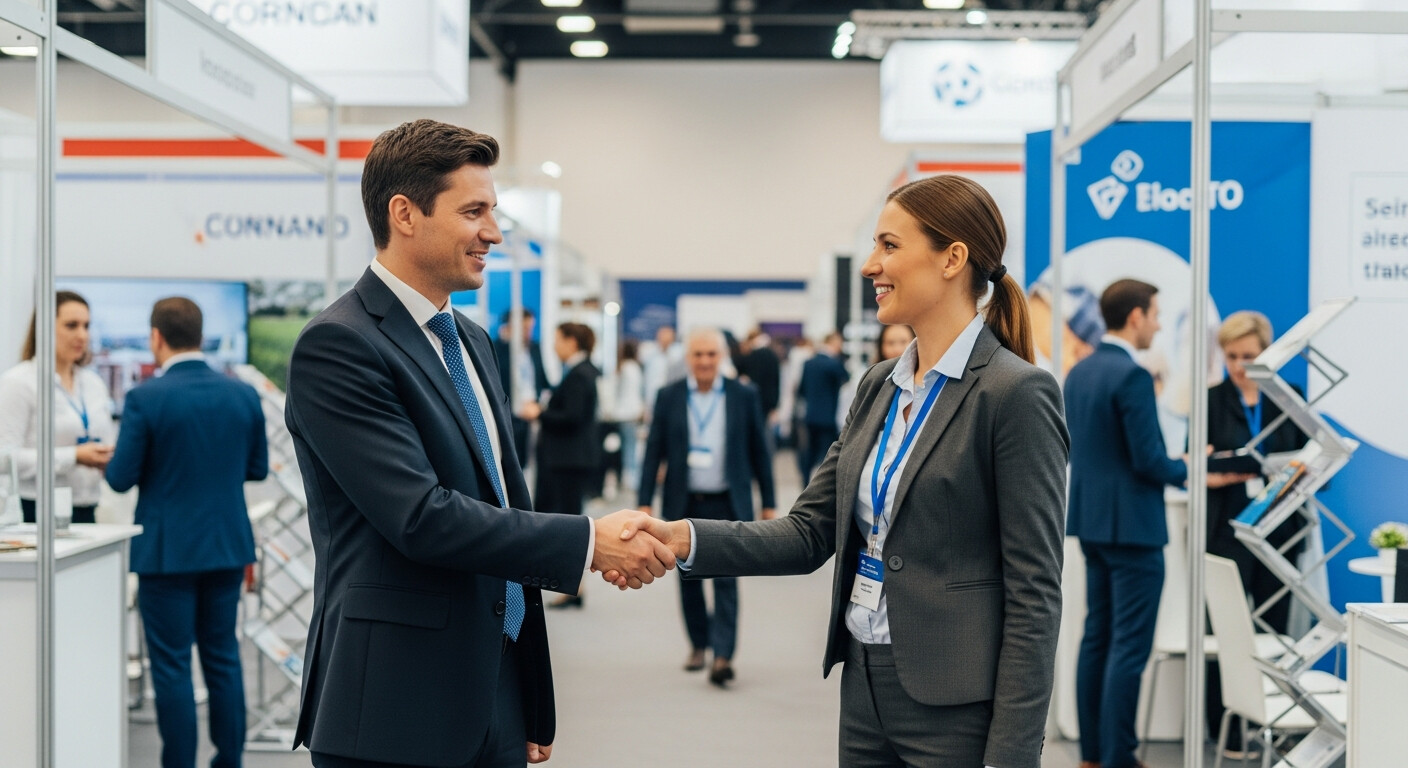
Organizing a large-scale event can be a complex and time-consuming undertaking, especially when you aim to create a memorable experience that aligns with your business goals. For many businesses, managing every detail—from conceptualization to execution—can quickly become overwhelming. This is where partnering with professional event marketing services can make a significant difference.
Experienced event marketing professionals bring specialized expertise, industry insights, and proven strategies that ensure your event runs smoothly and achieves its objectives. They can manage every stage of the process, including strategic planning, creative concept development, logistics coordination, vendor management, and on-site execution. Beyond just planning, these experts can also provide guidance on audience engagement, marketing promotion, and technology integration to enhance participation and impact.
Additionally, professional teams focus on measurement and post-event analysis, helping you understand ROI, capture actionable insights, and refine future campaigns. By leveraging their resources, networks, and experience, partnering with event marketing professionals not only reduces stress and operational challenges but also maximizes the effectiveness of your event, leaving a lasting impression on attendees and strengthening your brand reputation.
Unleash the Power of Event Marketing
Event marketing services have become an integral part of modern marketing strategies. When done right, they have the power to elevate your brand, deepen customer engagement, and provide measurable returns on investment.
If you’re ready to transform how your business connects with its audience, we’re here to help. Leverage professional event marketing services and watch your goals turn into realities.
Understanding event marketing services and their transformative impact can help marketing agencies enhance client engagement, while building a successful brand is essential for agencies to stand out and attract the right opportunities.
Frequently Asked Questions (FAQ)
What are event marketing services?
Event marketing services are professional services that plan, organize, and execute live or virtual events to promote a brand, product, or service. They aim to engage audiences through immersive, memorable experiences that align with business objectives.
Why are event marketing services important for businesses?
They help businesses build brand awareness, strengthen customer relationships, generate leads, and create unique experiences that differentiate them from competitors. A well-executed event can also provide valuable real-time feedback and content for ongoing marketing efforts.
How do virtual events compare to live events?
Virtual events offer broader reach and reduced costs, while live events create stronger personal connections and sensory engagement. Many brands now opt for hybrid models to capture the advantages of both formats.
What metrics should businesses track to measure event success?
Key metrics include attendance rates, engagement levels (Q&A participation, polls, interactions), lead generation, social media mentions, and post-event feedback. Tracking conversions and ROI helps demonstrate the business impact of the event.
Can small businesses benefit from event marketing services?
Absolutely. Even small-scale or localized events can create significant impact by building awareness, strengthening relationships, and positioning the business as an industry authority. Tailored strategies ensure that budget constraints don’t compromise engagement.
How can brands make events more memorable?
Memorable events combine personalization, storytelling, interactive experiences, and innovative technology. Incorporating emotional and sensory elements creates lasting impressions and encourages attendees to share their experiences.
Should businesses handle event marketing in-house or hire experts?
While smaller events can sometimes be managed in-house, partnering with professional event marketing services ensures strategic planning, seamless execution, and measurable results—especially for large-scale or high-stakes events.