Effective event marketing uses a strong website, social media, email, and video to attract attendees, build trust, and foster long-term engagement.
A successful event doesn’t just happen; it’s the result of meticulous planning, a compelling program, and, most importantly, effective marketing. In a world where attention is a scarce commodity, cutting through the noise to reach your target audience is the biggest challenge event organizers face. This is where a robust digital marketing strategy becomes indispensable.
This guide will walk you through the essential digital marketing strategies to promote your event. We will cover everything from building a compelling online presence to leveraging social media and email marketing to sell tickets and foster a community. By the end, you will have a clear roadmap to create a buzzworthy event that attracts the right attendees and achieves its goals.
Laying the Foundation: Your Event Website
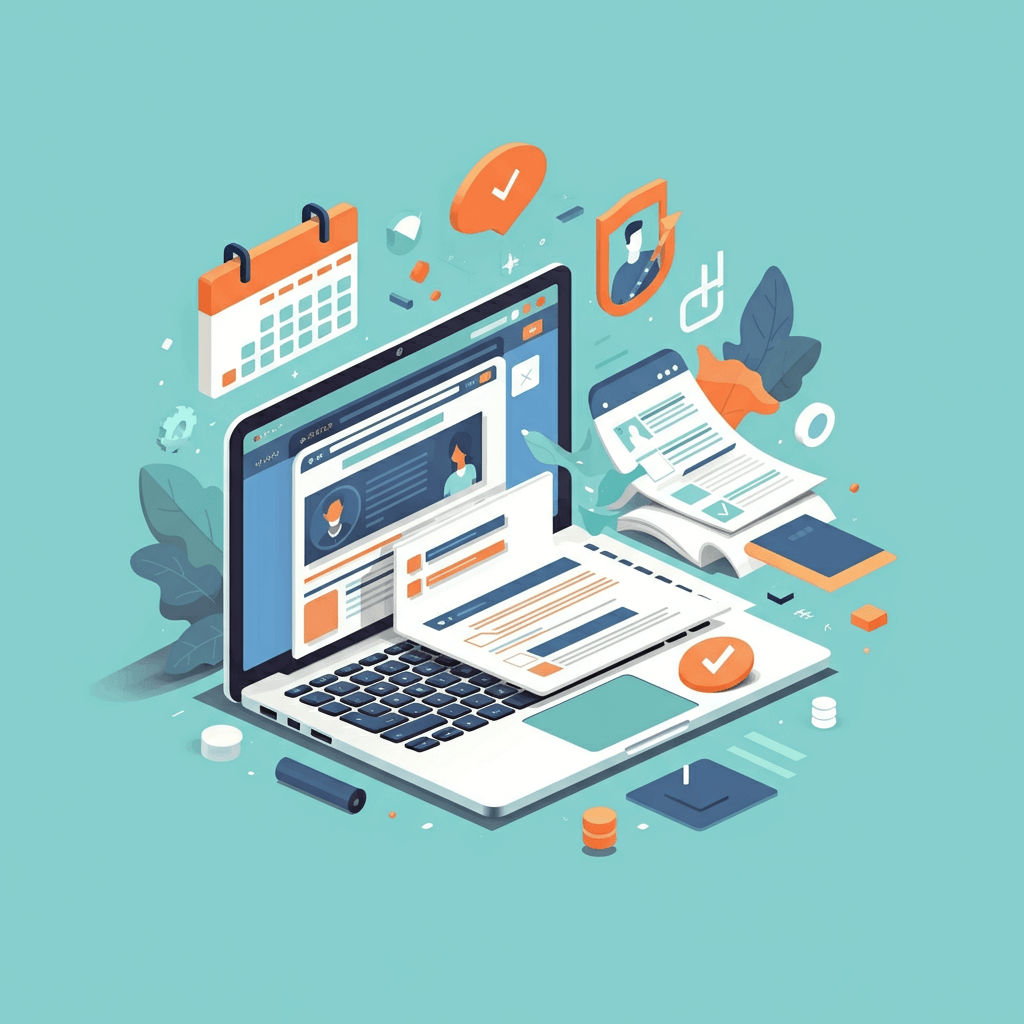
Before you even think about promotion, you need a central hub for all your event information. Your event website or landing page is the cornerstone of your digital marketing efforts. It’s where potential attendees go to learn more, where you’ll direct all your traffic, and where conversions—like ticket sales or registrations—happen.
What Makes an Effective Event Website?
A high-converting event website must be clear, compelling, and easy to navigate. Here are the essential elements it should include:
- Crucial Information Above the Fold: Your event’s name, date, location, and a one-sentence value proposition should be immediately visible without scrolling. Visitors should instantly understand what your event is about.
- Compelling Visuals: Use high-quality images or videos from past events to convey the atmosphere and energy. If it’s a new event, professional branding and graphics are key to building credibility.
- Detailed Agenda and Speakers: Showcase your lineup. Provide detailed bios for your speakers and a clear, easy-to-read schedule. This content is often the deciding factor for potential attendees.
- Clear Call-to-Action (CTA): Your “Register Now” or “Buy Tickets” button should be prominent and appear multiple times on the page. Use contrasting colors to make it stand out.
- Social Proof: Include testimonials from past attendees, logos of sponsors or partner companies, and any positive press coverage. This builds trust and validates your event’s quality.
- Mobile Optimization: A significant portion of your audience will access your site from their mobile devices. Ensure your website is fully responsive and provides a seamless experience across all screen sizes.
Driving Traffic: Getting Eyes on Your Event
Once your website is live, the next step is to drive targeted traffic to it. A multi-channel approach is often the most effective way to reach a diverse audience.
Search Engine Optimization (SEO)
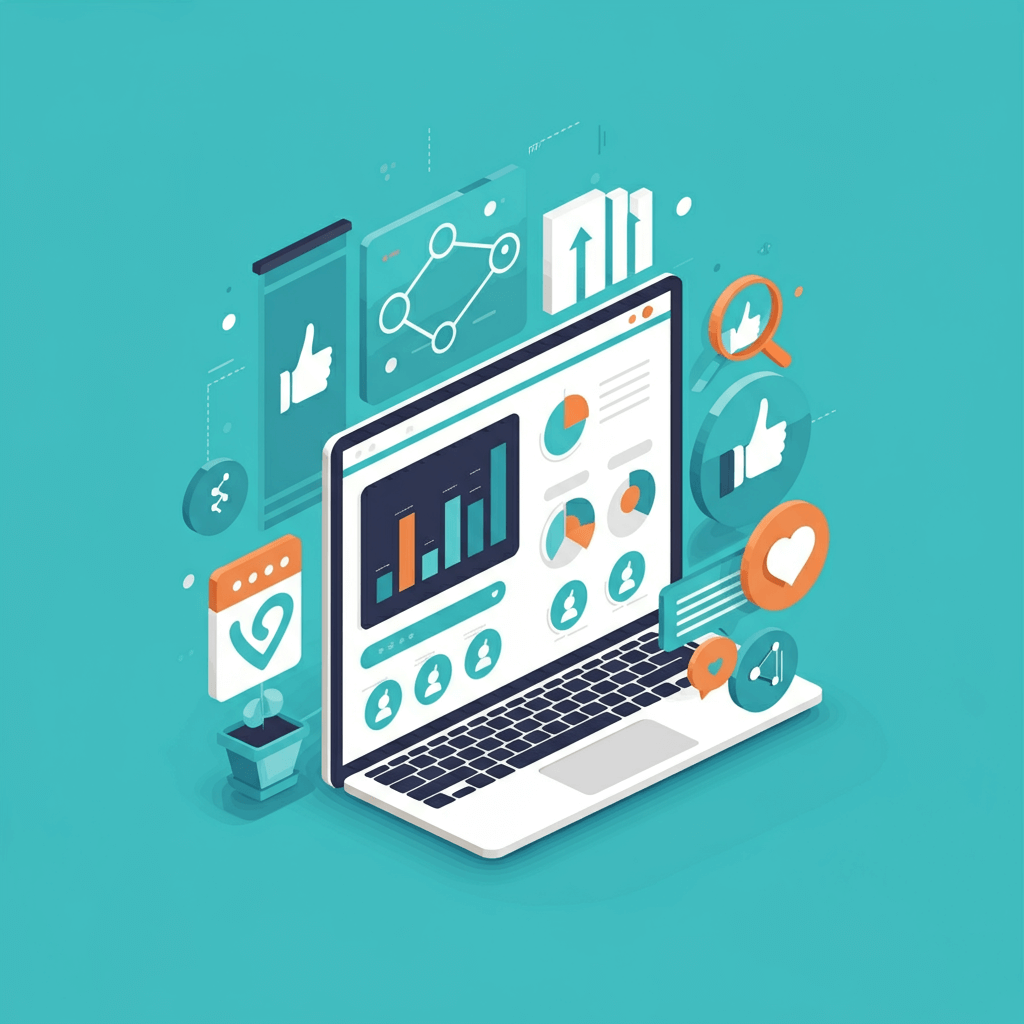
SEO is the practice of optimizing your website to rank higher in search engine results for relevant keywords. When someone searches for “marketing conferences in New York,” you want your event to appear at the top of the list. For a deeper dive, see the ultimate SEO guide for event marketing.
- Keyword Research: Identify the terms your target audience is searching for. Use tools like Google Keyword Planner or Ahrefs to find keywords related to your event’s topic, industry, and location (e.g., “tech startup conference,” “virtual event marketing,” “music festival Los Angeles”).
- On-Page SEO: Incorporate your target keywords naturally into your website’s titles, headings, body copy, and image alt text. Create a dedicated blog on your event website and publish articles related to your event’s theme to attract more organic traffic.
Paid Advertising (PPC)
Pay-per-click (PPC) advertising on platforms like Google Ads and social media can provide an immediate boost in visibility.
- Google Ads: Target users who are actively searching for events like yours. You can focus your ads based on keywords, location, and demographics.
- Social Media Ads: Platforms like LinkedIn, Facebook, and Instagram offer powerful targeting options. You can target users based on their job titles, interests, company size, and online behavior, making it easier to reach your ideal attendee profile.
Engaging Your Audience: Social Media Marketing
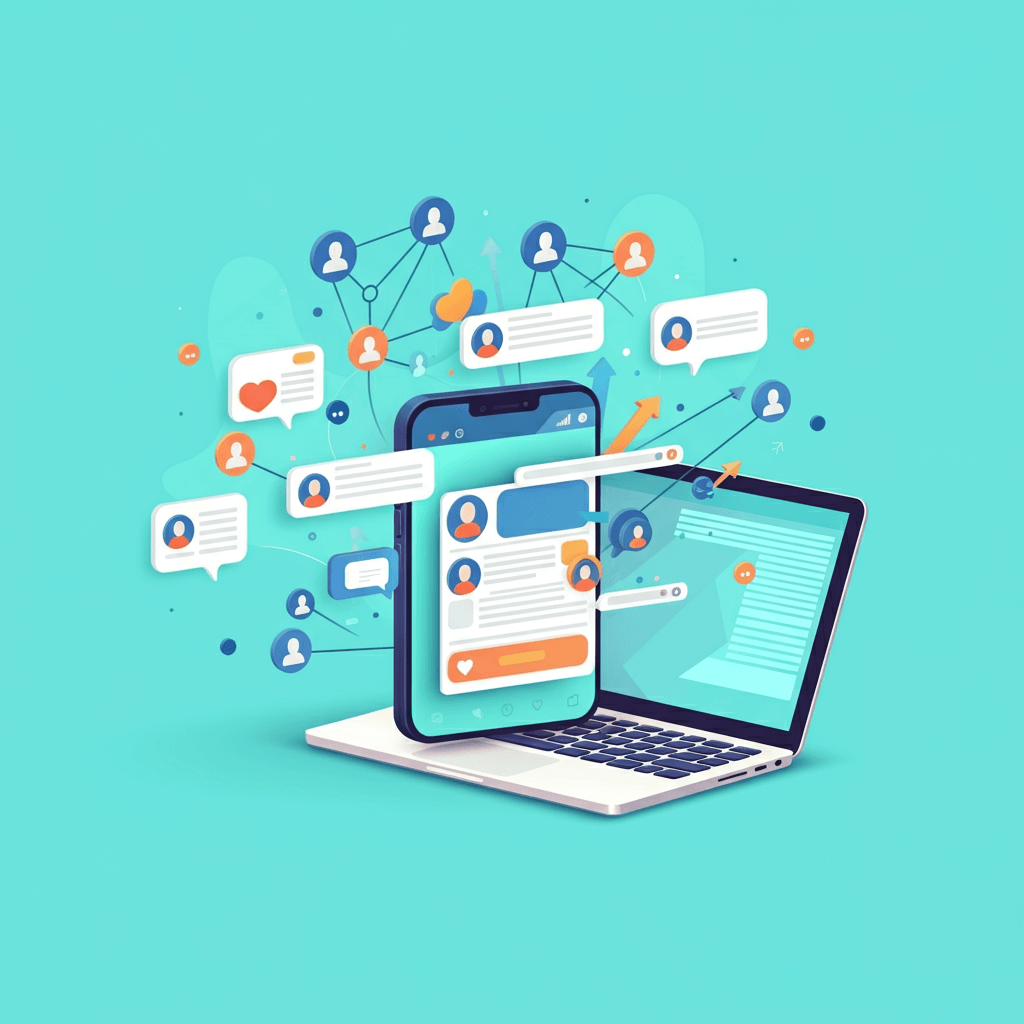
Social media is a powerful tool for building a community around your event long before it starts. It’s not just about broadcasting information; it’s about creating a conversation.
Choosing the Right Platforms
You don’t need to be on every platform. Focus on where your target audience is most active.
- LinkedIn: Ideal for professional conferences, B2B events, and workshops. Share industry insights, speaker spotlights, and networking opportunities.
- Instagram & Facebook: Excellent for more visual events like festivals, product launches, and consumer-facing trade shows. Use Stories, Reels, and live video to share behind-the-scenes content and build excitement.
- X (formerly Twitter): Great for real-time updates, engaging with speakers and sponsors, and running live Q&A sessions. Create a unique event hashtag and encourage everyone to use it.
Content Marketing as a Pre-Event Demand Engine
Content marketing plays a critical role in building anticipation and educating your audience before they commit to attending. Instead of relying solely on promotional messages, high-value content positions your event as a must-attend experience by addressing your audience’s pain points and aspirations.
Pre-event blog posts, speaker interviews, industry trend analysis, and educational videos can be published weeks or months in advance. These assets help attract organic traffic through search engines while warming up potential attendees. When readers consistently consume your content, the event registration feels like a natural next step rather than a sales pitch.
Webinars and live online sessions tied to the event theme are especially effective. Hosting a free virtual panel or expert session gives your audience a preview of the value they can expect, while subtly reinforcing why attending the full event is worth their time and investment.
High-value content positions your event as a must-attend experience. Pre-event blog posts, speaker interviews, and educational videos attract organic traffic and warm up potential attendees. For a detailed framework, refer to event-based marketing guide.
Content That Creates Buzz
- Speaker Spotlights: Post professional photos and short bios of your speakers. Include a compelling quote or a teaser of their session topic.
- Behind-the-Scenes Content: Show your team in action during the planning stages. This humanizes your event and makes your audience feel more connected.
- User-Generated Content (UGC): Run a contest asking potential attendees to share why they’re excited about the event using your hashtag. Reposting their content builds a strong sense of community.
- Countdown Posts: As the event date nears, create daily countdown posts to build anticipation.
Nurturing Leads: Email Marketing
Email marketing remains one of the most effective channels for event promotion, offering a direct line of communication with your interested audience.
Building Your Email List
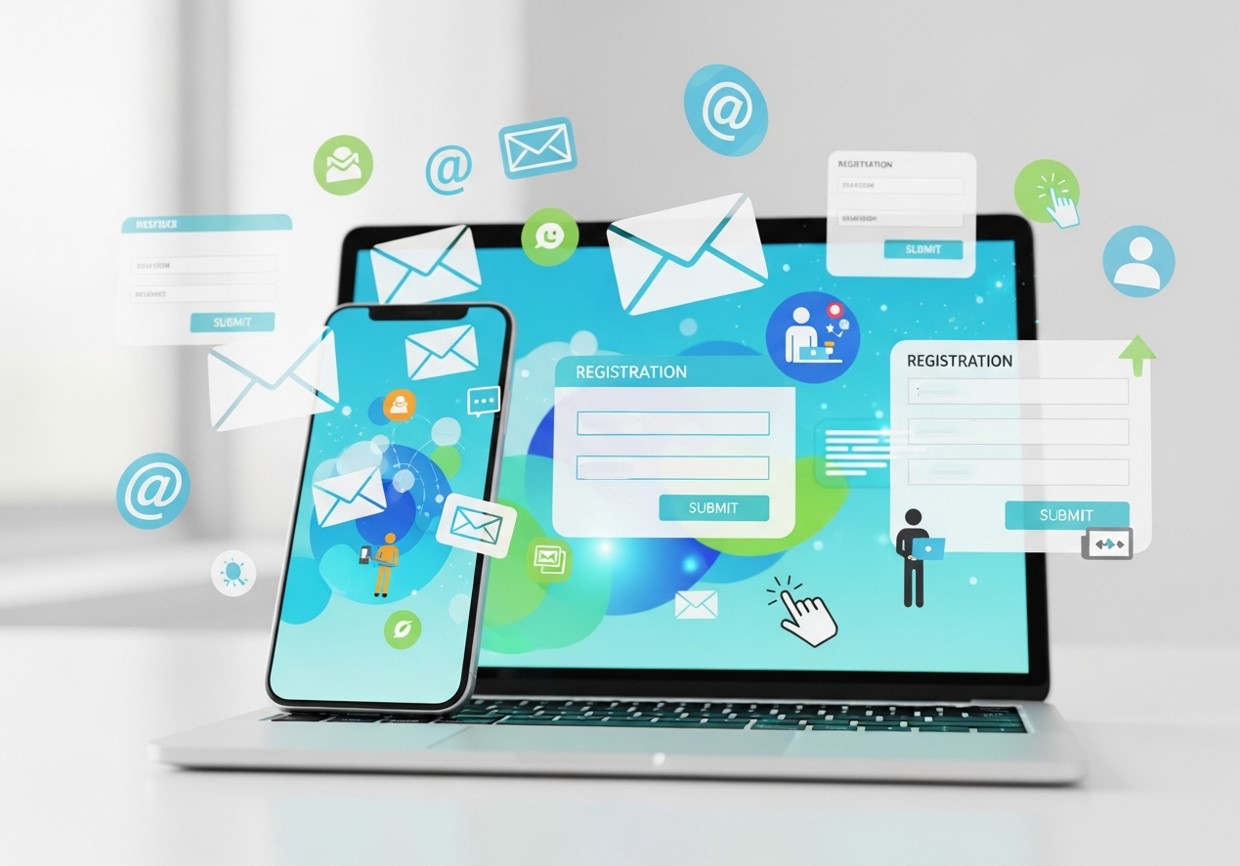
Your email list is your most valuable marketing asset. Collect email addresses through your website’s registration form, lead magnets (like a downloadable guide related to your event’s topic), and social media contests.
Crafting a Compelling Email Sequence
Don’t just send one email and call it a day. A strategic email sequence can nurture leads and drive ticket sales over time.
- The Announcement: Your first email should be an exciting announcement. Clearly state the event’s value proposition and direct people to the website to learn more.
- The Details: Follow up with more information about speakers, sessions, and what makes your event unique.
- The Social Proof: Share testimonials from past attendees or highlight the caliber of companies that are already registered.
- The Urgency: As the event approaches or an early-bird deadline looms, create a sense of urgency. Emails with subject lines like “Early bird pricing ends Friday” can be highly effective.
- The Final Push: A “last chance to register” email sent a day or two before registration closes can capture a significant number of last-minute sign-ups.
Using Data and Audience Segmentation to Personalize Event Marketing
Not all attendees are motivated by the same message, and treating your entire audience as a single group can limit the effectiveness of your marketing efforts. Data-driven segmentation allows you to tailor communication based on behavior, interests, and intent, resulting in more relevant and persuasive campaigns.
By analyzing how users interact with your website, emails, and social media content, you can identify patterns that reveal what different segments care about most. Some visitors may be interested in networking opportunities, while others are drawn to specific speakers or learning outcomes. Personalizing email subject lines, ad creatives, and landing page messaging based on these signals increases engagement and conversion rates.
Personalization also extends to timing. Sending follow-up emails after a user views a speaker page or abandons the registration process keeps your event top of mind at the moment of highest interest. Over time, this approach creates a more intuitive and attendee-centric marketing experience.
Harnessing Video Marketing to Increase Event Visibility
Video content has become one of the most powerful tools in digital marketing, and event promotion is no exception. Videos allow you to convey emotion, atmosphere, and value far more effectively than static images or text alone.
Short promotional videos introducing the event theme, highlighting keynote speakers, or showcasing past attendee experiences can be distributed across social media, email campaigns, and landing pages. These videos help potential attendees visualize themselves at the event, which plays a critical role in decision-making.
Live video also adds authenticity and immediacy to your marketing efforts. Streaming speaker announcements, behind-the-scenes preparations, or pre-event Q&A sessions builds anticipation while fostering real-time interaction. The more familiar your audience feels with the event before it begins, the more likely they are to register and attend.
Managing Reputation and Building Trust Through Digital Channels
Trust is a major deciding factor in whether someone chooses to attend an event, especially when they are investing time and money. Digital marketing plays a key role in shaping and maintaining your event’s reputation.
Actively managing online reviews, social media comments, and direct messages shows that your organization is responsive and professional. Consistent branding across platforms further reinforces trust, which is key in corporate event marketing guide to success.
Publishing clear policies, sharing real attendee stories, and maintaining consistent branding across platforms further reinforces trust. Over time, this credibility becomes a competitive advantage, particularly in crowded event markets.
Building Long-Term Community and Post-Event Momentum
The most successful events are not one-time experiences; they are the foundation of an ongoing community. Digital marketing plays a vital role in sustaining engagement after the event concludes.
Post-event engagement maintains momentum. Send thank-you emails, share session recordings, and highlight user-generated content. Introduce future initiatives to build loyalty and advocacy. Learn how to grow small businesses with digital marketing through consistent audience engagement.
This post-event phase is also the ideal time to introduce future initiatives, such as early access to next year’s event, membership programs, or exclusive content. When attendees feel valued beyond their ticket purchase, they are far more likely to become repeat participants and brand advocates.
Final Thoughts: Marketing Beyond the Sale
Successful event marketing doesn’t stop once a ticket is sold. Continue to engage with your registered attendees through email and social media to keep them excited and informed. Share logistical information, tips for getting the most out of the event, and reminders about key sessions.
By combining a strong foundational website with a strategic mix of SEO, paid advertising, social media engagement, and email marketing, you can create a comprehensive digital strategy that not only sells tickets but also builds a loyal community eager to return year after year.
Frequently Asked Questions (FAQ)
How early should digital marketing for an event begin?
Digital marketing should ideally begin three to six months before the event, depending on its size and complexity. Larger conferences and international events benefit from longer lead times to build awareness, secure early registrations, and allow content and SEO efforts to gain traction.
Which digital marketing channel works best for event promotion?
There is no single best channel. High-performing event marketing strategies typically combine SEO, paid advertising, social media, email marketing, and partnerships. The most effective channel depends on your audience, event type, and budget.
How important is social proof in event marketing?
Social proof is extremely important because it reduces uncertainty and builds trust. Testimonials, speaker credibility, sponsor logos, and past event highlights reassure potential attendees that the event delivers real value.
Can small or niche events compete with large conferences digitally?
Yes. Smaller events often have the advantage of being more focused and community-driven. By targeting a specific audience with personalized messaging and valuable content, niche events can achieve high conversion rates without large budgets.
What is the biggest mistake event organizers make in digital marketing?
One of the biggest mistakes is focusing only on ticket sales and neglecting engagement. Events that fail to build relationships before and after the sale often struggle with low attendance rates and limited long-term growth.
How do you measure the success of event marketing campaigns?
Success is measured through a combination of metrics, including ticket sales, cost per acquisition, website conversion rates, email engagement, social media reach, and attendee feedback. Long-term success also includes repeat attendance and brand loyalty.