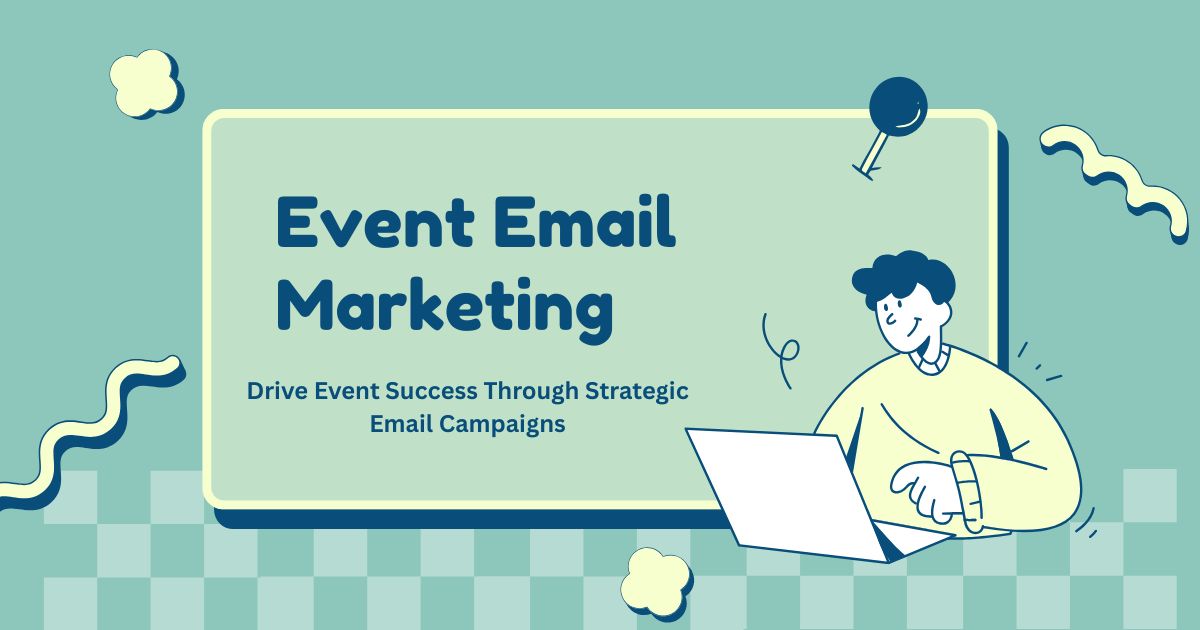
Event email marketing software helps organizers boost registrations, engage attendees, and track performance. Key features include automation, segmentation, registration integration, and analytics. Best practices involve personalizing emails, optimizing send times, clear calls-to-action, and measuring KPIs. Integrations with CRM and social media enhance reach and effectiveness, making events more successful and impactful.
What Is Event Email Marketing Software?
Event email marketing software combines traditional email marketing capabilities with specialized features designed specifically for event promotion and management. These platforms enable event organizers to create targeted campaigns, manage registrations, send automated reminders, and track engagement metrics throughout the entire event lifecycle.
Unlike general email marketing tools, event-specific platforms offer features like registration integration, ticketing support, waitlist management, and event-specific templates. They’re designed to handle the unique challenges of event marketing, from initial awareness campaigns to post-event surveys and follow-up communications.
The most effective event email marketing software seamlessly integrates with registration platforms, CRM systems, and social media channels, creating a unified approach to event promotion and attendee management.
Key Features to Look for in Event Email Marketing Software
Registration Integration and Management
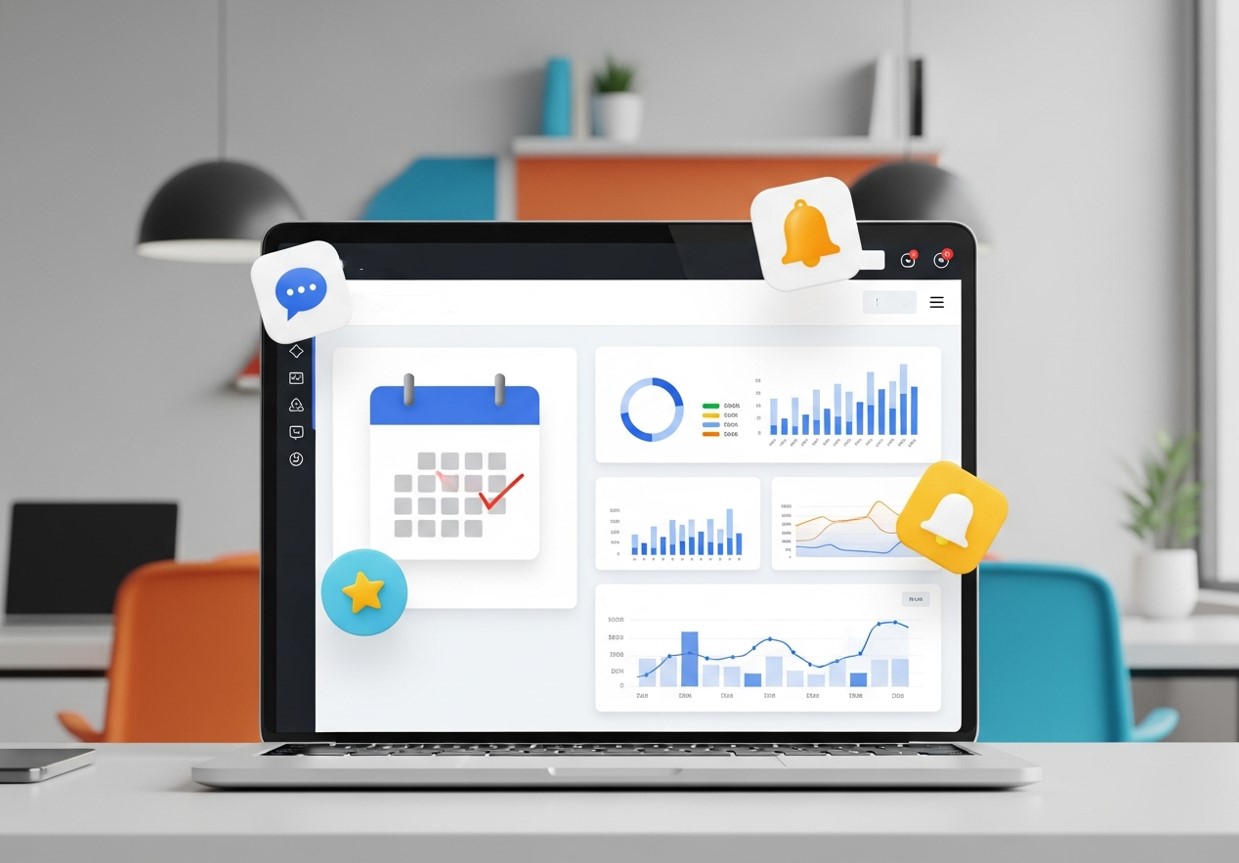
The best event email marketing software should seamlessly connect with your registration system. This integration allows for automatic list segmentation based on registration status, ticket type, or attendee preferences. Look for platforms that can trigger personalized emails based on registration actions, such as welcome messages for new registrants or special offers for VIP ticket holders.
Automated Email Sequences
Automation capabilities are crucial for effective event marketing. Your chosen platform should support pre-built email sequences that can be customized for different event types. These might include save-the-date announcements, registration reminders, speaker spotlights, agenda updates, and post-event thank you messages. To learn more about automating event communication, see our article on Event Marketing Automation to Boost ROI.
Advanced Segmentation Options
Effective event email marketing relies heavily on sending the right message to the right audience. Look for software that allows you to segment your lists based on factors like past event attendance, geographic location, industry, job title, or engagement history. This level of targeting ensures your messages resonate with each specific audience segment.
Real-Time Analytics and Reporting
Comprehensive analytics help you understand what’s working and what needs improvement. Your event email marketing software should provide detailed metrics on open rates, click-through rates, conversion rates, and revenue attribution. Real-time reporting allows you to make quick adjustments to your campaigns while they’re still running.
Mobile-Responsive Templates
With most emails being opened on mobile devices, your event email marketing software must offer mobile-responsive templates. These templates should automatically adjust to different screen sizes while maintaining professional appearance and functionality across all devices.
Top Event Email Marketing Software Options
Mailchimp
Mailchimp offers robust event marketing features including registration integration, automated email sequences, and detailed analytics. Their drag-and-drop email builder makes it easy to create professional-looking campaigns, while their audience insights help you better understand your attendees.
Eventbrite
As both a ticketing platform and email marketing tool, Eventbrite provides seamless integration between registration and communication. Their built-in promotional tools and social media integration make it easy to reach new audiences while keeping existing registrants engaged. For tips on integrating social media with your event campaigns, see Social Media Event Marketing Guide.
Constant Contact
Constant Contact specializes in small to medium-sized events with user-friendly interfaces and extensive template libraries. Their event marketing features include registration forms, automated reminders, and post-event surveys that help improve future events.
HubSpot
HubSpot’s event marketing tools are part of their comprehensive CRM platform, making it ideal for organizations that want to integrate event marketing with broader sales and marketing efforts. Their workflow automation and lead scoring features help identify the most engaged prospects.
Best Practices for Event Email Marketing
Start Early and Build Momentum
Begin your email marketing campaign well in advance of your event to give your audience ample time to plan and engage. Developing a content calendar can help structure your communications, gradually building excitement over several weeks or months. Start with “save-the-date” emails to ensure the event is on recipients’ radars. Follow up with speaker announcements, agenda highlights, early-bird registration promotions, and behind-the-scenes content that teases what attendees can expect. As the event approaches, send last-minute reminders and logistical updates to create urgency and ensure maximum participation. This layered approach keeps your event top-of-mind and increases overall engagement.
For tips on planning corporate events, check Corporate Event Marketing Guide to Success.
Personalize Your Communications
Leverage the data you have about your audience to deliver highly relevant and engaging emails. Personalization can go beyond inserting a recipient’s name—it might include referencing previous events they attended, suggesting sessions that match their industry or job role, or acknowledging VIP or loyalty status. Tailored recommendations make recipients feel recognized and valued, increasing the likelihood they will open your emails, engage with content, and register for your event. Behavioral triggers, such as sending follow-ups to those who clicked on specific agenda items, can further enhance relevance and drive action.
Optimize Send Times
Identifying the best times to send your emails can significantly impact open and click-through rates. Test various send times to determine when your audience is most receptive, considering factors like work schedules, peak engagement hours, and geographic time zones. For example, early mornings or late afternoons may work better for professionals, while evenings or weekends may suit consumers attending leisure events. Also, consider different types of emails—reminder emails, promotional content, and informational updates may perform better at different times. Continuous testing and analysis allow you to optimize campaigns for maximum engagement.
Create Compelling Subject Lines
Your subject lines are the first impression of your email, so they must capture attention while clearly conveying value. Effective subject lines create curiosity, urgency, or excitement, encouraging recipients to open the email. Examples include highlighting limited spots, early-bird deadlines, or exclusive insights from event speakers. Testing multiple subject line formats—such as questions, numbers, or action-driven statements—can reveal what resonates best with your audience. Remember, a well-crafted subject line paired with relevant content inside the email maximizes engagement and conversion.
Include Clear Calls-to-Action
Every email should include a clear and prominent call-to-action (CTA) that guides recipients toward your desired outcome. Whether it’s registering for the event, sharing it with colleagues, downloading additional resources, or participating in a poll, the CTA should be concise, actionable, and visually distinct. Use buttons or bold text to make CTAs stand out, and consider placing multiple CTAs strategically throughout longer emails. Testing different CTA wording, colors, and placements can further optimize response rates and ensure your email drives measurable action.
Measuring Success with Event Email Marketing Software

Key Performance Indicators
Tracking the right metrics is essential to evaluate the effectiveness of your event email marketing campaigns. While basic metrics like open rates and click-through rates provide insights into initial engagement, focus primarily on conversion-oriented KPIs that reflect your event’s core goals. These include registration rates, ticket sales, event attendance, and revenue generated per email sent. Additionally, consider secondary metrics such as the number of shares, forwards, or referrals generated through email campaigns, which indicate the viral reach of your messaging. By aligning KPIs with your specific objectives, you gain actionable insights into which email strategies are driving tangible results and which areas need improvement for future campaigns.
A/B Testing Strategies
A/B testing is a critical tool for optimizing your event email marketing performance. Test various elements of your campaigns, including subject lines, preview text, send times, content layout, imagery, and call-to-action placement. For example, you could test whether a subject line emphasizing urgency (“Last Chance to Register”) outperforms one highlighting value (“Exclusive Insights from Top Speakers”). Many modern email marketing platforms offer built-in A/B testing tools, allowing you to automatically divide your audience and measure which version achieves higher engagement or conversion. Continuous experimentation enables you to refine messaging, timing, and design strategies, resulting in higher registration rates and overall campaign effectiveness.
Post-Event Analysis
Measuring success doesn’t end once your event concludes. Conduct a thorough post-event analysis to understand the full impact of your email marketing efforts. Review attendee feedback from surveys, analyze social media mentions, and track follow-up engagement such as downloads, webinar views, or repeat registrations. Identify patterns that indicate which email content or tactics drove the most meaningful engagement. Use these insights to improve future campaigns, refine segmentation strategies, and enhance personalization. Post-event analysis also helps demonstrate ROI to stakeholders by linking email marketing activity directly to measurable business outcomes, ensuring continuous improvement in your event marketing strategy.
Integration with Other Event Marketing Tools
Social Media Platforms
Your event email marketing software should seamlessly integrate with major social media platforms such as Facebook, LinkedIn, Instagram, and Twitter to amplify your event reach. This integration allows you to automatically share email content, event invitations, or promotional campaigns directly to your social channels, saving time and maintaining consistent messaging across all platforms. Additionally, by tracking social media conversions back to your email campaigns, you can measure engagement, understand which posts drive attendance, and refine both your social and email strategies for maximum impact.
CRM Systems
Integrating your event email marketing software with a customer relationship management (CRM) system ensures that every interaction—whether it’s event registrations, clicks, or responses—is captured in your central database. This connection enables a more holistic view of your audience, helping you segment contacts, personalize follow-ups, and tailor communications based on prior engagement or purchase history. Over time, this data-driven approach enhances customer relationships, encourages repeat attendance, and strengthens loyalty by providing meaningful, relevant experiences that resonate with each individual.
Analytics Platforms
Connecting your email marketing software with analytics platforms such as Google Analytics, Adobe Analytics, or other data tools allows you to gain a comprehensive view of your event marketing performance. You can track key metrics such as open rates, click-throughs, registration completions, and post-event engagement while seeing how email campaigns contribute to overall traffic, conversions, and ROI. By understanding the full customer journey—from initial email interaction to event attendance and post-event follow-up—you can identify bottlenecks, optimize messaging, and make informed decisions that improve future campaigns.
Take Your Event Marketing to the Next Level
Event email marketing software represents a powerful opportunity to transform how you promote and manage your events. The right platform will not only save you time and effort but also help you create more engaging experiences that drive higher attendance and better outcomes.
Start by evaluating your current event marketing challenges and identifying which features would have the most significant impact on your success. Consider your budget, technical requirements, and integration needs as you explore different options.
Remember that the most sophisticated software won’t replace the need for compelling content and strategic thinking. Focus on understanding your audience, crafting relevant messages, and continuously testing and improving your approach. With the right combination of powerful event email marketing software and strategic execution, you’ll be well-equipped to make your next event a resounding success.
Frequently Asked Questions (FAQ)
What makes event email marketing software different from regular email marketing tools?
Event-specific software combines traditional email features with event-focused capabilities like registration integration, automated reminders, ticketing management, and personalized attendee journeys. Unlike general email tools, it’s designed to handle the full lifecycle of event marketing.
How can I improve registration rates using email campaigns?
You can boost registrations by segmenting your audience, personalizing emails based on past behavior, including clear calls-to-action, and creating urgency with countdown timers or limited-time offers. Automation ensures timely delivery of reminders and follow-ups.
Are there tools that combine email marketing and event ticketing?
Yes. Platforms like Eventbrite offer both registration management and email marketing capabilities, allowing seamless communication between ticketing and attendee engagement.
What metrics should I track to measure event email marketing success?
Focus on key metrics like open rates, click-through rates, registration conversions, ticket sales, and post-event engagement. A/B testing and campaign analytics help refine messaging and improve results over time.
Can event email marketing work for virtual events?
Absolutely. You can tailor communications for virtual attendees with platform instructions, links to sessions, and reminders. Post-event follow-ups can include session recordings and interactive content to maintain engagement.
How do I ensure emails are delivered and compliant with regulations?
Use software with built-in compliance features like double opt-ins and automated unsubscribe links. Monitor deliverability metrics and follow regulations such as GDPR, CAN-SPAM, or CASL to maintain trust and inbox placement.