Understanding the Event Marketing Industry

The event marketing industry has experienced significant growth over the past decade. Corporate events, trade shows, product launches, and experiential marketing campaigns have become crucial components of modern marketing strategies.
Event marketing businesses typically offer services ranging from corporate conference planning to brand activation campaigns. Some companies specialize in specific niches like tech conferences or luxury brand events, while others provide full-service solutions across multiple industries.
Understanding where you fit within this landscape is crucial for developing your business plan. Consider whether you’ll focus on B2B corporate events, consumer-facing brand experiences, or hybrid approaches that combine both.
Market Research and Analysis
Before diving into your event marketing business plan, conduct thorough market research. This foundation will inform every other section of your plan.
Identifying Your Target Market
Your target market extends beyond the clients who hire you. Consider the end attendees of events you’ll create, as their preferences directly impact your clients’ satisfaction. For examples of community-focused events, see How to Create Farmers Market Events That Build Community.
Research demographics, preferences, and behavior patterns of your intended audience. If you’re targeting corporate clients, understand their industry challenges, budget constraints, and success metrics. For consumer brands, analyze purchasing behaviors and engagement preferences.
Competitive Analysis
Study existing event marketing companies in your area and beyond. Analyze their service offerings, pricing structures, and client testimonials. Identify gaps in the market that your business could fill.
Look for patterns in their successes and failures. What types of events do they excel at? Where do client complaints frequently occur? This information helps you position your business strategically.
Industry Trends
Stay current with event marketing trends that affect your business plan. Virtual and hybrid events have transformed the industry, creating new opportunities and challenges. Sustainability concerns influence venue selection and catering choices. Technology integration affects everything from registration processes to attendee engagement.
Defining Your Business Model

Your event marketing business plan must clearly articulate how you’ll generate revenue and deliver value to clients.
Service Offerings
Define the specific services your event marketing business will provide. Common offerings include event strategy, venue sourcing, vendor management, registration, on-site execution, post-event analysis, digital promotion, and budget oversight. For detailed digital marketing strategies, reference Event Digital Marketing: Your Complete Strategy. Common offerings include:
- Event strategy and concept development
- Venue sourcing and management
- Vendor coordination and management
- Registration and attendee management
- On-site event execution
- Post-event analysis and reporting
- Digital marketing and promotion
- Budget management and financial oversight
Consider whether you’ll handle all aspects in-house or partner with specialized vendors for certain services. This decision affects your staffing needs, overhead costs, and profit margins.
Pricing Strategy
Develop a pricing structure that reflects your value while remaining competitive. Event marketing businesses typically use one of several pricing models:
Project-based pricing works well for one-time events with defined scopes. You estimate total costs and add your markup for profit.
Hourly rates suit consulting-style services or when project scopes remain unclear.
Retainer agreements provide steady income for ongoing client relationships.
Performance-based pricing ties your compensation to specific event outcomes, though this approach carries higher risk.
Your event marketing business plan should justify your chosen pricing strategy with market research and cost analysis.
Operations Plan
Detail how your event marketing business will function day-to-day. This section of your business plan should cover workflow processes, technology systems, and quality control measures.
Project Management Systems
Event marketing requires coordinating multiple moving parts simultaneously. Outline the project management tools and processes you’ll use to track timelines, budgets, and deliverables. Learn more about how event management software is transforming community events.
Consider software solutions that integrate vendor management, client communication, and financial tracking. Your business plan should account for these technology costs and explain how they improve efficiency.
Vendor Network Development
Building relationships with reliable vendors is crucial for event marketing success. Your business plan should outline strategies for identifying, vetting, and maintaining vendor partnerships.
Consider venues, catering companies, audiovisual providers, transportation services, and specialty suppliers. Having pre-negotiated rates and contracts streamlines the planning process and improves profit margins.
Quality Assurance
Establish processes for maintaining consistent quality across all events. This might include client check-in procedures, vendor performance evaluations, and post-event surveys.
Document these processes in your business plan to demonstrate professionalism to potential investors or partners.
Marketing and Sales Strategy
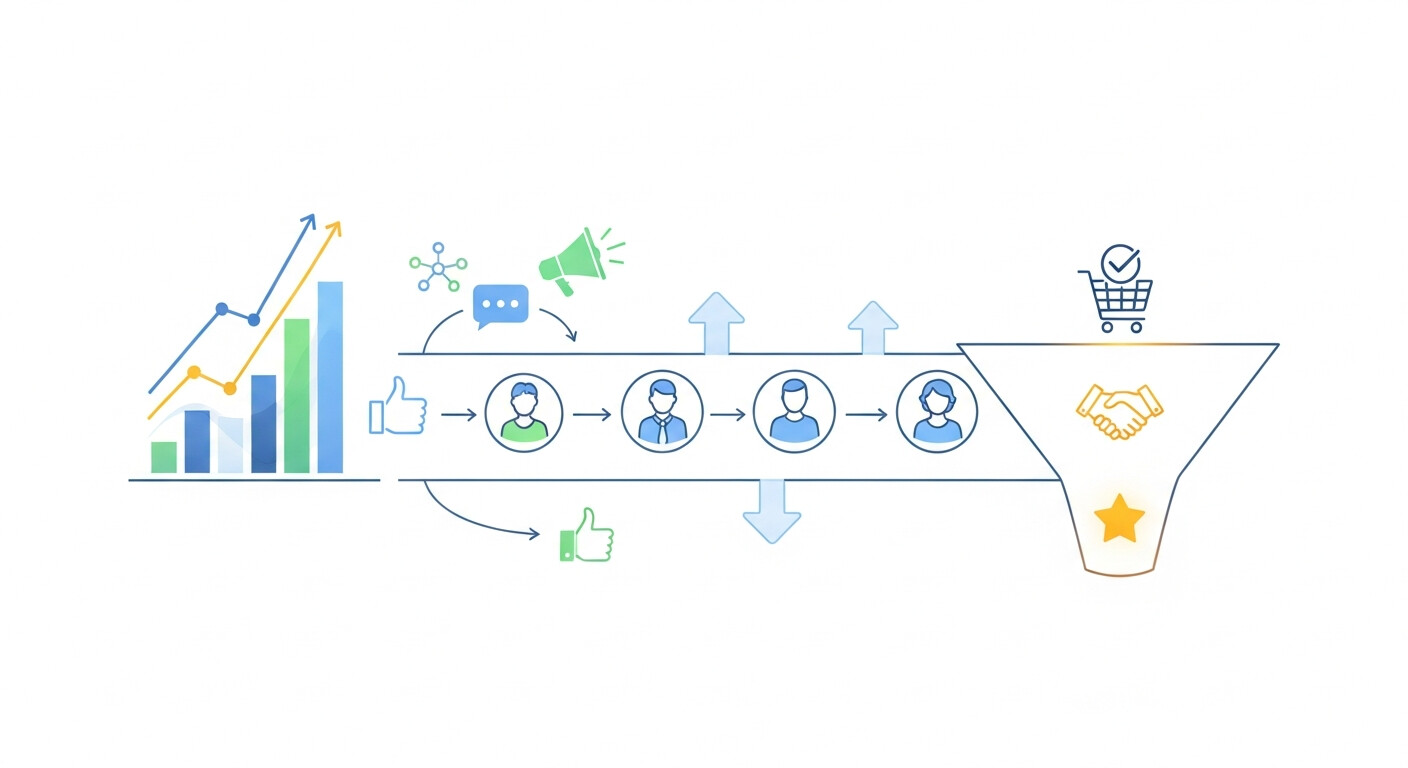
Your event marketing business plan needs a robust strategy for attracting and retaining clients.
Brand Positioning
Define what sets your event marketing business apart from competitors. Perhaps you specialize in sustainable events, excel at last-minute execution, or have unique expertise in specific industries.
Your positioning should resonate with your target market’s priorities and pain points. If corporate clients struggle with measuring event ROI, emphasize your data analysis capabilities.
Lead Generation Tactics
Outline specific methods for generating leads. Event marketing businesses often succeed through:
- Networking at industry events and conferences
- Content marketing showcasing event success stories
- Referral programs incentivizing existing clients
- Partnership development with complementary service providers
- Social media marketing highlighting event highlights
- Speaking engagements establishing thought leadership
Your business plan should detail the resources required for each tactic and projected return on investment.
Client Retention Strategies
Acquiring new clients costs more than retaining existing ones. Your event marketing business plan should include strategies for building long-term client relationships.
Consider offering annual contracts, loyalty discounts, or value-added services that encourage repeat business. Regular communication, detailed reporting, and exceptional service delivery form the foundation of client retention.
Financial Projections and Planning
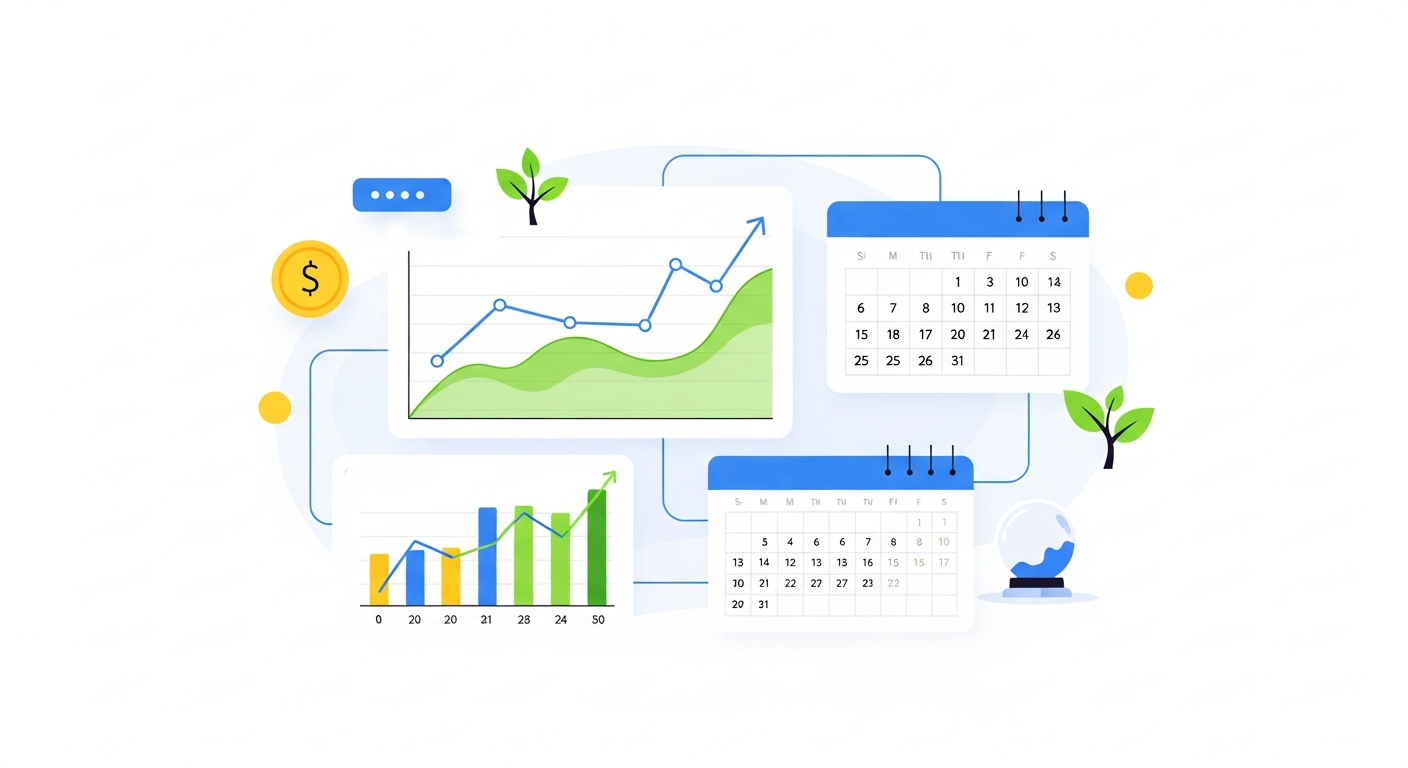
The financial section of your event marketing business plan demonstrates viability to investors and guides your decision-making.
Startup Costs
Calculate initial expenses for launching your event marketing business. These typically include:
- Business registration and legal fees
- Insurance premiums
- Office space and equipment
- Technology and software subscriptions
- Initial marketing and branding costs
- Working capital for first projects
Be realistic about these costs and include contingency funds for unexpected expenses.
Revenue Projections
Develop conservative, realistic, and optimistic revenue scenarios for your first three years. Base these projections on your market research, pricing strategy, and capacity constraints.
Consider seasonal fluctuations common in event marketing. Many businesses experience higher demand in spring and fall, with slower periods during summer and winter holidays.
Cash Flow Management
Event marketing businesses often face cash flow challenges due to payment timing. Clients may pay deposits months before events occur, while vendor payments come due shortly after services are rendered.
Your business plan should address cash flow management strategies, including payment terms, credit lines, and invoice factoring if necessary.
Risk Management and Contingency Planning
Event marketing involves inherent risks that your business plan must address.
Insurance Requirements
Outline the insurance coverage your event marketing business needs. General liability insurance protects against accidents during events. Professional liability coverage addresses errors and omissions in your planning services. Consider cyber liability insurance if you handle client data electronically.
Contingency Planning
Develop procedures for handling common event challenges like weather disruptions, vendor cancellations, or last-minute client changes. Having documented contingency plans demonstrates professionalism and preparedness.
Your business plan should also address broader business continuity issues, such as key personnel departure or economic downturns affecting client budgets.
Team Structure and Hiring Plans
Define the organizational structure of your event marketing business and future hiring needs.
Key Roles and Responsibilities
Identify essential positions for your event marketing business operations. Common roles include:
- Account managers for client relationships
- Event coordinators for logistics management
- Creative directors for concept development
- Production managers for on-site execution
- Administrative support for back-office functions
Your business plan should outline when you’ll hire for each position based on revenue growth and workload capacity.
Professional Development
Event marketing requires staying current with industry trends, technology, and best practices. Budget for ongoing training, conference attendance, and certification programs for your team.
Technology and Innovation
Technology plays a critical role in the success of modern event marketing businesses, influencing everything from internal operations to the attendee experience. Your event marketing business plan should clearly explain how technology will support efficiency, scalability, and service quality. By leveraging the right digital tools, you can streamline planning processes, improve communication, reduce manual work, and deliver more engaging experiences for clients and attendees alike.
Innovation is equally important. The event marketing landscape evolves quickly, and businesses that fail to adapt risk falling behind. Your plan should demonstrate how you will stay informed about emerging technologies, test new solutions, and selectively adopt tools that enhance value rather than add unnecessary complexity. A forward-thinking approach to technology positions your business as a modern, reliable partner capable of executing high-impact events.
Event Technology Stack
Modern events rely heavily on a well-integrated technology stack to manage registration, check-in, networking, engagement, and post-event follow-up. Your event marketing business plan should outline the core tools you will use or recommend to clients, along with the criteria you’ll use to evaluate new platforms.
Event registration and ticketing systems help manage attendee data efficiently while improving the user experience. Digital check-in solutions reduce wait times and create a professional first impression at live events. Mobile event apps enhance engagement by providing schedules, speaker details, real-time updates, and networking opportunities in one centralized platform.
Advanced technologies such as live streaming and virtual event platforms allow you to extend reach beyond physical attendees, making hybrid events more accessible and measurable. Immersive tools like virtual or augmented reality can elevate brand activations and product launches, creating memorable experiences that stand out. Social media integration tools also play a key role, enabling real-time sharing, hashtag tracking, and audience interaction that amplifies event visibility.
Your business plan should explain how you’ll select technology partners, train staff on these tools, and ensure seamless integration across platforms to deliver smooth, professional event experiences.
Data Analytics and Reporting
Taking Your Event Marketing Business Plan Forward
Creating a comprehensive event marketing business plan requires significant time and research, but it provides the foundation for sustainable growth. Your plan should evolve as you gain experience, adapt to market changes, and expand your service offerings.
Review and update your business plan regularly, at least annually or when major changes occur in your business or the industry. Use it as a living document that guides decision-making and measures progress toward your goals.
Start by conducting thorough market research in your area. Connect with potential clients to understand their event marketing needs and budget parameters. This real-world feedback will validate your assumptions and refine your business plan before you launch.
A solid event marketing plan lays the foundation for successful seasonal promotions. If you’re preparing for a high-impact campaign during the colder months, don’t miss How to Plan a Winter Campaign That Doubles Your Revenue for actionable tips tailored to winter marketing.
Frequently Asked Questions (FAQ)
What is an event marketing business plan?
An event marketing business plan is a strategic document that outlines your services, target market, operations, financial projections, and growth strategy. It serves as a roadmap for building, managing, and scaling a successful event marketing company.
Do I need a business plan to start an event marketing company?
Yes. While it’s possible to start informally, a business plan helps you clarify your positioning, anticipate costs, manage risks, and attract funding or partners. It significantly increases your chances of long-term success.
How much capital is required to start an event marketing business?
Startup costs vary depending on scale, location, and services offered. Expenses typically include legal fees, insurance, software, marketing, and initial operating capital. A detailed financial projection in your business plan helps estimate realistic funding needs.
What makes an event marketing business competitive?
Competitive advantage often comes from specialization, strong vendor relationships, consistent execution, data-driven reporting, and excellent client communication. Clearly defining these strengths in your business plan helps position your brand effectively.
How long does it take for an event marketing business to become profitable?
Profitability timelines vary, but many event marketing businesses begin to see consistent profits within 12 to 24 months. Success depends on pricing strategy, client acquisition, cost control, and the ability to secure repeat business.