What is Retail Event Marketing?
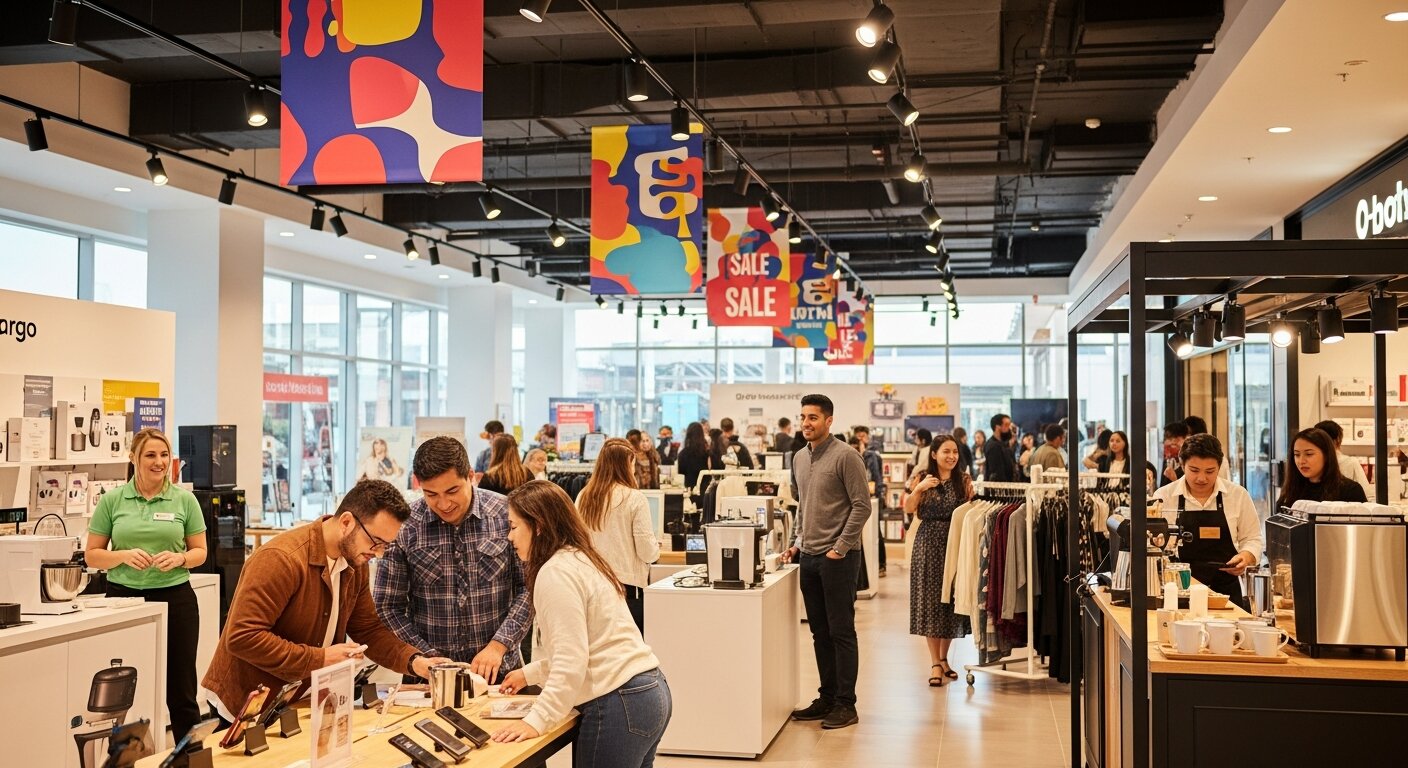
In retail event marketing, organizers schedule and carry out a wide variety of events that can be used to promote brands and businesses within the retail environment. These events range from in-store promotions, product launches, and pop-up shops to exponential marketing campaigns where you give people an “experience” rather than simply an object.
It’s a simple but powerful mission: to create an impression and get the customer involved; to make them feel as if they’re part of something unique, so that their loyalty grows, not only to ourselves but also those we represent. And in the end, increase sales.
Retail event marketing is different from traditional advertising. It lets brands communicate with their target audience directly, makes an emotional connection, and leaves behind a lasting impression
Examples of Retail Event Marketing
- Pop-up Events: Temporary shops or spaces designed to promote specific products or collections.
- Product Launch Events: Events that introduce a new product to the market, often accompanied by live demonstrations or influencer appearances. See how virtual event marketing strategies can extend product launch reach.
- Seasonal Promotions: Events tied to holidays or special occasions, such as Black Friday sales or Christmas-themed experiences.
- Experiential Marketing Campaigns: Immersive experiences like interactive displays or augmented reality setups to engage shoppers beyond typical store visits.
The Role of a Retail Event Marketer
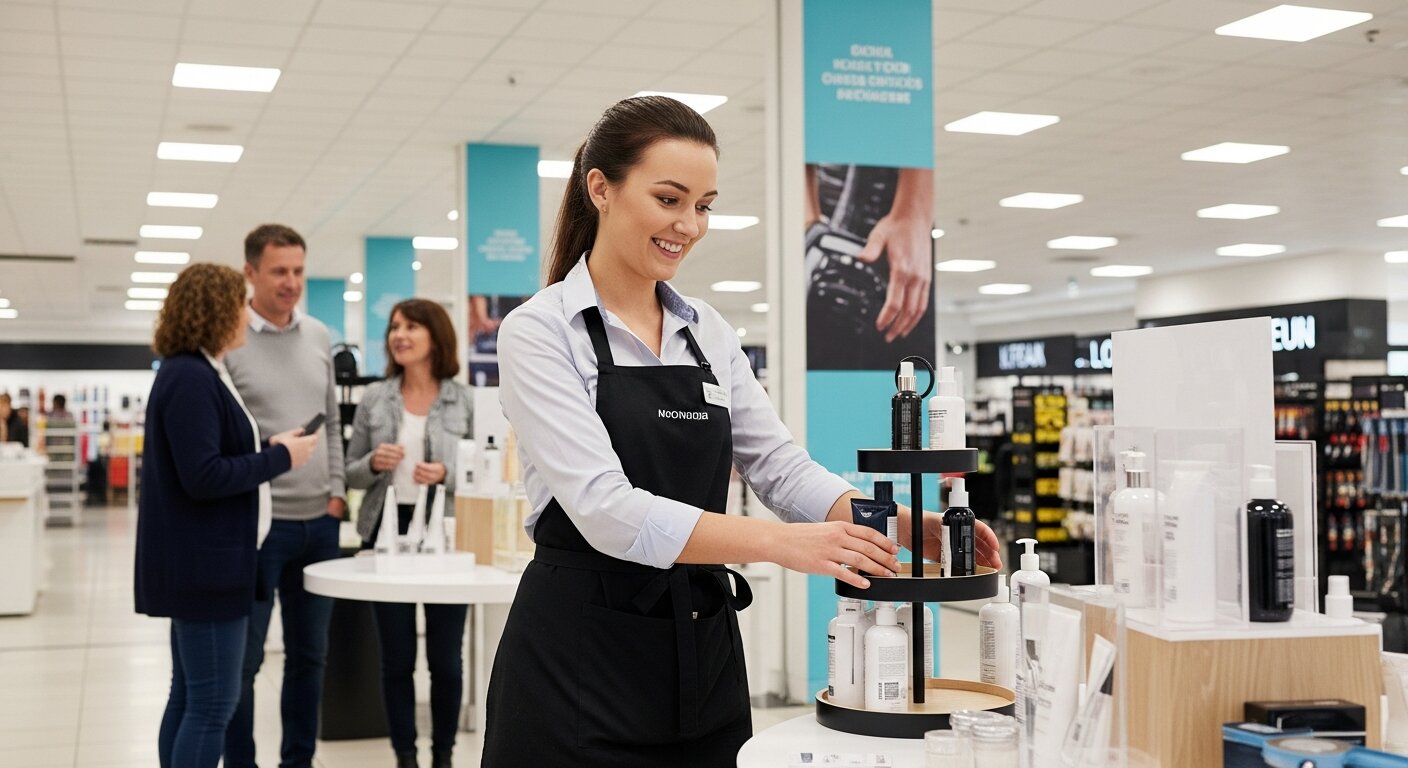
A retail event marketer serves as the creative and strategic mind behind every successful brand activation. Beyond simply organizing events, they conceptualize innovative ideas that align with a brand’s marketing objectives and resonate with the target audience. Their role involves extensive research into customer behaviors, market trends, and competitor activities. For practical guidance, reviewing the role of a marketing events coordinator can provide additional perspective. From planning timelines and managing budgets to coordinating logistics and overseeing on-site execution, they ensure that every detail—from venue selection and event design to staffing and promotional materials—works together to create a seamless and engaging customer experience. By bridging the gap between marketing goals and real-world interactions, a retail event marketer plays a pivotal role in enhancing brand visibility, fostering customer loyalty, and ultimately driving sales through thoughtfully executed experiences.
Responsibilities of a Retail Event Marketer
Understanding the Target Audience
Every successful event starts by identifying who the target audience is. Retail event marketers analyze customer demographics, preferences, and behaviors. This research helps design events that attract the desired audience and deliver relevant experiences.
Developing a Detailed Event Strategy
From timelines and goals to budgets and logistics, retail event marketers create comprehensive plans to bring their event concepts to life. This also includes selecting the perfect venue, be it a flagship store or a bustling outdoor location.
Collaborating with Cross-Functional Teams
Retail event marketers work closely with marketing, sales, and product teams to ensure the event fits seamlessly into broader business objectives. Effective collaboration also involves partnerships with vendors, influencers, and advertising agencies.
Promoting the Event
A major responsibility of event marketers is creating buzz. This could involve using social media for event promotion, posting teaser campaigns, or collaborating with local influencers to drive attendance.
Analyzing Event ROI
The work doesn’t end once the event concludes. Retail event marketers gather data on attendance, sales, customer feedback, and engagement to measure its success. These insights help refine strategies for future events. Using strategies from the ultimate checklist for hosting virtual events can ensure proper evaluation and planning.
Key Skills for a Successful Retail Event Marketer
To thrive in this dynamic field, event marketers need a mix of creativity, analytical thinking, and organizational prowess. Here are some of the top skills required:
- Strategic Planning: The ability to design events that align with larger marketing goals.
- Communication Skills: To collaborate effectively with teams, vendors, and influencers.
- Budget Management: Ensuring all aspects of the event remain cost-effective.
- Problem-Solving: Handling last-minute challenges that arise during event execution.
- Tech Savvy: Familiarity with event management software and online promotional tools.
Why Retail Event Marketing is Crucial
Boosting Customer Engagement
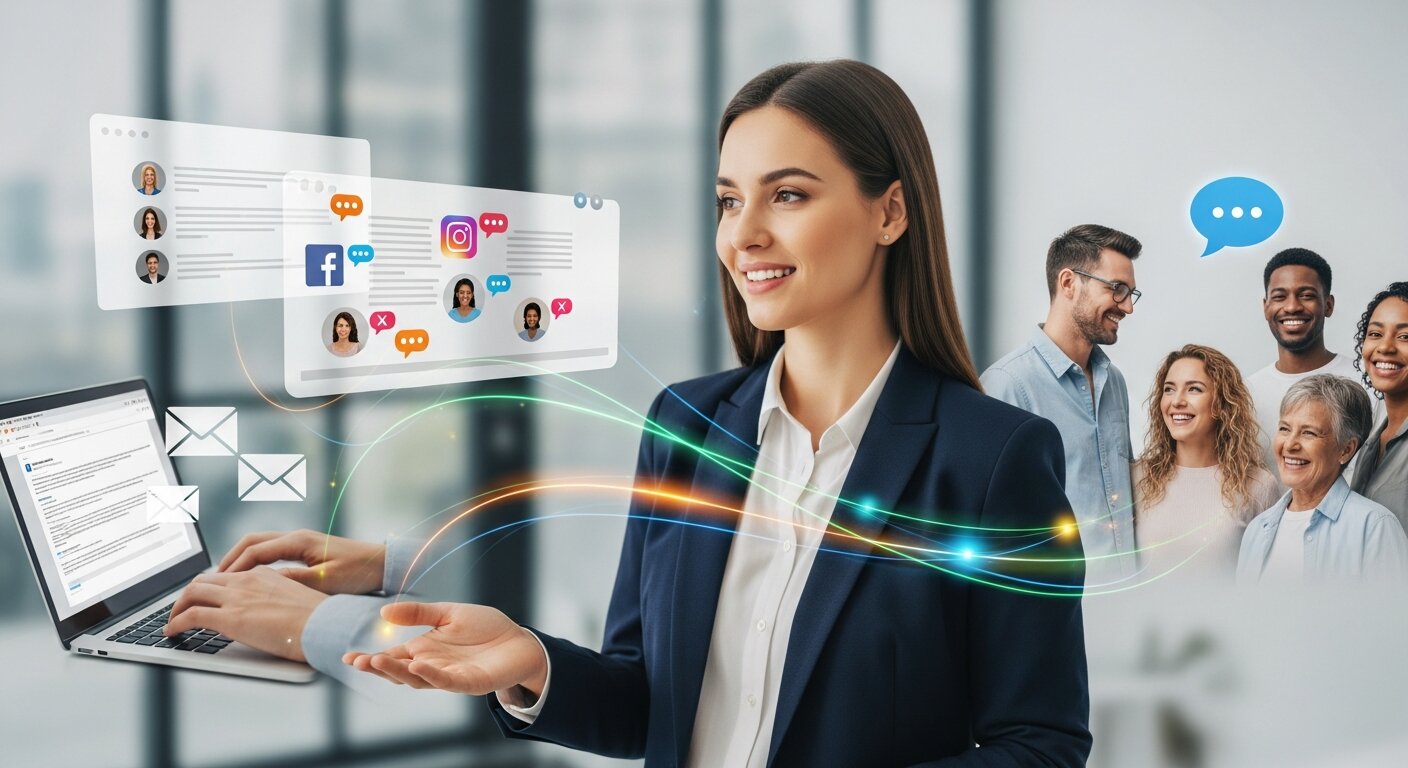
In today’s fast-paced world, consumers are constantly bombarded with messages from multiple channels, making it increasingly difficult for retailers to capture attention. Retail event marketing offers a unique solution by creating direct, face-to-face interactions that are both personal and memorable. These experiences allow brands to engage customers in a more meaningful way than traditional advertising methods, providing opportunities for conversation, feedback, and hands-on interaction with products. By immersing attendees in activities that stimulate their senses—such as live demonstrations, interactive displays, or immersive themed experiences—retailers can foster deeper emotional connections, increase engagement time, and make customers feel genuinely valued. These moments of connection often translate into stronger brand recall and a higher likelihood of repeat visits.
Enhancing Brand Loyalty
When executed thoughtfully, retail events do more than just attract attention—they cultivate lasting relationships between the brand and its audience. Personalized experiences, such as tailored product demonstrations, VIP access, or exclusive content, create positive associations that stick with customers long after the event ends. By making attendees feel recognized and appreciated, events can encourage repeat engagement and deepen trust in the brand. Over time, this nurtures a loyal community of customers who not only continue to make purchases but also become advocates, sharing their positive experiences with friends and family, amplifying the brand’s reach organically.
Driving Sales
Retail events are not only about engagement—they also have a direct impact on revenue. Carefully planned events often generate immediate spikes in sales by creating a sense of urgency, exclusivity, or excitement around products. In-store demonstrations allow customers to experience the value of a product firsthand, which can significantly increase purchase intent. Similarly, offering event-only promotions, limited-edition merchandise, or bundled deals incentivizes purchases that might not happen through traditional retail channels. By combining entertainment, education, and sales tactics in one cohesive experience, retail events provide a measurable return on investment that benefits both short-term revenue and long-term customer relationships.
Amplifying Reach Through Social Media
Retail events today don’t end when attendees leave the venue—they extend into the digital world through social media. Platforms like Instagram, TikTok, and Facebook allow participants to share photos, videos, and live updates from the event, amplifying the brand’s visibility far beyond the physical location. Strategically designed visual elements, photo-worthy setups, and engaging activities encourage attendees to post organically, creating authentic buzz and word-of-mouth marketing. Brands can further extend this reach by promoting user-generated content, running event-specific hashtags, or creating digital highlights, ensuring that even those who couldn’t attend in person feel connected to the experience.
Addressing Modern Challenges
The retail industry faces multiple challenges, including declining foot traffic, heightened competition, and the increasing shift toward online shopping. Retail event marketing addresses these challenges by providing compelling reasons for customers to step into physical stores or interact with the brand in a tangible way. By offering memorable, interactive, and educational experiences, retailers can revitalize the in-store experience, create excitement around product launches, and re-establish the store as a destination rather than just a point of purchase. Additionally, events allow brands to gather valuable customer insights, such as feedback, preferences, and behavior patterns, which can be used to refine future strategies and stay ahead in a competitive marketplace.
How to Plan a Successful Retail Event
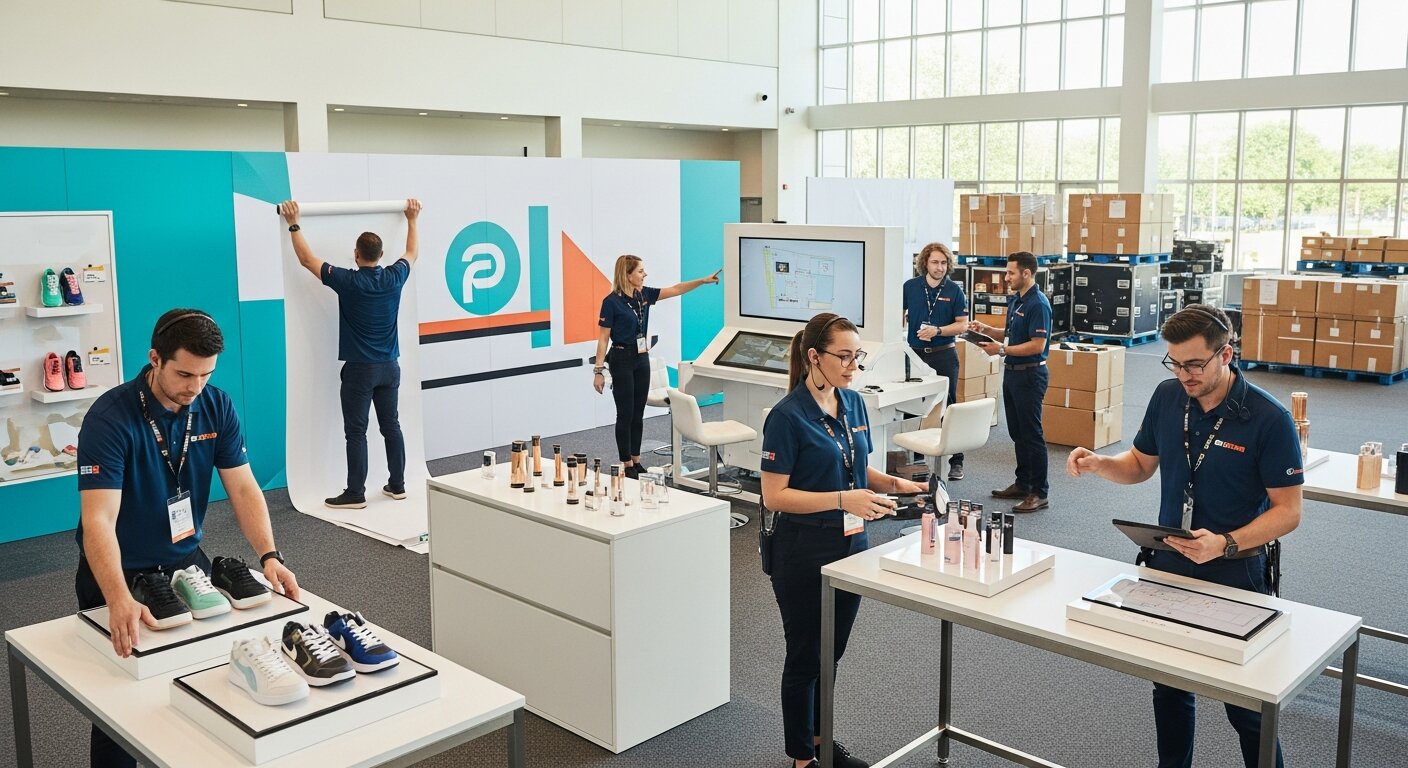
Here’s a step-by-step guide for creating a retail event that leaves a lasting impression.
Define Your Objectives
Determine the primary goal of the event. Is it to launch a new product, increase brand awareness, or boost in-store visits? Clearly defined objectives will shape your entire strategy.
Understand the Target Audience
Identify the demographics, preferences, and habits of your ideal attendees. Tailor the event theme and messaging to resonate with them.
Choose the Right Venue
Select a location that aligns with your goals and accommodates your expected turnout. Be it an in-store location or a trendy pop-up venue, the ambiance should enhance the overall customer experience.
Create Buzz Before the Event
Leverage all your marketing channels to promote the event. Use email campaigns, social media ads, and influencer collaborations to generate excitement and encourage attendance.
Invest in Immersive Experiences
People remember events that offer something unique. Consider adding interactive displays, live demos, or surprise elements to captivate attendees.
Follow Up and Measure Success
Send thank-you emails post-event, and gather feedback for improvement. Use KPIs like social media engagement, sales metrics, and customer participation rates to evaluate the ROI of the event.
The Future of Retail Event Marketing
Retail event marketing continues to evolve thanks to advancements in technology and changing consumer behaviors. Emerging trends include the use of virtual and hybrid event models, augmented reality displays, and greater emphasis on sustainability in event execution.
Brands that invest time and resources into their event strategies now will be better positioned to win customer loyalty in the long run.
Get Inspired for Your Next Event
Retail events are not only about products, they are also about connecting people. Engaging a good retail event marketer or aligning with best practices, it’s possible to create memorable moments that linger well after attendees have left the venue.
But you’ve got an idea in your head for how that next retail event should look, and want to get it off the ground? Just get in touch with us! Benefit from our expert tools and resources to promote your retail from street to merchandise.
Frequently Asked Questions (FAQs)
What does a Retail Event Marketer do on a day-to-day basis?
A Retail Event Marketer is responsible for planning, executing, and analyzing retail events. This includes everything from concept development, audience research, and venue selection to budget management, promotion, and post-event reporting. Their goal is to create experiences that connect brands with customers, boost engagement, and drive sales.
How can a Retail Event Marketer measure the success of an event?
Success can be measured using KPIs like attendance, social media engagement, sales generated during or after the event, customer feedback, and lead conversion. A Retail Event Marketer leverages both quantitative and qualitative data to optimize future events.
Why is hiring a Retail Event Marketer important for brands?
A Retail Event Marketer brings expertise in creating memorable experiences that align with a brand’s objectives. They ensure that every detail—from storytelling to technology integration—enhances customer engagement and maximizes ROI.
What skills should a Retail Event Marketer have?
Key skills include strategic planning, creativity, communication, budget management, data analysis, and proficiency with event technologies. They must also be adaptable, able to solve problems on the fly, and capable of creating experiences that emotionally resonate with audiences.
Can a Retail Event Marketer improve brand loyalty?
Absolutely. By designing immersive, personalized, and memorable events, a Retail Event Marketer strengthens emotional connections between the brand and customers, encouraging repeat engagement and long-term loyalty.
How do Retail Event Marketers incorporate social media into their strategy?
Social media is used both for promotion before the event and amplification afterward. A Retail Event Marketer may collaborate with influencers, post live updates, or encourage user-generated content to increase reach and engagement.
How does a Retail Event Marketer choose the right event type for a brand?
A Retail Event Marketer evaluates the brand’s goals, target audience, and budget to select the most effective event type—whether it’s a pop-up shop, product launch, seasonal promotion, or experiential marketing campaign. The right choice ensures maximum engagement and ROI.
What role does a Retail Event Marketer play in influencer collaborations?
A Retail Event Marketer identifies influencers who align with the brand’s audience and oversees collaborations to maximize reach and authenticity. From planning influencer activations to measuring impact, they ensure partnerships drive meaningful engagement.
Can a Retail Event Marketer help with hybrid or virtual events?
Yes. Modern Retail Event Marketers are skilled at designing hybrid or virtual experiences that extend the reach of physical events. They integrate technology, track audience engagement online, and ensure the event delivers value to both in-person and remote attendees.
How does a Retail Event Marketer optimize post-event follow-up?
After the event, a Retail Event Marketer collects data from surveys, sales metrics, and social media interactions to analyze success. They then create follow-up campaigns, thank-you messages, or personalized offers to sustain engagement and strengthen customer loyalty.