This guide covers everything you need to execute successful TikTok event marketing campaigns. We explore content creation, influencer partnerships, branding, and analytics tracking. You will learn how to leverage trends, run engaging challenges, and ultimately convert scrolling viewers into excited event attendees.
Mastering TikTok event marketing requires blending creativity with strategy. You can capture attention, drive ticket sales, and build massive hype for your next big gathering using short-form video.
The Foundation of TikTok Event Marketing
TikTok event marketing represents a fundamental shift in how organizers connect with potential attendees. Instead of relying on static flyers or long-form copy, you use dynamic, sound-driven videos to showcase the energy of your gatherings. To succeed, you must understand how the platform’s algorithm rewards genuine, engaging content over highly polished corporate advertisements.
When you implement a TikTok event marketing strategy, you give users a behind-the-scenes look at your planning process. Showing venue walkthroughs, artist rehearsals, or the raw excitement of past events builds immediate trust. The goal of TikTok event marketing is not just to sell a ticket, but to sell an experience that users feel they cannot miss.
By actively participating in trends and using popular sounds, your TikTok event marketing efforts can reach audiences far beyond your immediate follower base. This organic reach makes TikTok event marketing one of the most cost-effective ways to promote concerts, trade shows, virtual summits, and local pop-up experiences. You can track your reach using platforms like Google Analytics to see how social traffic converts on your ticketing page.
Understanding Brand Identity for Events
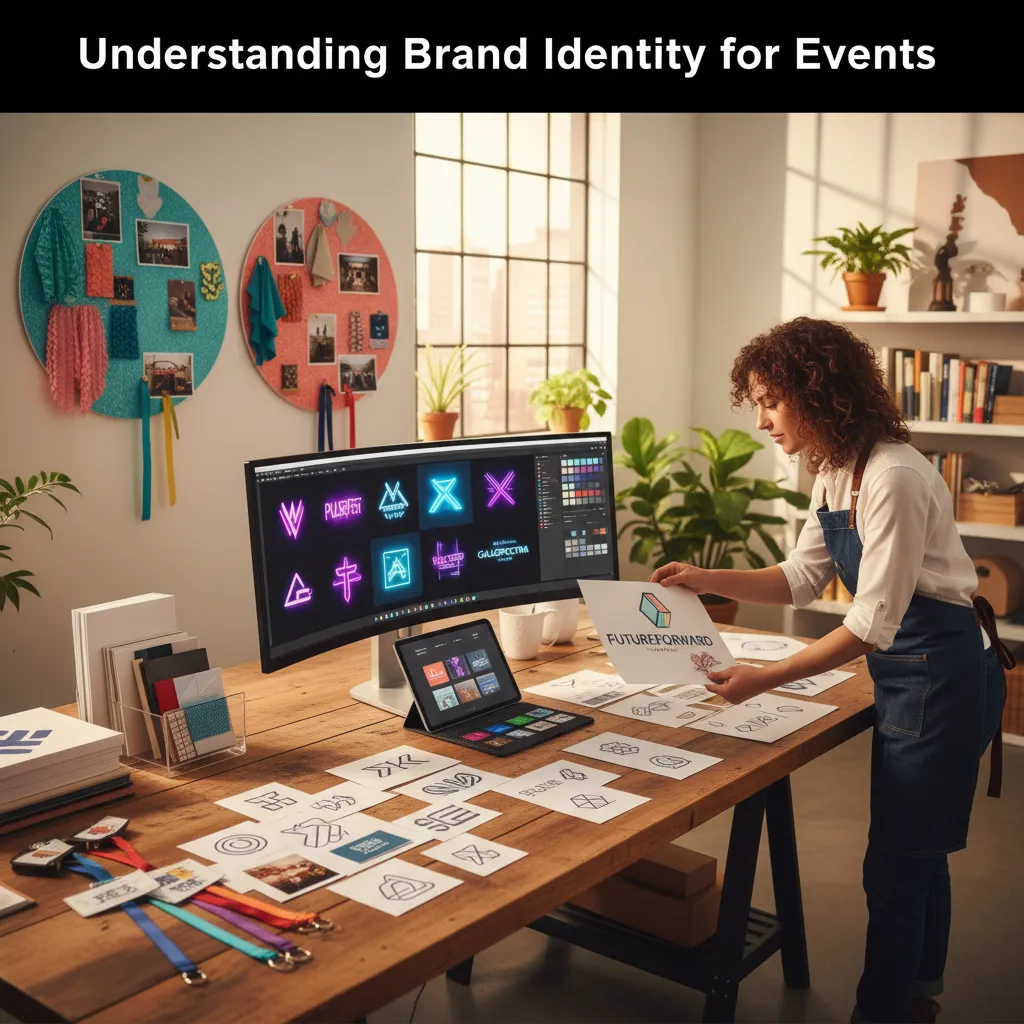
A core component of TikTok event marketing is establishing a recognizable brand. Event organizers must deeply consider Brand Personality In Marketing. Your personality dictates the music you choose, the creators you partner with, and the tone of your captions. Are you hosting a high-energy music festival or a professional networking summit? The personality must match the output.
Understanding how to Create Strong Brand Positioning in Your Market helps you stand out. Good Brand Positioning in Marketing ensures your audience knows exactly what to expect from your event versus a competitor’s event. The Major Objective of All Brand Marketing is to build trust and loyalty, converting one-time attendees into lifelong fans.
You can also explore Co-branding in Marketing. Partnering with sponsors or complementary brands on TikTok can double your reach. Through it all, you must monitor your Brand Perception in Marketing—how the audience genuinely feels about your event based on your TikTok presence.
Elevating Your Digital Strategy
To master TikTok event marketing, you need a cohesive digital plan. How to Use Digital Marketing to Enhance Brand Awareness involves consistent posting, community engagement, and data analysis. Use keyword research tools like SEMrush and Ahrefs to discover what your audience is searching for online, then translate those topics into TikTok videos.
Many event planners seek out Digital Marketing Success Stories to model their campaigns after. These stories often highlight Integrated Marketing, where TikTok event marketing works alongside email campaigns and PR pushes. You must also answer, What is Branded Content Marketing? On TikTok, it means creating videos that provide entertainment or education rather than just pushing a sales message.
Influencer Integration in TikTok Event Marketing
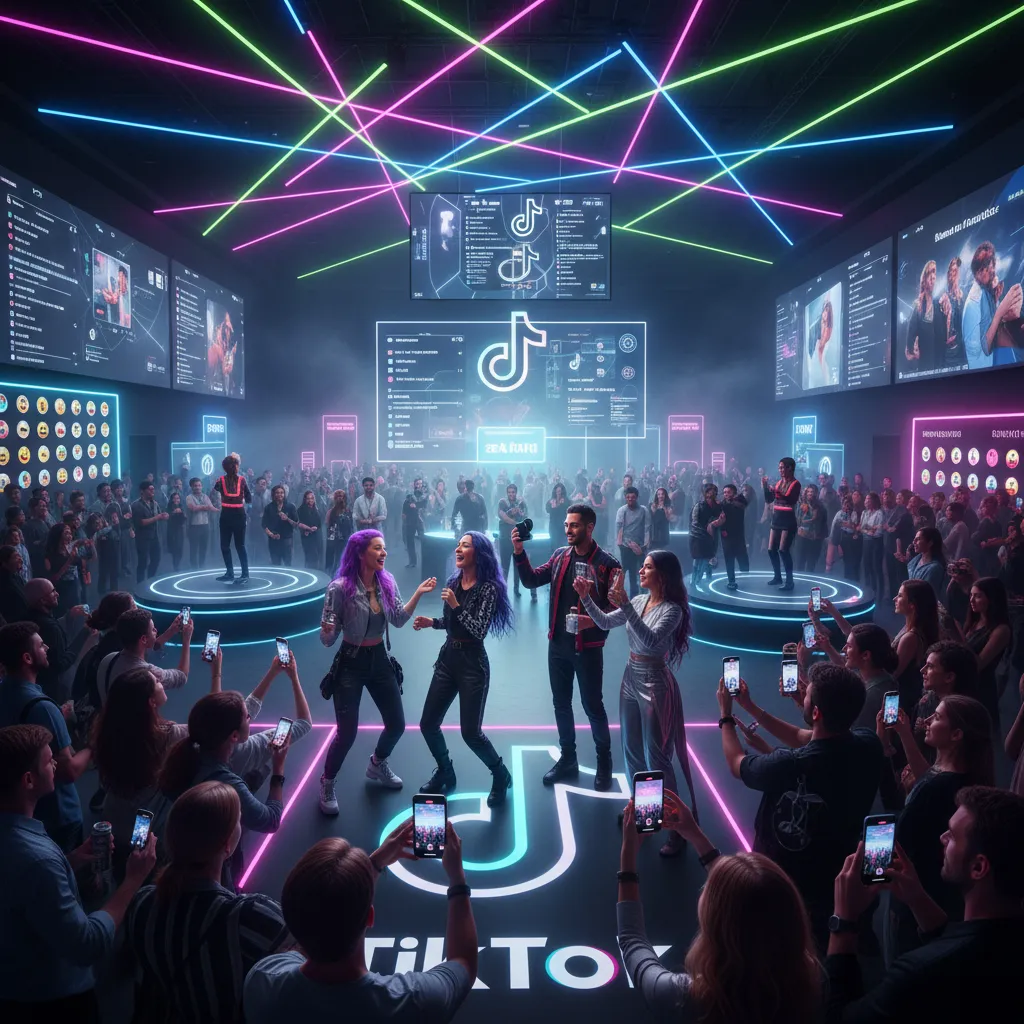
Influencer Marketing is the lifeblood of many successful TikTok event marketing campaigns. But what is influencer marketing, exactly? It is the practice of partnering with content creators who have a dedicated following to promote your event.
Understanding how influencer marketing works and how it works in detail requires looking at audience alignment. When a trusted creator vouches for your event, their audience listens. This explains Why is influencer marketing is so powerful and why influencer marketing works so well for ticket sales.
Event organizers must recognize the Importance and success of influencer marketing and exactly why influencer marketing is important in a crowded digital landscape. People trust people over faceless corporations.
The Agency and Management Side
If you are managing a large festival, you might ask, What is an influencer marketing agency and How to set up an influencer marketing agency if you want to bring the operations in-house. These agencies act as middlemen.
What does an influencer marketing manager do? They identify the right talent, negotiate rates, and ensure the creator’s content aligns with your TikTok event marketing goals. They also know which Social media platform is best for influencer outreach—and right now, TikTok is leading the charge.
You do not always need massive celebrities. What is micro influencer marketing? It involves partnering with creators who have smaller, highly engaged, and niche audiences. These partnerships often yield higher conversion rates for local events. Keep an eye on the Top influencer marketing trends to ensure your approach remains fresh.
Executing the Influencer Strategy
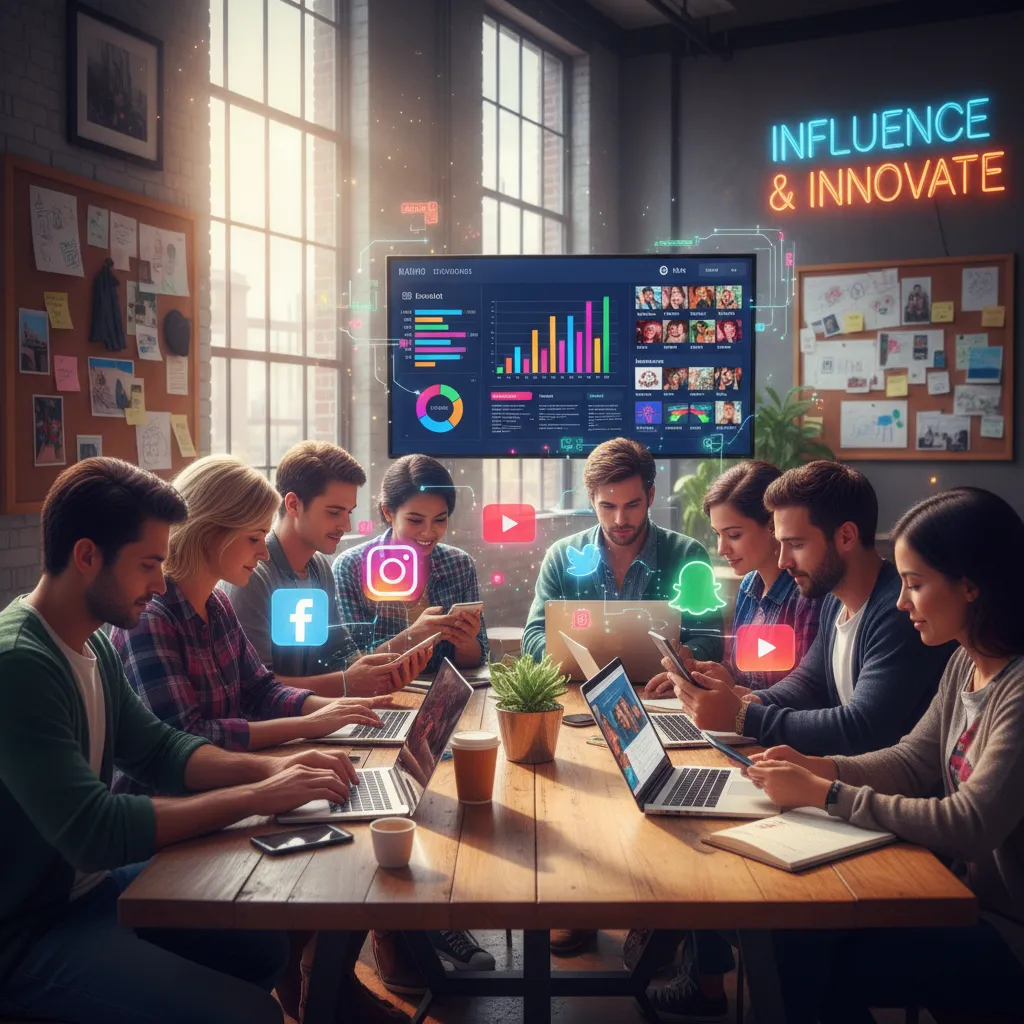
Knowing when to use influencer marketing is crucial. Engage creators weeks or months before the event to build hype. Follow these Steps to run a winning influencer campaign:
- Identify your target audience and match them with creators.
- Set clear deliverables and timelines.
- Provide creators with trackable affiliate links.
- Give them creative freedom to speak to their audience naturally.
You will soon discover what makes a good influencer marketing campaign: authenticity and clear communication. To determine if influencer marketing is an effective approach for your specific event, you need to know how to evaluate influencer marketing effectively. Look at engagement rates, link clicks, and direct ticket sales rather than just video views. You can read extensive guides on this on Backlinko.
Cross-Industry Insights for TikTok Event Marketing
To truly innovate your TikTok event marketing, look outside the events industry. Look at what brands use influencer marketing and which companies use influencer marketing.
For example, Luxury Brand Marketing thrives on exclusivity and aspiration. You can apply this to VIP ticket packages. CPG Brand Marketing (Consumer Packaged Goods) focuses on fast conversions and high volume, teaching us how to drive quick ticket sales. Understanding Consumer Brand Marketing? helps you focus on the end-user experience. You can also leverage Family Branding in Marketing if you are promoting family-friendly festivals or conventions.
Unconventional Lessons from Other Sectors
We can learn a lot by observing how Social media is transforming healthcare marketing, which relies on breaking down complex jargon into digestible, engaging videos. Apply this to explaining complex event schedules.
Consider how digital marketing influences consumers in high-stakes environments. People often search for what’s influencing financial markets right now, what influences the forex market, or even ask if influencing the stock market is illegal. While your TikTok event marketing is not financial advice, the urgency, credibility, and rapid information delivery seen in the financial sector can be applied to flash ticket sales and early-bird deadlines.
Ethics, Inclusivity, and Sustainable Branding
Modern attendees care about the values behind your event. Implementing Inclusive Brand Strategies in your TikTok event marketing ensures everyone feels welcome. Feature diverse creators, ensure venues are accessible, and highlight this in your videos, as these are critical responsibilities within the marketing events manager role to ensure the brand resonates with a broad audience.
You can also use Nostalgia in Digital Branding to evoke warm feelings, perhaps by highlighting retro themes for your event.
When discussing sustainability, be honest. Implement genuine Sustainable Branding Strategies. Consumers are quick to uncover The Truth Behind Branded Sustainability and Environmental Harm. If your event claims to be “green,” use your TikTok event marketing to show exactly how you are recycling, reducing waste, and operating ethically.
TikTok Event Marketing Campaign Features
|
Feature |
Best Use Case for TikTok Event Marketing |
Expected Outcome |
|---|---|---|
|
TikTok LIVE |
Q&A sessions with speakers or performers |
Real-time engagement and ticket sales |
|
Branded Hashtags |
Event-specific challenges |
Massive user-generated content |
|
In-Feed Ads |
Retargeting users who visited your site |
Higher conversion rates |
|
Stitch & Duet |
Reacting to attendee excitement |
Community building and interaction |
Leveraging TikTok’s “Search Engine” Status for Discovery
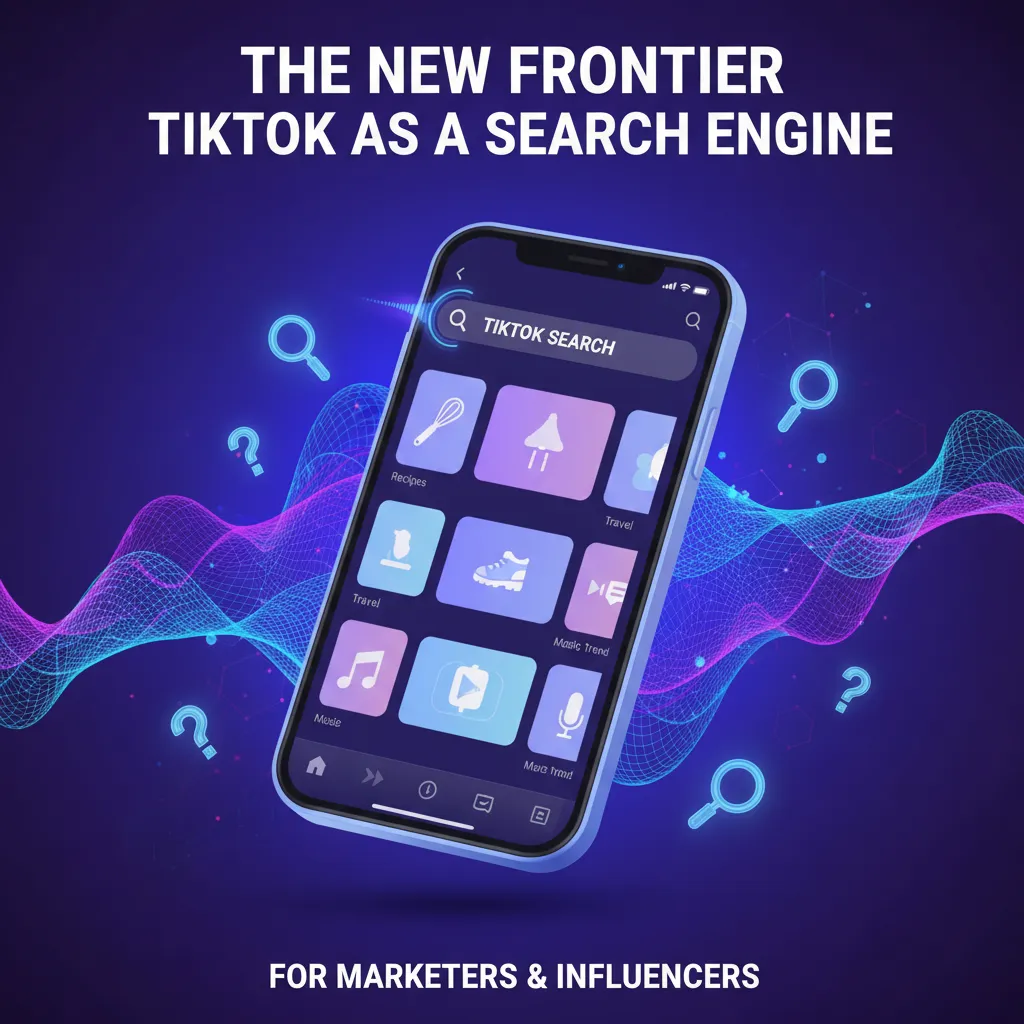
Modern event discovery is shifting away from traditional search engines toward TikTok’s internal search bar. To optimize your TikTok event marketing for discovery, you must treat your captions and on-screen text like SEO keywords. By using high-intent phrases like “best music festivals this summer” or “networking events for creators,” you ensure your content appears when users are actively looking for something to do. This approach mimics how to start internet marketing on a global scale but applies it to a localized, video-first environment, allowing your event to capture “top-of-funnel” interest organically.
The Art of the “TikTok Live” Countdown
Nothing drives urgency in TikTok event marketing quite like a live countdown. Hosting weekly or even daily TikTok LIVE sessions leading up to the event allows you to answer FAQs, reveal surprise guest speakers, and run flash sales. This real-time interaction taps into the psychology behind emotional marketing, where the live connection fosters a sense of belonging and “insider” status. During these lives, you can showcase Branded Content Marketing by giving viewers a raw, unedited look at the production setup, making the event feel more tangible and trustworthy.
Generating Viral ROI with User-Generated Content (UGC)
The most powerful TikTok event marketing isn’t created by the organizer—it’s created by the attendees. By incentivizing ticket holders to create ‘Get Ready With Me’ (GRWM) videos or ‘Outfit Reveal’ clips, you generate massive social proof before the doors even open. Whether you are promoting a local showcase found in a Ponce City Market events guide that Atlanta locals follow or a global conference, implementing a Branded Hashtag Challenge encourages a flood of UGC. This strategy aligns with Integrated Marketing principles, where your audience becomes your most effective marketing department, spreading the word far more authentically than a paid ad ever could.
Navigating the TikTok Ads Manager for Retargeting
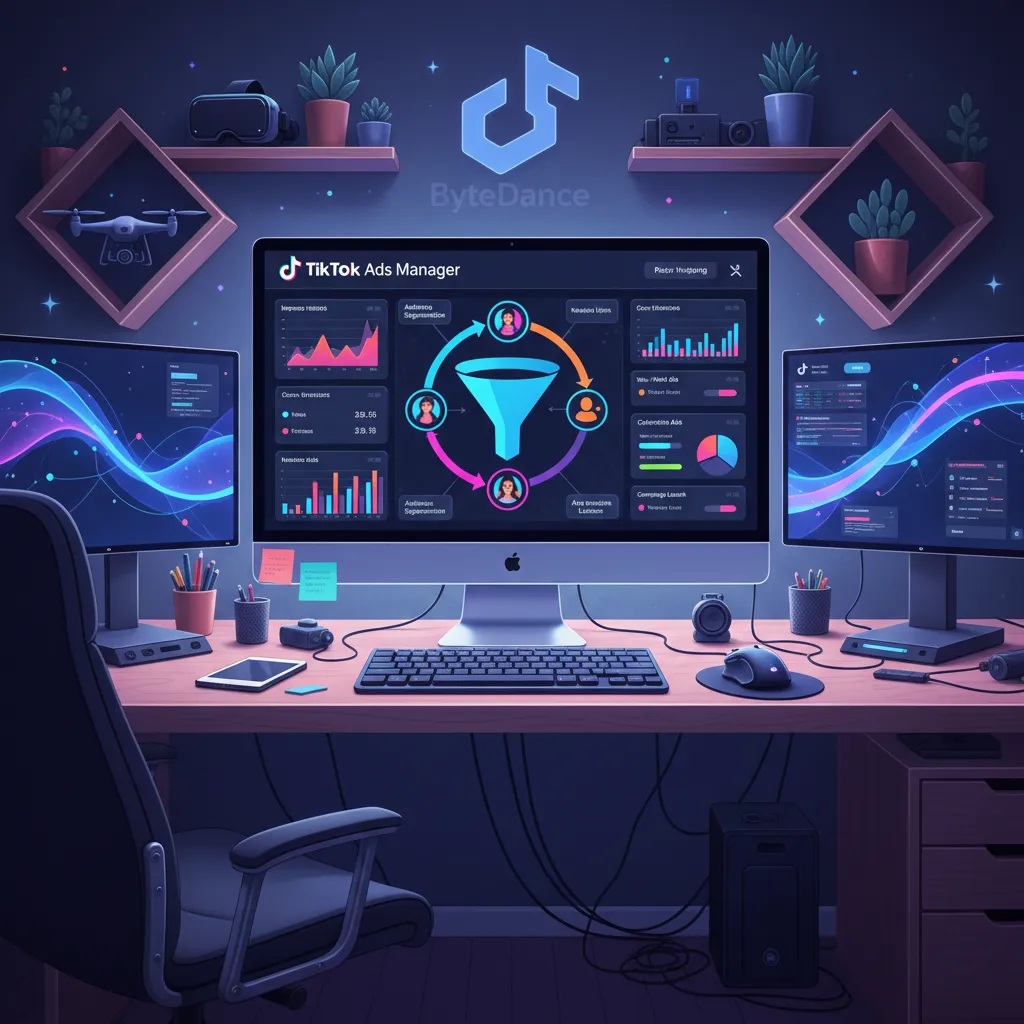
To maximize ticket sales, your TikTok event marketing should incorporate a sophisticated paid strategy. Using the TikTok Pixel, you can retarget users who have previously engaged with your videos or visited your ticketing site but haven’t yet made a purchase. This is where Brand Perception in Marketing meets technical execution; by serving “last chance” ads to interested users, you remind them of the value and urgency of the experience. This data-driven approach is a staple of Digital Marketing Success Stories, ensuring that no potential attendee slips through the cracks of the algorithm.
Future-Proofing Events with Augmented Reality (AR) Effects
As we look at the next frontier of TikTok event marketing, custom AR filters and effects are becoming essential. Creating a branded effect that users can use to “visualize” themselves at your venue or try on virtual event merch creates an interactive touchpoint that standard video cannot match. This move toward Augmented Reality Branding helps build a resonant brand that lives in the pockets of your audience. It transforms a passive viewing experience into an active, gamified one, solidifying your event’s position as a forward-thinking leader in the digital economy.
Conclusion
Successful TikTok event marketing transforms passive viewers into loyal attendees. By embracing authentic content, partnering with the right influencers, and applying strong branding strategies from across various industries, you build campaigns that drive real results. Take these strategies, experiment with your video content, track your data, and watch your next event achieve unprecedented growth.
FAQs
1. What is TikTok event marketing?
TikTok event marketing involves using the TikTok platform to promote gatherings, sell tickets, and build community through short-form, engaging video content.
2. How do I start a TikTok event marketing campaign?
Begin by creating a Business Account, defining your target audience, establishing a clear link in your bio for ticket sales, and planning a content calendar.
3. What makes a good influencer marketing campaign?
A successful campaign feels authentic, clearly communicates the event’s value, includes a strong call-to-action, and tracks measurable data like link clicks and ticket conversions.
4. What is micro influencer marketing?
Micro influencer marketing focuses on partnering with creators who have smaller, but highly engaged and niche audiences, which is very cost-effective for event promotion.
5. How do I use digital marketing to enhance brand awareness for events?
Integrate your TikTok strategy with email marketing, SEO, and other social platforms to create a unified message that reaches consumers at multiple touchpoints, such as those looking for a Pittsburgh market square events guide to plan their local weekend activities.
6. When should I use influencer marketing for my event?
Start your influencer outreach several months before the event to build anticipation, and continue partnerships during the event to generate real-time excitement.
7. How can I evaluate influencer marketing effectively?
Look past vanity metrics like follower count. Track engagement rates, link clicks via UTM parameters, and direct ticket conversions to measure true ROI.
8. Why is brand positioning in marketing important for events?
It helps you differentiate your event from competitors, ensuring your target audience understands the unique value and experience you are offering.
9. What are sustainable branding strategies in event marketing?
It involves genuinely implementing and promoting eco-friendly practices at your event, using TikTok to transparently show your waste reduction and green initiatives.
10. How do I use paid ads in TikTok event marketing?
You can use TikTok Ads Manager to run In-Feed Ads, TopView ads, or Branded Hashtag Challenges to target specific demographics, ensuring your event reaches the most relevant users possible.