Event marketing customer engagement refers to the strategies and tactics brands use to actively involve audiences before, during, and after an event. Strong engagement drives participation, builds loyalty, and delivers measurable ROI across both in-person and virtual formats.
Every event planner, marketer, and brand strategist has faced the same frustrating scenario: a meticulously planned event with low audience interaction, distracted attendees, and little to show for it afterward. The truth is, filling seats—physical or virtual—is only half the battle. The real challenge lies in turning passive attendees into active participants who feel genuinely connected to your brand.
Customer engagement has always been at the heart of effective marketing. But when it comes to events, the stakes are higher. Attendees invest their time, attention, and sometimes their money. That investment demands a return—an experience that feels relevant, memorable, and worth their while.
This blog post breaks down the proven strategies that actually move the needle on event marketing customer engagement. From pre-event buzz-building to post-event community nurturing, you’ll find practical, actionable ideas backed by real marketing logic—not generic advice. Whether you’re managing a large corporate conference, a product launch, or an intimate workshop, the fundamentals of strong customer engagement apply across the board.
By the end of this guide, you’ll have a comprehensive framework for creating events that people remember, talk about, and return to.
What Is Customer Engagement in Event Marketing, and Why Does It Matter?
Customer engagement in event marketing is the process of creating meaningful interactions between a brand and its audience throughout the event lifecycle. It goes well beyond applause or social media likes—true customer engagement means attendees are thinking, responding, contributing, and connecting.
The value of high customer engagement is well-documented. According to Gallup research, fully engaged customers represent a 23% premium in profitability, revenue, and relationship growth compared to average customers. When that engagement is nurtured through a well-executed event, those numbers translate directly into brand loyalty and long-term revenue.
Events offer something that digital ads and email campaigns can rarely replicate: real-time, two-way interaction. A brand that leverages this opportunity builds a level of customer engagement that compounds over time. Attendees become advocates. Advocates become community members. Community members become repeat customers.
But failing to prioritize customer engagement turns even the most expensive event into a forgettable experience. Attendees disengage, drop off early, and leave with little emotional connection to your brand.
The bottom line? Customer engagement isn’t a nice-to-have feature of event marketing—it’s the central metric by which the success of any event should be measured.
What Are the Most Effective Event Marketing Customer Engagement Strategies?
There’s no single playbook for event marketing customer engagement strategies, because every audience is different. However, the most effective approaches share a common thread: they make the attendee feel seen, heard, and valued. Here’s how to build that experience across each phase of your event.
How Can You Build Customer Engagement Before the Event Starts?
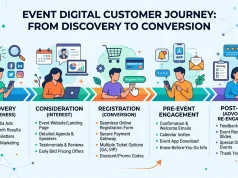
Pre-event engagement is one of the most underutilized phases in event marketing. Most brands focus the majority of their energy on the event itself, leaving the pre-event window largely wasted. This is a missed opportunity—because the attendees who engage before the event are significantly more likely to participate actively during it.
Email and Content Campaigns
Begin building customer engagement weeks before your event through targeted email sequences. Share sneak peeks of speakers, session topics, or behind-the-scenes content. Give your audience something to anticipate. Teaser content—short video clips, countdown timers, exclusive pre-event resources—keeps your event top of mind and builds genuine curiosity.
Social Media Challenges and Hashtags
A branded event hashtag isn’t just a tracking tool—it’s an invitation. When attendees start using your hashtag before the event begins, they’re signaling that they’re invested. Encourage this behavior with challenges, giveaways, or community polls. Ask your audience to vote on breakout session topics or suggest questions for keynote speakers. This kind of input creates a sense of ownership, which is one of the strongest drivers of customer engagement.
Pre-Event Networking Opportunities
Set up a dedicated online community—through Slack, LinkedIn groups, or a custom app—where registered attendees can connect before the event. When people walk through the door already knowing a few names and faces, they’re immediately more comfortable, and more engaged.
What Tactics Drive the Strongest Customer Engagement During Live Events?
The event itself is where customer engagement either flourishes or flatlines. The key is to design every touchpoint with participation in mind, not just presentation.
Interactive Keynotes and Panel Discussions
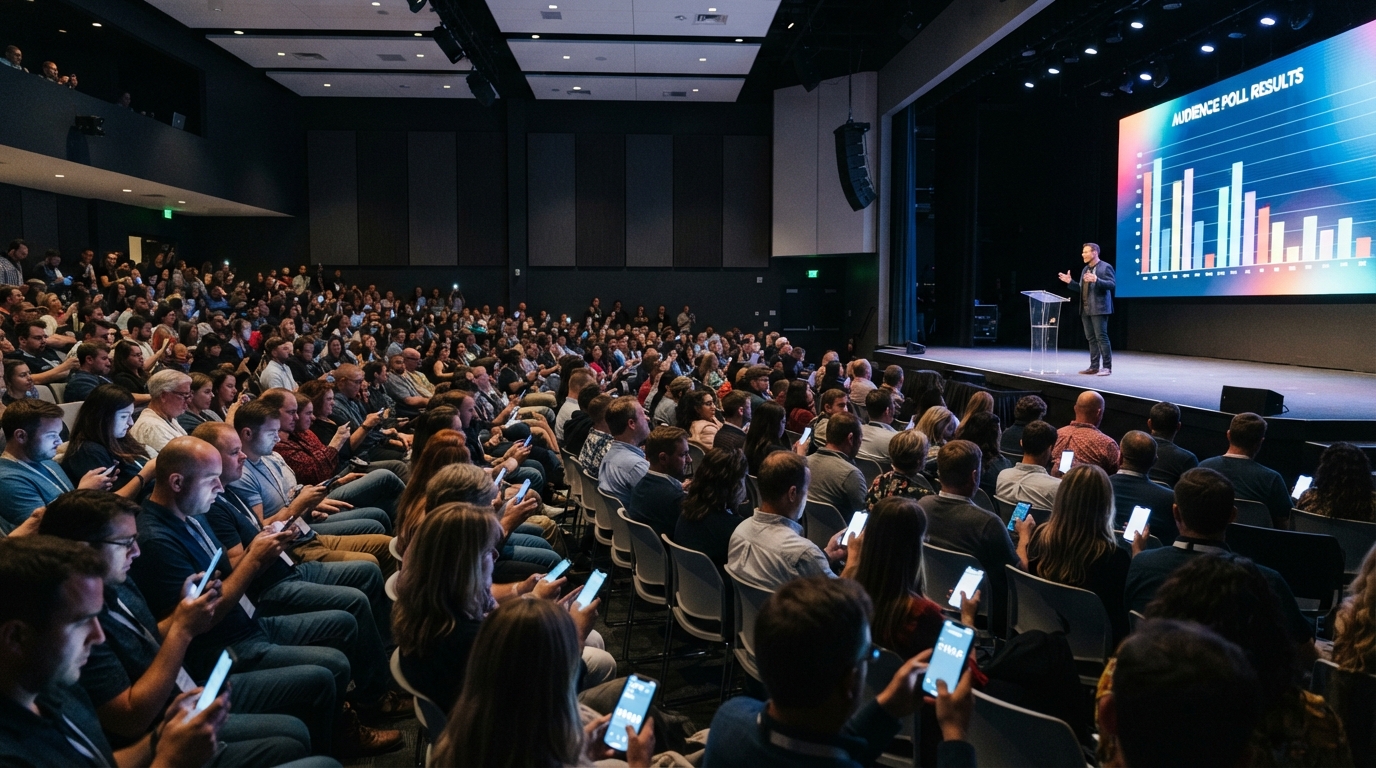
Replace one-way presentations with two-way conversations. Encourage speakers to pause for live questions, incorporate audience polls into their sessions, and share real-time data from those polls on screen. When an attendee sees their response reflected on stage, they feel like a contributor—not just a spectator.
Live Gamification
Gamification is one of the best event marketing engagement ideas for driving participation across large groups. Award points for attending sessions, completing challenges, or networking with other attendees. Display a real-time leaderboard to stoke friendly competition. The reward doesn’t have to be extravagant—recognition alone can be a powerful motivator. The result is a dramatic lift in customer engagement metrics across the board.
Experiential Zones and Activations
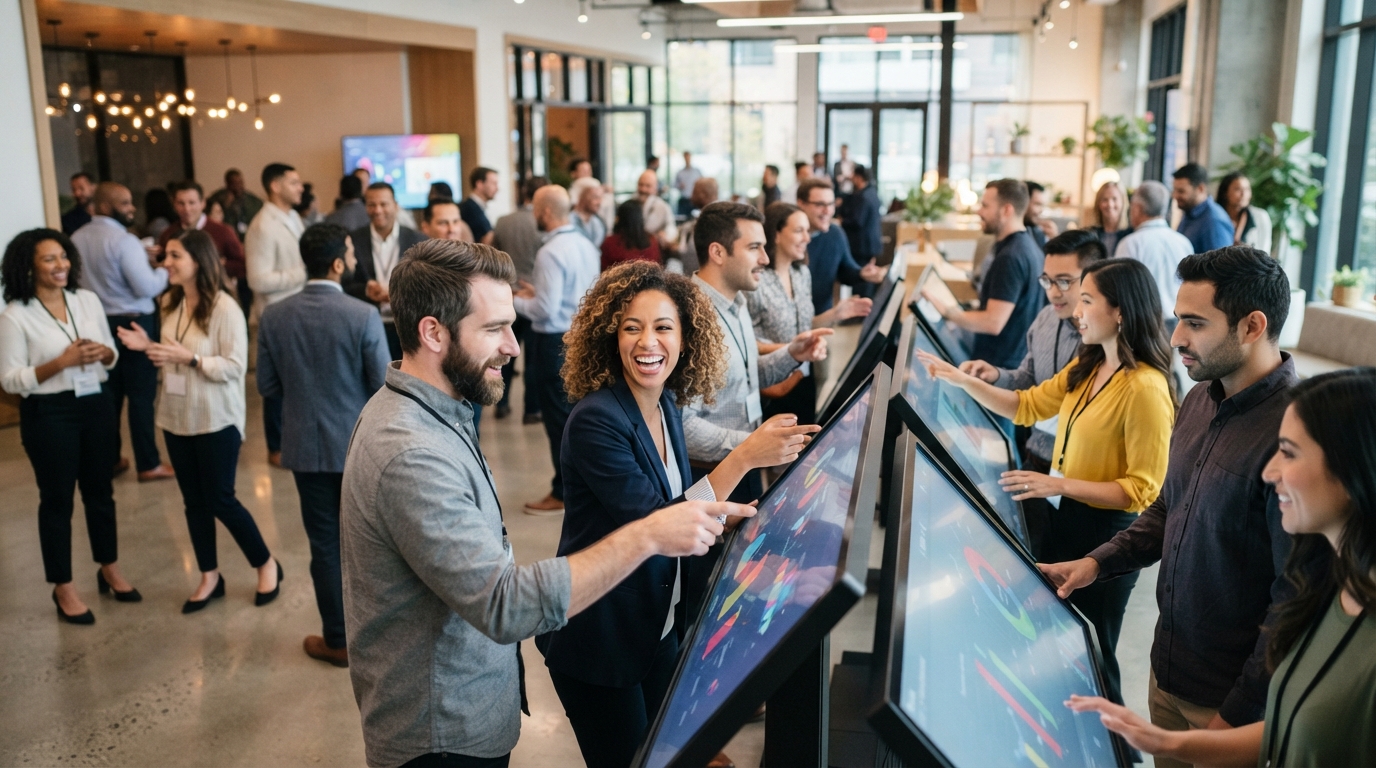
Physical or virtual spaces that invite hands-on participation create deeper customer engagement than passive presentations ever could. Think product demo stations, creative workshops, collaborative installations, or immersive brand experiences. These touchpoints transform attendees from observers into participants, which is exactly where meaningful customer engagement lives.
Networking Facilitation
Structured networking—speed networking rounds, curated matchmaking, mentor-mentee pairings—gives attendees a reason to talk to each other. And when people connect with each other at your event, their emotional association with your brand strengthens. Customer engagement isn’t just about your brand talking to the audience; it’s also about facilitating connections within the audience.
How Do You Sustain Customer Engagement After an Event Ends?
The 48 hours following an event are a golden window for customer engagement, and most brands let it close without taking action.
Post-Event Content and Recaps
Send a thank-you email within 24 hours. Include highlights, session recordings, and links to additional resources. Share a curated recap on social media. When attendees relive the experience, their positive feelings about your brand are reinforced—and they’re more likely to share that content with their own networks.
Feedback and Follow-Up
A brief post-event survey demonstrates that you value your attendees’ opinions. More importantly, the responses help you refine how to improve event marketing customer engagement for future events. Ask specific questions: What session did they find most valuable? What would they change? What topics would they want to explore next time?
Community Building
The most powerful post-event strategy is turning one-time attendees into ongoing community members. Invite them into a private group, forum, or content series that extends the value of the event beyond a single day. Sustained community customer engagement compounds over months and years, making each subsequent event easier to fill and more impactful to run.
How to Improve Event Marketing Customer Engagement Using Technology
Technology has fundamentally transformed what’s possible in event customer engagement. The right tools don’t just streamline logistics—they actively create opportunities for interaction, data collection, and personalization.
Which Event Apps and Platforms Improve Customer Engagement the Most?
Dedicated event apps give attendees a centralized hub for schedules, speaker bios, maps, and—most importantly—interaction features. Platforms like Whova, Hopin, and Brella offer built-in networking tools, live polls, and session Q&A functionality that measurably improve customer engagement throughout the event.
Choose a platform based on your specific customer engagement goals. If networking is your priority, select a tool with strong matchmaking features. If knowledge retention matters more, look for platforms with session replay and note-taking functionality.
How Do Live Polling and Q&A Sessions Boost Customer Engagement at Events?
Live polling is one of the simplest and most effective ways to create active customer engagement during a session. Platforms like Mentimeter, Slido, and Poll Everywhere allow speakers to pose questions and display real-time results—all from attendees’ smartphones.
The psychological effect is significant. When people are asked for their opinion and see it acknowledged publicly, their sense of investment in the session increases immediately. Customer engagement rises not just because participants are clicking buttons, but because they feel genuinely involved in the conversation.
Can Gamification Really Increase Customer Engagement at Events?
Yes—and the data supports it. According to a report by Gartner, gamification can improve engagement, participation, and loyalty by up to 40% in certain business contexts. Applied to events, gamification creates a consistent motivation loop: attendees take actions, earn recognition, and are incentivized to continue participating.
The most effective gamification systems are simple, visible, and fair. Overly complex point systems confuse participants and reduce the very customer engagement they’re meant to stimulate. Keep the rules clear, make the leaderboard prominent, and ensure prizes or recognition are genuinely desirable to your specific audience.
Ways to Increase Customer Engagement at Events Through Personalization
Generic experiences produce generic results. The highest levels of customer engagement come from moments that feel specifically designed for the individual attendee—not the crowd as a whole.
How Do Personalized Attendee Journeys Drive Customer Engagement?
When attendees register, collect meaningful data: their industry, role, goals, and interests. Use that data to personalize every touchpoint from confirmation email to on-site experience. Recommend specific sessions. Connect them with relevant speakers or fellow attendees. Send customized resource packages after the event.
Personalization signals respect. It tells attendees that you see them as individuals, not just ticket numbers. That signal is one of the most powerful triggers of genuine customer engagement.
How Do Breakout Sessions and Segmented Content Improve Customer Engagement?
Broad, one-size-fits-all content often fails to resonate with any specific segment of your audience. Breakout sessions that are segmented by industry, experience level, or interest area give attendees content that actually speaks to their situation.
A senior marketing executive and a junior coordinator both need value from your event—but they need different kinds of value. Segmented sessions create more targeted opportunities for customer engagement because the content is more relevant, the conversations are more focused, and attendees feel more understood.
Best Event Marketing Engagement Ideas for Different Event Types
Different event formats call for different customer engagement tactics. The following table outlines the best event marketing engagement ideas matched to specific event types.
|
Event Type |
Top Customer Engagement Ideas |
|---|---|
|
Corporate Conference |
Live polling, gamified networking, interactive keynotes, attendee app |
|
Product Launch |
Hands-on demos, social media challenges, influencer co-hosting, live Q&A |
|
Virtual Event |
Breakout rooms, virtual photo booths, real-time leaderboards, chat polls |
|
Workshop or Training |
Group exercises, skill challenges, real-time feedback, peer mentoring |
|
Trade Show or Expo |
Experiential booths, scavenger hunts, exclusive VIP sessions, demo competitions |
|
Webinar |
Live Q&A, polls every 10–15 minutes, resource giveaways, post-event community |
|
Fundraising Event |
Storytelling activations, donor recognition moments, community pledges |
Adapting your customer engagement approach to the format of your event ensures that tactics feel natural rather than forced. A webinar audience needs different stimulation than a trade show crowd—and recognizing that distinction is the foundation of smart customer engagement strategy.
How to Measure Customer Engagement at Events
You can’t improve what you don’t measure. Tracking customer engagement requires a combination of quantitative data and qualitative feedback, collected across all phases of the event lifecycle.
What Are the Key Metrics for Measuring Customer Engagement in Event Marketing?
|
Metric |
What It Measures |
Why It Matters for Customer Engagement |
|---|---|---|
|
Session Attendance Rate |
% of registered attendees who attended each session |
Indicates which content drives the most interest |
|
Poll Participation Rate |
% of attendees who responded to live polls |
Direct measure of in-session customer engagement |
|
Net Promoter Score (NPS) |
Likelihood of recommending the event |
Reflects overall satisfaction and emotional customer engagement |
|
Social Media Mentions |
Volume and sentiment of event hashtag usage |
Shows audience-initiated customer engagement |
|
App Engagement Rate |
Logins, messages sent, sessions viewed via event app |
Tracks digital customer engagement throughout the event |
|
Post-Event Survey Response Rate |
% of attendees who completed the feedback survey |
Indicates ongoing customer engagement after the event ends |
|
Lead Conversion Rate |
% of attendees who took a desired post-event action |
Measures the commercial outcome of customer engagement |
How Should You Analyze Customer Engagement Data After an Event?
Raw numbers tell part of the story. The more valuable analysis comes from comparing metrics across sessions, audience segments, and event formats over time. Which speakers consistently drive higher customer engagement? Which session formats produce the most post-event conversions? These patterns reveal where to invest more heavily in future events.
Pair quantitative data with qualitative insights from attendee interviews, open-ended survey responses, and social media conversations. The combination gives you a complete picture of how customer engagement is performing—and where the gaps are.
Common Mistakes That Hurt Customer Engagement in Event Marketing
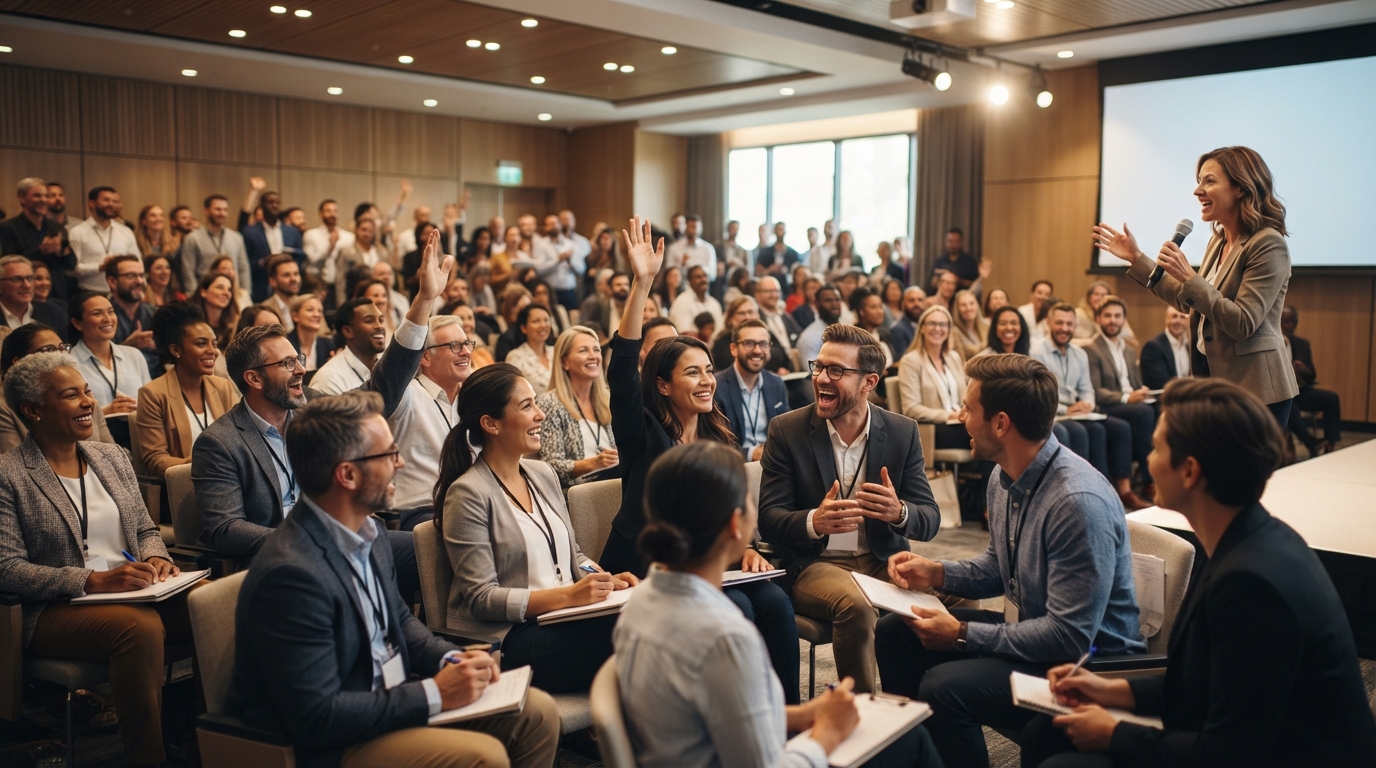
Even experienced event marketers make decisions that unintentionally suppress customer engagement. Here are the most common pitfalls to avoid.
Over-Programming the Schedule
When every minute of an event is filled with formal content, attendees have no space to process, connect, or recharge. Ironically, this often reduces customer engagement rather than maximizing it. Build white space into your schedule—dedicated networking breaks, informal mixers, or open exploration periods.
Neglecting the Pre-Event and Post-Event Phases
Many brands treat the event itself as the entire campaign. But customer engagement built before the event amplifies in-event participation, and customer engagement sustained after the event converts attendees into long-term advocates. Ignoring either phase leaves significant value on the table.
Failing to Personalize the Attendee Experience
Generic experiences feel impersonal, and impersonal experiences rarely produce strong customer engagement. Use registration data to tailor communications, content recommendations, and networking suggestions. The more relevant the experience, the more invested attendees will feel.
Using Technology Without a Clear Purpose
Technology should serve your customer engagement goals—not exist for its own sake. An event app that attendees never open, or a gamification system that nobody understands, adds friction rather than value. Choose tools that are intuitive, purposeful, and aligned with what your specific audience actually wants.
Ignoring Feedback Loops
Customer engagement is a dialogue, not a monologue. Brands that collect feedback but never visibly act on it erode trust over time. When attendees see their suggestions reflected in future events, their customer engagement deepens—because they know their voice matters.
Final Thoughts on Building Stronger Event Marketing Customer Engagement
Strong customer engagement at events doesn’t happen by accident. It’s the result of deliberate strategy, thoughtful design, and a genuine commitment to making attendees feel valued at every stage of the experience.
Start by auditing your current event marketing approach. Where does customer engagement drop off? Is it before the event, during specific sessions, or immediately after the closing keynote? Identify those gaps and apply the strategies outlined in this guide. Invest in the right technology, personalize the experience, measure what matters, and close the loop with your audience after every event. The brands that treat customer engagement as a continuous practice—not a one-day performance—are the ones that build the kind of audience loyalty that lasts well beyond any single event.
Frequently Asked Questions
1. What is customer engagement in event marketing?
Customer engagement in event marketing refers to the strategies used to actively involve attendees before, during, and after an event. It includes tactics like live polling, gamification, personalized content, and post-event community building—all designed to create meaningful, two-way interactions between a brand and its audience.
2. Why is customer engagement important at events?
High customer engagement leads to better attendee satisfaction, stronger brand loyalty, and higher conversion rates. Engaged attendees are more likely to remember your brand, recommend your event to others, and take post-event actions that drive business results.
3. How do you measure customer engagement at an event?
Key metrics include session attendance rates, live poll participation, NPS scores, social media mentions, event app engagement, and post-event survey response rates. Combining quantitative data with qualitative feedback gives the most complete picture.
4. What are the best tools for improving customer engagement at virtual events?
Platforms like Hopin, Whova, Slido, and Mentimeter are widely used to boost customer engagement at virtual events. They offer features like live Q&A, polling, breakout rooms, and networking matchmaking that keep remote attendees actively involved.
5. How can small businesses improve customer engagement at events with a limited budget?
Small businesses can improve customer engagement through low-cost tactics like branded event hashtags, structured networking activities, interactive Q&A sessions, and post-event email campaigns. Personalization and community building are highly effective and require more creativity than budget.
6. What role does gamification play in event customer engagement?
Gamification drives customer engagement by creating a motivation loop—attendees earn points or recognition for participating in activities, networking, or attending sessions. According to Gartner, gamification can improve engagement and participation by up to 40% in certain business contexts.
7. How far in advance should you start building customer engagement before an event?
Ideally, pre-event customer engagement should begin four to six weeks before the event. This gives enough time to build anticipation, warm up the audience through email and social campaigns, and create a community space where attendees can connect in advance.
8. What is the biggest mistake event marketers make with customer engagement?
One of the most common mistakes is treating the event itself as the entire campaign—neglecting both the pre-event and post-event phases. Customer engagement that begins early and continues after the event produces significantly better long-term outcomes.
9. How does personalization improve customer engagement at events?
Personalization makes attendees feel seen as individuals rather than part of a crowd. When session recommendations, networking suggestions, and follow-up content are tailored to each person’s role and interests, their emotional investment in the experience increases—driving higher customer engagement throughout.
10. What types of events benefit most from strong customer engagement strategies?
All event types benefit from strong customer engagement strategies, but conferences, product launches, trade shows, and virtual webinars tend to see the most dramatic improvements. Events where attendees have many competing distractions—like trade shows—rely especially heavily on deliberate customer engagement tactics to hold attention and drive meaningful interactions.