In this comprehensive guide, we will break down the essential components of an effective event marketing business plan. You will learn how to set clear objectives, identify your target audience, leverage digital and traditional marketing channels, allocate your budget, and measure your success to ensure your next event exceeds expectations. With best practices drawn from industry leaders and authoritative sources, this guide offers a proven roadmap that gives you the edge you need in an increasingly competitive landscape.
Planning an event without a solid roadmap is like navigating a ship without a compass. Whether you are hosting a local workshop or a large-scale industry conference, having a strategic Event Marketing Business Plan is the anchor that keeps your efforts targeted, measurable, and ultimately successful. Creating a thoughtful and well-researched event marketing business plan is especially critical for organizations seeking exceptional results in attendee engagement, revenue generation, or brand positioning.
Why You Need an Event Marketing Business Plan
An Event Marketing Business Plan is a detailed document that outlines exactly how you will promote your event to your target audience. It aligns your marketing goals with your overall event objectives and ensures every dollar spent delivers a return on investment (ROI). Without a thorough plan, you risk losing sight of your goals and missing valuable opportunities.
Creating a comprehensive plan helps you:
- Clarify your event’s value proposition, making it clear why people should attend.
- Identify and understand your target audience, leading to more effective outreach.
- Choose the most effective marketing channels tailored to your participants.
- Manage your budget efficiently and maximize the impact of every dollar spent.
- Establish clear metrics for measuring event promotion success.
A robust event marketing business plan also ensures your team stays aligned and that all stakeholders are on the same page. It serves as a reference throughout the planning and execution phases, enabling smarter decisions and minimizing last-minute chaos. Learn more about why marketing strategies are vital.
Step 1: Define Your Event Goals and Objectives
Before you launch any marketing campaign, you must know precisely what you want to achieve. Your goals should be Specific, Measurable, Achievable, Relevant, and Time-bound (SMART). The foundation of your Event Marketing Business Plan should be built on clear, actionable objectives that align with the event’s purpose and the organization’s broader mission.
Ask yourself:
- Are you aiming for ticket sales, brand awareness, community building, or lead generation?
- How many attendees do you need to break even or turn a profit?
- What is the primary message you want attendees to take away?
- Are there specific sponsors or partners you want to attract?
- How will your success be measured beyond ticket sales, like post-event surveys, website traffic, or social media engagement?
Clear, well-articulated objectives provide direction for your event marketing business plan and become the benchmarks by which you measure success once the event concludes. When you connect your objectives directly to your choice of marketing strategies, you’ll create focused energy across your entire promotional campaign.
Step 2: Understand Your Target Audience
You cannot effectively market your event if you do not know who you are targeting. Creating detailed buyer personas is a critical step in your Event Marketing Business Plan, as it informs the tone, messaging, visuals, and channels you utilize.
Consider the following demographic and psychographic factors:
- Demographics: Age, location, job title, industry, education, and income level.
- Psychographics: Interests, values, lifestyle choices, pain points, motivations, and goals.
- Behavioral Data: Where do they spend their time online? Which social networks or forums do they frequent? What type of content do they engage with, and through which devices?
By digging deep into your audience’s behaviors and preferences, you can tailor your messaging to highlight how your event addresses their unique needs. Your event marketing business plan should include this information in a section dedicated to audience analysis, which allows for precise targeting and maximizes your return on every marketing investment.
Don’t forget to consider previous audience data, survey results, and feedback from former events for a well-rounded understanding. Using analytic tools like Google Analytics or Facebook Insights can provide invaluable data to refine your approach and adapt your Event Marketing Business Plan continuously.
Step 3: Develop a Strong Value Proposition
Why should someone attend your event instead of spending their time and resources elsewhere? Your value proposition is the core message of your Event Marketing Business Plan. It must clearly communicate the unique benefits of attending your event, distinguishing it from countless other offerings in your field.
Your value proposition should be prominently displayed on your event landing page, in your emails, across your social media channels, and throughout all promotional materials. Highlight unique selling points such as:
- VIP guest speakers or renowned subject matter experts
- Exclusive networking opportunities with industry leaders
- Hands-on workshops or unique learning experiences
- Entertainment, giveaways, or bonus resources
Your Event Marketing Business Plan should outline how these components will be woven into every aspect of your promotional strategy to reinforce why your event is simply unmissable.
Step 4: Choose Your Marketing Channels
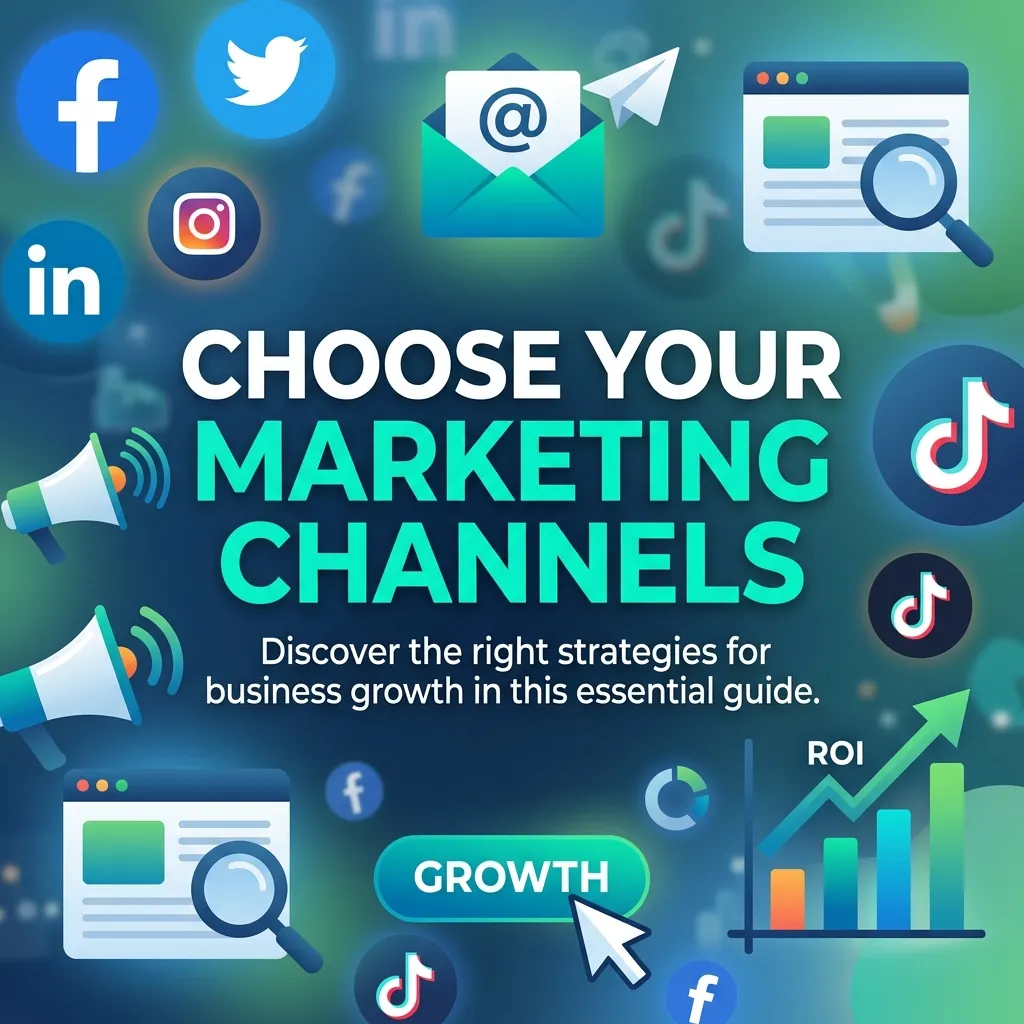
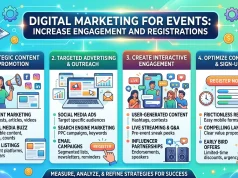
A successful Event Marketing Business Plan utilizes a thoughtful mix of marketing channels to reach and engage the target audience effectively. Choosing the right channels is fundamental: your audience’s presence and preferences should drive every decision.
Search Engine Optimization (SEO)
Optimizing your event website for search engines is crucial for driving organic traffic. As highlighted by Search Engine Journal, using relevant keywords, optimizing meta tags, and creating valuable content helps your event rank higher on Google. Local SEO strategies are especially important for location-based events.
Your SEO strategy should include:
- Researching keywords and integrating them into your event descriptions, blog posts, and FAQs.
- Ensuring your event pages are mobile-friendly, fast, and secure.
- Developing high-quality, informative content around your event’s themes to boost authority.
- Building backlinks from reputable sites, such as local event listings or industry blogs.
- Regularly updating your site to reflect new announcements, updates, and speaker reveals.
Social Media Marketing
Leverage platforms like LinkedIn, Twitter, Instagram, Facebook, and even TikTok, depending on where your audience spends time.
- Create a unique event hashtag to build a sense of community.
- Share behind-the-scenes content, speaker interviews, and real-time updates.
- Run targeted ad campaigns to reach specific demographics or retarget previous event attendees.
- Engage with followers by responding to comments and private messages to foster personal connections.
Your Event Marketing Business Plan should dedicate space to a social media calendar, content themes, and outreach strategies.
Email Marketing
Email remains one of the highest-converting channels for event promotion. Segment your list and send personalized invitations, early-bird discount offers, reminders about registration deadlines, speaker spotlights, and post-event thank-you messages. Learn more about effective event email sequences.
To maximize results:
- Build segmented lists based on interests, location, and past engagement.
- Personalize content as much as possible, utilizing dynamic fields for names, company affiliation, and other personal details.
- A/B test different subject lines, send times, and content to see what resonates best.
Content Marketing
Publish blog posts, videos, podcasts, and infographics related to your event’s central theme. Content marketing not only builds anticipation but also supports your SEO strategy by generating organic traffic to your registration page. Smart content can position your brand as a thought leader, answering common industry questions through guides, checklists, or expert commentary.
Don’t forget to cross-promote this material via guest blogs, influencer partnerships, or authoritative third-party sites to extend reach and build your reputation. Check out the Content Marketing for Events guide within our blog archives.
Influencer and Partner Marketing
Broaden your reach with strategic partnerships. Identify industry insiders, thought leaders, or allied organizations that align with your vision. Incorporate partner cross-promotions into your event marketing business plan:
- Invite partners as speakers, panelists, or sponsors.
- Offer guest blog or podcast opportunities.
- Share promotional codes or co-branded campaigns.
A comprehensive Event Marketing Business Plan leverages each of these channels in combination, building sustained buzz and ensuring your message reaches the right ears, at the right time, in the right way.
Step 5: Budget Allocation and Management
An actionable Event Marketing Business Plan must include a detailed and logical budget that aligns with your anticipated goals. Being clear on what you can spend, and tracking each outlay, is critical for eliminating costly surprises.
Key areas to allocate funds:
- Paid advertising (Google Ads, Social Media Ads)
- Content creation (graphic design, video production, copywriting)
- PR, affiliate, and influencer partnerships
- Email marketing software and event management platforms
- Collateral (brochures, swag, on-site signage, printed materials)
Utilize budgeting templates or tools such as Cvent’s Event Budget Planner to plan and track your expenses. Best practice is to periodically review your performance reports to shift funds towards tactics with stronger ROI during your campaign lifecycle.
Step 6: Create a Promotional Timeline
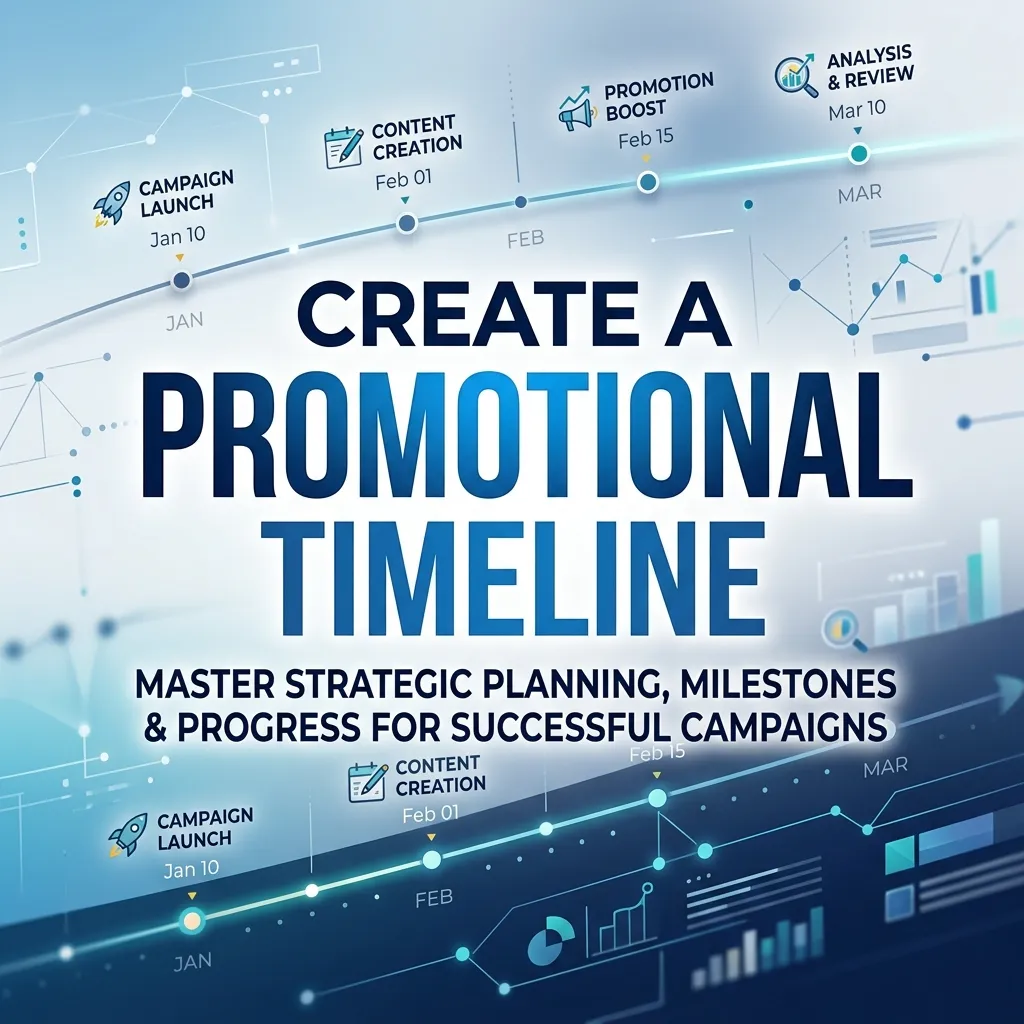
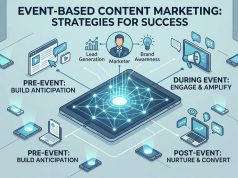
Timing is vital for effective event marketing. A promotion timeline is a visual roadmap in your Event Marketing Business Plan that lays out each campaign phase, ensuring consistent messaging and preventing last-minute cramming.
Typical promotion phases:
- Pre-Launch (3-6 months out): Tease the event, send save-the-date emails, open early-bird registration, and release initial speaker information.
- Launch (2-3 months out): Launch paid ad campaigns, reveal the detailed agenda, focus on aggressive social and content pushes, and begin influencer outreach.
- Final Push (1 month out): Ramp up urgency with “last-chance” registration offers, share testimonials, behind-the-scenes excitement, and highlight limited ticket availability.
- On-site and Live: Share live sessions, digital engagement, and event-day updates.
- Post-Event: Share highlights, send thank-you emails, publish photo galleries and recaps, and harvest testimonials for future promotions.
A strong timeline in your event marketing business plan keeps your campaigns on track and maximizes audience engagement throughout the event lifecycle.
Comparison Table: Digital vs. Traditional Event Marketing Tactics
|
Marketing Tactic |
Cost |
Audience Precision |
Speed to Launch |
Measurability |
Engagement Potential |
|---|---|---|---|---|---|
|
Social Media Advertising |
$$ |
High |
Immediate |
High |
Very High |
|
Email Marketing |
$$ |
Medium-High |
Fast |
High |
High |
|
SEO & Blog Content |
$ |
High |
Moderate |
Moderate |
Moderate-High |
|
Influencer Partnerships |
$$$ |
Medium |
Moderate |
Low |
Potentially High |
|
Event Flyers/Posters |
$ |
Low |
Immediate |
Very Low |
Low |
|
Billboard or Print Ads |
$$$ |
Low |
Moderate |
Very Low |
Low |
|
Radio/TV |
$$$$ |
Low |
Long Lead |
Very Low |
Low-Medium |
The most successful Event Marketing Business Plan typically blends digital and traditional tactics, with heavier emphasis on digital due to precision targeting and measurable ROI.
Common Mistakes to Avoid
Even the most seasoned planners can stumble. Avoid these common pitfalls when executing your Event Marketing Business Plan:
- Starting too late: Begin at least 3-6 months in advance for significant events.
- Ignoring mobile users: Ensure your event landing page and emails are fully mobile-responsive.
- Failing to track data: Use analytics tools to monitor registrations, website performance, and conversions.
- Underestimating content needs: Plan ample time for content creation and distribution.
- Neglecting post-event engagement: Keep attendees engaged to build anticipation for future events.
- Not integrating internal resources: Align your event marketing business plan with other internal campaigns, like your product launch strategy or brand awareness initiatives for maximum synergy and reach.
Pro Tips for Maximum Engagement
- Leverage User-Generated Content: Encourage registrants and past attendees to share excitement via social media, tagging your event hashtag. Incentivize reviews and testimonials.
- Partner with Influencers: Collaborate with high-profile industry experts and micro-influencers who can authentically promote your event and expand your reach.
- Offer Tiered Pricing: Create urgency and reward early decision-makers with discounts and VIP upgrades.
- Utilize Retargeting Ads: Reach those who visited your site but didn’t register with targeted follow-up offers.
- Gamify Registration and Engagement: Launch contests and challenges pre-event or onsite to drive interaction.
- Build Strategic Internal Links: For a seamless digital experience, connect your event marketing business plan to other resources on your site, such as your Ultimate Guide to Event ROI or Measuring Success with Key Event KPIs.
Monitoring and Optimization
A forward-thinking Event Marketing Business Plan doesn’t end at launch; continual monitoring is essential. Set clear KPIs (Key Performance Indicators) that relate to your objectives, such as:
- Ticket and registration conversion rates
- Email open and click-through rates
- Social media engagement (comments, shares, hashtag usage)
- Website analytics data (traffic spikes, source of visits)
- Return on ad spend (ROAS)
Utilize dashboards for real-time tracking. Be prepared to adjust your tactics – shift budget to the best-performing channels, test new messaging, or optimize your event landing page for higher conversion.
Reviewing post-event data is also invaluable. Gather attendee feedback via surveys, analyze social media listening results, and identify which strategies should be improved or doubled down on for your next event’s marketing business plan.
Case Study Example
Consider the annual Tech Innovators Conference. In their event marketing business plan, organizers identified a target audience of IT professionals aged 25-45. Through SEO-rich blog content promoting the latest trends (resulting in a 30% increase in organic reach), micro-targeted LinkedIn ads, and exclusive early-bird discounts, they boosted registration by 44% compared to the previous year. They also integrated post-event email surveys to segment hot prospects for future events, showcasing how each phase of the event marketing business plan delivered measurable results.
Conclusion
In today’s dynamic event landscape, crafting a thorough and actionable Event Marketing Business Plan is more critical than ever. It is not just a planning tool—it’s a living, breathing document that aligns your goals, optimizes your resources, and guides your team from concept to post-event engagement. By defining precise objectives, understanding and segmenting your exact audience, crafting irresistible value propositions, and choosing the right mix of digital and traditional marketing channels, you lay the foundation for event success.
Remember to monitor and analyze your campaigns at every stage, adapt tactics in real time, and remain open to both creative and data-driven optimizations. Avoid common pitfalls, invest time in building partnerships, and utilize strong internal and external links to create a robust digital ecosystem around your event.
Are you ready to put these insights into action? Start developing your Event Marketing Business Plan today to maximize attendance, achieve your marketing goals, and deliver an exceptional experience that attendees will remember—and want to share—for years to come. For more tips and strategies, explore our Event Planning Tools or connect with a marketing strategist to discuss how you can take your next event to the next level.
FAQs
1. What is an event marketing business plan?
An event marketing business plan is a strategic document detailing how an event will be promoted to its target audience. It includes goals, budget, audience analysis, and the specific marketing channels to be used. It ensures your event strategy is focused and measurable.
2. Why is a target audience important in event planning?
Understanding your target audience allows you to tailor your marketing message and choose the right channels, ensuring you reach the people most likely to attend and benefit from your event.
3. How early should I start marketing my event?
For large conferences or trade shows, start marketing 3 to 6 months in advance. For smaller, local events, 6 to 8 weeks is usually sufficient. Your event marketing business plan should reflect this timing for effective results.
4. What role does SEO play in event marketing?
SEO helps your event website rank higher in search engine results for relevant queries, driving organic, highly targeted traffic to your registration page and supporting the overarching goals of your event marketing business plan.
5. How can I measure the success of my event marketing?
Track metrics such as ticket sales, website traffic, email open and click-through rates, social media engagement, and cost per acquisition (CPA) as part of your event marketing business plan.
6. Is email marketing still effective for events?
Yes, email marketing consistently delivers a high ROI for event promotion. It allows for direct, personalized communication with your audience and should be a central channel in any event marketing business plan.
7. How do I choose the right social media platforms?
Choose platforms based on your audience demographics. LinkedIn is ideal for B2B and corporate events, while Instagram and TikTok are great for visually appealing, consumer-focused events. This is an essential element of your event marketing business plan.
8. What should be included in an event budget?
Your budget should cover venue costs, catering, speakers, technology, and a dedicated portion for marketing expenses like paid ads, software, and content creation, as outlined in your event marketing business plan.
9. How can I encourage early registrations?
Offer early-bird discounts, exclusive access to certain sessions, or VIP perks to create urgency and incentivize attendees to register well in advance. Document these tactics in your event marketing business plan.
10. What should I do after the event ends?
Send a post-event survey to gather feedback, share highlight videos or photos, and keep your audience engaged to build momentum for your next event. Capture these engagement and retention efforts in your ongoing event marketing business plan.