This article breaks down highly effective Event Marketing Strategy Examples that you can implement immediately. We cover everything from immersive experiential activations to gamified virtual summits and targeted B2B workshops. You will discover practical step-by-step guidance, a helpful comparison table of event formats, expert insights, and common mistakes to avoid. By the end of this guide, you will have a complete playbook for maximizing event ROI, boosting attendance rates, and creating memorable brand experiences that resonate with your target audience.
Getting people to register, attend, and engage with your event requires more than just a simple email blast. You need a comprehensive plan that captures attention and builds massive anticipation. Whether you are hosting a massive industry conference, an intimate VIP dinner, or a global virtual summit, the right tactics make all the difference. In this guide, we will explore top-tier Event Marketing Strategy Examples that drive actual results. You will learn exactly how to craft campaigns that convert curious onlookers into loyal attendees and brand advocates.
The Core Elements of a Winning Event Campaign
Before diving into specific Event Marketing Strategy Examples, you must understand the foundational elements that make these campaigns work. Every successful event promotion relies on a deep understanding of the target audience, clear objectives, and seamless execution across multiple channels.
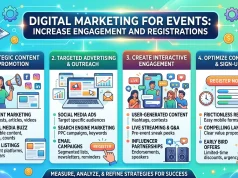
First, you need to define your goals. Are you trying to generate leads, build brand awareness, or launch a new product? Your objectives will dictate the format and promotion style of your event. Next, you must understand your audience’s pain points. When you know what keeps them awake at night today, you can position your event as the ultimate solution. Finally, you need a multi-channel approach. Relying on a single platform to drive registrations is a recipe for low attendance. You must combine email marketing, social media outreach, paid advertising, and strategic partnerships to maximize your reach.
10 Real-World Event Marketing Strategy Examples
Here are some of the most effective Event Marketing Strategy Examples used by industry leaders to drive massive engagement and attendance.
1. Immersive Experiential Brand Activations
Experiential marketing focuses on creating a physical or digital space where attendees can interact with your brand in a meaningful way. Rather than just telling people about your product, you let them experience it.
- The Tactic: Create a pop-up experience or an interactive booth that ties directly to your product’s core benefit.
- The Example: Tech companies often create “smart lounges” at major festivals where attendees can charge their phones while testing new gadgets. This solves an immediate problem for the attendee while organically introducing the product.
2. Influencer Partnerships and Takeovers
Leveraging industry influencers is one of the most reliable Event Marketing Strategy Examples available. People trust recommendations from figures they already follow and respect.
- The Tactic: Partner with micro-influencers in your niche to host pre-event Q&A sessions or take over your brand’s social media accounts for a day.
- The Example: Provide influencers with a unique discount code to share with their followers. This not only drives ticket sales but also allows you to track exactly which partnerships yield the highest return on investment.
3. Gamified Virtual Summits
Virtual events can easily become boring if attendees only stare at a screen. Gamification solves this problem by introducing friendly competition.
- The Tactic: Reward attendees with points for attending sessions, asking questions in the chat, or visiting virtual sponsor booths.
- The Example: You can offer high-value prizes, such as free software subscriptions or one-on-one consulting calls, to the attendees who top the leaderboard at the end of the event.
4. VIP Hybrid Experiences
Hybrid events combine the best of both worlds, but they require careful planning to ensure remote attendees do not feel left out.
- The Tactic: Send physical “event kits” to remote VIP ticket holders before the event begins.
- The Example: If you are hosting a hybrid networking dinner, send a premium coffee or wine tasting kit to your remote attendees so they can participate in the tasting alongside the in-person guests.
5. Targeted B2B Masterclasses
For B2B companies, highly focused, educational workshops often perform better than massive, generalized conferences.
- The Tactic: Host a hyper-specific masterclass limited to a small number of attendees, creating a sense of exclusivity and urgency.
- The Example: A marketing agency might host a masterclass specifically on “Advanced LinkedIn Ads for SaaS Companies,” targeting only marketing directors in the software industry.
6. The FOMO-Driven Early Bird Campaign
Fear of Missing Out (FOMO) is a powerful psychological trigger. Using tiered pricing effectively drives early registrations.
- The Tactic: Create distinct ticketing tiers that increase in price as the event approaches, but tie the price increases to specific, highly desirable bonuses.
- The Example: Offer the first 100 ticket buyers exclusive access to a private networking lounge or a closed-door Q&A session with the keynote speaker.
7. User-Generated Content Contests
Getting your audience to market the event for you is incredibly cost-effective.
- The Tactic: Launch a social media contest where attendees must share a specific hashtag and tag your brand to win a free ticket or VIP upgrade.
- The Example: Ask past attendees to post their favorite memory from last year’s event using your official event hashtag. This provides you with excellent social proof and authentic promotional material.
8. Data-Driven Retargeting Ads
Not everyone who visits your registration page will buy a ticket on their first visit. Retargeting is essential for capturing these lost leads.
- The Tactic: Implement tracking pixels on your event website and run specific retargeting ads based on the user’s behavior.
- The Example: If a user visits the “Speakers” page but abandons their cart, show them a video ad featuring a snippet of your most popular speaker to draw them back in.
9. Strategic Sponsorship Cross-Promotion
Your sponsors want your event to succeed just as much as you do. Tap into their audiences to expand your reach.
- The Tactic: Create a mandatory co-marketing agreement where sponsors must send a dedicated email blast about the event to their own mailing lists.
- The Example: Provide your sponsors with pre-written email copy, social media graphics, and unique tracking links to make it as easy as possible for them to promote the event.
10. The “Sneak Peek” Content Strategy
Give your audience a taste of the value they will receive by releasing high-quality snippets of event content beforehand.
- The Tactic: Record a 15-minute interview with your keynote speakers and release it as a podcast episode or YouTube video weeks before the event.
- The Example: Use these interviews to address a major industry problem, but save the actual solution for the live event itself, prompting listeners to buy a ticket to get the final answer.
Structured Comparison: Event Formats and Strategies
Choosing the right format is critical. Here is a breakdown of how different Event Marketing Strategy Examples align with various event types.
|
Event Format |
Primary Goal |
Best Marketing Strategy |
Expected ROI Timeline |
|---|---|---|---|
|
In-Person Conference |
Deep networking, brand authority |
Experiential activations, FOMO early-bird pricing |
Long-term (Months to Years) |
|
Virtual Summit |
Lead generation, global reach |
Gamification, influencer partnerships, retargeting |
Short-term (Immediate leads) |
|
Hybrid Event |
Accessibility, premium engagement |
VIP event kits, cross-promotion with sponsors |
Medium-term (Weeks to Months) |
|
B2B Masterclass |
High-ticket conversions, authority |
Highly targeted email outreach, sneak peek content |
Short-term (Immediate sales) |
For more insights on how to align your goals with specific formats, check out Cvent’s guide on event management.
Common Mistakes to Avoid in Your Event Promotion
Even with the best Event Marketing Strategy Examples at your disposal, certain pitfalls can ruin your campaign. Avoid these common errors to ensure your event runs smoothly.
- Failing to Segment Your Email List: Sending the same promotional email to past attendees, cold leads, and current customers is a massive mistake. Segment your audience and tailor your messaging based on their relationship with your brand.
- Ignoring the Post-Event Follow-Up: The event does not end when the attendees leave. Failing to send a prompt follow-up email with a clear call-to-action means leaving money on the table.
- Overcomplicating the Registration Process: If your checkout page requires users to fill out 20 different fields, they will abandon the page. Keep your registration forms short and frictionless.
- Neglecting Mobile Optimization: A significant portion of your traffic will come from smartphones. If your event website is clunky on mobile devices, you will lose ticket sales.
Pro Tips & Expert Insights for Event Success
To elevate your campaigns above the competition, keep these expert-level tips in mind.
- Leverage Video Content: Video converts higher than static images. Use short, energetic video clips of past events or speaker introductions across your social media channels.
- Build a Community, Not Just a Guest List: Use platforms like Slack or Discord to create a private group for registered attendees before the event begins. This builds excitement and allows attendees to start networking early.
- Track the Right Metrics: Do not just look at ticket sales. Monitor your email click-through rates, social media engagement, and registration page conversion rates to identify bottlenecks in your funnel. You can utilize platforms like HubSpot to track these metrics effectively.
- Embrace Automation: Use marketing automation tools to schedule your email sequences, social media posts, and retargeting ads. This frees up your team to focus on the actual event logistics. Learn more about automation from Livestorm’s webinar resources.
Conclusion
Executing a successful event requires creativity, detailed planning, and a deep understanding of your audience. By implementing these proven Event Marketing Strategy Examples, you can dramatically increase your registration numbers, boost attendee engagement, and generate a positive return on your investment. Stop relying on outdated promotional tactics and start building campaigns that truly resonate. Ready to take your events to the next level? Start mapping out your new promotional strategy today and watch your attendance soar.
FAQs
1. What is an event marketing strategy?
An event marketing strategy is a comprehensive, multi-channel plan designed to promote an event, drive registrations, and engage attendees. It includes email marketing, social media promotion, paid advertising, and partnerships tailored to achieve specific business goals like lead generation or brand awareness.
2. Why are Event Marketing Strategy Examples important for B2B companies?
For B2B companies, events are critical for building trust and accelerating the sales cycle. Reviewing successful examples helps B2B marketers understand how to target decision-makers, structure educational content, and create networking environments that lead to high-value contracts.
3. How early should I start promoting my event?
You should generally start promoting large conferences and in-person events at least three to four months in advance. For smaller virtual webinars or masterclasses, a promotional window of three to six weeks is usually sufficient to build anticipation and drive sign-ups.
4. How can I measure the success of my event marketing campaigns?
Track key performance indicators (KPIs) such as total registrations, cost per acquisition (CPA), email open and click-through rates, website conversion rates, and overall return on investment (ROI). Post-event surveys are also vital for measuring attendee satisfaction.
5. What is the best social media platform for event promotion?
The best platform depends entirely on your target audience. LinkedIn is the premier choice for B2B webinars and industry conferences. Instagram and TikTok work exceptionally well for consumer-facing experiential events and product launches due to their highly visual nature.
6. How do I keep attendees engaged during a virtual event?
Combat screen fatigue by incorporating interactive elements like live polls, Q&A sessions, virtual breakout rooms, and gamification. Keeping presentations relatively short and energetic also helps maintain high attention levels throughout the online experience.
7. Can I use influencer marketing for corporate events?
Yes, absolutely. However, instead of traditional lifestyle influencers, you should partner with industry thought leaders, popular podcast hosts, or respected authors in your specific niche. Their endorsement carries significant weight with corporate decision-makers.
8. What role does SEO play in event marketing?
Search Engine Optimization (SEO) helps your event website rank organically for relevant search terms. By creating a dedicated, optimized landing page and publishing related blog content, you can attract highly qualified traffic from people actively searching for events in your industry.
9. How do I encourage attendees to share the event with their network?
Incentivize social sharing by offering rewards. You can create a referral program where attendees get a percentage of the ticket price for every person they refer, or offer exclusive VIP upgrades to attendees who share your official event hashtag on their social feeds.
10. What should I include in a post-event marketing strategy?
Your post-event strategy should include a thank-you email with access to session recordings, a feedback survey, and a clear call-to-action (such as booking a sales call or downloading a related whitepaper). You should also repurpose the event content into blog posts and social media clips for ongoing promotion.