What Is Event Marketing?

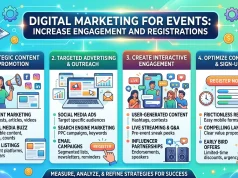
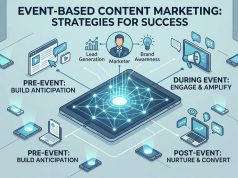
Event marketing is the strategic process of promoting an event to generate awareness, attract the right audience, and drive engagement before, during, and even after the event takes place. It involves creating excitement around the event, building anticipation, and communicating the value or experience attendees will gain by participating. Effective event marketing ensures that your target audience not only hears about the event but is motivated to register, attend, and share it with others.
Event marketing goes beyond simple promotion—it includes understanding your audience, crafting compelling messaging, selecting the most effective channels (such as social media, email, or influencer partnerships), and designing creative campaigns that resonate with potential attendees. By focusing on engagement at every touchpoint, event marketing transforms a standard announcement into a dynamic experience that captures attention, encourages participation, and ultimately drives the overall success of the event.
Event Marketing Includes the Following Key Responsibilities:
- Determining the target demographic of the event, to avoid ineffective outreach.
- Developing a marketing plan (social media campaigns, email blasts, advertising, etc).
- Curation of branding and messaging to explain why the event is important.
- Providing a discount, freebie, or marketing hook.
- Monitoring sign-up and attendance numbers and analyzing them to measure how well marketing is working.
Event Marketing in Action Example
Event Marketing in Action Example
Think you’re running a tech conference for software developers. Your team promoting the event is working on things like:
- Running social media campaigns with click-worthy event-related hashtags
- Partnering with industry influencers to help spread the word about your event
- Creating engaging email campaigns that will push would-be attendees to register
They are the ones keeping seats filled — whether virtual or physical.
To boost visibility and engagement further, consider strategies from influencer marketing for event success — a growing trend in event promotion.
How Success is Measured
An evaluation of the effectiveness of event marketing often includes metrics like:
- Amount of registrations or sign ups
- Event awareness (advertising and social media engagement)
- Email or paid campaign CTR
- Monetary ROI on ticket or leads sold
Introduction: Without event marketing, your event has no bridge to its audience. Without it, even the best-run event is at risk of being forgotten.
What Is Event Management?
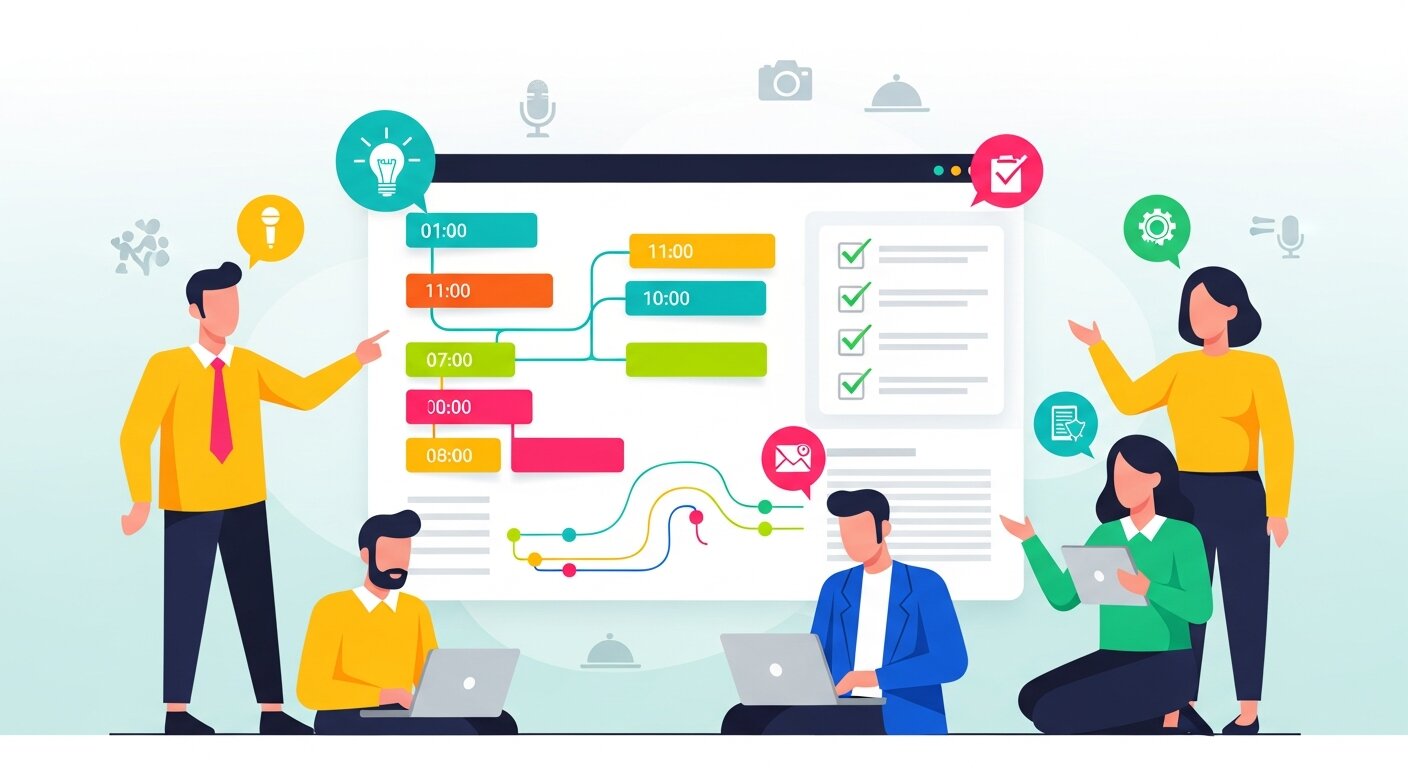
Event management is the comprehensive process of planning, organizing, and executing an event from start to finish. While event marketing focuses on attracting and engaging the audience, event management ensures that the entire experience runs smoothly, efficiently, and safely. It covers everything from pre-event logistics—such as venue selection, vendor coordination, budgeting, and scheduling—to on-the-day operations, including attendee check-ins, technical setup, staffing, and troubleshooting unforeseen issues.
Event management is about orchestrating all moving parts to create a seamless experience for attendees, speakers, sponsors, and stakeholders. It requires careful attention to detail, effective communication, and the ability to adapt quickly when unexpected challenges arise. Good event management guarantees that the vision promoted through marketing is fully realized, leaving participants with a positive, memorable experience. In essence, if event marketing brings the audience to the door, event management ensures they leave satisfied, engaged, and eager for future events. Businesses can also explore e-commerce logistics market trends to better understand operational planning for large-scale events.
Some of the Crucial Duties in Event Management Are:
- Scheduling the event timeline
- Reserving space, ordering food, hiring vendors
- Budget and contract management
- Handling logistics like seating, lighting, and parking
- Managing on-the-day operations to ensure smooth execution
For a deeper look into how modern tools can streamline this process, explore how event management software is transforming community events.
Event Marketing vs Event Management: Understanding the Full Scope
While both event marketing and event management are essential components of successful events, fully understanding their interplay is crucial for creating seamless, impactful experiences. The concept of Event Marketing vs Event Management goes beyond theory—it’s the practical blueprint for planning, executing, and promoting any event effectively. Event marketing focuses on generating awareness, building excitement, and ensuring the right audience attends, using tactics like social media campaigns, email promotions, influencer partnerships, and targeted advertising. Event management, on the other hand, takes the reins once attendees arrive, overseeing logistics, vendor coordination, timing, on-site problem-solving, and the overall flow of the event.
When these two domains operate in isolation, even well-intentioned efforts can fall short: a brilliant marketing campaign can bring a crowd to an event that feels disorganized, while flawless event execution can be wasted if the audience never shows up. By aligning marketing and management from the earliest stages—through shared planning sessions, data-driven feedback loops, and integrated strategies—event organizers can ensure that every aspect of the experience, from first impression to final farewell, works together. Mastering Event Marketing vs Event Management means creating events that not only attract the right people but also leave a lasting impression, strengthen brand credibility, and drive meaningful engagement long after the event concludes.
Some of the Crucial Duties in the Event Management Are:
- Scheduling the event timeline and schedule with others
- Reserving space, ordering food, hiring vendors and securing equipment
- Budget and vendor contract management
- Handling logistics, such as seating plans, sound and lighting installation and parking
- Managing on-the-day operations to make sure everything goes smoothly
Event Management in Action Example
For that same tech conference, your event management team would:
- Solidify venue bookings
- Organize catering and refreshments
- Ensure speakers have all their tech in order
- Keep a close eye on all real-time goings-on during the event
They’re the backroom troubleshooting problem solvers who adapt when new obstacles arise.
How Success is Measured
Success and failures in event management are based on qualitative metrics such as:
- Post-event surveys to help gauge customer satisfaction
- The plan is executed smoothly and within the planned time frame
- Staying within budget
- Happy attendees and sponsors
Where event marketing brings the people through the door, event management makes sure they leave happy.
Event Marketing vs Event Management: Major Differences
Here’s a quick easy guide to distinguish the two:
| Feature | Event Marketing | Event Management |
| Goal | Create buzz and draw people in | Host a perfectly planned and executed event |
| Focus | Promotion and engagement | Logistics and operations |
| Timeline | Pre-event (may carry on during event) | During-event or post-event |
| Key Metrics | Number of sign-ups, CTR, ROI | Guest satisfaction, events protocol |
| Responsibilities | Ads, collabs | Vendor securing, budgeting |
Both are equally critical. Ignoring one for the other would only make it more likely that an event is poorly executed or poorly attended.
How Event Marketing and Event Management Collaborate
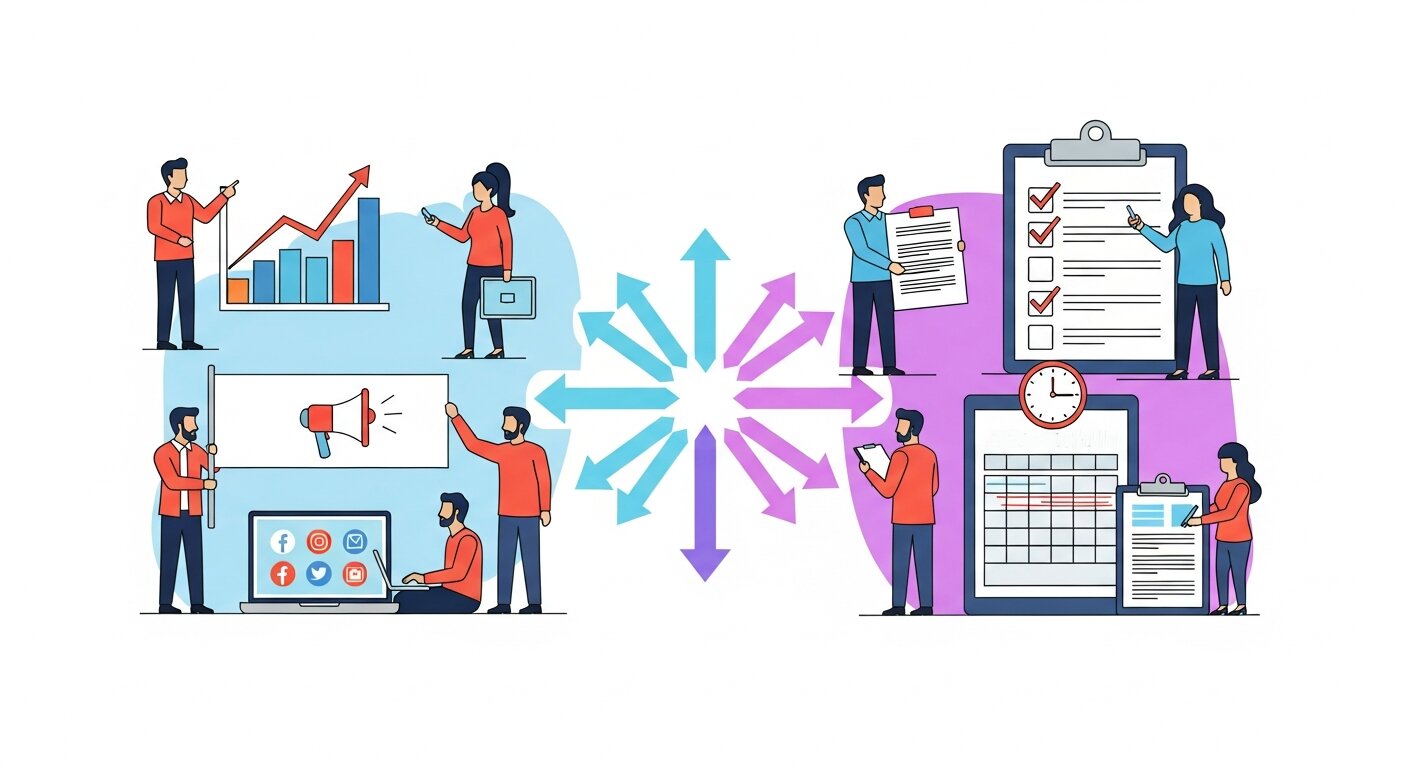
Although they are separate, event marketing and event management are closely related and support each other. Here’s how they simplify your event into a single streamlined experience:
Collaboration from Day One
Effective event marketing and event management begin with close collaboration from the very beginning of the planning process. Marketing teams need accurate, up-to-date information from event managers to create campaigns that resonate with the target audience. This includes details such as the event date, venue, agenda, speaker lineup, capacity, and any special experiences or perks. Without this foundation, promotional efforts may miscommunicate key information, resulting in low engagement or confusion. Early collaboration ensures that marketing strategies are realistic, aligned with logistical capabilities, and designed to maximize attendance while maintaining a seamless experience for participants.
Mutual Feedback Loops
Once campaigns are live, marketing teams continuously monitor audience engagement through metrics like registrations, click-through rates, and social interactions. These insights are invaluable to event managers, who can adjust planning elements such as seating arrangements, catering numbers, or staffing based on anticipated turnout. Conversely, managers provide feedback on logistical challenges or opportunities—like sold-out sessions, high-demand workshops, or capacity limits—which marketing teams can use to adjust messaging, create urgency, or promote alternate sessions. This ongoing feedback loop ensures both teams are working with the most current data, fostering a more agile and responsive event strategy.
On-the-Day Integration
During the event itself, the collaboration between marketing and management becomes even more critical. Marketing-driven initiatives—such as interactive hashtags, social media contests, or branded giveaways—require precise timing, coordination, and logistical support. Event management ensures these elements are executed flawlessly by handling setup, staffing, technical requirements, and troubleshooting in real time. Together, the two teams create a cohesive experience where promotional creativity meets operational excellence, leaving attendees fully engaged and impressed.
Post-Event Synergy
After the event concludes, marketing and management teams continue to collaborate to maximize insights and future planning. Marketing aggregates campaign data to assess what worked in driving registrations, engagement, and brand awareness. Event management evaluates the execution—looking at attendee satisfaction, vendor performance, and logistical efficiencies. By sharing lessons learned, both teams can refine strategies for future events, improving attendance, operational workflows, and overall ROI. This post-event synergy ensures that the cycle of planning, promotion, and execution continuously evolves toward higher-quality, more impactful events.
How to Excel in Event Marketing and Event Management

You don’t have to be an expert in both domains to run a good event, but integrating them is crucial. Here are tips for getting the two forces to work together:
Focus on Early Communication
Get marketing and management teams together in joint meetings right from the start. Clarity is needed for both sides to work to the same ends.
Invest in Event Tools
By using platforms such as Bizzabo or Eventbrite, both marketing and management tasks can be automated. These apps run the gamut from audience targeting to live information about event logistics.
Lean on Data
Leverage data gathered at every step (such as ticketing sales and on-site feedback) to guide both marketing efforts and the optimization of logistics.
Define Success Metrics
Get every team to agree what “success” would look like, whether that means a certain number of attendees or achieving a super-high satisfaction score.
Why You Need Them Both for Event Success
Ultimately, a great event is about the value it creates — for attendees, sponsors, and stakeholders alike. Event marketing brings the right people to the table, and event management makes sure the experience is flawless.
If you want to elevate your next event from good to exceptional, check out event marketing strategy: your complete guide to success to align both marketing and management under a single, winning plan.
Frequently Asked Questions (FAQ)
What is the key difference in responsibilities between Event Marketing vs Event Management?
Event marketing focuses on promotion, engagement, and attracting the right audience. Event management is responsible for logistics, execution, and ensuring the event runs smoothly. Both are intertwined to create a successful event experience.
Can one team handle both Event Marketing vs Event Management?
While some small events may have a single team handling both, larger events benefit from specialized teams. Marketing focuses on outreach and engagement, while management oversees logistics, vendor coordination, and on-site operations. Collaboration ensures no detail is overlooked.
How do I measure success in Event Marketing vs Event Management?
Marketing success is measured through registrations, social media engagement, email click-through rates, and ROI. Management success is evaluated via attendee satisfaction, smooth execution, adherence to budget, and post-event feedback. Combining both provides a full picture of the event’s impact.
How early should Event Marketing vs Event Management collaboration start?
Collaboration should begin during the conceptual phase. Marketing input ensures that messaging and campaigns align with event logistics, while management input ensures that all practical considerations—like venue capacity or scheduling—are realistic.
Which tools help integrate Event Marketing vs Event Management effectively?
Platforms like Eventbrite, Bizzabo, Cvent, and Hubilo streamline registration, communication, logistics, and analytics. They provide a central hub for marketing and management teams to collaborate in real-time, ensuring seamless execution.
Can Event Marketing vs Event Management overlap during the event itself?
Absolutely. Marketing campaigns continue during the event through social media, live streams, or promotional activities, while management ensures operations, guest services, and technical execution. Coordination ensures that messaging and logistics complement each other.
How does post-event analysis benefit Event Marketing vs Event Management?
Post-event analysis allows marketing teams to evaluate engagement and ROI, while management assesses operational effectiveness and attendee satisfaction. Sharing insights between teams ensures future events are better marketed, managed, and executed.
Are there industries where Event Marketing vs Event Management collaboration is more critical?
Yes, in industries like technology, healthcare, and finance, where events involve complex logistics and highly targeted audiences, seamless collaboration is essential for ensuring both attendance and a smooth experience.