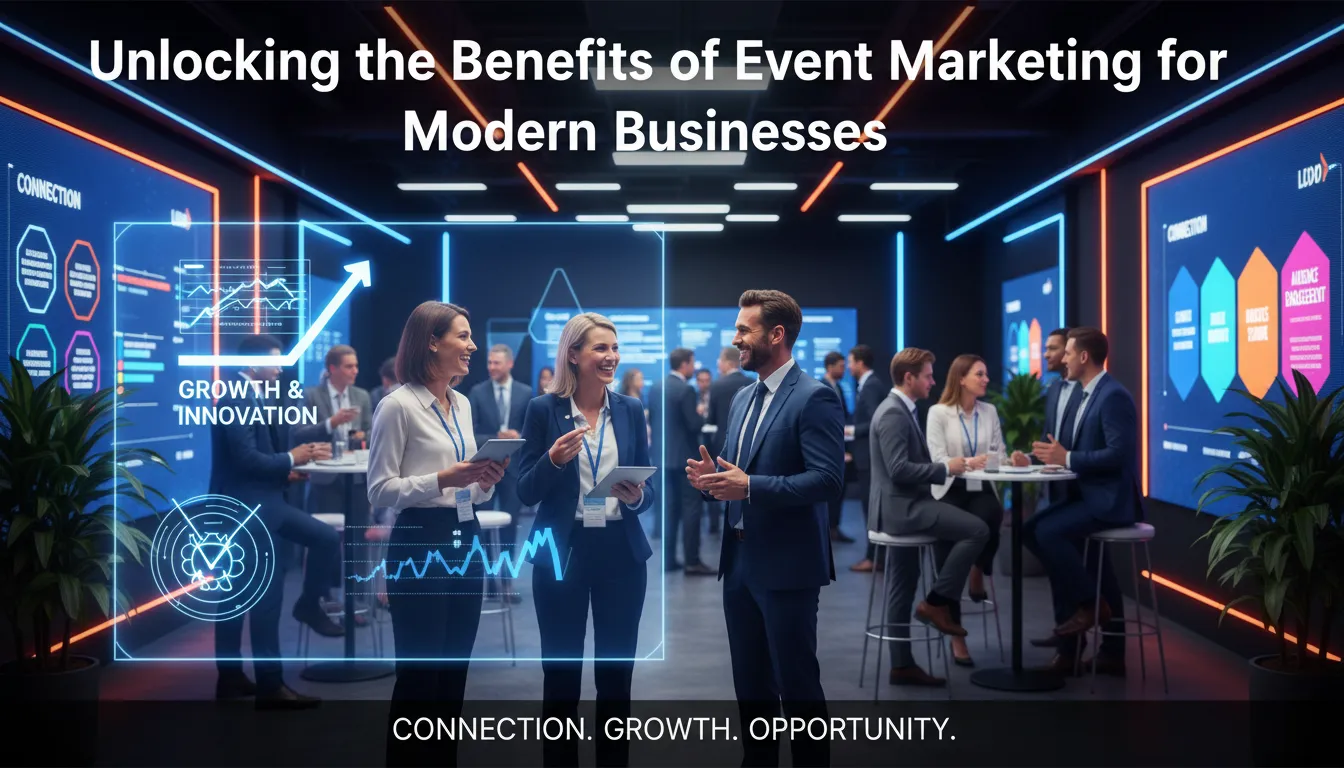
This comprehensive guide explores the strategic advantages of hosting and attending industry events. You will learn how to boost lead generation, build community trust, avoid common planning mistakes, and implement expert strategies to maximize your return on investment across every campaign.
Want to capture buyer intent and accelerate growth? The benefits of event marketing deliver measurable results by turning casual attendees into loyal brand advocates.
Why Your Business Needs an Event Strategy Right Now
Connecting with your audience face-to-face or screen-to-screen creates a unique dynamic that passive advertising simply cannot match. Exploring the benefits of event marketing reveals why leading companies dedicate massive portions of their budgets to trade shows, webinars, and hybrid conferences. Instead of waiting for prospects to find you, you create an environment where they actively choose to interact with your brand.
When you organize a targeted summit or a localized pop-up, you bypass the noise of crowded digital channels. Attendees grant you their undivided attention. This environment allows you to showcase your expertise, answer complex questions in real time, and guide potential buyers through your sales pipeline much faster than traditional outreach methods.
To fully understand the benefits of event marketing, we must break down how these gatherings impact every level of your business infrastructure. From brand awareness at the top of the funnel to closed deals at the bottom, a well-executed gathering offers multi-layered advantages.
The Core Benefits of Event Marketing
1. Accelerated Lead Generation and Pipeline Growth
Generating high-quality leads stands as one of the primary benefits of event marketing. When a professional registers for your webinar or buys a ticket to your conference, they immediately signal intent. They have a problem they want to solve or a specific topic they want to learn more about.
By strategically capturing attendee data, you can fill your database with warm prospects. You can use lead capture forms, badge scanners, or interactive polls to gather firmographic data. This allows your sales team to follow up with highly contextualized pitches rather than cold calls. Incorporating these tactics into your broader lead generation campaigns ensures a steady flow of qualified prospects.
2. Immediate Feedback and Real-Time Market Research
You rarely get the chance to watch your target audience interact with your product live. Hosting a product launch or a demo booth provides immediate, unfiltered feedback. You can see which features excite people and which ones cause confusion.
This real-time research helps you refine your messaging and product development. If multiple attendees ask the exact same question, you instantly know what needs clarification in your sales collateral. Listening to your audience face-to-face eliminates the guesswork from your marketing strategy.
3. Elevated Brand Authority and Trust
Trust drives business decisions. Establishing your company as a thought leader is one of the most vital benefits of event marketing. When you stand on a stage—whether physical or virtual—and share valuable, actionable insights, you position your brand as an industry authority.
You can strengthen this authority by hosting expert panels, inviting guest speakers, and sharing original research. Attendees will naturally associate your brand with innovation and leadership. This elevated trust makes the sales process significantly smoother down the line.
4. Deepened Customer Relationships and Loyalty
Event strategies do not just attract new buyers; they nurture existing ones. Hosting exclusive VIP dinners, customer appreciation days, or advanced training workshops strengthens your bond with current clients.
Meeting your clients in person humanizes your brand. It shows them that you value their partnership beyond a monthly subscription fee or a transactional purchase. These interactions directly support your customer retention strategies by reducing churn and transforming satisfied customers into vocal brand advocates.
Comparing Event Formats: Which Works Best?
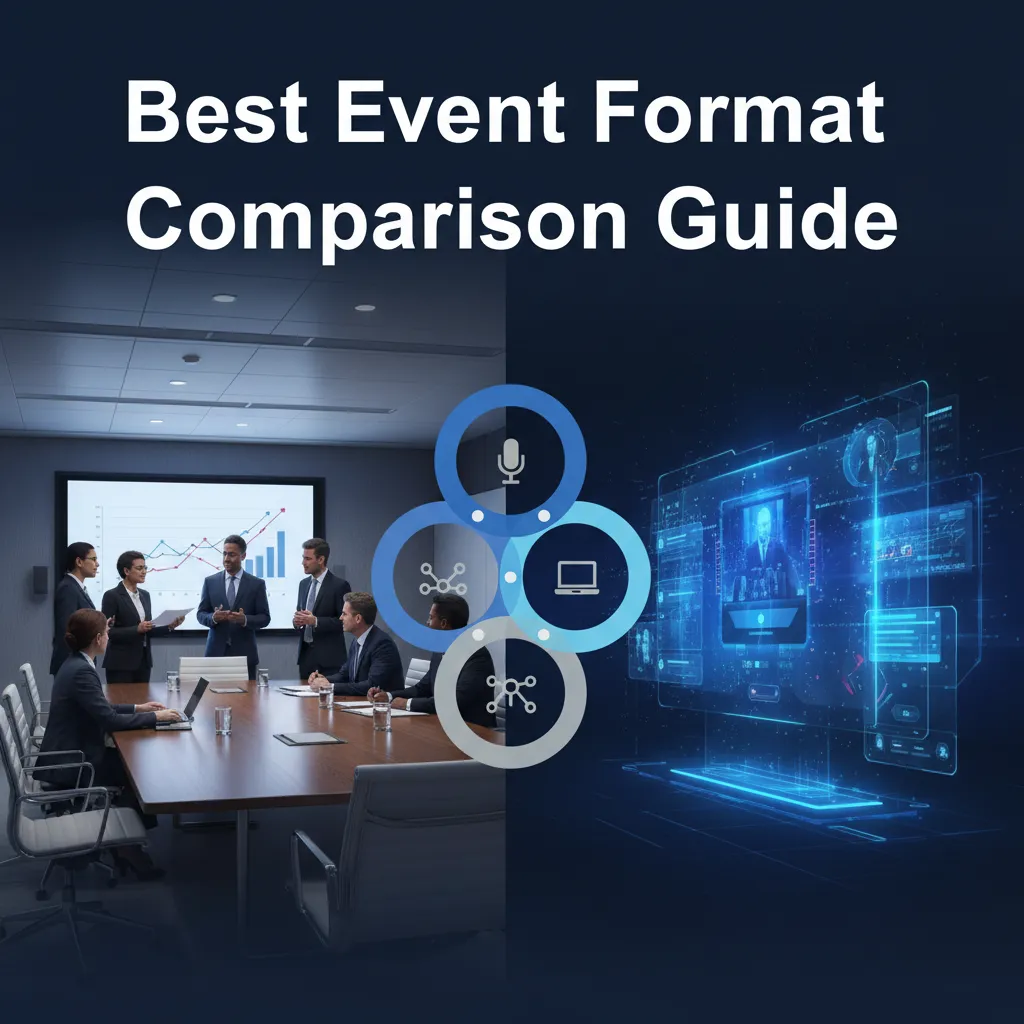
To reap the benefits of event marketing, you must choose the right format for your specific goals. Different formats serve different purposes, and understanding these distinctions will help you allocate your budget effectively.
The Virtual Experience: Scale and Accessibility
Virtual events exploded in popularity and remain a staple in modern B2B marketing trends. They offer incredible scale, allowing you to reach a global audience without the overhead costs of venue rentals, catering, and travel. Webinars, virtual summits, and live streams are perfect for educational content, software demos, and top-of-funnel brand awareness.
The In-Person Experience: Connection and Immersion
Nothing replaces the energy of a live, physical gathering. Trade shows, VIP dinners, and localized pop-ups thrive on human connection. Attendees can touch your products, read your body language, and engage in serendipitous networking over coffee. In-person gatherings typically generate higher-quality leads and deeper emotional connections, even if the total attendee count is lower than a virtual stream.
The Hybrid Experience: The Best of Both Worlds
Hybrid models combine the physical and the digital. You host a live, in-person gathering but broadcast the sessions to a global online audience. This approach maximizes the benefits of event marketing by satisfying both the attendees who crave face-to-face interaction and those who prefer the convenience of logging in from home.
Format Comparison Table
|
Feature |
Virtual |
In-Person |
Hybrid |
|---|---|---|---|
|
Reach & Scale |
Global, unlimited |
Local/Regional, limited by venue |
Global and Local |
|
Cost to Produce |
Low to Medium |
High |
Very High |
|
Engagement Level |
Moderate (prone to distractions) |
Very High (captive audience) |
High (requires dual engagement strategies) |
|
Best Used For |
Lead generation, education, software demos |
Networking, product launches, relationship building |
Major annual conferences, global summits |
|
Data Collection |
Excellent (tracks every click and view) |
Good (relies on badge scans and active input) |
Comprehensive |
Expert Insights for Maximizing Your Event ROI
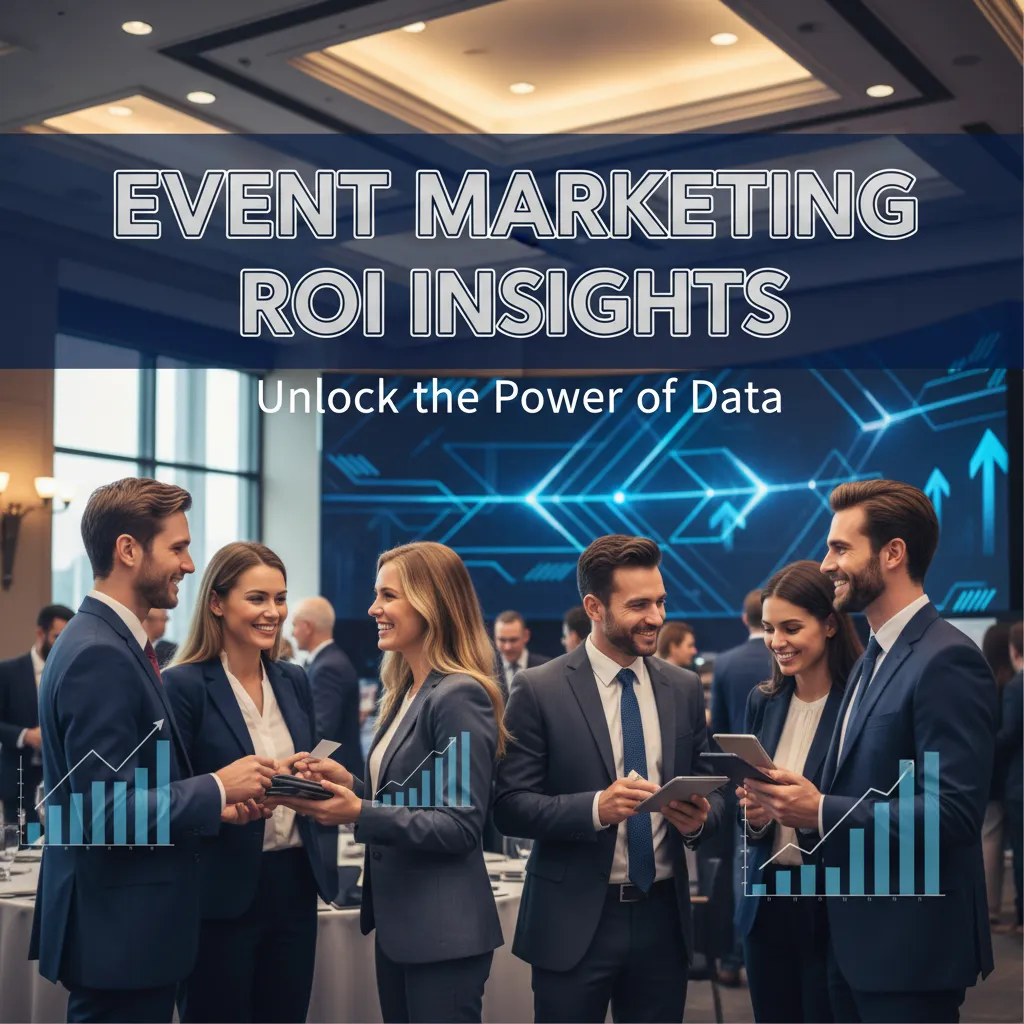
Achieving the true benefits of event marketing requires more than just booking a venue and sending out invitations. You need a targeted, modern approach to engage attendees and measure success.
Leverage Hyper-Personalization
Generic agendas no longer work. Attendees expect content tailored to their specific roles and challenges. Use the data you collect during registration to customize the attendee journey. Send personalized session recommendations, suggest relevant networking matches, and deliver customized post-event follow-up emails based on the sessions they actually attended.
Personalization shows attendees that you understand their unique pain points, dramatically increasing your conversion rates.
Harness AI for Smarter Planning
Artificial intelligence is transforming how marketers plan and execute their strategies. You can use AI to automate repetitive tasks like writing promotional emails, analyzing feedback surveys, and managing registration data. Predictive AI can even help you forecast attendance numbers and determine which session topics will generate the most interest. Check out resources from the Content Marketing Institute to see how AI is shaping broader content and promotional strategies.
Focus on Co-Creation and Community
Audiences want to participate, not just listen. The greatest benefits of event marketing emerge when you turn attendees into active contributors. Use live polls, interactive Q&A sessions, and collaborative workshops to crowdsource ideas.
When people feel like they are actively shaping the conversation, their emotional investment in your brand skyrockets. This community-driven approach fosters long-term loyalty and turns your gatherings into must-attend industry staples.
Common Mistakes to Avoid in Your Strategy
Even seasoned professionals stumble when organizing complex campaigns. Avoiding these common pitfalls ensures you fully leverage the benefits of event marketing.
Failing to Define Clear Goals
If you do not know what you want to achieve, you cannot measure your success. Are you trying to generate 500 new top-of-funnel leads? Are you trying to close $100,000 in pipeline revenue? Are you aiming to increase brand awareness in a new geographic market?
Set specific, measurable, achievable, relevant, and time-bound (SMART) goals before you spend a single dollar on your campaign.
Ignoring the Follow-Up Strategy
The biggest tragedy in marketing is spending thousands of dollars to capture leads, only to let them sit untouched in your CRM. The benefits of event marketing extend long after the venue closes.
You must have a robust, automated follow-up sequence ready before the gathering even begins. Segment your list based on attendee behavior. Send a “thank you” email with recap videos to those who attended, and a “sorry we missed you” email with on-demand links to those who registered but did not show up. For insights on building reliable CRM workflows, look to industry leaders like HubSpot.
Overlooking the Power of Micro-Events
Many companies believe they need to host massive, multi-day conferences to see any real benefits of event marketing. In reality, smaller, hyper-targeted micro-events often yield a much higher return on investment.
A localized roundtable discussion with 15 key decision-makers will likely generate more closed-won revenue than a generic webinar with 1,000 passive listeners. Do not underestimate the power of intimacy and exclusivity.
Designing a Flawless Attendee Journey
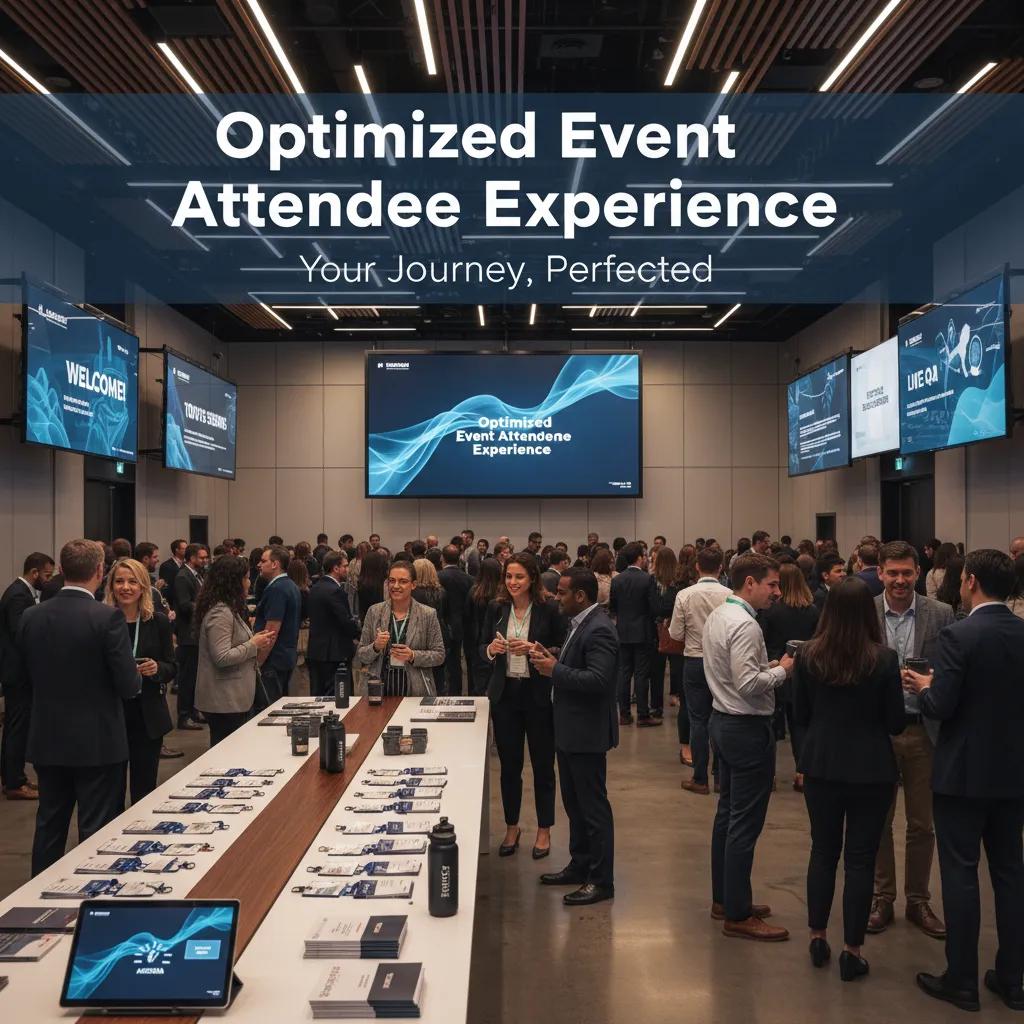
To harness the benefits of event marketing, you must map out the entire attendee journey. This journey begins the moment a prospect sees your first promotional ad and continues long after they return home.
Pre-Event: Building Anticipation
Your promotional phase should build excitement and clearly communicate the value proposition. Why should someone take time out of their busy schedule to attend? Use targeted ads, email marketing, and social media teasers to highlight your guest speakers, exclusive workshops, and networking opportunities.
Leverage your sales team to send personalized video invitations to high-value targets. This personalized touch cuts through the clutter of standard email blasts.
During the Event: Driving Engagement
Whether physical or virtual, keep the energy high and the friction low. Ensure your technology works flawlessly. Provide clear signage, comfortable seating, and engaging hosts.
Encourage attendees to share their experiences on social media by creating photo-worthy moments and promoting a unique hashtag. The more your attendees post about your gathering, the more organic reach you generate, amplifying the benefits of event marketing.
Post-Event: Sustaining the Momentum
Turn the momentum into measurable revenue. Your sales team should immediately reach out to the hottest leads. Marketing should repurpose the recorded sessions into blog posts, short-form videos, and social media snippets. This strategy extends the lifespan of your content and ensures your investment continues to pay dividends for months. You can learn more about repurposing content effectively from platforms like MarketingProfs.
Conclusion
Maximizing the benefits of event marketing requires planning, audience-centric design, and relentless follow-up. By creating immersive experiences that solve real problems, you build unbreakable trust and drive sustained pipeline growth. Now is the perfect time to elevate your strategy. Start mapping your next interactive experience today and watch your business thrive.
FAQs
What are the main benefits of event marketing?
The primary benefits of event marketing include accelerated lead generation, increased brand awareness, elevated industry authority, and deepened customer relationships. These gatherings allow businesses to interact directly with their target audience, capture warm prospects, and receive real-time feedback on their products and messaging.
How does event marketing improve lead generation?
When people register for a webinar or buy a ticket to a conference, they display active intent and interest in your industry. By using registration forms and interactive sessions, you can collect valuable data and easily transition these engaged attendees directly into your sales pipeline.
Is virtual event marketing as effective as in-person?
Virtual formats offer excellent scale, accessibility, and cost-effectiveness, making them great for educational content and top-of-funnel leads. In-person formats excel at relationship-building and closing high-value deals. Both are highly effective when aligned with the correct strategic goals.
How do I measure the ROI of my event?
You should track metrics that align with your initial goals. Common key performance indicators include total registrations, actual attendance rates, cost per acquisition, total qualified leads generated, and the amount of pipeline revenue directly attributed to the campaign.
What is a hybrid event?
A hybrid format combines physical, in-person gatherings with a virtual broadcasting component. This allows local attendees to experience the networking and energy of a live show while enabling a global audience to participate remotely, effectively maximizing your reach and data collection.
How soon should I follow up with attendees?
You should initiate your follow-up sequence within 24 to 48 hours. Send personalized emails thanking them for attending, providing on-demand recordings, and offering clear next steps. Prompt follow-ups capitalize on the momentum and keep your brand top-of-mind.
How can I make my event more engaging?
Move away from passive lectures. Incorporate live Q&A sessions, real-time polling, interactive workshops, and gamification elements like leaderboards or scavenger hunts. Engaging your audience transforms them from passive listeners into active participants.
What is a micro-event?
A micro-event is a small, highly targeted gathering, such as an executive roundtable or an exclusive VIP dinner. They typically host between 10 and 50 people. Because they are so focused, they often produce deeper relationships and higher conversion rates than massive conferences.
How can AI help with event planning?
Artificial intelligence can streamline logistics by automating promotional copywriting, summarizing post-event surveys, and segmenting registration lists. Predictive AI can also help you forecast attendance trends and determine which session topics will resonate most with your specific audience.
What is the biggest mistake in event marketing?
The most critical mistake is failing to define clear, measurable goals before planning begins. Without specific objectives, you cannot tailor the attendee journey, choose the right promotional channels, or accurately measure your return on investment once the gathering concludes.