AI in event marketing helps personalize experiences, automate logistics, predict outcomes, and boost engagement, enabling smarter events with higher ROI and stronger attendee connections.
In today’s competitive landscape, event marketers must harness cutting-edge technologies to stand out and deliver exceptional experiences. Artificial Intelligence (AI) has emerged as a game-changer, offering tools for personalization, predictive analytics, operational efficiency, and real-time engagement. This deep-dive guide explores how to integrate AI into your event marketing strategy to drive attendance, deepen connections, and maximize return on investment (ROI). By the end, you’ll have actionable tactics and best practices to launch smarter, more impactful events powered by AI.
1. Understanding AI in Event Marketing
AI in event marketing refers to software and algorithms that analyze vast amounts of data, learn from patterns, and automate decision-making to enhance the attendee experience and optimize campaign performance. Unlike traditional marketing tools, AI can process real-time signals—from social media sentiment and registration behaviors to on-site engagement metrics—and adapt your strategy on the fly. Key AI components in events include machine learning models, natural language processing (NLP), computer vision, and predictive analytics.
By tapping into these technologies, you can solve critical challenges such as low registration conversion, impersonal outreach, inefficient resource allocation, and suboptimal follow-up. For example, AI-driven chatbots can handle hundreds of attendee inquiries simultaneously, freeing your staff for high-value tasks. Meanwhile, predictive models can forecast registration trends, helping you allocate budget across channels for maximum impact.
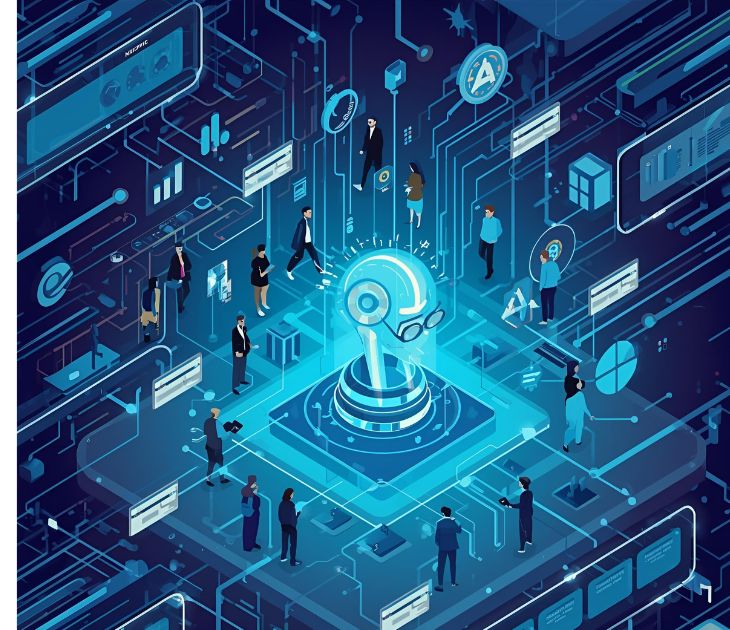
2. AI-Powered Personalization at Scale
Personalization is no longer optional: attendees expect content and experiences tailored to their interests, job roles, and past behaviors. AI makes one-to-one personalization possible at scale, even for events with thousands of participants.
- Dynamic Email Campaigns: Dynamic Email Campaigns: Use AI to segment registrants by industry, engagement score, or session interest. Automatically populate email content—such as recommended sessions, speaker highlights, or networking matches—based on each recipient’s profile. Learn more about event email marketing software to automate personalized campaigns.
- Website and Landing Page Personalization: Implement machine learning tools that adjust banner messages, call-to-action buttons, and featured sessions according to visitor behavior and referrer data.
- On-Site Recommendations: Deploy computer vision or RFID badges to track session attendance. Use that data to push real-time suggestions—like breakout rooms or exhibitor booths—to attendees’ mobile apps or digital signage.
The result: higher click-through rates, stronger session attendance, and a more memorable, relevant experience that fosters loyalty and brand advocacy.
3. Predictive Analytics for Event ROI
One of AI’s standout benefits is its ability to forecast outcomes before an event even begins. Predictive analytics models draw on historical data, market trends, registration signals, and engagement metrics to estimate key performance indicators (KPIs) such as total attendance, sponsorship interest, and revenue.
To implement predictive analytics:

- Gather Data Sources: Combine CRM records, past event performance, website analytics, email metrics, and social media engagement. The richer the dataset, the more accurate your models become.
- Choose the Right Tools: Platforms like Google Cloud AI, Azure Machine Learning, or specialized event analytics software can help you build and train models without deep data science expertise.
- Train and Validate: Use 70–80% of your data to train the algorithm, reserving the remainder for validation. Continuously refine features—like registration date, ticket type, and past attendance—to improve accuracy.
- Act on Insights: If the model predicts lower registration from a certain channel, increase spend or tweak messaging. If particular session topics are trending, promote them more heavily on social media.
By anticipating challenges and opportunities, you can allocate budget, staff, and marketing resources more effectively—and demonstrate clear ROI to stakeholders. For B2B events, see our B2B event marketing strategy guide.
4. AI-Driven Automation in Event Logistics
Managing check-ins, badge printing, room assignments, and catering orders can consume significant time and introduce human error. AI-driven automation streamlines these logistical tasks, delivering a seamless attendee journey.
- Smart Check-In Stations: Use facial recognition or QR-code scanning powered by AI to speed up entry, reduce queues, and enhance security.
- Predictive Staffing: Analyze foot-traffic patterns from previous events to predict when and where peak crowds will form. Schedule staff or volunteers proactively to maintain smooth operations.
- Inventory and Catering Optimization: Leverage AI to forecast food and beverage consumption based on attendee demographics, session schedules, and weather patterns, minimizing waste and lowering costs.
With these automations in place, your team can focus on strategic engagement rather than manual coordination.
Read our event venue marketing strategies guide to see how AI can optimize logistics in physical spaces.
5. Chatbots & Virtual Assistants for Real-Time Engagement
AI chatbots and voice assistants are available around the clock to answer attendee questions, schedule meetings, and provide personalized recommendations. They can integrate with event apps, websites, or messaging platforms like WhatsApp and Slack.
Key benefits include:
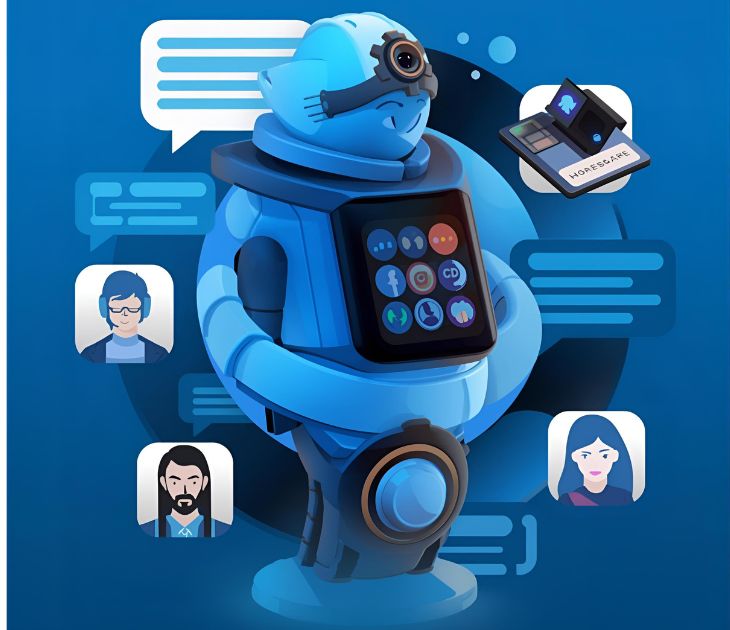
- Instant Support: Eliminate long wait times for FAQs on location, agendas, or technical issues.
- Seamless Scheduling: Attendees can ask the bot to book one-on-one meetings with speakers or exhibitors, syncing directly with calendars.
- Lead Qualification: Chatbots can ask qualifying questions to booth visitors and pass high-potential leads to your sales team in real time.
For virtual and hybrid conferences, check out virtual event marketing strategies for additional engagement tips.
6. Ethical & Privacy Considerations
While AI offers powerful capabilities, event marketers must navigate data privacy and ethical use. Best practices include:
- Transparent Data Policies: Clearly inform attendees how their data will be collected, stored, and used. Obtain explicit consent where required by regulations like GDPR or CCPA.
- Bias Mitigation: Regularly audit your algorithms to ensure they don’t favor certain demographics or inadvertently exclude groups.
- Secure Storage: Implement robust encryption and access controls to protect sensitive attendee information.
Prioritize ethics to build trust and safeguard your brand. For more on brand-focused events, see event marketing for brand growth.
Advanced AI-Powered Attendee Engagement
Beyond personalization and automation, AI enables deeper engagement by predicting attendee behavior and delivering timely interventions. For example, machine learning algorithms can identify attendees at risk of disengaging during multi-day conferences. By proactively sending push notifications, session reminders, or personalized offers, marketers can keep participants active and invested. AI can also segment attendees based on engagement patterns, tailoring communication for VIPs, first-time attendees, or loyal repeat participants.
Social listening tools powered by AI analyze conversations across social media platforms to detect sentiment, trends, and feedback. This allows marketers to dynamically adjust messaging, highlight popular sessions, and respond to attendee concerns in real-time. For hybrid or virtual events, AI can recommend networking connections based on mutual interests, prior interactions, or professional profiles, creating an experience as meaningful as in-person networking.
Optimizing Event Marketing Campaigns with AI
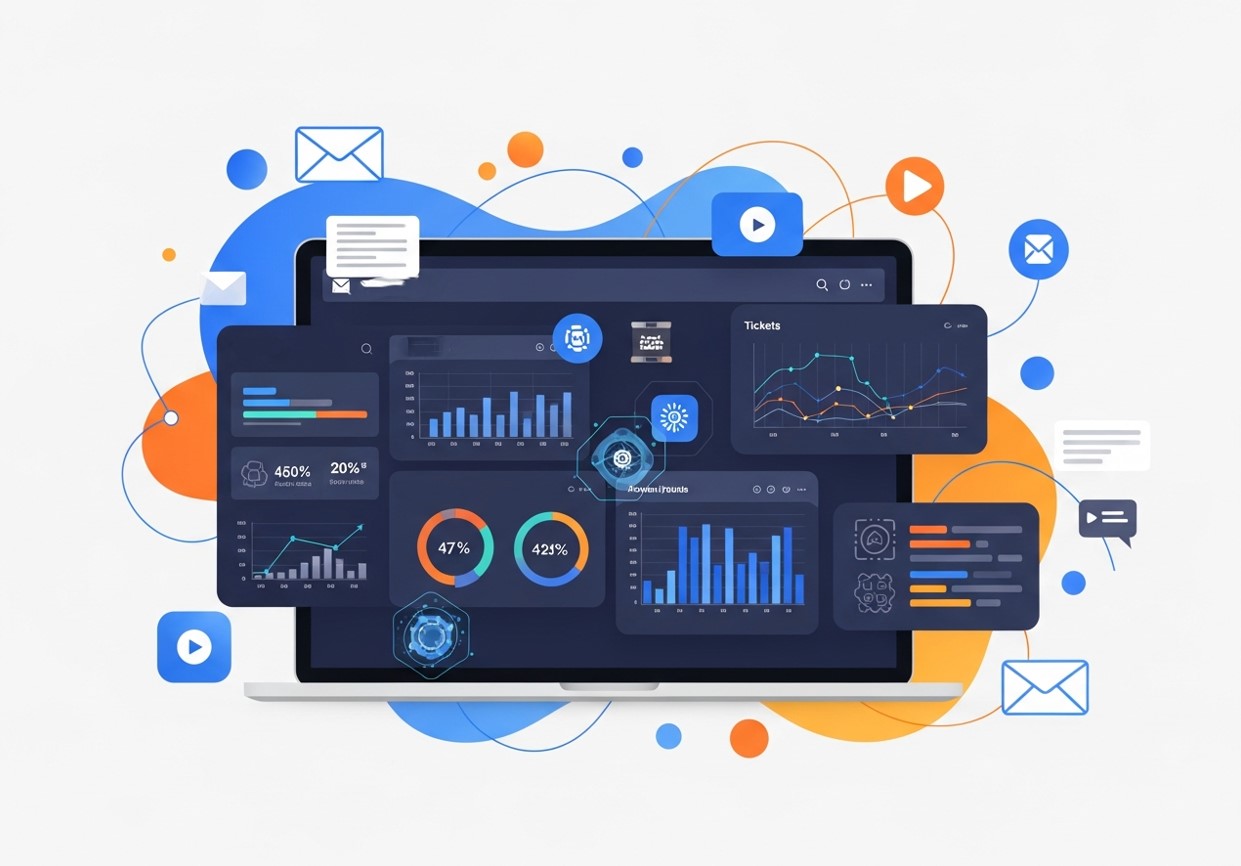
AI is revolutionizing event promotion by allowing data-driven decision-making for marketing campaigns. Predictive algorithms can determine the optimal channels, content formats, and timing to maximize registration and engagement. For instance, AI can analyze historical campaign data to suggest which subject lines generate higher email open rates or which social media platforms drive more sign-ups.
Dynamic content creation is another application. AI tools can generate personalized landing pages, session previews, or email copy for different audience segments, reducing manual workload while maintaining a consistent brand voice. By combining these insights with performance analytics, event marketers can continuously refine their campaigns for higher ROI and reduced acquisition costs.
Leveraging AI for Sponsorship and Revenue Growth
Event organizers can use AI to enhance sponsorship opportunities and drive revenue growth. Predictive models can identify potential sponsors whose audiences align closely with your attendee profile. AI can also forecast which sponsorship packages are likely to generate the highest ROI, allowing organizers to structure tiered offerings strategically.
During the event, AI analytics track attendee interactions with sponsor booths, content, and advertisements. These insights enable real-time reporting to sponsors, demonstrating value and increasing the likelihood of renewals for future events. Additionally, AI-powered recommendation engines can suggest upsells, such as premium sessions, VIP experiences, or merchandise, increasing overall revenue per attendee.
AI in Post-Event Analytics and Feedback
The benefits of AI extend beyond event execution. After the event, AI can synthesize data from multiple sources—surveys, session attendance, social media engagement, and app interactions—to provide actionable insights. Sentiment analysis can reveal which sessions resonated most, identify common attendee pain points, and highlight opportunities for improvement.
Machine learning algorithms can also predict long-term behavior, such as the likelihood of repeat attendance or conversion into loyal customers. By integrating these insights into your marketing and CRM systems, event teams can nurture leads effectively, personalize follow-ups, and improve the performance of future events.
Integrating AI with Hybrid and Virtual Events
Hybrid and virtual events present unique challenges, including engagement and attendee retention. AI can bridge these gaps by providing interactive tools such as real-time polls, AI-driven matchmaking for networking, and session recommendations based on prior behavior.
Computer vision technologies can analyze virtual session attendance patterns, participation rates, and facial expressions to assess engagement levels. For hybrid events, AI can seamlessly integrate in-person and virtual experiences, ensuring that all participants receive personalized attention regardless of how they attend.
AI-Enhanced Event Security
Security is a growing concern for large-scale events, and AI can play a critical role in protecting both attendees and organizers. Facial recognition and behavior monitoring can detect unauthorized access, suspicious activity, or overcrowding in specific areas. AI algorithms can also monitor cybersecurity threats for virtual event platforms, safeguarding attendee data and ensuring uninterrupted access.
Future Trends: AI and Event Marketing
Looking ahead, AI will continue to evolve, driving more immersive and intelligent experiences. We can expect developments such as:
- Voice-Activated Event Assistance: Attendees interacting with AI assistants through smart devices or apps.
- Emotion-Sensing Analytics: Real-time analysis of attendee emotions to adapt content delivery or engagement tactics.
- Fully Automated Event Operations: End-to-end AI coordination of registration, logistics, communications, and analytics.
Event marketers who adopt these technologies early will gain a competitive edge by offering smarter, more personalized, and highly efficient experiences.
Conclusion
Integrating AI into your event marketing strategy unlocks unprecedented opportunities for personalization, predictive decision-making, and operational efficiency. From dynamic email campaigns and smart check-in systems to chatbots and advanced analytics, AI tools empower you to deliver highly engaging experiences while maximizing ROI. As you embark on this journey, start with a clear data roadmap, choose solutions that align with your goals, and maintain a strong focus on attendee privacy and ethical use. By doing so, you’ll position your organization at the forefront of next-generation event marketing—and create unforgettable experiences that resonate with today’s tech-savvy audiences.
AI empowers smarter, more personalized events while maximizing ROI. Start with a data roadmap, align tools with goals, and prioritize privacy. Integrating AI early positions your events for success, from automated logistics to predictive analytics. For ongoing optimization, check our predictive analytics guide.
Frequently Asked Questions (FAQ)
What types of events benefit most from AI integration?
AI is versatile and can enhance virtually any event, including conferences, trade shows, virtual summits, workshops, and hybrid experiences. The impact is particularly strong for events with large attendee volumes, multiple sessions, and complex logistics.
Can small events use AI effectively?
Yes. Even small-scale events can benefit from AI-driven automation, personalized communications, and analytics. Scalable AI tools allow smaller organizers to optimize resource allocation and attendee experience without massive budgets.
How does AI improve networking opportunities at events?
AI algorithms analyze attendee profiles, engagement history, and interests to suggest meaningful connections. This matchmaking fosters higher-quality networking and encourages attendee retention.
Is AI expensive to implement for event marketing?
Costs vary depending on the complexity of AI solutions. Many tools are cloud-based, subscription-driven, and scalable, allowing organizers to start small and expand capabilities over time. ROI often outweighs initial investment by boosting attendance, engagement, and revenue.
How do I ensure ethical use of AI at events?
Prioritize transparency, obtain attendee consent, audit algorithms for bias, and protect data with robust security measures. Clear communication about AI usage builds trust and enhances brand reputation.
What is the biggest challenge when adopting AI for events?
Data quality and integration are critical. AI models rely on accurate, comprehensive data from past events, registration systems, and attendee interactions. Poor or incomplete data can lead to ineffective recommendations or insights.