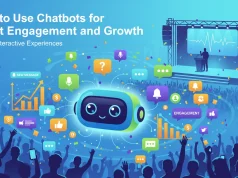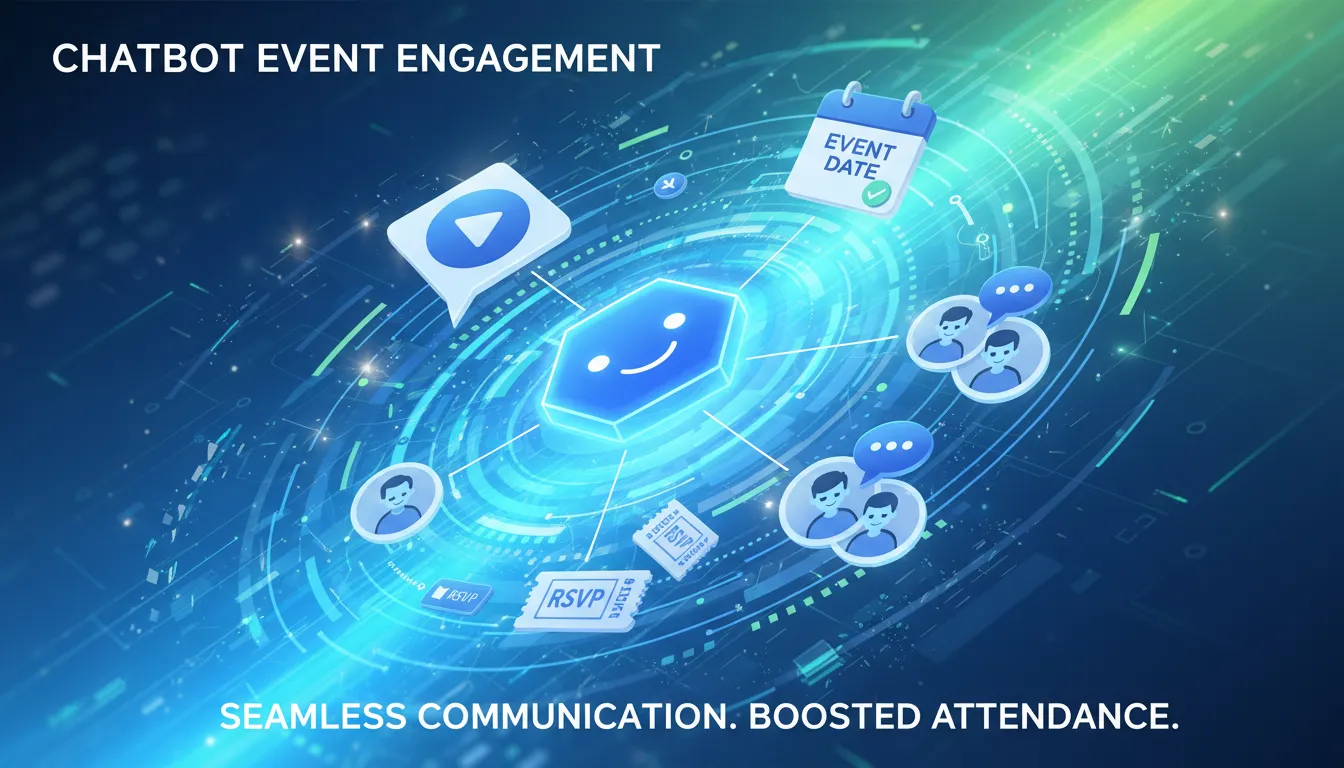
This guide explores how chatbot-driven event marketing streamlines registration, boosts ticket sales, and provides 24/7 attendee support. We cover actionable strategies, integration techniques, and data tracking methods to help you elevate the entire event experience while saving your team valuable time.
Want to create an unforgettable experience for your attendees? Chatbot-driven event marketing transforms how you connect, communicate, and engage with your audience before, during, and after your events.
Understanding Chatbot-Driven Event Marketing
Chatbot-driven event marketing represents a shift in how organizers approach audience communication. An event chatbot acts as a dedicated digital assistant that uses natural language processing to converse with your attendees. By placing conversational interfaces at the center of your promotional strategy, you create a seamless bridge between your marketing efforts and the user experience.
When you implement chatbot-driven event marketing, you move away from static web pages and generic email blasts. Instead, you offer dynamic, two-way conversations. Attendees can ask questions, purchase tickets, and receive immediate recommendations based on their specific interests. This approach ensures that no prospect leaves your event page due to confusion or a lack of readily available information.
By integrating these tools into your overall digital strategy, you capture attention precisely when user intent is highest. Chatbots can live on your main website, social media channels, and dedicated event apps, making them accessible wherever your audience prefers to interact.
The Evolution of Event Experiences
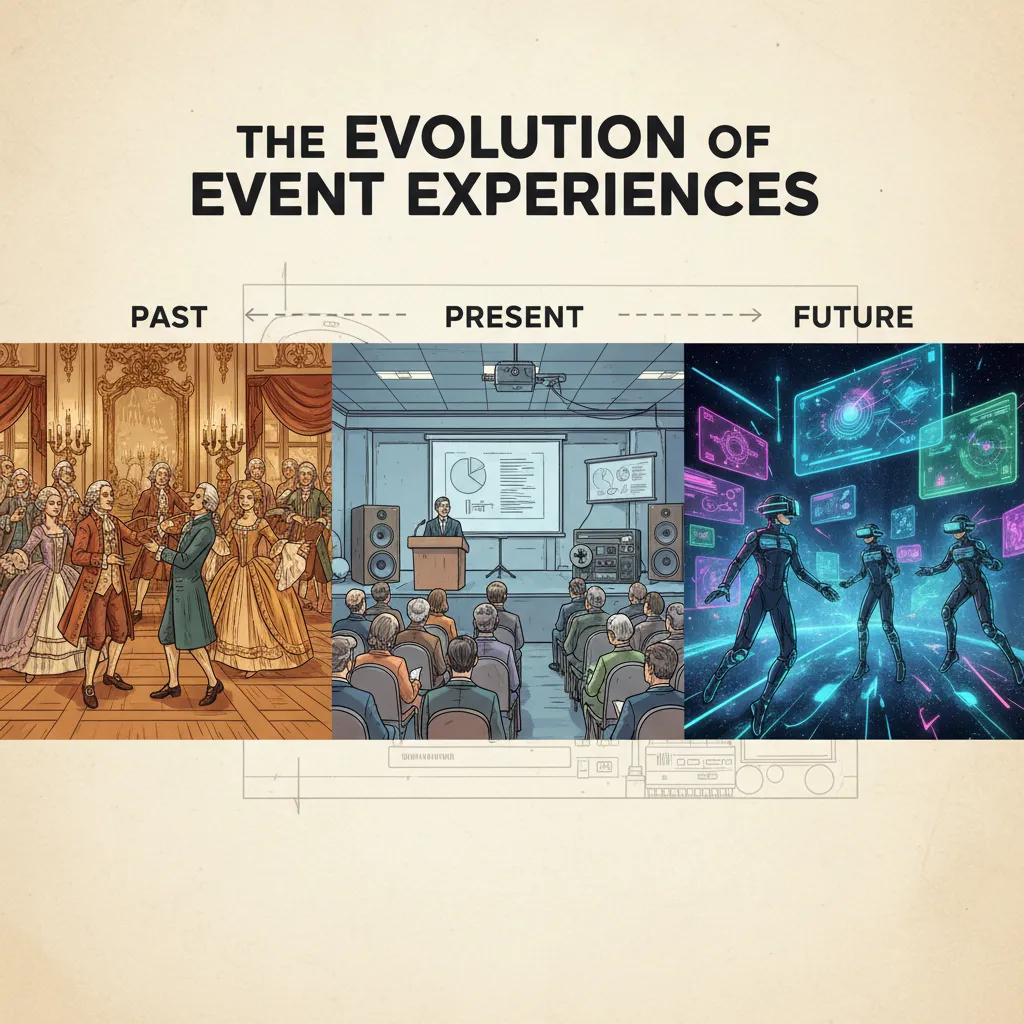
For years, attendees navigated clunky registration forms and searched through massive PDF schedules to find relevant sessions. This friction was a far cry from knowing how to build a marketing funnel that converts efficiently; if they had a question, they had to call a support line or send an email, often waiting days for a response.
Chatbot-driven event marketing changes this dynamic entirely. Through artificial intelligence, you can now simulate human interactions at scale. Virtual assistants learn from every conversation, constantly improving their ability to serve your audience. You can think of these tools as an extension of your marketing and support teams—ones that never sleep and can handle thousands of concurrent conversations.
A well-executed chatbot-driven event marketing campaign provides instant gratification. When a potential attendee wonders about parking, dietary options, or speaker lineups, the bot answers immediately. This frictionless experience directly correlates with higher conversion rates and improved brand perception.
Core Benefits of Chatbot-Driven Event Marketing
Embracing chatbot-driven event marketing offers substantial advantages that impact your bottom line, team efficiency, and attendee satisfaction.
- Continuous 24/7 Support: Attendees browse your site at all hours. A chatbot ensures they always have a knowledgeable guide ready to assist, regardless of the time zone.
- Streamlined Registration: Drop-off rates plummet when you replace lengthy forms with a conversational registration flow. The chatbot asks for information step-by-step, making the process feel less like a chore and more like a friendly chat.
- Personalized Recommendations: Chatbots analyze user input to suggest specific keynote speakers, workshops, or networking sessions. This personalization makes attendees feel valued and understood.
- Cost Efficiency: By automating routine queries, you reduce the strain on your customer support team. Your staff can focus on complex issues while the bot handles the repetitive questions.
- Instant Updates: If a speaker runs late or a room changes, the chatbot can push notifications directly to affected attendees, preventing confusion and frustration.
Key Strategies for Implementing Chatbot-Driven Event Marketing
To maximize the impact of chatbot-driven event marketing, you must approach the implementation strategically. Setting up a bot and hoping for the best will not yield strong results. You need a deliberate plan.
Define Your Goals and Audience
Before building your bot, outline exactly what you want to achieve. Do you want to drive ticket sales, answer frequently asked questions, or generate leads for future events? Defining your primary objective is just as critical as learning how to create landing pages that convert. Next, consider your target audience; a chatbot for a corporate finance summit will require a different tone and vocabulary than one designed for an outdoor music festival.
Map the Attendee Journey
Consider every touchpoint a user has with your brand. Chatbot-driven event marketing should support the entire lifecycle:
- Pre-Event: Focus on marketing, answering logistical questions, overcoming objections, and driving registrations.
- During the Event: Shift the focus to wayfinding, schedule management, live updates, and technical support for virtual attendees.
- Post-Event: Use the bot to collect feedback, share presentation slides, and promote early-bird tickets for the next installment.
Choose the Right Platform and Integrations
Your chatbot must integrate seamlessly with your existing tech stack. It should connect to your customer relationship management (CRM) software, ticketing platform, and marketing automation tools. By unifying your data, the bot can recognize returning attendees and tailor conversations accordingly. Utilizing platforms like Google Analytics helps you track how users interact with the bot, allowing you to optimize the conversational flow over time.
How Chatbots Enhance the Registration Process
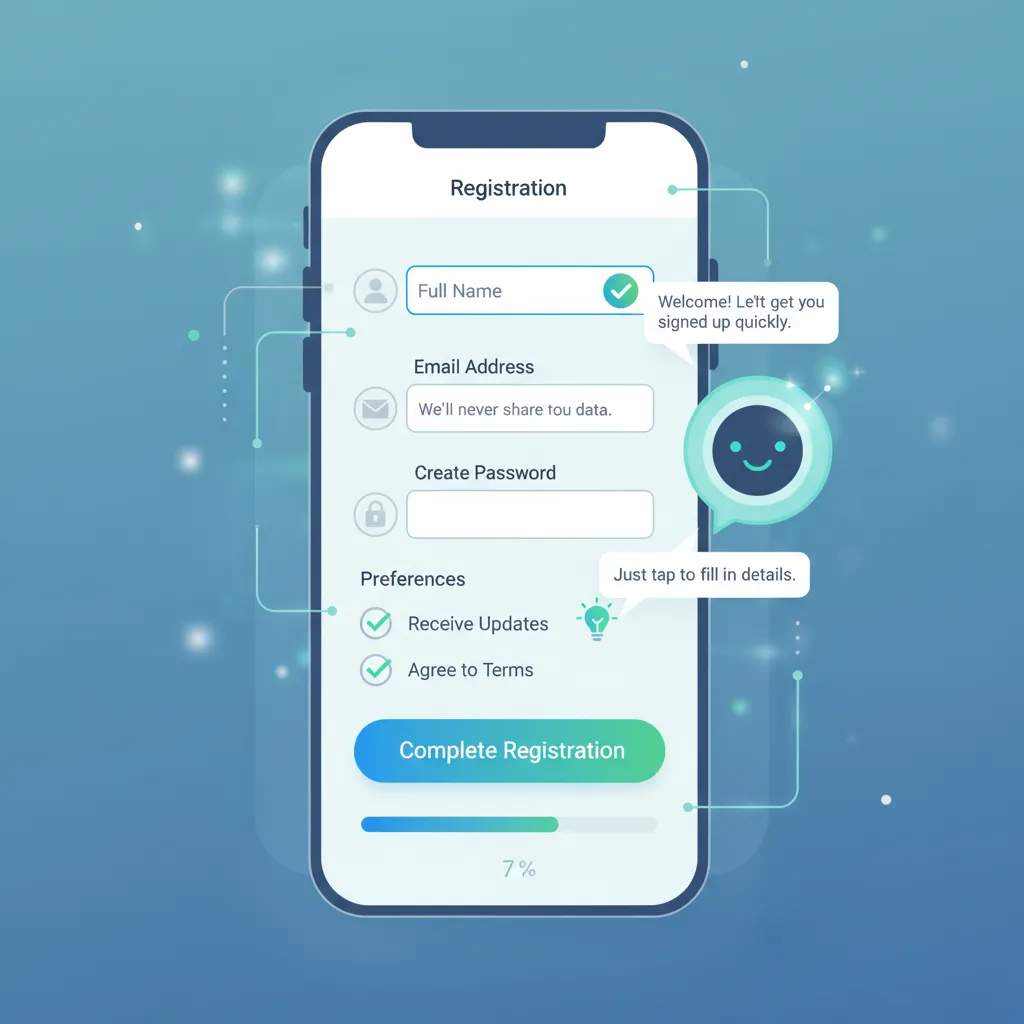
The registration phase is a critical bottleneck in event marketing. Traditional forms often suffer from high abandonment rates. Chatbot-driven event marketing turns this hurdle into an engaging interaction.
Instead of presenting a wall of text fields, the chatbot asks one question at a time. “Hi! Are you looking to grab a VIP pass or a General Admission ticket?” Once the user selects an option, the bot gently asks for their name, email, and payment details.
This conversational approach keeps momentum high. If a user hesitates or stops midway, the chatbot can trigger a gentle follow-up message: “Hey there, it looks like you got distracted. Do you still want to secure your spot?” This proactive engagement recovers lost sales and boosts overall attendance.
Maximizing Engagement During the Event
Chatbot-driven event marketing does not stop once the tickets are sold. During the event, the chatbot transitions into a reliable digital concierge.
For physical events, attendees can use the bot to find the nearest restroom, locate a specific sponsor booth, or discover where lunch is being served. For virtual and hybrid events, the chatbot helps users navigate the digital platform, troubleshoot login issues, and join breakout rooms.
You can also use the chatbot to facilitate live engagement. Attendees can submit questions for panel discussions through the bot, participate in live polls, or join gamified networking challenges. This keeps the audience actively involved rather than passively watching.
Post-Event Follow-Up and Lead Generation

The days following your event present a massive opportunity for retention and lead generation. Chatbot-driven event marketing excels in this phase by automating the feedback process, providing the raw data necessary for latent view analytics to decode attendee sentiment, and uncovering hidden trends that drive future strategy.
Rather than sending a static email survey that easily gets ignored, the chatbot can reach out via SMS or social messenger. “We hope you loved the marketing keynote! How would you rate your experience out of 5?” This low-friction approach generates significantly higher response rates.
Furthermore, you can program the bot to offer valuable post-event content, such as exclusive video recordings or industry reports, in exchange for an email address. This tactic smoothly transitions one-time attendees into your long-term marketing funnel.
Comparing Traditional vs. Chatbot-Driven Event Marketing
|
Feature |
Traditional Event Marketing |
Chatbot-Driven Event Marketing |
|---|---|---|
|
Availability |
Limited to business hours |
24/7/365 continuous support |
|
Registration |
Long, static web forms |
Conversational, step-by-step flow |
|
Personalization |
Broad email blasts |
Tailored recommendations based on chat data |
|
Updates |
Emails that may get lost in spam |
Instant push notifications and direct messages |
|
Feedback |
Low-response email surveys |
High-engagement interactive polls |
|
Data Collection |
Fragmented and manual |
Automated, real-time insights integrated with CRM |
SEO and Marketing Synergy
Your chatbot-driven event marketing strategy should work hand-in-hand with your search engine optimization efforts. Whether you are navigating the nuances of event marketing vs sports marketing, as you drive traffic to your event landing pages, the chatbot acts as the ultimate conversion mechanism.
To bring users to your site, you must create high-quality content optimized for search intent. Tools like SEMrush and Ahrefs are invaluable for identifying the keywords your audience is searching for. By understanding their queries, you can script your chatbot to address those exact topics.
Furthermore, building authority through strong backlinks is essential. As outlined by resources like Backlinko, authoritative links signal to search engines that your event is legitimate and valuable. When you rank higher, more traffic flows to your site, giving your chatbot more opportunities to capture leads, drive ticket sales, and support the retail event marketing strategies you have in place. You can even check Wikipedia to ensure your industry definitions and broader context align with established knowledge.
Common Challenges and Solutions
While chatbot-driven event marketing is highly effective, it comes with specific challenges you must address.
- Handling Complex Questions: Rule-based bots often fail when users type unexpected phrases. To solve this, always provide a clear “Talk to a Human” option. Escalate complex queries to your live support team seamlessly.
- Avoiding Robotic Tones: A chatbot that sounds like a dry manual will alienate users. Inject personality into your bot’s script. Use emojis appropriately, maintain an active voice, and align the vocabulary with your brand’s identity.
- Data Privacy Concerns: Attendees want to know their data is safe. Ensure your chatbot complies with local data protection regulations. Clearly communicate how you use the information collected during the chat.
- Stagnant Scripts: Events evolve, and your chatbot must evolve with them. Review the chat logs regularly to identify new questions attendees are asking. Update the bot’s knowledge base to fill these gaps.
Advanced Tactics in Chatbot-Driven Event Marketing
Once you master the basics, you can elevate your chatbot-driven event marketing with advanced techniques.
Use targeting rules to show different bots to different people. A returning VIP sponsor should not see the same greeting as a first-time website visitor. By pulling data from your CRM, the bot can say, “Welcome back, Sarah! Are you ready to renew your sponsorship package for this year?”
You can also use firmographic enrichment to identify anonymous website visitors based on their IP address. If the bot recognizes that a visitor works for a major target account, it can immediately alert your sales team to offer a meeting—creating a frictionless conversion path as efficient as modern digital payment solutions—and book a direct consultation on the spot.
Conclusion
Adopting chatbot-driven event marketing empowers you to deliver personalized, real-time support while scaling your promotional efforts effortlessly. By integrating intelligent virtual assistants, you keep attendees informed, engaged, and excited. Start building your conversational strategy now, and watch your future events thrive through deeper connections and seamless management.
FAQs
1. What exactly is chatbot-driven event marketing?
Chatbot-driven event marketing involves using AI-powered digital assistants to communicate with potential and current attendees. These bots handle tasks like answering FAQs, processing registrations, and providing live event updates through conversational interfaces on websites or messaging apps.
2. How does an event chatbot improve ticket sales?
By offering a conversational registration flow, event chatbots reduce friction and form abandonment. They answer purchasing questions instantly and send proactive reminders, a strategy that mirrors how HubSpot redefined event marketing by prioritizing user experience and real-time engagement to drive higher conversion rates.
3. Can chatbots handle conversations in multiple languages?
Yes. Advanced chatbots can automatically detect the user’s language and respond accordingly. This feature is especially valuable for international conferences where attendees speak different native languages.
4. Will a chatbot replace my human support team?
No. Chatbots automate routine, repetitive questions, which frees up your human staff. When an attendee has a highly specific or complex issue, the chatbot smoothly transfers the conversation to a human agent.
5. Where should I deploy my event chatbot?
You should place your chatbot where your audience spends their time. Common deployment areas include your main event website, ticketing pages, dedicated mobile apps, and social media platforms like Facebook Messenger or WhatsApp.
6. How do I make my chatbot sound less robotic?
Give your chatbot a persona that aligns with your brand. Use active voice, varied sentence lengths, and conversational language. Incorporating appropriate emojis and greeting attendees by name also adds a human touch.
7. Can chatbots help with post-event feedback?
Absolutely. Chatbots generally achieve higher response rates than traditional email surveys because they ask for feedback conversationally, right within the messaging platforms attendees are already using.
8. What kind of data can I gather through chatbot-driven event marketing?
You can track commonly asked questions, peak engagement times, drop-off points in the registration flow, and specific attendee preferences. This data helps you optimize future marketing campaigns and event structures.
9. Are event chatbots difficult to set up?
Modern chatbot platforms offer user-friendly, drag-and-drop builders. While complex integrations with certain CRMs may require technical assistance, creating basic conversational flows for FAQs and registrations is highly accessible for marketing teams.
10. How do I measure the success of my event chatbot?
Track key performance indicators such as the number of conversations started, lead capture rates, direct ticket sales attributed to the bot, and the reduction in support tickets handled by human staff. Integrate these metrics with your broader analytics tools to see the full picture.