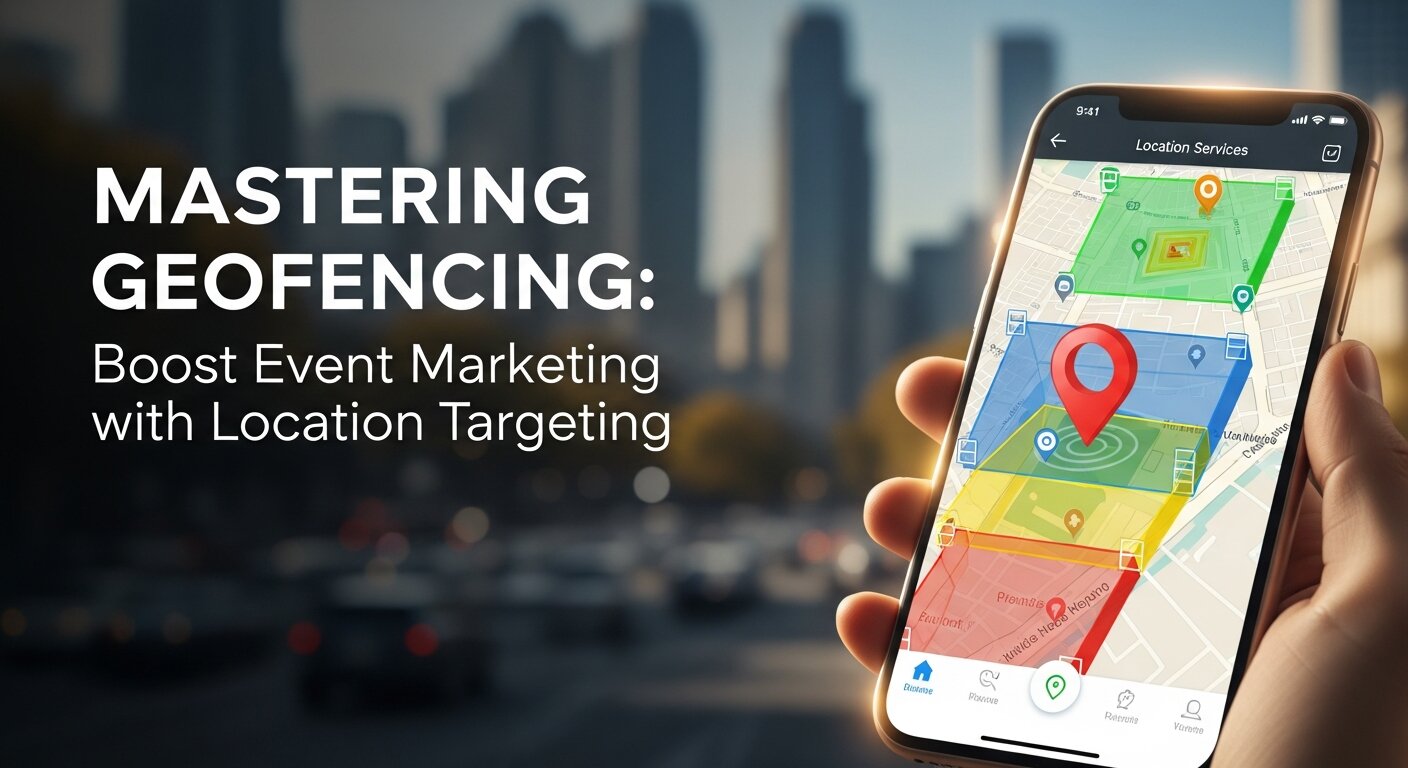
Geofencing for event marketing is a powerful tool that boosts engagement, attendance, and ROI. By targeting the right audience with personalized messages and integrating data-driven insights, events can achieve measurable success and long-term growth.
Geofencing for event marketing is transforming how brands reach and engage audiences. By setting virtual boundaries, marketers can target potential attendees based on their location, delivering personalized messages and offers. This strategy increases event awareness, drives registrations, and creates more meaningful interactions. Smart use of geofencing helps events capture the right audience at the right time, maximizing impact and ROI.
Benefits of Geofencing for Event Marketing
The benefits of geofencing for event marketing are multifold. First, it enhances attendee targeting, ensuring messages reach people near the event location. Second, it increases engagement by delivering timely and relevant content, such as reminders or special offers. Third, geofencing provides measurable results, helping marketers track foot traffic and conversions. Additionally, it reduces wasted ad spend by focusing only on high-potential audiences. By leveraging location-based data, event organizers can create personalized experiences that resonate with attendees. Overall, geofencing for event marketing boosts attendance, improves satisfaction, and delivers actionable insights, making it a vital tool in modern event promotion strategies.
How to Set Up a Geofencing Campaign
Setting up geofencing for event marketing starts with defining the target area, usually around the venue or nearby high-traffic locations. Next, choose a geofencing platform that integrates with your marketing tools, such as email, SMS, or push notifications. Segment your audience based on demographics and location behavior to deliver personalized messages. Then, create compelling content, like registration reminders or special offers, that encourages engagement. You can also combine geofencing with Facebook Ads for Event campaigns to increase visibility. Monitor campaign performance by tracking impressions, clicks, and foot traffic. Proper setup ensures geofencing for event marketing increases attendance and engagement while providing valuable data for future campaigns.
Understanding Geofencing for Event Marketing
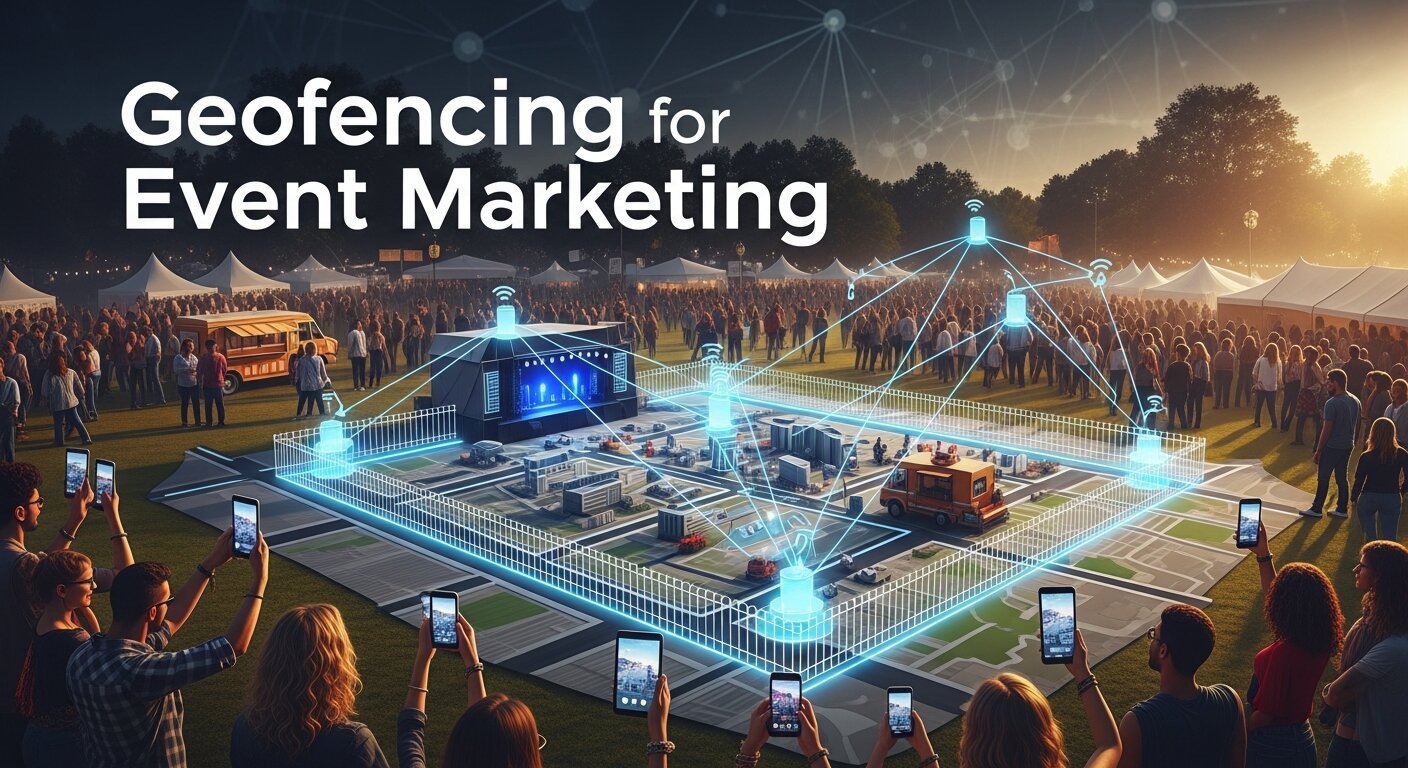
Geofencing for event marketing uses GPS or RFID technology to create a virtual perimeter around a location. When potential attendees enter this zone, they can receive targeted notifications, advertisements, or promotions directly on their devices. This allows event organizers to engage people who are most likely to attend, improving marketing efficiency. Beyond simple notifications, geofencing provides valuable insights into attendee behavior, such as how many users visited the event vicinity or interacted with marketing materials. Using this data, marketers can refine future campaigns, making geofencing for event marketing a highly precise and measurable strategy for driving engagement and increasing attendance.
Targeting the Right Audience with Geofencing
Effective geofencing for event marketing relies on accurate audience targeting. Identify who your ideal attendees are, whether by demographics, past event attendance, or interests. Place virtual boundaries in areas frequented by these potential participants, such as nearby workplaces, shopping districts, or public spaces. Deliver tailored messages, including early-bird offers or event updates, to entice engagement. Combining geofencing with behavioral analytics ensures your campaign reaches people most likely to act. You can enhance results further with Influencer Marketing for Events, leveraging trusted voices to drive attendees. This precision reduces wasted marketing efforts and increases registration rates, giving geofencing for event marketing a strategic advantage.
Crafting Engaging Messages for Geofencing Campaigns
Messages in geofencing for event marketing must be timely, relevant, and concise. Notifications can include registration reminders, exclusive offers, or key event highlights. Personalization is essential, leveraging user data to make messages feel tailored. The call-to-action should be clear, encouraging recipients to register, RSVP, or visit the venue. Timing is also critical; send messages when potential attendees are near the geofenced area or during peak engagement times. Use this approach as part of Crafting a Winning Marketing Strategy to complement other channels. By delivering valuable and targeted content, geofencing for event marketing boosts attendance and creates a positive perception of your brand.
Tracking and Measuring Geofencing Results
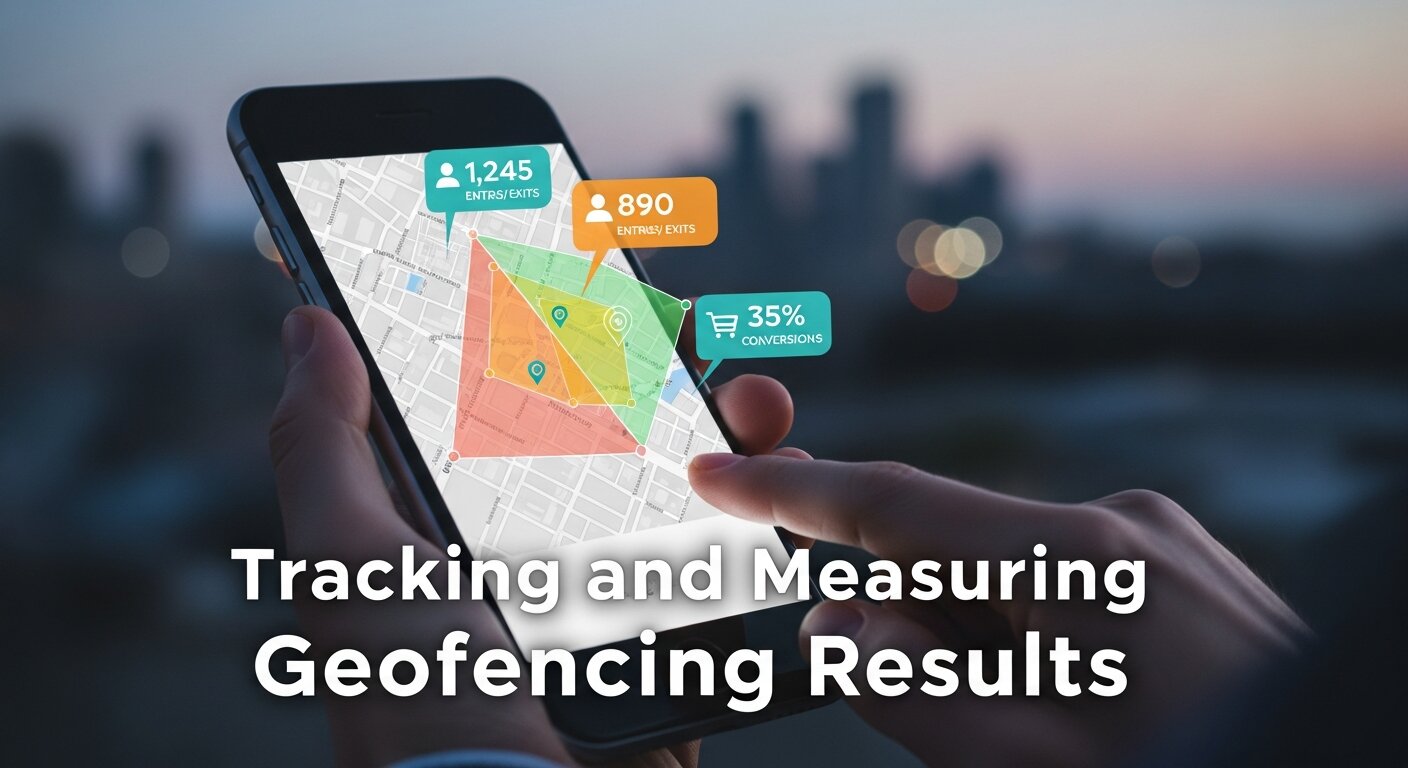
Tracking performance is a key part of geofencing for event marketing. Metrics include the number of users entering the geofenced zone, message open rates, click-throughs, and actual attendance. Advanced platforms also provide heat maps showing popular locations and movement patterns. Data analysis allows marketers to refine campaign strategies, such as adjusting message timing or targeting new zones. Tracking ROI is straightforward since you can measure registrations or ticket sales directly linked to the geofencing campaign. Consistent monitoring ensures each campaign improves over time. Geofencing for event marketing becomes even more effective when combined with tools like Facebook Ads for events and influencer promotions.
Enhancing Engagement with Incentives
Incentives can significantly enhance the effectiveness of geofencing for event marketing. Providing rewards motivates potential attendees to register, engage, or participate in event activities. Personalized incentives, such as exclusive discounts, VIP access, or location-based rewards, create a sense of exclusivity and encourage more meaningful interactions. When thoughtfully implemented, these strategies increase attendance, boost engagement, and make the event experience memorable. Integrating incentives with geofencing for event marketing ensures campaigns are both appealing and results-driven.
Key Strategies:
- Early-bird discounts or VIP passes.
- Special offers are triggered upon entering the geofence.
- Gamified experiences like scavenger hunts.
- Integration with loyalty or referral programs.
| Incentive Type | Example | Expected Outcome |
|---|---|---|
| Early-Bird Offers | 10% off registration | Boosts early sign-ups |
| Location-Based Rewards | Free merchandise upon arrival | Increases foot traffic |
| Gamification | Mobile app scavenger hunt | Engages attendees and builds excitement |
| Referral Integration | Invite friends, get discounts | Expands audience through sharing |
Common Mistakes to Avoid in Geofencing Campaigns
To maximize results, avoid common pitfalls in geofencing for event marketing. Overly large or irrelevant geofences may target uninterested users, reducing ROI. Sending too many notifications can annoy recipients, leading to opt-outs. Ignoring analytics prevents campaign optimization, while generic, untimely messaging lowers engagement. Failure to integrate geofencing with broader marketing strategies, such as social campaigns or Influencer Marketing for Events, also limits effectiveness. To succeed, focus on precise targeting, personalized content, and careful timing. Regularly review performance metrics and adjust campaigns accordingly. Learning from these mistakes ensures geofencing for event marketing boosts attendance and engagement efficiently.
Leveraging Data Analytics for Geofencing Campaigns
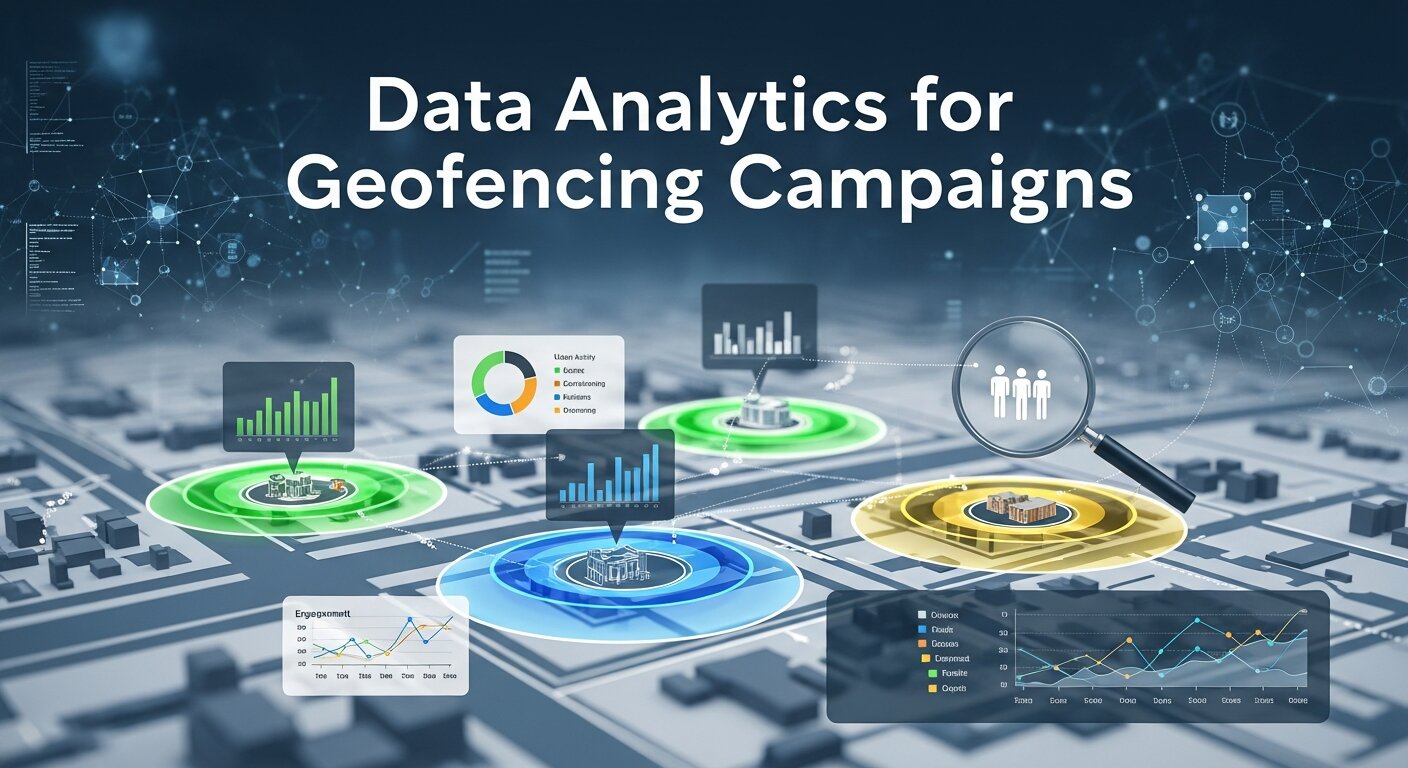
Data analytics plays a vital role in geofencing for event marketing by helping organizers make informed decisions. By tracking user behavior within geofenced zones, marketers can understand which locations drive the most engagement and attendance. Analytics also reveal which messages resonate best, helping refine content for higher conversions. Key metrics include entry frequency, click-through rates, and registration numbers. Insights gained can guide adjustments to radius, timing, or messaging, optimizing future campaigns. When combined with other marketing tools, like Facebook Ads for Events or Influencer Marketing for Events, data analytics ensures geofencing for event marketing is precise, measurable, and highly effective.
Integrating Geofencing with Other Marketing Channels
Geofencing for event marketing works best when integrated with multiple marketing channels. Pair location-based notifications with social media campaigns, email marketing, or SMS alerts to reinforce your message. For example, users who receive a geofence alert might also see social media posts highlighting event benefits or testimonials. Integrating analytics from different channels provides a comprehensive view of audience engagement. Combining geofencing with strategies like Facebook Ads for events or influencer collaborations ensures a broader reach. Cross-channel synergy enhances brand recall, improves conversion rates, and drives attendance. By integrating geofencing for event marketing with other campaigns, organizers create a seamless experience that amplifies results.
Optimizing Geofence Radius and Location
Optimizing geofence placement is essential for geofencing for event marketing. Selecting the right radius ensures messages reach potential attendees without being too broad or narrow. Key factors, such as venue size, nearby attractions, foot traffic, and audience density, directly affect campaign performance. Testing multiple geofence locations helps identify high-performing zones and improves engagement. Proper optimization ensures that your geofencing for event marketing campaigns delivers precise targeting, increases registrations, and maximizes attendance while providing actionable insights for future events.
Key Tips:
- Start with 100–500 meters around the venue.
- Include nearby transport hubs or popular areas.
- Adjust radius based on engagement metrics.
- Combine with analytics for precise targeting.
| Factor | Recommendation | Benefit |
|---|---|---|
| Radius | 100–500 meters around the venue | Avoids irrelevant targeting |
| High-Traffic Locations | Nearby malls, transport hubs | Increases visibility |
| Analytics | Track engagement & adjust accordingly | Improves campaign performance |
Enhancing Event Engagement with Mobile Apps
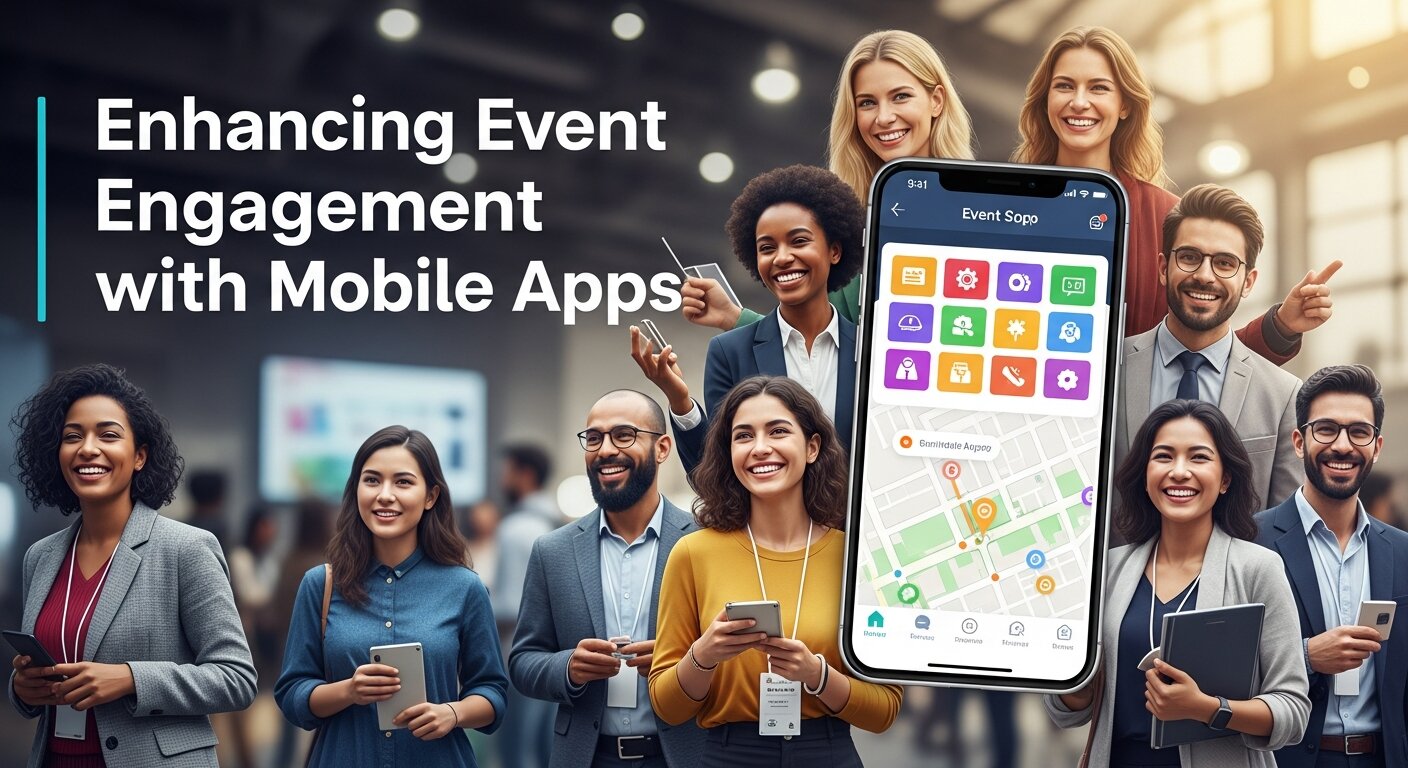
Integrating mobile apps with geofencing for event marketing can significantly boost engagement. Apps allow attendees to receive push notifications, view event schedules, access exclusive content, and participate in interactive features while in the geofenced area. Gamification elements, like scavenger hunts or quizzes, encourage real-time participation and increase dwell time. Mobile apps also provide valuable analytics on user behavior, helping marketers refine campaigns. When combined with strategies like Crafting a Winning Video Content Strategy or Influencer Marketing for Events, apps amplify outreach and engagement. Leveraging mobile technology ensures that geofencing for event marketing delivers a seamless, interactive, and memorable attendee experience.
Future of Geofencing in Event Marketing
The future of geofencing for event marketing is promising, with emerging technologies enhancing its precision and effectiveness. AI-driven personalization can anticipate attendee behavior, allowing for smarter targeting. Integration with augmented reality or mobile apps can create immersive experiences, increasing engagement. As privacy regulations evolve, marketers will focus on consent-based strategies that respect user preferences while still delivering valuable messages. With increasing smartphone penetration, geofencing will become even more accessible for event organizers of all sizes. Adopting innovative strategies ensures geofencing for event marketing remains a key tool for driving attendance, engagement, and memorable experiences in the evolving event landscape.
Conclusion
Geofencing for event marketing is transforming how organizers connect with their audience. By delivering timely, personalized messages to people in specific locations, it increases engagement, drives attendance, and improves overall event ROI. Successful campaigns rely on precise targeting, compelling content, and careful tracking of results. When integrated with other marketing channels, geofencing amplifies impact and creates memorable experiences. Embracing this strategy allows event marketers to reach the right audience at the right time, making geofencing for event marketing an essential tool for modern events.
Frequently Asked Questions
1: What is Geofencing for Event Marketing?
Geofencing for event marketing uses virtual boundaries to target potential attendees based on location. When users enter these zones, they receive notifications or offers, improving engagement, boosting attendance, and providing valuable data to optimize future events effectively.
2: How Does Geofencing Increase Event Attendance?
By delivering timely and personalized messages to people near the event location, geofencing for event marketing encourages registration and participation. Targeted alerts reach high-potential attendees, enhancing engagement and ensuring more visitors attend your event.
3: Which Tools Are Best for Geofencing Campaigns?
Effective geofencing for event marketing requires platforms compatible with email, SMS, push notifications, or CRM integration. Popular tools offer analytics, audience segmentation, and messaging features to maximize attendance and optimize campaign performance efficiently.
4: Can Geofencing Work With Social Media Marketing?
Yes. Combining geofencing for event marketing with social channels, like Facebook Ads for Events, amplifies reach. Users near your event receive targeted notifications while also seeing social promotions, creating a seamless, cross-channel engagement strategy.
5: How Do You Measure Geofencing Success?
Key metrics include the number of users entering the geofenced area, notification engagement, clicks, registrations, and actual attendance. Tracking ROI ensures that geofencing for event marketing campaigns delivers measurable results and informs improvements for future events.
6: What Are Common Geofencing Mistakes?
Common pitfalls include targeting overly broad areas, sending too many messages, ignoring analytics, or failing to integrate with broader campaigns. Avoiding these ensures geofencing for event marketing remains effective and drives optimal engagement without wasting resources.
7: How Can Influencers Help Geofencing Campaigns?
Integrating Influencer Marketing for Events with geofencing for event marketing increases reach and credibility. Influencers encourage attendance by promoting events to relevant audiences, complementing location-based notifications for maximum engagement.
8: What Types of Messages Work Best?
Effective geofencing messages are concise, personalized, and timely. Use reminders, exclusive offers, or event highlights to engage potential attendees. Properly crafted messages make geofencing for event marketing more persuasive and increase registration rates.
9: Is Geofencing Cost-Effective?
Yes. Geofencing for event marketing targets only high-potential attendees, reducing wasted ad spend. By combining location-based alerts with other marketing tactics, organizers can maximize ROI while achieving higher attendance and engagement.
10: How Does Geofencing Fit Into a Marketing Strategy?
Geofencing for event marketing should be part of an integrated plan. Combine it with email campaigns, social media, and influencer marketing to create a cohesive approach. This ensures a wider reach, better engagement, and more successful event outcomes.