Why Marketing Events are Still Game-Changers

But that’s not all. Marketing events can achieve a range of goals, including:
- Generating leads through sign-ups or attendee lists.
- Building buzz via social sharing and word of mouth.
- Educating your audience on your products or services in an engaging way.
- Positioning your brand as an industry leader and authority.
The key to success? Planning and execution. Let’s break it down step by step.
Define Your Event’s Purpose
Before diving into logistics, it’s crucial to clearly define what you want to achieve with your event. Without a well-defined purpose, planning can quickly lose direction, making it harder to deliver meaningful results. Whether your goal is to generate leads, launch a product, increase brand awareness, or strengthen customer relationships, your objective should guide every decision you make.
When you aim to host a memorable marketing event, having a clear purpose helps shape the overall experience—from choosing the right venue and format to crafting compelling messaging and promotional campaigns. Your event goals influence the type of audience you attract, the content you deliver, and even how you measure success afterward.
A focused objective ensures your event isn’t just another gathering but a strategic experience designed to leave a lasting impression. By defining your purpose early, you create a strong foundation that aligns your team, sharpens your strategy, and increases the chances of hosting a marketing event that resonates with attendees and delivers real business impact.
Here are some common objectives for marketing events:
- Product Launch: Showcase your latest offering with style.
- Lead Generation: Attract new potential customers by offering value or entertainment.
- Brand Awareness: Get people talking about your company.
- Customer Loyalty: Strengthen relationships with existing customers.
Define your purpose before moving forward, and you’ll have a guiding star for your planning process.
Know Your Target Audience

Understanding who your event is for is one of the most critical steps in planning success. Who do you want attending, and what will genuinely capture their interest? Hosting an effective event starts with a deep understanding of your audience’s needs, preferences, and expectations. You can gain insights from guides like social media event marketing guide to understand where your audience interacts most.
To host a memorable marketing event, you need to go beyond basic demographics and consider what motivates your audience. Think about their challenges, goals, and the type of experiences they value most. Are they looking to learn something new, make valuable connections, or discover innovative solutions? The answers will shape everything from your event format and content to the tone, visuals, and level of interactivity.
When your event is designed around your audience, it feels personal and relevant rather than generic. This connection increases engagement, encourages participation, and makes attendees more likely to remember your brand long after the event ends. By truly knowing your target audience, you create an experience that resonates—an essential ingredient for anyone aiming to host a marketing event that stands out and delivers lasting impact.
Consider the following questions:
- What are their biggest challenges or interests?
- How can your event offer value to them?
- What type of event aligns with their preferences?
For example, if your audience consists of industry professionals, they’ll appreciate a well-organized seminar or keynote speaker. On the other hand, if your audience is younger and trend-focused, consider hosting a unique, Instagram-worthy experience.
Choose the Right Event Format
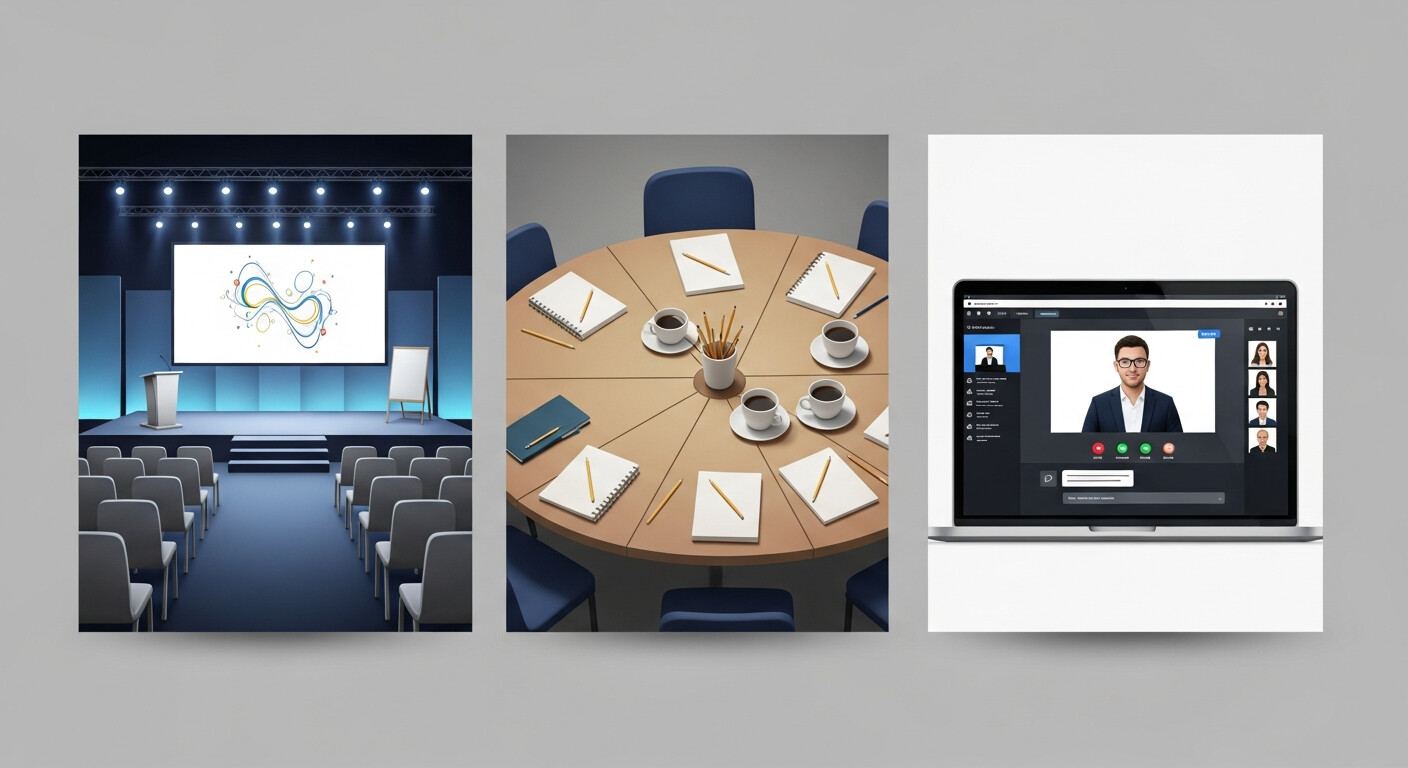
Marketing events come in all shapes and sizes. Depending on your goals and audience, you might host:
- Workshops or Seminars: Share skills or knowledge with hands-on training or expert-led talks.
- Networking Events: Facilitate valuable connections among attendees while showcasing your brand.
- Product Demos: Highlight the benefits of your offerings in an interactive setting.
- Pop-Up Experiences: Capture attention in a specific location with a creative, temporary setup.
Don’t forget about online options! Virtual events (such as webinars or livestreams) offer a budget-friendly way to reach a broader audience while still driving engagement.
Create a Stellar Experience
This is where the magic happens. Transform your event from “good” to “unforgettable” by delivering a seamless, engaging experience.
Invest in Atmosphere
- Choose a venue that suits the tone of your event. Whether it’s a chic rooftop or a professional conference space, the location sets the stage.
- Use lighting, music, and décor to create an ambiance that complements your brand.
Deliver Value
Today’s consumers want more than just a sales pitch; they crave meaningful experiences. Give them something to remember by including:
- Expert speakers or panelists.
- Live demonstrations of your product.
- Engaging activities like interactive booths or workshops.
Prioritize Relationships
Marketing events aren’t just opportunities to showcase your products or services—they are powerful moments to build meaningful connections with your audience. To truly host a memorable marketing event, it’s essential to prioritize relationship-building at every touchpoint. For inspiration, see how to succeed with live event marketing.
Beyond face-to-face interactions, consider creating spaces or activities that foster networking, such as roundtable discussions, interactive workshops, or casual lounge areas. These moments help attendees feel valued and heard, turning casual visitors into loyal advocates for your brand. By making relationships a central focus, you not only enhance the attendee experience but also lay the foundation for long-term partnerships, repeat attendance, and stronger brand loyalty.
Promote Your Event Effectively
Even the most meticulously planned marketing event can fall short if no one attends. That’s why promotion is just as crucial as planning itself. To host a memorable marketing event, you need a comprehensive promotion strategy that reaches your target audience through multiple channels, generates genuine excitement, and emphasizes the unique value your event provides. Effective promotion not only drives attendance but also sets expectations for a meaningful and engaging experience, ensuring that your event leaves a lasting impression.
Leverage Social Media
Social media platforms are indispensable for building buzz and creating anticipation. Start promoting early by sharing teasers, behind-the-scenes glimpses of your preparations, and countdowns leading up to the event. Use engaging visuals, interactive polls, short videos, and carousel posts to capture attention and spark curiosity. Encourage attendees to share your posts, tag friends, and participate in discussions, which amplifies your event’s reach organically. Tailor your messaging for each platform—LinkedIn for professional networking, Instagram for visually-driven experiences, and Facebook for broad community engagement. By integrating social media into your promotion plan, you can ensure that your event resonates with your target audience and attracts the right attendees.
Email Marketing
Despite the rise of social media, email marketing remains one of the most effective ways to connect directly with potential attendees. Send personalized invitations to your subscriber list, clearly outlining essential details such as the event date, time, location, agenda, and registration link. As the event approaches, schedule follow-up emails with reminders, sneak peeks, or highlights of speakers and activities to maintain excitement. Well-crafted email sequences not only inform your audience but also build anticipation, encouraging recipients to commit to attending. Incorporating engaging subject lines, concise messaging, and strong calls-to-action ensures your emails convert into confirmed participants, helping you host a memorable marketing event with strong attendance.
Collaborate with Influencers
Influencer marketing can significantly expand your event’s visibility, particularly when partnering with trusted voices in your industry. Identify influencers, thought leaders, or partner organizations whose audience aligns with your target demographic. Encourage them to share your event, create co-branded content, or even participate as speakers or hosts. Their endorsement adds credibility, expands your reach beyond your immediate network, and creates a sense of community around the event. Collaborating with multiple influencers or partners also generates pre-event conversations, making attendees feel part of something bigger. When done strategically, influencer partnerships can transform promotion into a powerful tool for engagement and help you truly host a memorable marketing event that people are excited to attend.
Post-Event Engagement and Community Building
The impact of your marketing event extends far beyond the closing remarks. To truly host a memorable marketing event, it’s essential to continue engaging with your audience long after the doors close. Start by sharing highlights, photos, and recorded sessions through social media, email newsletters, or your website. These post-event materials allow attendees to relive key moments and give those who couldn’t attend a chance to experience your event virtually.
Follow up with surveys or feedback forms to gather insights on what worked well and what could be improved. This information is invaluable for refining future events and understanding your audience’s preferences. Additionally, maintain ongoing communication with attendees by creating dedicated online communities, social media groups, or discussion forums. By nurturing these connections, you transform one-time participants into loyal advocates, extending your brand’s influence and ensuring that your efforts to host a memorable marketing event leave a lasting impression.
Measure Success and Follow Up
After the curtain falls, reflect on the event’s success. Measuring your event’s ROI is crucial to understanding its impact.
Key metrics to track include:
- Attendance numbers
- Leads generated
- Social media engagement
- Feedback from post-event surveys
Once you’ve analyzed these metrics, use your findings to improve future events. And don’t forget to follow up with attendees! A simple thank-you email or exclusive offer can turn one-time guests into loyal customers.
Create an Event They’ll Never Forget
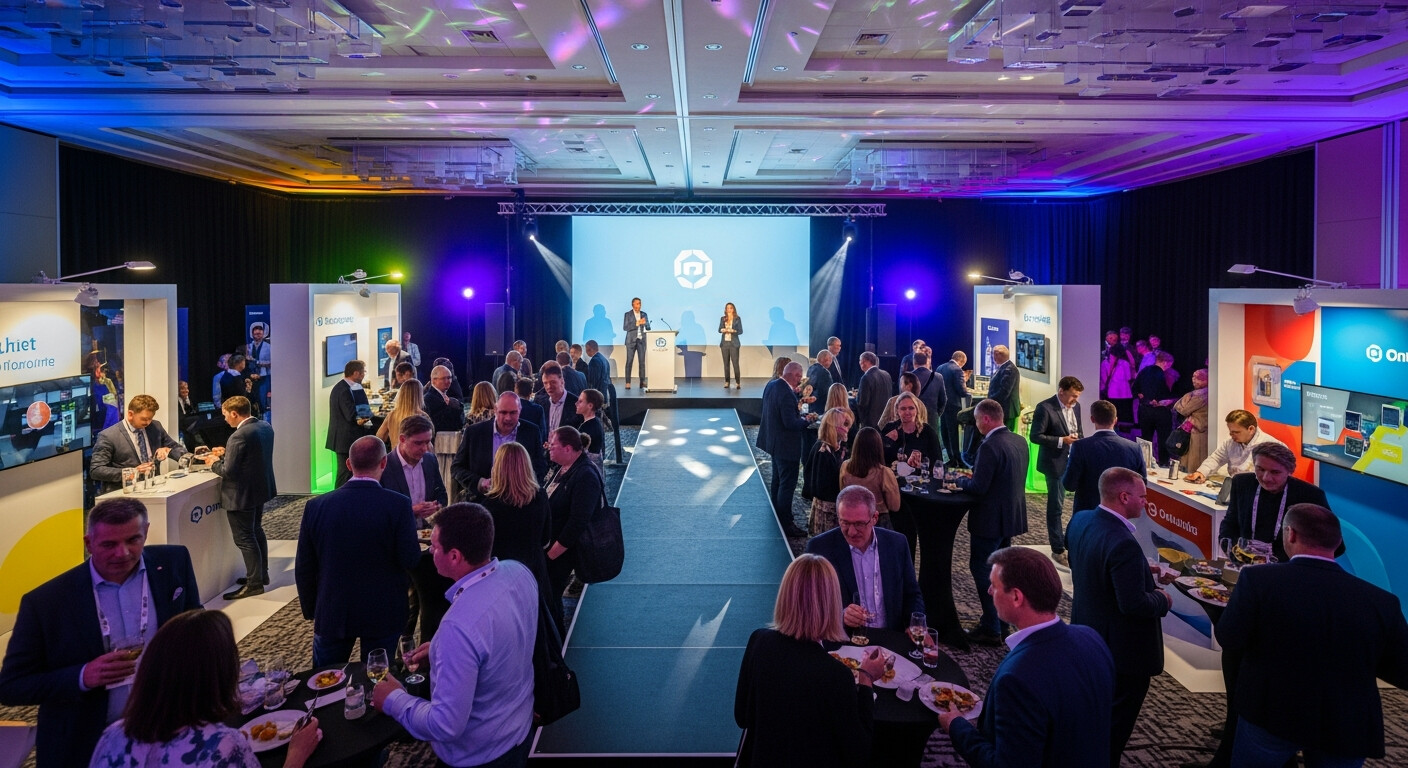
A marketing event is more than just a gathering; it’s an opportunity to bring your brand to life. By carefully planning each step—from understanding your audience to measuring results—you can create an experience that leaves a lasting, meaningful impact. Learn more about event marketing strategy: your complete guide to success to elevate your events further.
Ready to elevate your event marketing game? Start planning today, and don’t be afraid to bring in professional help if needed. With the right strategy, you’ll be one step closer to achieving your marketing goals.
Hosting a memorable marketing event can generate buzz, build brand awareness, and create valuable connections—benefits that align perfectly with launching a product online, where strategic planning, the right tools, and audience engagement are key to a successful debut.
Frequently Asked Questions (FAQ)
What makes a marketing event truly memorable?
A memorable marketing event combines clear purpose, strong branding, engaging experiences, and meaningful interactions. When attendees feel emotionally connected and gain real value, the event leaves a lasting impression.
How far in advance should I plan a marketing event?
Ideally, planning should begin three to six months in advance, depending on the event’s size and complexity. Larger or multi-day events may require even more lead time.
Are small marketing events still effective?
Yes, absolutely. Smaller events often allow for deeper conversations and stronger connections. With the right strategy, even intimate gatherings can help you host a memorable marketing event that drives high-quality leads.
How do I measure the success of my marketing event?
Success can be measured through attendance, lead quality, engagement levels, post-event feedback, and conversions. Align your metrics with your original event goals for accurate evaluation.
Can marketing events support digital campaigns?
Definitely. Events complement digital marketing by creating content, driving social engagement, and strengthening relationships that digital channels can nurture over time.