What Is a Market Event?
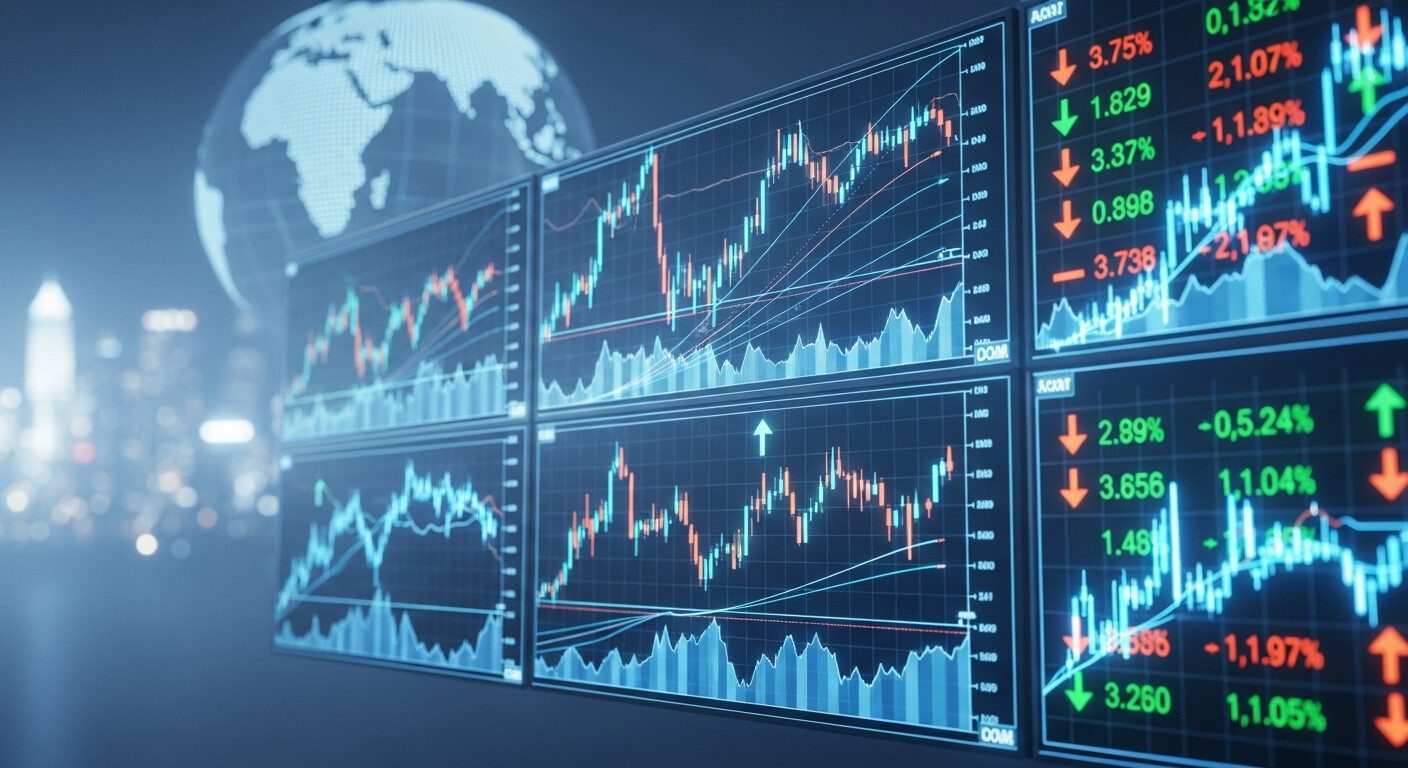
A market event is any occurrence that disrupts, influences, or shifts the dynamics of a financial or business market. These events can be planned, such as scheduled earnings reports, product launches, or government economic announcements, or they can be unplanned, like natural disasters, geopolitical conflicts, or sudden regulatory changes. Market events can affect individual companies, entire industries, or even global markets, and their impact can range from short-term price fluctuations to long-lasting structural changes. Understanding what constitutes a market event—and how it affects supply, demand, investor sentiment, and consumer behavior—is essential for businesses, investors, and professionals who want to make informed decisions, mitigate risks, and capitalize on emerging opportunities.
Types of Market Events
Market events come in various forms, but the most common include:
- Economic Reports
Examples include monthly job reports, GDP growth rates, or inflation updates. These reports reflect the health of an economy and heavily influence investment decisions.
- Corporate Earnings Releases
A company’s quarterly earnings report can trigger significant changes in its stock price. Positive or negative results often lead to market movements, creating opportunities for investors.
- Global Events
Events like pandemics, natural disasters, or geopolitical conflicts can shift global demand and supply chains, causing significant market disruptions.
- Policy Changes
Regulatory decisions, interest rate hikes from central banks, or new government policies can have widespread effects across industries. For example, a sudden increase in tariffs can disrupt international trade markets.
- Technological Advances
Breakthroughs in technology like AI, renewable energy, or Web3 can spark shifts in how markets operate and create entirely new ones.
Why Market Events Matter
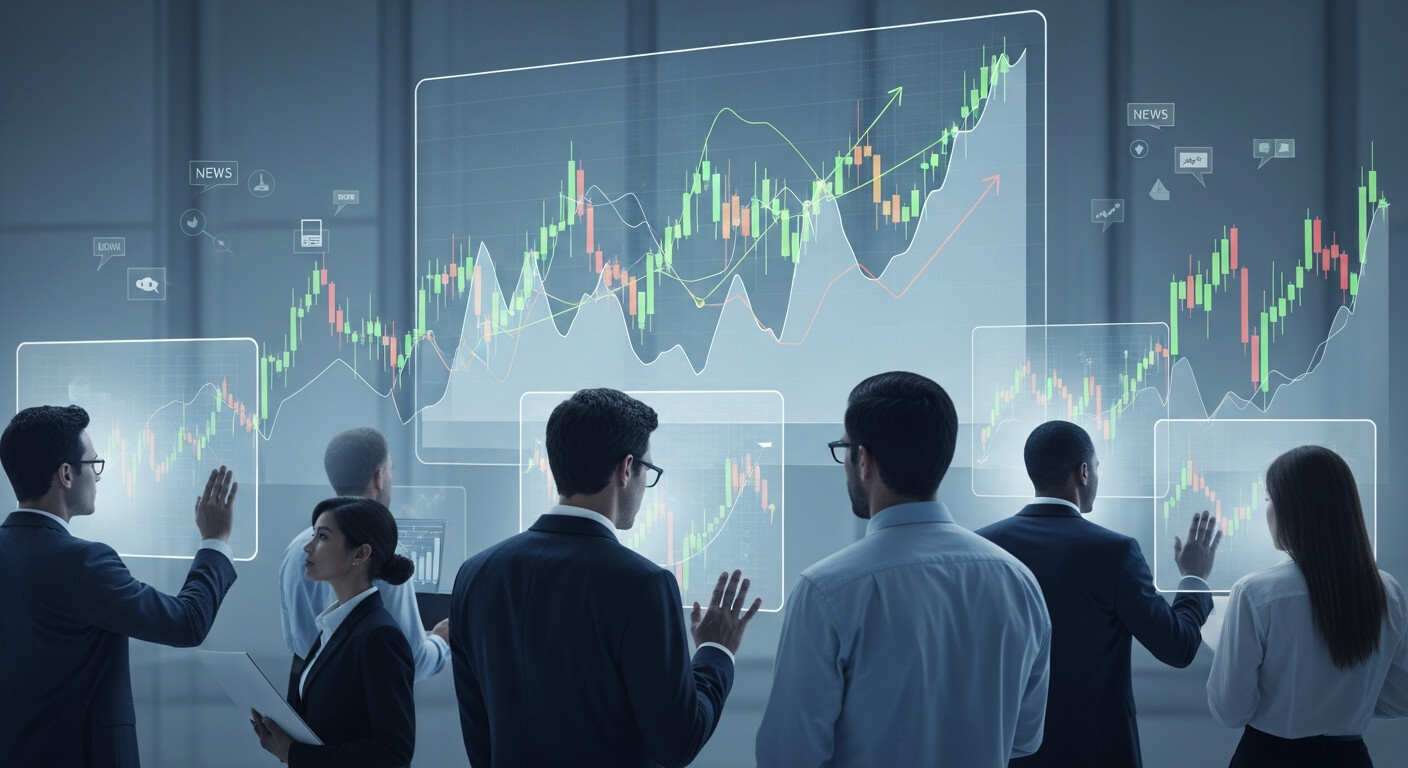
Understanding the significance of market events is crucial for making informed decisions in business and investing. Market events—whether planned, like earnings reports, or unexpected, like geopolitical developments—can have a direct impact on prices, consumer behavior, and overall market trends. Being aware of these events allows individuals and organizations to respond strategically rather than react impulsively. Here’s why they matter:
Identify Opportunities
Market events often create unique opportunities, such as temporary dips in stock prices. Businesses can capitalize by launching timely campaigns or introducing relevant products. Learn about event marketing that actually works to see examples of leveraging events effectively. Savvy investors can use these dips as entry points to buy quality assets at discounted prices. Similarly, businesses can capitalize on emerging trends or sudden market shifts by launching timely campaigns, introducing relevant products, or entering new markets before competitors. By interpreting market signals effectively, stakeholders can turn volatility into potential growth opportunities.
Manage Risks
Anticipating and preparing for adverse market events is a key component of risk management. For investors, this could mean diversifying portfolios across sectors, geographies, or asset classes to reduce exposure to market shocks. For businesses, it might involve creating contingency plans, maintaining flexible supply chains, or hedging against economic fluctuations. By proactively identifying potential risks, organizations can minimize financial losses, maintain operational stability, and make more confident decisions during uncertain times.
Stay Competitive
Organizations that respond quickly and strategically to market events gain a significant competitive advantage. For example, businesses that shifted to e-commerce or adapted their supply chains during the COVID-19 pandemic outperformed competitors who relied solely on traditional models. Similarly, companies that monitor market trends can anticipate consumer needs, adjust pricing strategies, or launch innovative products ahead of rivals. By staying agile and informed, businesses not only survive market fluctuations but can also use them as an opportunity to strengthen their position in the industry.
Quick and strategic responses give companies an edge. Businesses that monitor trends can anticipate needs, adjust pricing, or launch innovative products ahead of rivals. Explore how to master social media event marketing to boost engagement and competitive positioning.
How to Leverage Market Events Effectively
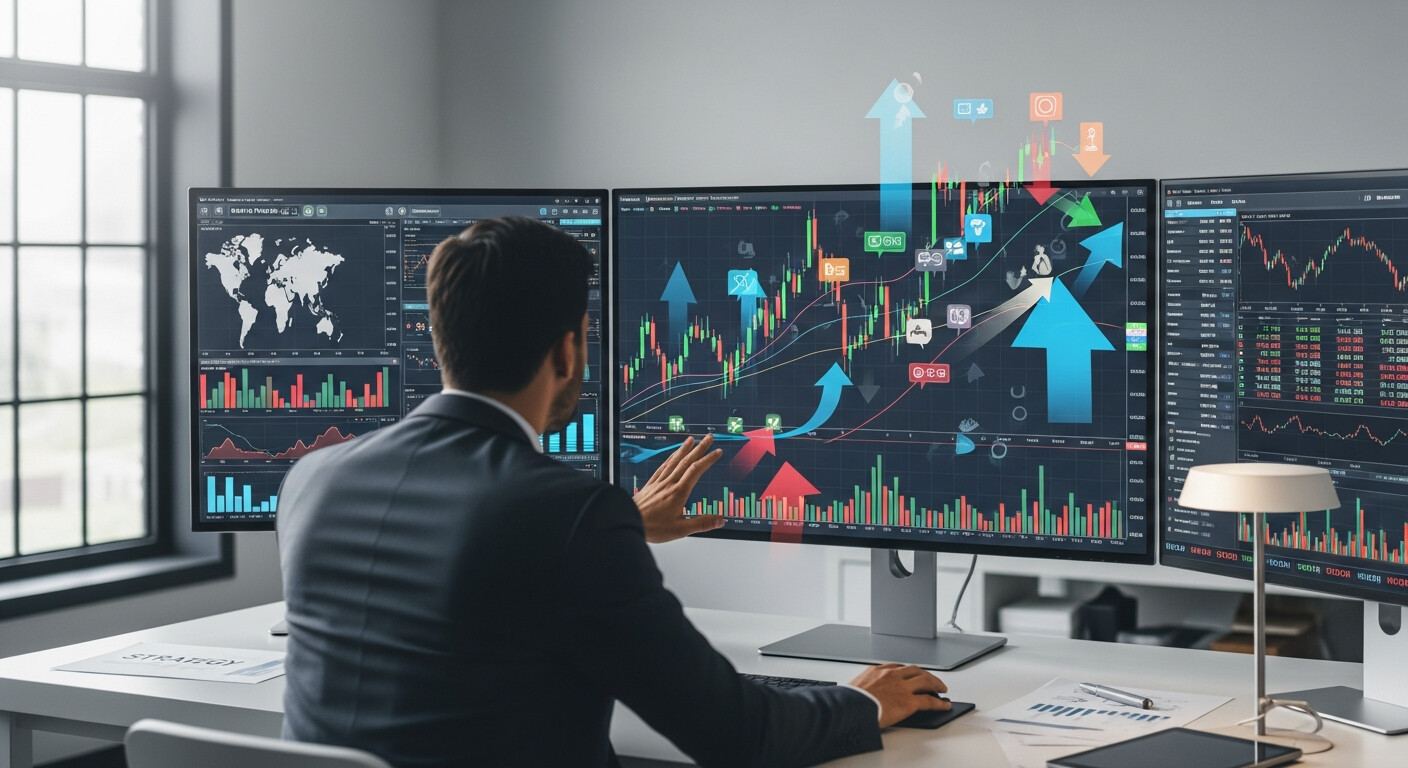
Responding to market events isn’t just about minimizing risks—it’s about turning these events into actionable opportunities for growth. Leveraging market events effectively requires a proactive mindset, careful analysis, and strategic planning. Instead of waiting for outcomes to affect your business or investments, you can monitor trends, anticipate shifts, and develop strategies that position you ahead of the competition. This involves tracking relevant news, understanding how specific events impact your industry or portfolio, and preparing targeted actions in advance. By combining timely insights with informed decision-making, businesses and investors can not only protect themselves from potential losses but also capitalize on emerging opportunities, optimize performance, and maintain a competitive edge in an ever-changing market landscape. Here’s how you can do it:
Stay Well-informed
- Follow Reliable Sources
Keep up-to-date with market news through credible outlets like Bloomberg, Reuters, and The Wall Street Journal.
- Use Data Tools
Platforms like Statista or market trend software help monitor real-time data. For investors, apps like Morningstar or CNBC Investing Club provide invaluable insights.
Analyze Before Acting
Rash decisions during market events can lead to mistakes. Use data-driven tools to assess the potential long-term impacts of an event.
- Perform a SWOT Analysis
For businesses, identifying your strengths, weaknesses, opportunities, and threats ahead of market events can help determine ideal responses.
- Understand Historical Trends
Similar past events leave valuable lessons. Compare what happened in the past to predict consequences. For example, look back at how the market rebounded post-2008 financial crash to prepare for economic downturns in modern times.
Diversify Your Investments
For investors, diversification is one of the most effective strategies to manage risk and navigate market volatility caused by unexpected events. By spreading investments across different sectors, geographic regions, and asset types—such as stocks, bonds, ETFs, or mutual funds—investors reduce their exposure to the negative impact of any single market fluctuation. For example, if a tech sector downturn occurs due to regulatory changes, holdings in other sectors or regions may offset potential losses. Diversification not only mitigates risks but also positions investors to capitalize on opportunities in multiple areas, ensuring a more balanced and resilient portfolio during turbulent market periods.
Leverage Technology
Technology plays a critical role in preparing for and responding to market events. AI-driven analytics and machine learning platforms can process vast amounts of data to forecast potential outcomes, identify trends, and detect patterns that human analysts might miss. For example, predictive models can signal how a global economic announcement might influence stock prices, commodity markets, or consumer behavior. By leveraging these tools, businesses and investors can make proactive, data-driven decisions, optimize timing for trades or campaigns, and reduce the uncertainty associated with volatile market conditions.
Network and Collaborate
Market events often create unique opportunities for businesses to collaborate and expand their reach. Strategic partnerships during pivotal events can expand reach, share resources, and reduce costs. Learn more about your business needs events and marketing for building effective collaborations. For instance, two businesses facing similar challenges may collaborate on joint marketing campaigns, co-develop products, or negotiate bulk purchasing to reduce costs. Networking and collaboration not only enhance resilience during uncertain periods but also strengthen market positioning, foster innovation, and create long-term growth opportunities that may not have been possible independently.
Case Studies of Market Events

To better understand the profound influence of market events, here are two detailed examples:
COVID-19 Pandemic
One of the most significant market events of the 21st century was the COVID-19 pandemic. It highlighted vulnerabilities in global supply chains but also accelerated digital transformation. Retailers like Amazon thrived due to increased e-commerce demand, while companies pivoting to provide virtual solutions grew in relation, such as Zoom.
U.S. Federal Reserve’s Interest Rate Hikes
When the Fed increased interest rates in response to inflation, it triggered ripple effects across global markets. Lending became more costly, consumer spending decreased, and sectors sensitive to borrowing rates (like real estate) saw slower growth. However, this event also became an opportunity for savvy investors to adjust their portfolios, focusing on lower-risk assets.
Preparing for the Next Market Event
The wait-and-see approach no longer works in today’s dynamic market landscape. Instead, positioning yourself ahead of the next big market event is the key to minimizing risks and amplifying gains.
Actionable Steps to Take Now
- Establish an Emergency Fund
Whether you’re a business or investor, create a buffer for emergencies or unexpected downturns.
- Educate Yourself
Explore resources like books, webinars, or courses on economics and market dynamics to deepen your understanding.
- Adopt a Long-term Perspective
Focus on strategies that align with your end goals rather than short-sighted actions fueled by panic. The long game is always the winner.
Globalization and Interconnected Markets
In today’s highly interconnected global economy, market events rarely remain confined to a single country or region. Financial markets, supply chains, and consumer behavior are tightly linked across borders, meaning a disruption in one part of the world can quickly create ripple effects elsewhere. For example, a manufacturing slowdown in Asia can lead to higher production costs for businesses in North America and Europe, while political or economic developments in major economies can influence global stock markets, currencies, and commodity prices within hours.
Globalization amplifies the speed and scale at which market events unfold. Advances in technology, international trade agreements, and real-time information sharing mean that investors and businesses react almost instantly to news, often intensifying market volatility. Currency fluctuations, trade restrictions, or shifts in global demand can directly impact pricing strategies, profit margins, and investment performance across industries.
For businesses and investors, understanding this interconnectedness is essential when planning strategies. Monitoring international economic indicators, geopolitical developments, and cross-border trade trends helps anticipate potential risks and opportunities. Diversifying suppliers, expanding into multiple markets, and spreading investments across regions can reduce overreliance on any single economy. By factoring global dynamics into decision-making, organizations can better navigate uncertainty and position themselves to respond effectively to market events that transcend borders.
Post-Event Analysis and Lessons Learned
Every market event—whether positive or disruptive—offers valuable insights that can improve future decision-making. Post-event analysis allows businesses and investors to evaluate what worked, what didn’t, and why certain outcomes occurred. For businesses, this may involve reviewing operational performance, revenue changes, customer behavior, and supply chain resilience during the event. Investors, on the other hand, can assess portfolio performance, risk exposure, and timing of decisions against initial expectations.
Documenting these findings is a critical step in turning experience into strategy. By identifying gaps in planning, weaknesses in execution, or missed opportunities, organizations can refine their approaches and strengthen preparedness for future market events. This process may lead to improved risk management practices, more diversified portfolios, or better contingency planning.
Over time, consistent post-event analysis transforms market volatility into a learning advantage. Businesses become more agile, investors gain greater discipline, and strategies evolve based on real-world evidence rather than assumptions. By treating every market event as a learning opportunity, organizations can build resilience, improve performance, and maintain a competitive edge in an ever-changing market landscape.
Transform Market Uncertainty into Opportunity
Market events, while unpredictable at times, are opportunities in disguise. By staying informed, preparing in advance, and using data strategically, you’ll not only survive market disruptions but thrive amid them.
Whether you’re an investor seeking financial gains or a professional aiming to boost your competitive advantage, understanding market events positions you as a forward-thinker.
Keep monitoring, analyzing, and taking decisive action, because in the world of markets, being informed and prepared is power.
To get the most value from a market event, it’s important to understand your unique value proposition. Learn how product positioning plays a vital role in aligning your strategy with audience expectations.
Frequently Asked Questions (FAQ)
What is considered a market event?
A market event is any occurrence that significantly impacts financial markets or business operations. This can include economic reports, corporate earnings, geopolitical developments, natural disasters, regulatory changes, or technological breakthroughs.
How do market events affect businesses?
Market events influence consumer behavior, demand, supply chains, pricing strategies, and investor confidence. Businesses that anticipate these events can adjust marketing, production, and operational strategies to maintain performance and competitiveness.
Can investors profit from market events?
Yes. Market events often create short-term opportunities, such as stock price fluctuations or sector-specific growth. Investors who analyze data, understand trends, and remain disciplined can capitalize on these opportunities while managing risk.
What tools help monitor market events?
Tools like Bloomberg Terminal, Reuters, Statista, AI-driven analytics platforms, and trading apps like Morningstar or CNBC Investing Club help monitor market events, track trends, and predict outcomes.
How can businesses use data to respond to market events?
Data analytics allows businesses to anticipate consumer reactions, adjust campaigns, optimize inventory, and forecast demand. Predictive modeling and historical trend analysis help convert market volatility into strategic opportunities.
Are all market events predictable?
Not all events are predictable, but patterns from historical data, market sentiment analysis, and economic indicators can provide valuable foresight. Combining research with flexible strategies improves preparedness.
How should small businesses prepare for market events?
Small businesses should diversify suppliers, maintain emergency funds, monitor industry news, adopt flexible marketing strategies, and leverage affordable analytics tools to make informed decisions quickly.
Do market events only affect finance and investments?
No. Market events can impact consumer behavior, technology adoption, supply chains, and business operations across multiple industries. Their influence extends beyond financial markets into the broader economy.