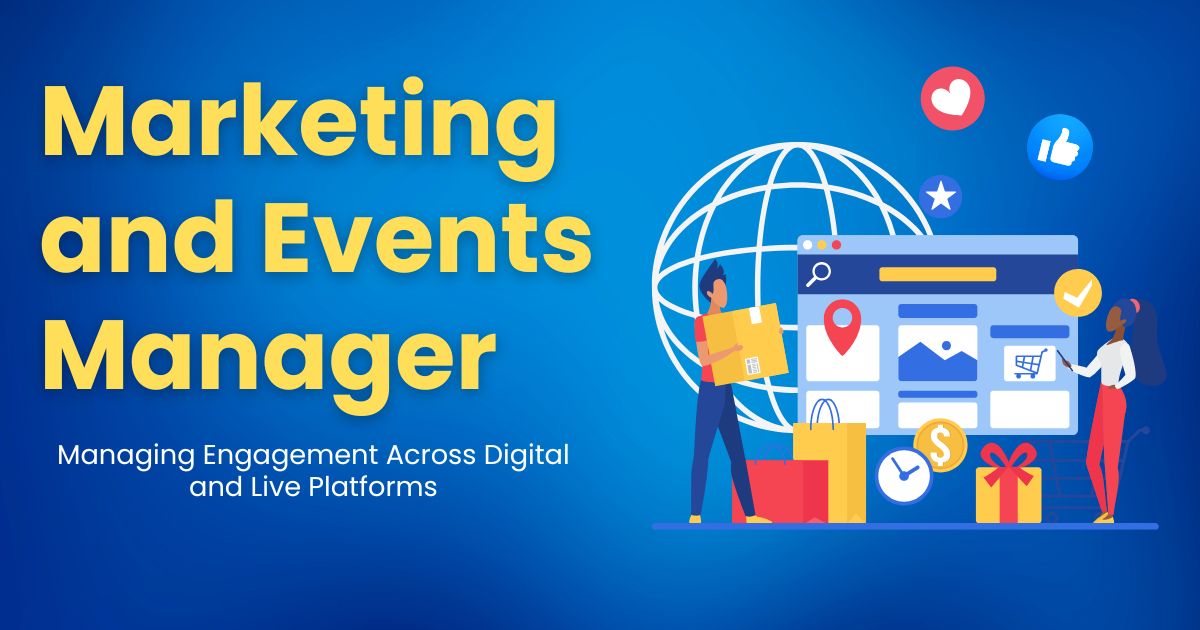
Marketing and events managers create impactful brand experiences by combining strategy, event planning, and relationship-building. They drive engagement, loyalty, and growth across industries while balancing creativity, analytics, and budgets.
What Does a Marketing and Events Manager Do?
A marketing and events manager wears multiple hats throughout their workday. Their primary responsibility involves developing and executing integrated marketing strategies that incorporate both digital campaigns and live experiences. This means they might spend their morning analyzing social media metrics and their afternoon coordinating vendor contracts for an upcoming trade show.
Strategic planning forms the foundation of their work. Marketing and events managers must align event objectives with broader business goals, ensuring every conference booth, webinar, and networking event contributes to measurable outcomes. They analyze target audiences, set budgets, and create detailed project timelines that keep complex initiatives on track.
The operational side of the role requires exceptional project management skills. These professionals coordinate with multiple vendors, manage event logistics, oversee promotional campaigns, and troubleshoot problems in real-time. They also handle post-event analysis, measuring ROI and gathering feedback to improve future initiatives.
Relationship building represents another crucial aspect of the position. Marketing and events managers cultivate partnerships with venues, suppliers, media contacts, and industry influencers. These relationships often determine the success of events and can provide competitive advantages when securing premium locations or negotiating favorable contracts.
Essential Skills for Marketing and Events Managers

Success in this field requires a unique blend of creative and analytical abilities. Strong project management skills top the list, as marketing and events managers juggle multiple deadlines, budgets, and stakeholder expectations simultaneously. They must excel at breaking down complex projects into manageable tasks while maintaining sight of the bigger picture. Our marketing and events manager role guide explores the detailed skill set needed for success.
Communication skills prove equally important. These professionals regularly present to executives, negotiate with vendors, and coordinate with cross-functional teams. They need to articulate ideas clearly in writing and speaking, adapting their message for different audiences ranging from C-suite executives to event attendees.
Technical proficiency has become increasingly valuable as marketing technology continues to evolve. Modern marketing and events managers should be comfortable with customer relationship management (CRM) systems, email marketing platforms, social media management tools, and event registration software. Basic knowledge of web analytics and marketing automation can also provide significant advantages.
Creative problem-solving abilities set exceptional candidates apart from the competition. Events rarely go exactly as planned, and successful managers must think quickly to resolve issues while maintaining a positive experience for attendees. This requires both tactical thinking and the ability to remain calm under pressure.
Financial acumen rounds out the essential skill set. Marketing and events managers typically oversee substantial budgets and must demonstrate clear return on investment for their initiatives. Understanding cost structures, negotiation strategies, and budget forecasting helps them maximize resources while achieving ambitious goals.
Educational Requirements and Career Path

Most marketing and events manager positions require a bachelor’s degree in marketing, communications, business administration, or a related field. However, the specific degree matters less than relevant coursework and practical experience. Students benefit from classes in marketing principles, project management, public relations, and business strategy. Professional certifications in e-commerce marketing or event management can also enhance career prospects.
Professional certifications can enhance career prospects and demonstrate specialized expertise. The Certified Meeting Professional (CMP) designation from the Events Industry Council carries significant weight in the events sector. Similarly, digital marketing certifications from Google, HubSpot, or Facebook can validate technical skills that employers increasingly value.
Entry-level professionals often begin as marketing coordinators, event assistants, or account executives before advancing to management roles. This progression typically takes three to five years, depending on the individual’s performance and the organization’s growth opportunities. Some candidates accelerate their advancement by switching companies or taking on additional responsibilities.
Career advancement beyond the marketing and events manager level can lead to director or vice president roles, consulting, or launching a specialized agency. Our your business needs event marketing agency guide provides insights into higher-level opportunities.
Salary Expectations and Job Market Outlook

Marketing and events manager salaries vary significantly based on location, industry, experience level, and company size. Entry-level positions typically start between $40,000 and $55,000 annually, while experienced managers can earn $70,000 to $100,000 or more in major metropolitan markets.
Industry sector influences compensation substantially. Technology companies, pharmaceutical organizations, and financial services firms often offer higher salaries than nonprofit organizations or small businesses. Additionally, roles that require extensive travel or managing large-scale events may include premium compensation to offset the additional demands.
Geographic location plays a crucial role in salary determination. Major cities like New York, San Francisco, and Chicago typically offer higher base salaries but also have increased living costs. Remote work opportunities have somewhat leveled the playing field, allowing talented professionals to access better opportunities regardless of their physical location.
The job market outlook remains positive for qualified marketing and events managers. The U.S. Bureau of Labor Statistics projects steady growth in marketing occupations, driven by the continued importance of digital marketing and the return of in-person events following pandemic-related disruptions.
Challenges Faced by Marketing and Events Managers
While the role is rewarding, it comes with unique challenges. One of the most pressing is managing high-stakes events with tight deadlines and multiple moving parts. A single logistical error can have ripple effects, impacting attendee experience, brand reputation, and ROI.
Budget constraints often pose another challenge. Marketing and events managers must deliver high-quality experiences while maximizing efficiency, balancing creativity with cost-effectiveness. Negotiation skills and strategic resource allocation become critical in ensuring that every dollar contributes to meaningful results.
Additionally, audience expectations continue to rise. Participants demand seamless, engaging, and interactive experiences both online and offline. Managers must continuously innovate and adapt to meet these expectations, keeping up with emerging trends in technology, engagement strategies, and content delivery.
Managers face high-pressure situations, tight deadlines, and complex logistics. Budget constraints and rising audience expectations make it critical to innovate constantly. For ideas on overcoming these challenges, see event marketing ideas that actually work.
Soft Skills Every Manager Needs
While technical expertise and industry knowledge are fundamental for a marketing and events manager, soft skills often determine long-term effectiveness and career growth. Emotional intelligence is particularly crucial, as it allows managers to understand the needs and motivations of both their audience and team members. By empathizing with colleagues, vendors, and event participants, managers can anticipate challenges, resolve conflicts diplomatically, and foster a collaborative work environment that encourages creativity and productivity.
Adaptability is another essential trait. In the fast-paced world of event planning and marketing, unexpected changes—such as last-minute cancellations, technical glitches, or shifting client requirements—are inevitable. Managers who can remain calm under pressure, pivot strategies quickly, and make informed decisions on the spot maintain the integrity of the event experience and protect the brand’s reputation.
Strong communication skills go hand-in-hand with emotional intelligence. Negotiation, persuasion, and active listening are indispensable for securing favorable contracts, managing stakeholder expectations, and aligning teams toward common objectives. Clear communication ensures that everyone—from vendors and sponsors to internal departments—understands their responsibilities, deadlines, and goals, reducing errors and enhancing efficiency.
Problem-solving and critical thinking are also vital soft skills. Events rarely follow a perfect plan, and managers must think creatively to overcome logistical obstacles while maintaining a seamless experience for attendees. This involves balancing competing priorities, anticipating risks, and finding innovative solutions that satisfy both business objectives and audience expectations.
Finally, leadership and team-building skills enable managers to inspire, motivate, and guide diverse teams. A manager who invests in mentorship, recognizes achievements, and cultivates a positive workplace culture encourages high performance and fosters loyalty. The combination of technical proficiency and well-developed soft skills allows marketing and events managers to navigate complex projects confidently, create impactful experiences, and drive lasting results for their organizations.
The Global Opportunities for Marketing and Events Managers

Marketing and events management is a field with significant international opportunities. Global brands require managers who can coordinate multinational campaigns, navigate cultural differences, and manage events across multiple time zones. Exposure to international markets broadens professional experience, hones cross-cultural communication skills, and increases career prospects.
Emerging markets also offer growth opportunities as businesses expand and invest in branding and experiential marketing. Managers willing to relocate or work on international projects often find themselves at the forefront of innovative campaigns, gaining experiences that accelerate their career advancement.
Sponsorship and Partnership Management
Building and maintaining strong sponsorships and partnerships is a key responsibility for marketing and events managers, as these collaborations can significantly enhance the success of events. Managers begin by identifying potential sponsors or partners whose values, target audience, and brand image align with the company’s objectives. This alignment ensures that the partnership is authentic and mutually beneficial.
Once potential partners are identified, managers negotiate contracts to define deliverables, visibility, and engagement opportunities. They also coordinate branding, signage, and promotional materials to guarantee that sponsors receive adequate exposure during events. Effective partnership management can reduce costs, increase the scale and impact of events, and expand the reach of marketing campaigns. Long-term relationships with partners also open doors to future collaborations, exclusive opportunities, and shared marketing initiatives, strengthening both brand credibility and industry reputation. Managers must balance maintaining sponsor satisfaction with delivering an exceptional experience to attendees, creating a win-win scenario for all parties.
Data-Driven Decision Making
Successful marketing and events managers increasingly rely on data to guide their strategies and validate their decisions. Collecting and analyzing data from multiple sources—such as ticket sales, social media engagement, attendee surveys, lead conversion rates, and website analytics—enables managers to gain a comprehensive understanding of audience behavior and preferences. This insight allows them to identify what works, what doesn’t, and where improvements are needed for future events or campaigns.
Managers use data to set measurable goals, allocate budgets efficiently, and justify marketing spend to stakeholders by demonstrating clear ROI. Proficiency in data visualization and analytics platforms, including Google Analytics, Tableau, Power BI, or HubSpot, is essential. These tools help managers transform complex data into actionable insights, track KPIs in real-time, and make informed decisions that optimize campaigns. By embracing data-driven approaches, managers can enhance audience engagement, improve event experiences, and ensure that every marketing dollar contributes to tangible business outcomes.
Industry Specializations
Marketing and events managers can specialize in various industries, each offering unique opportunities and challenges. Technology companies often host large conferences, product launches, and user meetups that require sophisticated technical knowledge and the ability to communicate complex concepts to diverse audiences.
Healthcare and pharmaceutical organizations need managers who understand regulatory requirements and can navigate sensitive topics while creating engaging educational experiences. These roles often involve medical conferences, continuing education events, and product demonstrations that require precision and compliance expertise.
The hospitality and tourism industry offers opportunities to work with luxury brands, destination marketing organizations, and entertainment companies. These positions emphasize creativity and experience design, often involving high-profile events that require meticulous attention to detail.
Nonprofit organizations provide meaningful work opportunities for managers passionate about social causes. While compensation may be lower than corporate positions, these roles offer the satisfaction of supporting important missions while developing diverse skill sets across fundraising, awareness campaigns, and community engagement.
Frequently Asked Questions
How do I break into marketing and events management without prior experience?
Start by volunteering for local nonprofits or community organizations that host events. This provides hands-on experience while building your portfolio. Consider internships, even if they’re unpaid, as they offer valuable learning opportunities and networking connections. Join professional organizations like the International Live Events Association (ILEA) or Meeting Professionals International (MPI) to access resources and networking opportunities.
What’s the biggest challenge facing marketing and events managers today?
Integrating digital and in-person experiences remains a significant challenge. Audiences now expect seamless omnichannel experiences, requiring managers to be proficient in both traditional event planning and digital marketing technologies. Additionally, measuring ROI across multiple touchpoints and proving the value of experiential marketing to executives requires sophisticated analytics skills.
Do marketing and events managers need to travel frequently?
Travel requirements vary significantly by role and company. Some positions involve minimal travel, focusing primarily on local events and digital campaigns. Others, particularly those with national or international brands, may require 25-50% travel. Be sure to clarify travel expectations during the interview process to ensure alignment with your personal preferences and circumstances.
What tools and software should I learn as a marketing and events manager?
Focus on mastering project management platforms like Asana or Monday.com, CRM systems such as Salesforce or HubSpot, and event management software like Eventbrite or Cvent. Email marketing platforms, social media scheduling tools, and basic design software like Canva or Adobe Creative Suite also prove valuable. Stay current with emerging technologies as the landscape continues to evolve rapidly.
Building Your Path Forward
The marketing and events manager role offers an exciting blend of creativity, strategy, and execution that appeals to professionals seeking variety and impact in their careers. Success requires continuous learning, as both marketing technology and event trends evolve rapidly. Those who embrace change and maintain curiosity about new approaches will find abundant opportunities for growth and advancement.
Start building your expertise today by seeking out relevant experiences, whether through volunteer work, professional development courses, or industry networking events. The skills you develop and relationships you build will form the foundation for a rewarding career in this dynamic field.
Consider joining professional associations, following industry publications, and attending conferences to stay current with trends and best practices. The investment in your professional development will pay dividends throughout your career as a marketing and events manager.