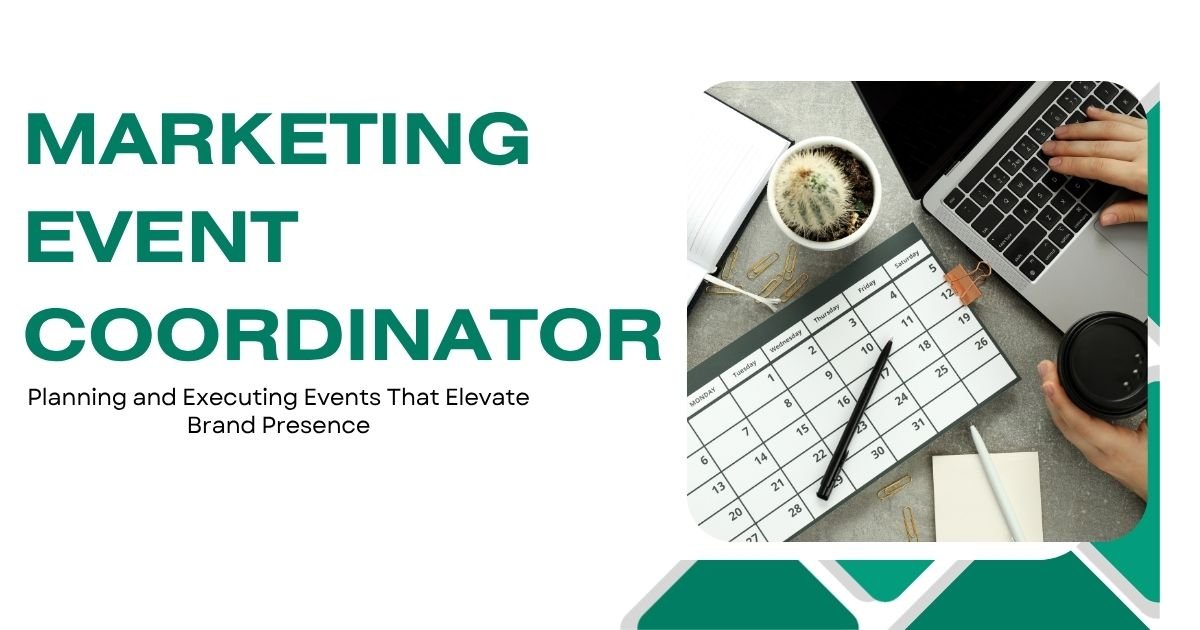
What Does a Marketing Event Coordinator Do?

A Marketing Event Coordinator is hired to handle and oversee the company’s promotional events to advertise or market its products and services. This could be product launches, trade shows, sponsorships of conferences, workshops or things like virtual webinars. Consider them the designer of unforgettable brand experiences; they take care of all the behind-the-scenes work—from booking a venue to guest-list management—and ensure a smooth execution.
But careful planning is only part of this role. It takes an effective marketing event coordinator to serve as a right-hand to marketing and event managers to manage the logistics, budget, and audience experience goals.
Marketing Event Coordinator Job Description
Duties and Responsibilities of a Marketing Event Coordinator
Ever wonder what a day in the life of a Marketing Event Coordinator is like? Their to-do list is long, full of variety and interest. Here is a selection of some of what they do:
Event Planning and Logistics
- Coordinating events, such as timelines and schedules
- Book facilities and work with suppliers (caterer, A/V equipment, etc.)
- Permit, contract, and insurance documents
Budget Management
- Knowing when to spend a lot of resources, and when to stay within the budget
- Finding cheap alternatives that are still good quality
- Invoice management, expense tracking
Engagement with the Audience and Marketing
- Working with marketing team to market the event online and offline
- Making promotional materials, including event flyers, email campaigns, and social media posts
- Creative generating registration or ticket sales drivers
On Site/Day of Coordination
- Supervision of venue set ups and brand exposure
- Resolving last-minute problems (tech glitches, late vendors and the like)
- Making sure guests have a seamless, unforgettable time
Post-Event Analysis
- Gathering Attendee Feedback: The gauge for Event Success
- Evaluation of ROI and critical insights for future enhancements
- Compiling summary reports for stakeholders after an event
All of this is being managed by that Marketing Event Coordinator and trying to make sure everything is on time and has quality and impact.
Key Skills for a Marketing Event Coordinator

- Time Management: Nailing a tight turnaround between competing deadlines is second-nature to the superior event organizers. If you do well under pressure and can build a project’s timeline without hiccups, then this job is for you.
- Strong Communication: As liaison between stakeholders, team members, and vendors, you need to have a clear, assertive, and professional approach.
- Problem-Solving: Few things go 100% according to plan. From a difficult supplier to an unexpected guest cancellation, knowing how to beat last-minute havoc can be your greatest asset.
- Detail-Oriented: Nothing is too small, from picking top-tier caterers to making sure the Wi-Fi is strong.
- Creativity and Adaptability: Great Marketing Event Coordinators don’t just recycle old ideas – they do things differently, upping the game and making the event fresh and exciting for everyone.
Everyday Gear and Gadgets that Marketing Event Coordinators Need
- Event Management Platforms: Brands have tools like Cvent, Bizzabo, and Eventbrite that will assist with logistics at the event, keep track of attendees, and facilitate the ticketing process.
- Marketing Automation Software: Services such as Mailchimp and HubSpot help with email promotions and digital marketing for events.
- Project Management Tools: One of the popular niche market trends that will continue is organization software such as Trello, Monday.com, or Asana is essential to keep all of your tasks and schedules in order.
- Social Media Tools: You can even quicken the pace with Hootsuite, or Buffer, so that the promotion remains consistent on platforms like Instagram, Twitter and LinkedIn.
- Analytics Tools: Tools such as Google Analytics or attendee surveys yield invaluable information when it comes to measuring event success and marketing ROI.
Marketing event coordinator planning and managing event tasks

How do you become a Marketing Event Coordinator?
- Educational Background: A degree in marketing, communications, business administration or hospitality management can often be a good launching pad.
- Gain Relevant Experience: Beginning in a marketing or event assistant position gives you the opportunity to cut your teeth and develop a skill set.
- Build a Portfolio: One step further volunteer to plan community/university events. Anything that you can add to your portfolio is going to show off your knowledge to prospective employers.
- Leverage Certifications: Bolster your credibility with certifications such as CMP or CSEP.
- Network and Stay Current: Best ways to keep up to date with trends and build a network: Attend industry events, courses, and networking to make yourself aware of trends and increase the size of your network.
How Much Does a Marketing Event Coordinator Get Paid?
What you should expect to earn will depend on location, company size and level of experience, but here’s a breakdown of averages:
- Entry Level ($40,000 – $50,000 per year): Entry-level positions provide a good starting point for new grads or for those supporting higher level event managers.
- Mid-level Coordinators ($50,000 – $70,000 per year): With 3-5 years of experience, more senior Marketing Event Coordinators can earn more, and would have the chance to work on bigger events.
- Senior-Level Positions ($70,000–$90,000+ p/a): Senior event planner, marketing events manager: If you grow into one of these positions, you will get paid well and will have some people to lead.
Industry (i.e., corporate, nonprofit, entertainment), and geographic requirements also affect earning potential.
Comparing Event Types and Coordinator Responsibilities
Marketing Event Coordinators handle a wide range of events, each with unique goals, audiences, and logistical demands. The table below outlines the major event types, key responsibilities, and skills most critical for success:
| Event Type | Typical Audience | Key Responsibilities | Skills Required | Tools Often Used |
|---|---|---|---|---|
| Corporate Events (Product Launches, Shareholder Meetings) | Executives, Clients, Stakeholders | Venue booking, program scheduling, VIP management, presentation setup | Time management, professionalism, attention to detail | Cvent, Eventbrite, Asana |
| Trade Shows & Exhibitions | Industry Professionals, Potential Clients | Booth design, lead capture, logistics coordination, staff scheduling | Communication, negotiation, multitasking | Bizzabo, Trello, HubSpot |
| Workshops & Seminars | Employees, Partners, Students | Speaker coordination, material preparation, attendee engagement | Organization, problem-solving, facilitation | Zoom/Webinar Tools, Google Workspace |
| Virtual Events / Webinars | Global Audiences, Clients | Tech setup, registration management, real-time engagement | Tech-savvy, adaptability, digital marketing | Zoom, Microsoft Teams, GoToWebinar |
| Networking Events & Social Gatherings | Clients, Partners, Community Members | Guest list management, ambiance creation, entertainment booking | Creativity, interpersonal skills, adaptability | Eventbrite, Social Media Scheduling Tools |
| Hybrid Events | Combination of In-person and Online Audiences | Integration of digital and physical experiences, engagement tracking | Tech integration, strategic planning, problem-solving | Hopin, Whova, Hootsuite |
Event Budgeting: Maximizing ROI
Every successful marketing event requires careful financial planning. A Marketing Event Coordinator must balance quality with cost efficiency, allocating funds for venue, catering, marketing, technology, and unexpected contingencies. Knowing where to spend and where to save ensures a high return on investment (ROI) without compromising attendee experience. Coordinators often track budgets using spreadsheets or project management tools, reviewing real-time expenses and adjusting plans as needed.
Coordinators balance costs for venue, catering, marketing, and contingencies while tracking ROI using spreadsheets or tools like How Event Management Software Is Transforming Community Events. Risk planning ensures smooth execution despite unforeseen challenges.
Risk Management in Events
Events are full of uncertainties: tech failures, weather disruptions, or last-minute cancellations. Coordinators need to anticipate risks and develop contingency plans. This includes creating backup equipment lists, alternative vendor options, and emergency protocols. Effective risk management ensures that even if issues arise, the event continues smoothly, maintaining professionalism and brand reputation.
Building Vendor and Stakeholder Relationships
A Marketing Event Coordinator frequently interacts with a diverse network of external vendors, sponsors, and internal stakeholders, making relationship management a critical part of the role. Strong relationships are key to ensuring smooth collaboration, timely deliveries, and alignment with the event’s overall objectives. Coordinators must actively communicate with vendors such as caterers, AV providers, decorators, and promotional material suppliers to clarify expectations, timelines, and quality standards.
Negotiation skills are essential for securing favorable terms without compromising on quality. For example, negotiating bulk catering discounts, early-bird booking rates for venues, or package deals with technology providers can significantly reduce costs while enhancing event value.
Internal stakeholder management is equally important. Coordinators work closely with marketing, sales, and executive teams to understand campaign goals, branding requirements, and audience expectations. Setting clear expectations and maintaining transparency through regular updates or progress reports prevents misunderstandings and last-minute conflicts.
Additionally, building trust and rapport with vendors and sponsors can lead to long-term partnerships. For instance, a reliable AV company or a loyal catering partner may provide priority service or additional support for high-profile events. Proactive relationship management not only mitigates risks but also contributes to a more efficient, professional, and successful event experience.
Why This Job Will Become Even More Important

Some developmental trends in this career are:
- Sustainability: They are responsible for sensibly organizing ‘green’ events.
- Hybrid Experiences: Technology will be used to blend a virtual and in-person experience as the norm.
- Event Personalization: Personalization will become the norm, with experience being curated for specific audiences.
If you’re someone who needs connection, thrives on pressure, and wants to create unforgettable customer experiences, this could be your dream path.
Expanding your business often requires venturing into new territory. Learn which strategic model supports simultaneous product innovation and market expansion in What Growth Strategy Combines New Markets and New Products?.
Frequently Asked Questions (FAQ)
Do I need a degree to become a Marketing Event Coordinator?
While a degree in marketing, communications, business, or hospitality is helpful, relevant experience and a strong portfolio of events can be equally valuable. Certifications like CMP or CSEP can also strengthen your credibility.
Can small businesses benefit from hiring a Marketing Event Coordinator?
Absolutely. Even smaller businesses can use a coordinator to create impactful events, manage budgets efficiently, and ensure seamless execution, which can significantly enhance brand awareness.
How does the salary of a Marketing Event Coordinator vary by location?
Salaries depend on experience, company size, and geography. For example, coordinators in major metropolitan areas or corporate sectors often earn higher salaries compared to those in smaller markets or nonprofit sectors.
What tools should I master as an aspiring Marketing Event Coordinator?
Event management platforms like Eventbrite or Cvent, project management tools like Asana or Monday.com, marketing automation software such as Mailchimp or HubSpot, and analytics tools like Google Analytics are essential. Familiarity with social media scheduling platforms like Hootsuite can also be highly beneficial.
Is this role more about planning or creativity?
It’s a combination of both. Coordinators must manage logistics meticulously while also crafting unique and engaging experiences for attendees. Creativity ensures the brand stands out, while planning ensures events run smoothly.
Are there opportunities to work remotely as a Marketing Event Coordinator?
Yes, especially with hybrid and virtual events becoming more common. Many coordinators manage planning, vendor communication, and marketing tasks remotely, though some on-site presence is often necessary for live events.
How can I get experience if I’m new to event planning?
Start by volunteering for community, university, or nonprofit events. Internships, part-time roles, or assisting experienced coordinators can also provide valuable hands-on experience to build your portfolio.