What Are Share Market Events?

Share market events are planned or unexpected developments that influence stock prices, market trends, and overall investor sentiment. These events play a critical role in shaping how financial markets behave by revealing new information about company performance, economic conditions, government policies, or global stability. From corporate earnings announcements and economic data releases to geopolitical developments and central bank decisions, share market events act as key drivers of market movement.
Some share market events follow a fixed schedule, such as quarterly earnings reports, interest rate announcements, and economic indicators like GDP or inflation data. Others occur without warning, including political crises, natural disasters, regulatory changes, or sudden shifts in global trade relations. Both types can trigger short-term volatility or long-term trend changes depending on their scale and impact.
For investors, understanding share market events is essential because markets often react not only to the event itself but also to whether the outcome meets, exceeds, or falls short of expectations. Prices move based on anticipation, interpretation, and market sentiment as much as on actual data. By tracking these events and understanding their potential implications, investors can better manage risk, identify opportunities, and align their investment strategies with broader market dynamics.
Whether you are a day trader responding to short-term price fluctuations or a long-term investor focused on fundamentals, staying informed about key share market events helps you make smarter, more confident investment decisions in an ever-changing financial environment.
Key Share Market Events You Need to Know
Share market events play a central role in determining price movements, investor sentiment, and overall market direction. These events appear regularly on the financial calendar and are closely watched by traders, analysts, and long-term investors alike. Understanding how each event works and why it matters can help investors anticipate market reactions and make more informed decisions.
Below, we explore some of the most impactful share market events in the financial calendar:
Earnings Reports
Earnings reports are scheduled quarterly announcements released by publicly traded companies to disclose their financial performance over a specific period. These reports typically include key metrics such as revenue, net income, earnings per share (EPS), operating costs, and forward-looking guidance. Investors closely monitor earnings reports to evaluate a company’s profitability, growth potential, and overall financial health.
Earnings reports often have a significant impact on stock prices because they reveal whether a company has met, exceeded, or fallen short of market expectations. Even strong financial results can lead to a stock decline if they fail to surpass analyst forecasts, while weaker results may trigger price increases if expectations were already low. This makes earnings season one of the most volatile periods in the share market.
Beyond the headline numbers, investors also pay attention to management commentary, future outlook, and industry trends discussed during earnings calls. These insights can influence long-term valuation and investor confidence, making earnings reports a critical event for both short-term trading strategies and long-term investment planning.
Why They Matter:
Earnings reports provide a snapshot of the company’s profitability, growth, and future prospects. For instance, if a tech giant reports stronger-than-expected earnings, its stock price may soar. Conversely, disappointing earnings can result in sharp declines.
Investor Tip:
Pay attention to metrics such as earnings per share (EPS), revenue, and future guidance. These indicators can provide insights into a company’s long-term value.
Central Bank Announcements
Central banks, like the Federal Reserve in the U.S. or the European Central Bank, play a vital role in shaping monetary policy and influencing financial markets. Their decisions on interest rates, money supply, and quantitative easing can have a direct impact on stock prices, investor sentiment, and economic growth. For insights on strategic planning during such events, see event digital marketing strategies to understand how digital tools can track market updates.
When a central bank raises interest rates, borrowing costs increase, which may slow business investment and put downward pressure on stocks. Conversely, rate cuts can stimulate spending and boost market optimism. Investors also watch central bank guidance and statements for clues about future policy moves, as these often influence market expectations and trigger volatility.
Beyond rates, actions like quantitative easing—injecting liquidity into the economy—can lift asset prices, while tightening measures may lead to corrections. Paying attention to central bank announcements helps both short-term traders and long-term investors make informed decisions aligned with economic trends.
Why They Matter:
When central banks raise interest rates, borrowing becomes costlier, which often slows down economic activity and impacts stock prices. On the other hand, a reduction in rates can fuel market optimism and lead to a surge in investments.
Investor Tip:
Keep an eye on central bank announcements and the economic indicators they consider, such as inflation and unemployment rates. These decisions often set the tone for market movements in the short and long term.
Economic Data Releases
Economic data releases, such as GDP growth, unemployment rates, inflation figures, and consumer confidence indices, provide a snapshot of a country’s overall financial health. These reports, published at regular intervals, are closely monitored by investors, analysts, and traders to gauge economic trends and anticipate market movements.
Strong economic data, like rising GDP or low unemployment, can boost investor confidence and push stock prices higher. Conversely, weak data may trigger market sell-offs or increased volatility. By tracking these releases, investors can better understand macroeconomic conditions, make informed decisions, and adjust their portfolios in response to changing economic trends.
Why They Matter:
For example, robust GDP growth indicates a thriving economy, which often boosts investor confidence and stock valuations. Conversely, poor data can trigger market sell-offs.
Investor Tip:
Use economic calendars to stay ahead of key data releases. Traders often prepare strategies around these events to benefit from the volatility they create.
Geopolitical Events
Geopolitical tensions, trade wars, or even events like Brexit can create uncertainty in financial markets. Stocks often react to the potential risks or opportunities posed by such events.
Why They Matter:
Geopolitical risks like sanctions on a key nation or a change in trade policies can influence global trade and, subsequently, the stock market.
Investor Tip:
Diversifying your investment portfolio across sectors and regions can help mitigate the risks associated with geopolitical uncertainties.
Mergers and Acquisitions (M&A)
When companies merge or one company acquires another, it often triggers significant market activity.
Why They Matter:
M&A can lead to stock price volatility. For instance, acquiring companies might see a temporary dip in share prices due to costs involved, while the acquired company’s stock typically appreciates.
Investor Tip:
Monitor industries that are consolidating, as M&A activity in these sectors can signal promising investment opportunities.
How to Stay on Top of Share Market Events

Mastering the art of financial investment often boils down to staying informed and prepared. Here’s how you can keep track of share market events:
- Set Up Alerts: Use tools like Google Alerts or financial platforms like Bloomberg to stay updated on major announcements.
- Follow Economic Calendars: Platforms like Investing.com or Forex Factory publish real-time updates of upcoming economic and earnings events.
- Educate Yourself: Reading news or following market analysts can give you insights and strategies to handle upcoming events effectively.
Using Technology to Track Share Market Events
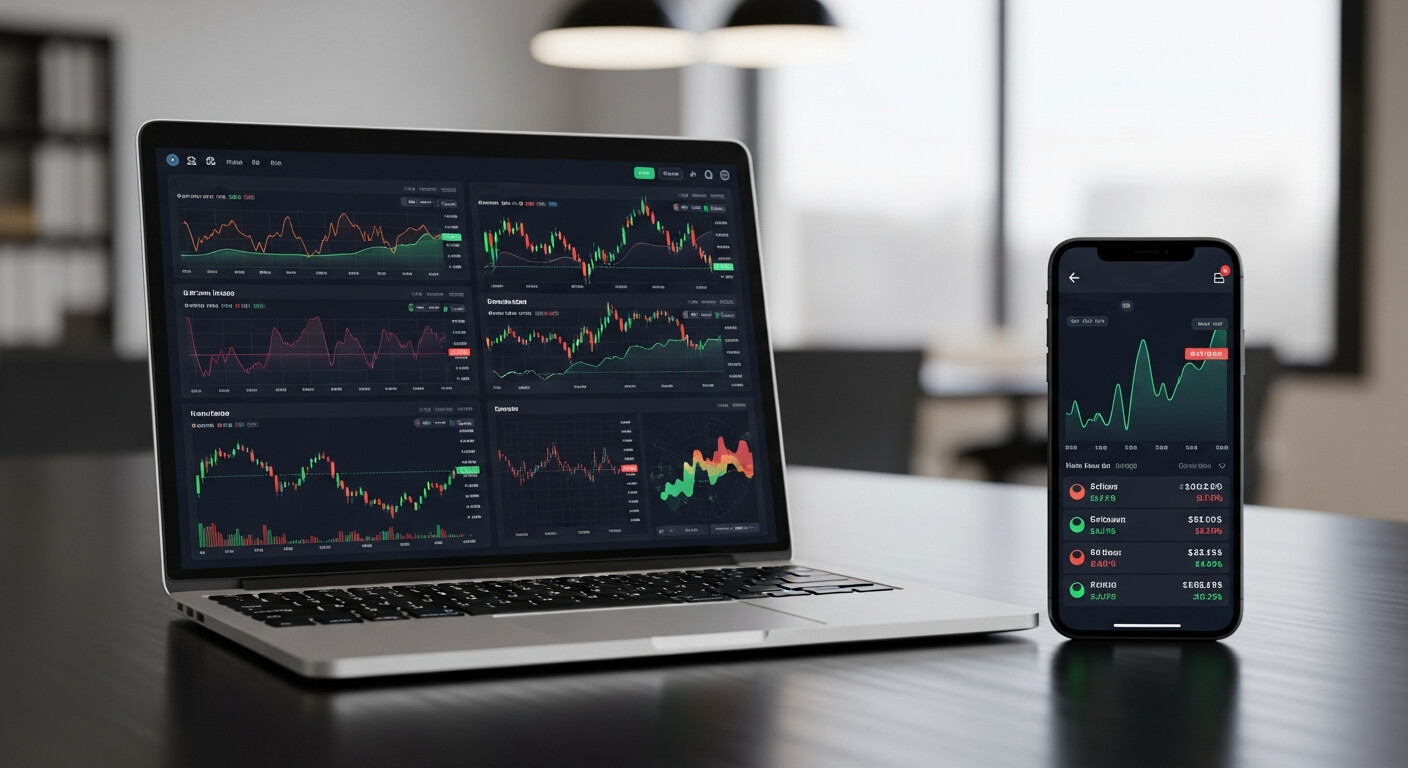
In today’s fast-paced financial world, technology plays a crucial role in helping investors stay informed about key share market events. A variety of tools, apps, and platforms are available to monitor earnings reports, central bank announcements, economic data releases, and geopolitical developments in real time. For example, the ultimate guide to choosing an event marketing platform explains how digital platforms can provide real-time alerts, a strategy that can be applied to financial markets as well.
Economic calendars, available on platforms like Investing.com, Forex Factory, or Bloomberg, provide a schedule of upcoming events along with expected market impact. These calendars allow investors to plan trades, avoid surprises, and position their portfolios strategically ahead of important announcements.
In addition, AI-driven news aggregators and alert systems, such as Feedly, Koyfin, or Refinitiv, can filter financial news based on relevance and sentiment, helping investors quickly identify market-moving information without being overwhelmed by data. Setting up personalized notifications—like alerts for specific stocks, sectors, or economic indicators—can further increase efficiency and ensure timely decision-making. By leveraging these technological tools, investors can gain an edge, reduce reaction time, and make more informed investment choices.
Market Sentiment and Investor Psychology
While share market events directly influence stock prices through fundamental and economic factors, they also affect investor psychology, which can amplify market movements. Concepts like fear and greed often drive market overreactions, causing prices to swing beyond what fundamentals would suggest. Savvy investors can use tools and strategies like event marketing automation to boost ROI to maintain efficiency and consistency in monitoring markets.
Understanding herd behavior is essential for navigating volatile markets. When investors follow the crowd blindly, prices may spike or drop disproportionately, creating both risks and opportunities. Savvy investors learn to recognize these psychological patterns and avoid impulsive decisions driven by emotions rather than analysis.
Practical strategies for managing market psychology include maintaining a well-diversified portfolio, setting predefined entry and exit points, and focusing on long-term goals rather than reacting to short-term news. Keeping a trading journal or reviewing past market reactions to similar events can also help investors develop discipline and emotional resilience. By combining an understanding of market sentiment with data-driven strategies, investors can mitigate risks and capitalize on opportunities created by both rational and irrational market behavior.
Navigating Volatility
Share market events often bring volatility, but this isn’t necessarily a bad thing. For long-term investors, periods of volatility can present opportunities to buy quality stocks at discounted prices. Traders, on the other hand, look to capitalize on short-term price movements caused by such events.
Risk management and a diversified portfolio are vital to mitigating the adverse effects of severe market fluctuations. Always have a strategy and consider consulting a financial advisor to align your decisions with your goals and risk tolerance.
Shaping the Future of Your Investments

Understanding share market events is key to decoding the financial market’s behavior and making informed investment decisions. Whether it’s earnings reports providing insights into a company’s performance, or central bank decisions influencing borrowing costs, each event tells a story you can leverage to meet your investment goals.
By staying informed and strategically positioning your portfolio, you can turn these events into opportunities for growth.
Recognizing key share market events that influence financial markets is essential for timely decision-making, while pairing that awareness with strong digital marketing and website design strategies enables financial service providers to communicate value and build trust in a fast-moving environment.
Frequently Asked Questions (FAQ)
What is the most important share market event for investors?
There is no single most important event, as impact depends on market conditions and investment strategy. Earnings reports, central bank decisions, and major economic data releases tend to have the most consistent influence across markets.
Do share market events always cause volatility?
Not always. While many events lead to noticeable price movements, markets sometimes price in expectations ahead of time. When outcomes align closely with forecasts, reactions may be minimal.
How can beginners prepare for share market events?
Beginners should focus on education, diversification, and long-term planning. Following economic calendars, understanding basic financial indicators, and avoiding emotional decisions during volatile periods are key first steps.
Should investors trade during major market announcements?
This depends on risk tolerance and experience. Short-term trading around announcements can be risky due to rapid price swings. Long-term investors often benefit more from observing and adjusting positions calmly after markets settle.
How do global events affect local stock markets?
Global events influence capital flows, currency values, and investor confidence. Even local markets can react strongly to international developments such as global interest rate changes, geopolitical conflicts, or shifts in global trade policies.
Can share market events be used as buying opportunities?
Yes, market overreactions can create opportunities to purchase quality stocks at discounted prices. This approach requires patience, research, and confidence in long-term fundamentals rather than short-term sentiment.