What is Event Marketing Software?
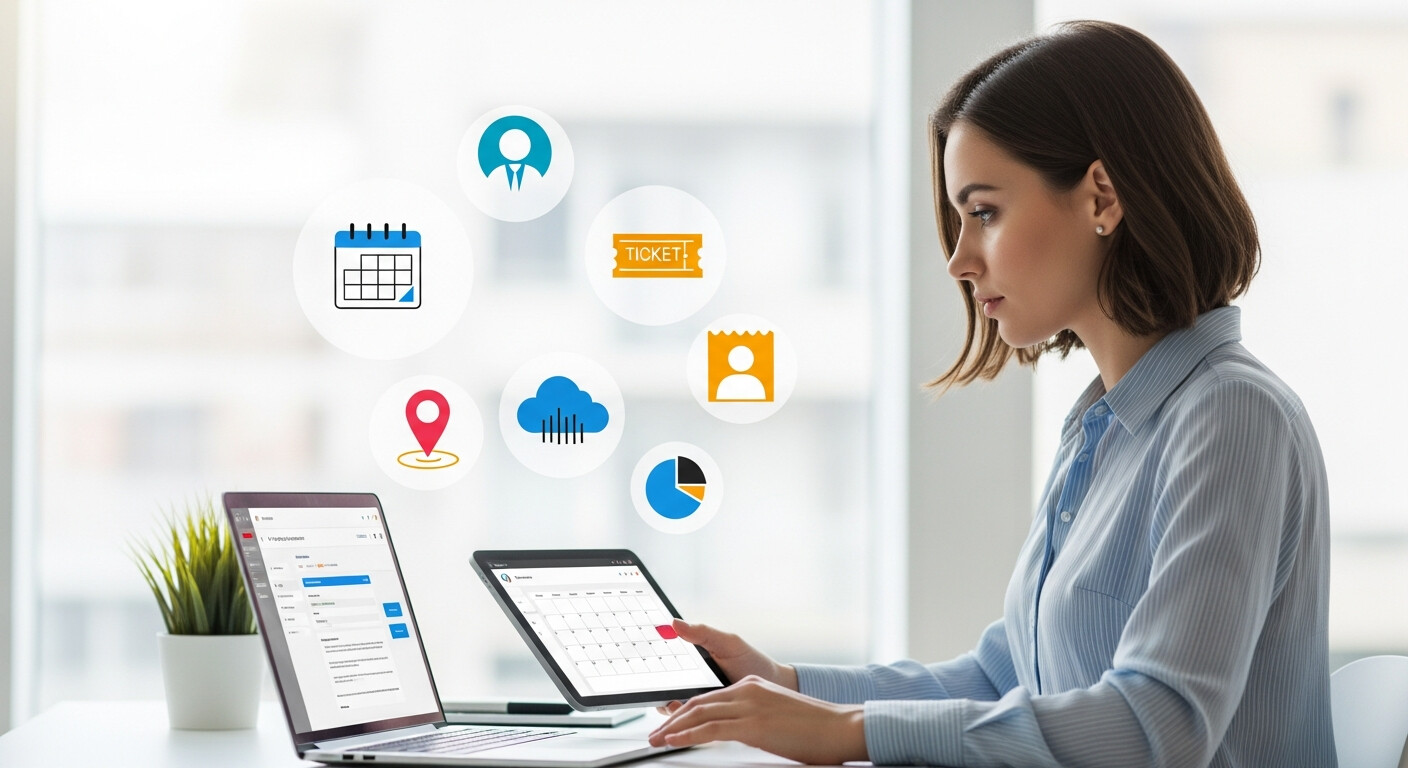
Event marketing software is a comprehensive digital platform designed to help organizers plan, manage, and promote events more efficiently and effectively. From small webinars and workshops to large conferences and product launches, these tools centralize all critical event functions in one place. Features often include attendee management, customizable registration forms, ticketing, email marketing campaigns, social media promotion, automated reminders, and real-time analytics that track engagement and performance. By consolidating these capabilities, event marketing software saves organizers valuable time, enhances the attendee experience, and ensures that every step of the event lifecycle—from initial RSVPs to post-event follow-ups—is seamless and professional. For businesses and event planners looking to maximize efficiency, engagement, and ROI, this Guide to Event Marketing Software provides an essential roadmap for choosing and leveraging the right platform to make every event a success.
Why Event Marketing Software is a Game-Changer
Using event marketing software is no longer a luxury; it’s a necessity. Here’s why every event organizer should leverage it:
- Time-Saving Automation: Automate repetitive tasks like sending invites, confirmations, and follow-ups.
- Enhanced Attendee Experience: From personalized emails to mobile check-ins, attendees enjoy seamless experiences.
- Real-Time Insights: Track registrations, engagement rates, and attendee satisfaction with advanced analytics.
- Broader Reach: Integrate with social media platforms and email marketing tools to maximize event visibility.
Efficient planning and effective promotion aren’t just nice-to-haves; they’re essential for modern event success.
Top Features of Event Marketing Software
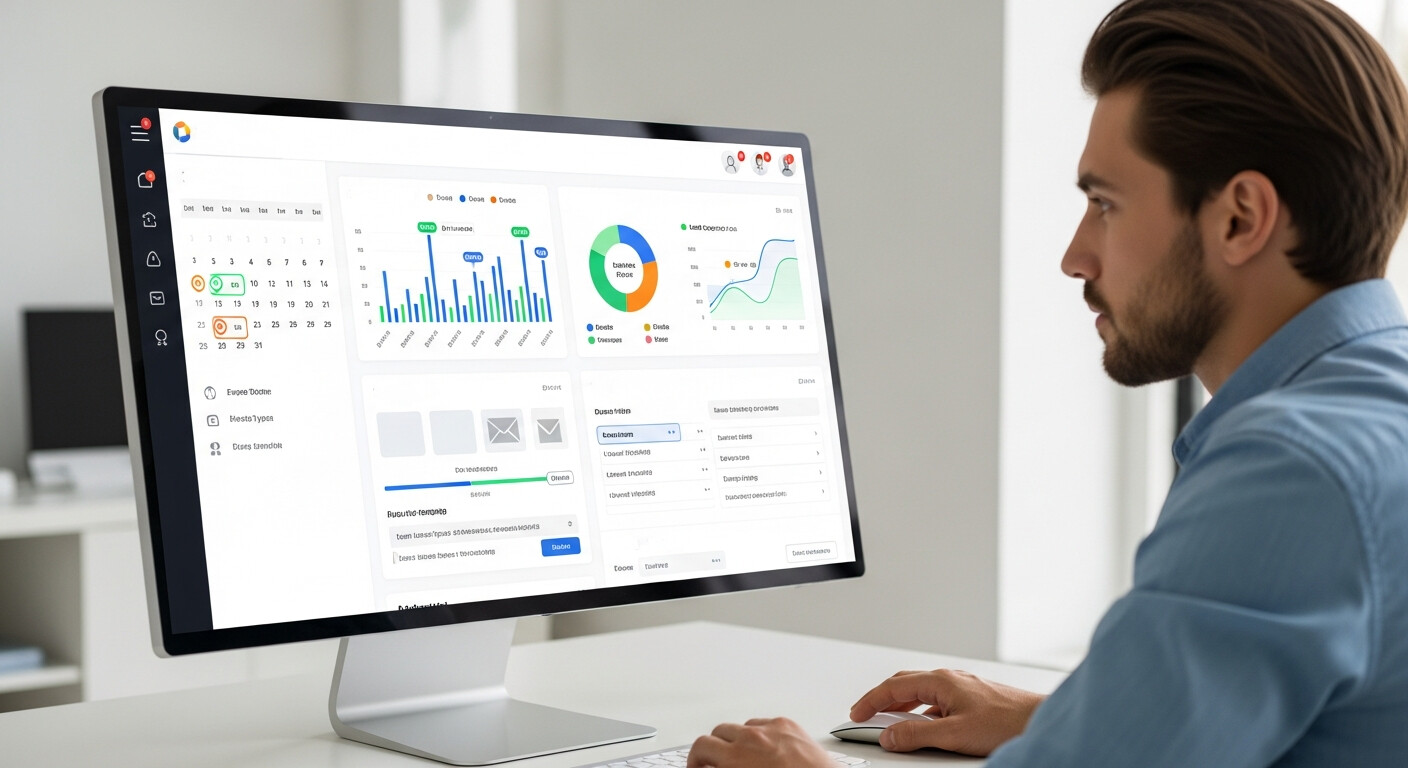
Not all event marketing platforms are created equal. To maximize your investment and ensure a smooth, engaging experience for your attendees, it’s important to choose software that offers a comprehensive set of features. This Guide to Event Marketing Software highlights the top functionalities that every organizer should look for.
Event Registration and Ticketing
The registration process is often the first interaction an attendee has with your event, making it critical for setting the right impression. A robust platform allows you to create fully customizable registration forms, manage multiple ticket tiers, and process payments securely. Some platforms also offer early-bird pricing, group registrations, and waiting list management. By streamlining registration, event marketing software not only reduces administrative workload but also ensures attendees have a smooth, professional experience from the start.
Email Campaigns and Automation
Effective communication is the backbone of successful event promotion. Advanced event marketing software includes automated email sequences to handle invitations, reminders, confirmations, and post-event follow-ups. Personalization features allow you to address attendees by name, tailor content to their interests, and schedule messages based on behavior or registration status. Using these tools ensures your communications are timely, relevant, and impactful—boosting engagement and attendance while freeing your team from repetitive manual tasks.
Email remains one of the highest-converting event channels. Advanced platforms automate invitations, reminders, confirmations, and follow-ups while supporting segmentation and personalization. These capabilities complement proven event email marketing software strategies and ensure timely, relevant communication.
Analytics and Reporting
Data-driven insights are essential for understanding the success of your event. Event marketing software provides in-depth analytics on ticket sales, attendee engagement, session popularity, and overall ROI. These reports help you identify which marketing channels and strategies are most effective, measure attendee satisfaction, and uncover areas for improvement. By leveraging real-time data, organizers can make informed decisions that optimize both current and future events. This Guide to Event Marketing Software emphasizes the importance of analytics as a key differentiator between average and highly successful events.
Social Media Integration
Social media is a powerful channel for promoting events and engaging with audiences. Top platforms integrate seamlessly with major networks like Facebook, Instagram, LinkedIn, and Twitter, allowing you to schedule posts, run targeted ads, and enable social sharing directly from your dashboard. Social integration not only broadens your event’s reach but also encourages organic promotion through attendee shares, hashtags, and user-generated content—helping your event gain visibility and credibility.
Mobile-Friendly Features
In today’s mobile-first world, attendees expect seamless experiences on their smartphones and tablets. Event marketing software with mobile-friendly features allows for on-the-go check-ins, instant notifications, networking opportunities, and access to agendas or session details. Mobile apps also facilitate real-time engagement through polls, Q&A sessions, and chat functions, enhancing attendee satisfaction and fostering stronger connections. A mobile-optimized platform ensures your event is accessible, interactive, and memorable for all participants.
Mobile-first experiences are now expected. Event apps enable check-ins, live notifications, networking, session access, polls, and Q&A. These features are especially valuable for conferences, trade shows, and hybrid event formats.
Real-Life Success Stories

Spotify’s Music Festivals
Using event software, Spotify streamlined ticket sales, attracted attendees through targeted social media ads, and personalized the experience with attendee preferences.
Key Takeaway: Leverage personalization tools to enhance your attendee’s experiences.
HubSpot’s INBOUND Marketing Conference
By using analytics tools within their event platform, HubSpot measured attendee engagement and adjusted content in real-time, improving satisfaction rates.
Key Takeaway: Use real-time data to refine your event while it’s happening.
Zoom Webinars
Zoom maximized its webinars’ success by integrating event marketing software with email automation, resulting in higher turnout and audience engagement.
Key Takeaway: Integrate your tools to create a cohesive promotion and execution strategy.
How to Choose the Right Event Marketing Software
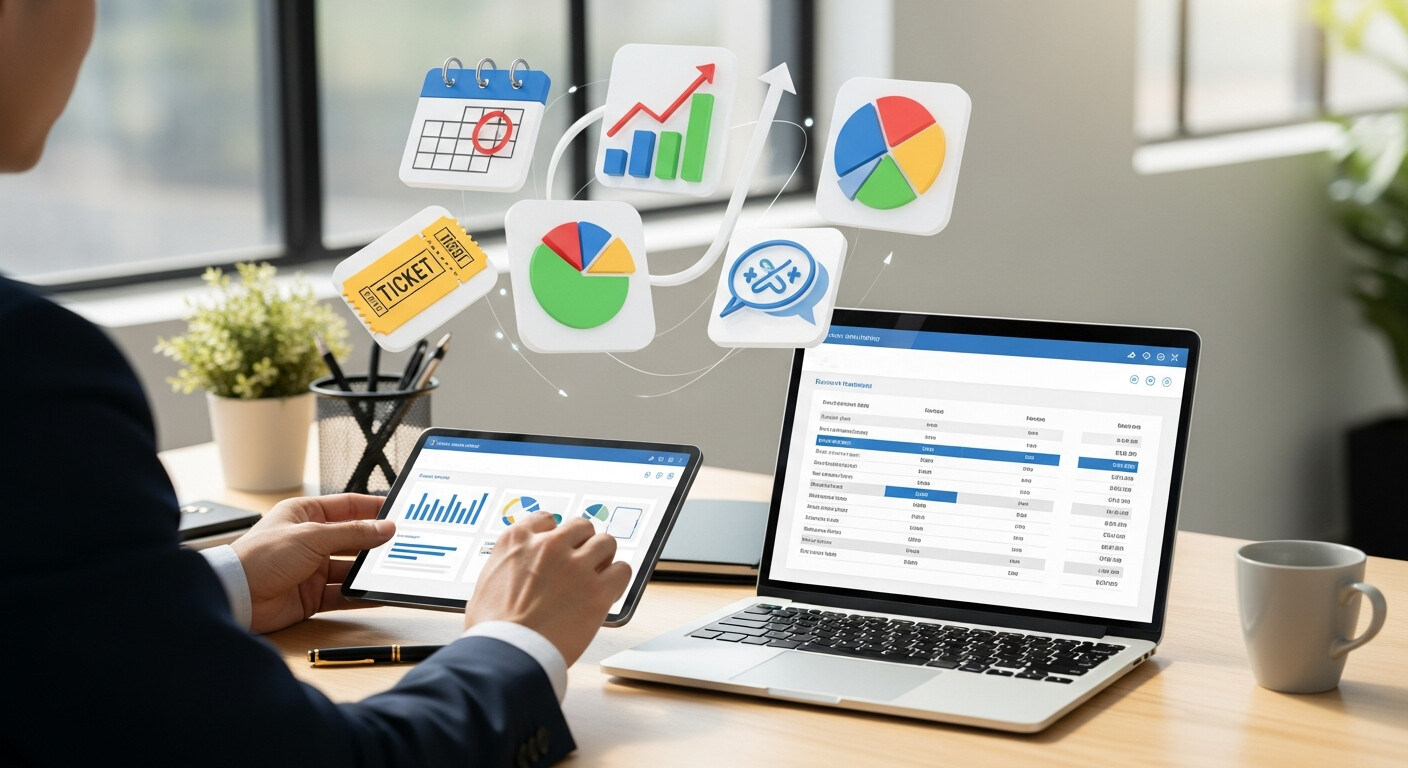
The right platform depends on the size, goals, and type of your event. Here’s a quick checklist to help you narrow down your options. Ask yourself these questions before deciding:
- Does the platform offer the features I need (e.g., registrations, analytics, engagement tools)?
- Is it scalable for small gatherings and larger events?
- Does it integrate with the tools I already use (e.g., CRM, email marketing)?
- Is the platform easy for both my team and attendees to use?
Top-rated platforms like Cvent, Eventbrite, and Bizzabo offer these features and more. Compare their pricing models, read reviews, and take advantage of free trials to find the perfect fit.
Maximizing Results with Event Marketing Software
Here are a few tips to get the most out of your chosen platform and level up your event planning game.
- Optimize Registration Forms
Keep them simple. Only ask for necessary details to reduce drop-offs.
- Segment Your Email List
Tailor your promotions to different audience segments for better engagement. For example, first-time attendees may need more detailed event information than seasoned participants.
- Leverage Social Proof
Use testimonials, previous event photos, or user-generated content (UGC) from past events to build anticipation.
- Analyze Post-Event Feedback
After the event, analyze attendee feedback via surveys and the platform’s analytics. Identify what worked and what didn’t, then implement those learnings for your next event.
- Create an Event Hashtag
Encourage attendees to share their experiences on social media using a unique hashtag. This drives engagement and acts as organic promotion for future events.
Streamlining Team Collaboration and Workflow
Planning and executing successful events often requires the coordinated efforts of multiple teams, including marketing, sales, operations, IT, and customer support. Without proper communication, it’s easy for tasks to overlap, deadlines to be missed, or critical details to fall through the cracks. Event marketing software addresses these challenges by centralizing communication, task management, and project tracking in a single platform. Teams can assign responsibilities, set deadlines, monitor progress, and share real-time updates, ensuring that everyone is always on the same page. Additionally, having all event-related data—such as attendee lists, registration details, session schedules, and marketing assets—accessible in one place reduces miscommunication and accelerates decision-making. Collaboration features like shared dashboards, comment threads, and automated notifications keep team members informed and accountable, even if they are working remotely or across different time zones. The Guide to Event Marketing Software emphasizes that centralizing workflows not only increases efficiency but also enhances accountability, minimizes errors, and ensures that events are executed seamlessly, creating a professional and memorable experience for attendees.
Driving Post-Event Value with Analytics
The value of event marketing software extends far beyond the day of the event itself. One of its most powerful features is post-event analytics, which provide in-depth insights into attendee behavior, session performance, engagement levels, and overall ROI. Organizers can track metrics such as session attendance, survey responses, participation in Q&A or polls, and social media activity. This information is critical for identifying what aspects of your event resonated most with your audience and pinpointing areas that may need improvement. By consistently analyzing these metrics, marketers can refine their messaging, tailor content for repeat attendees, and make smarter decisions about future events. Additionally, post-event analytics help justify marketing spend and demonstrate tangible results to stakeholders. A comprehensive Guide to Event Marketing Software emphasizes that leveraging analytics effectively transforms events from one-time gatherings into strategic tools for growth, allowing businesses to optimize future planning, enhance attendee satisfaction, and maximize ROI over time.
Supporting Hybrid and Virtual Events
As the demand for hybrid and fully virtual events continues to grow, the need for flexible and adaptable event marketing software has never been greater. Modern platforms now support a wide range of event formats, from in-person conferences to live webinars and multi-day hybrid gatherings. These tools allow attendees to participate from anywhere in the world while maintaining high levels of engagement through features such as live Q&A, interactive polls, networking lounges, and session recordings. Organizers can track attendee activity across both digital and physical touchpoints, ensuring that every participant has a seamless experience regardless of location. Moreover, hybrid-ready software enables precise analytics and reporting for both online and offline components, giving organizers a full picture of event performance. According to this Guide to Event Marketing Software, investing in platforms that excel at managing hybrid and virtual events allows businesses to expand their reach, maintain consistent branding, and create immersive experiences that drive engagement and loyalty—without sacrificing quality or operational efficiency.
Elevate Your Event Strategy with Event Marketing Software
Integrated event marketing software doesn’t just make planning easier; it amplifies your event’s impact. From automating tedious tasks to delivering personalized experiences, these tools enable event professionals to focus on what really matters—creating engaging and memorable events.
Want to level up your event marketing game? It starts with finding the right platform. With the right software and strategy, your next event could be your most successful yet.
Affiliate success starts with compelling, value-driven content. Learn practical techniques in How to Create High-Converting Affiliate Marketing Content to attract clicks, build trust, and increase conversions.
Frequently Asked Questions (FAQ)
What is event marketing software, and why should I use it?
Event marketing software is a platform that helps organizers plan, promote, and execute events efficiently. By combining registration, communication, promotion, and analytics features in one place, it saves time, boosts engagement, and improves ROI. This Guide to Event Marketing Software explains how the right platform ensures your events run smoothly and leave a lasting impression on attendees.
Can small businesses benefit from event marketing software?
Absolutely. Even small-scale events can benefit from automated workflows, attendee tracking, and targeted promotions. According to this Guide to Event Marketing Software, small businesses can deliver professional, personalized event experiences without needing a large marketing team, leveling the playing field with bigger competitors.
How does event marketing software improve attendee experience?
Event marketing software offers features like personalized invitations, mobile-friendly apps, session recommendations, and interactive engagement tools. This Guide to Event Marketing Software highlights how these features help attendees navigate events easily, participate actively, and feel more connected, boosting satisfaction and repeat attendance.
Do I need technical skills to use event marketing software?
Most modern platforms are designed to be user-friendly and require minimal technical expertise. This Guide to Event Marketing Software emphasizes that organizers can manage registrations, automate emails, and analyze results effectively without coding experience, though some integrations may require basic familiarity with other marketing tools.
Can event marketing software measure ROI accurately?
Yes. Advanced platforms track registrations, engagement, session popularity, and social interactions. This Guide to Event Marketing Software shows how using these analytics allows organizers to measure ROI clearly and make data-driven decisions that improve future event campaigns.
Is event marketing software only useful for online events?
Not at all. Whether your events are in-person, virtual, or hybrid, event marketing software can manage registrations, communications, analytics, and promotions across all formats. This Guide to Event Marketing Software demonstrates that the right platform ensures consistent success regardless of event delivery type.
How do I choose the best event marketing software for my business?
Look for platforms that offer the features you need, scale with your event size, integrate with your existing marketing tools, and provide reliable analytics. This Guide to Event Marketing Software recommends using free trials, reading user reviews, and testing demos to make an informed choice.