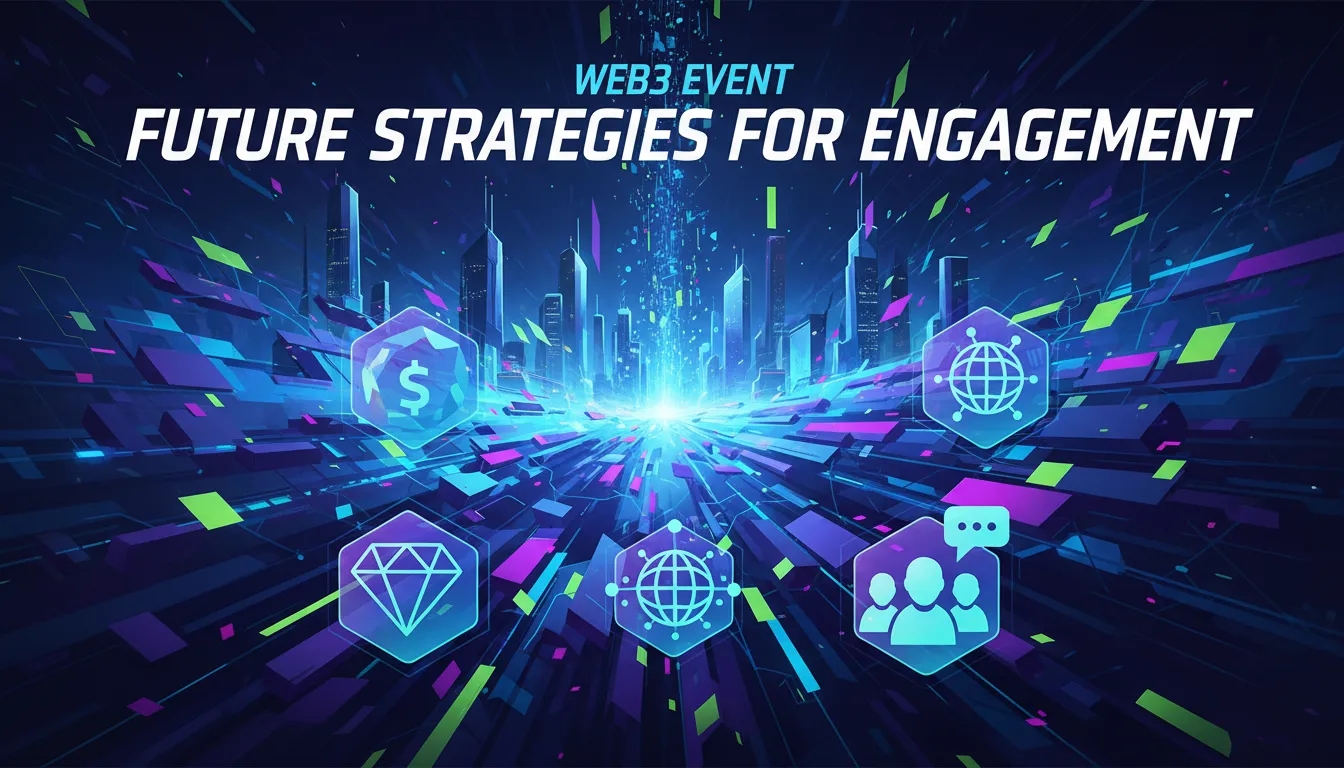
Web3 Event Marketing leverages blockchain, NFTs, and the metaverse to eliminate fraud, enhance community governance via DAOs, and provide immersive, personalized hybrid experiences through secure, verifiable, and programmable digital assets.
In today’s digital landscape, Web3 Event Marketing has emerged as a game-changer for organizers seeking deeper engagement, enhanced security, and new revenue opportunities. By integrating decentralized technologies—such as blockchain, smart contracts, non-fungible tokens (NFTs), and immersive metaverse environments—event planners can move beyond legacy strategies and craft highly personalized experiences. Attendees gain transparent proof of ownership and secure access, while hosts benefit from programmable ticketing rules and real-time analytics. As audiences demand more meaningful connections and privacy protection, Web3 Event Marketing offers tools that align with evolving expectations. This year (2026), pioneering brands and institutions are already harnessing these innovations to foster community loyalty and measure impact on-chain.
Blockchain-Powered Ticketing Solutions
Traditional ticketing systems often grapple with fraud, bots, and inflated resale prices. Web3 Event Marketing eliminates these challenges by minting tickets as unique digital assets on distributed ledgers. Each tokenized ticket is recorded immutably, providing attendees with verifiable proof of authenticity and ownership. Organizers can embed smart contract logic to enforce resale limitations, cap secondary market prices, and automatically distribute royalties back to creators or partners.
- Immutable Verification: Public block explorers allow instant audit of ticket provenance and transfer history.
- Programmable Control: Smart contracts can whitelist approved resellers or block transfers until a specified date.
- Enhanced Entry Security: QR codes or wallet signatures tie on-chain tokens directly to gate scanners.
By partnering with established standards institutions, event hosts ensure robust implementation. For example, guidance from the National Institute of Standards and Technology (NIST Blockchain) can inform secure ledger configurations. Ticketing platforms that leverage these best practices foster attendee trust, reduce administrative overhead, and open secondary market royalties as an incremental revenue stream.
NFT Access Passes and Fan Engagement
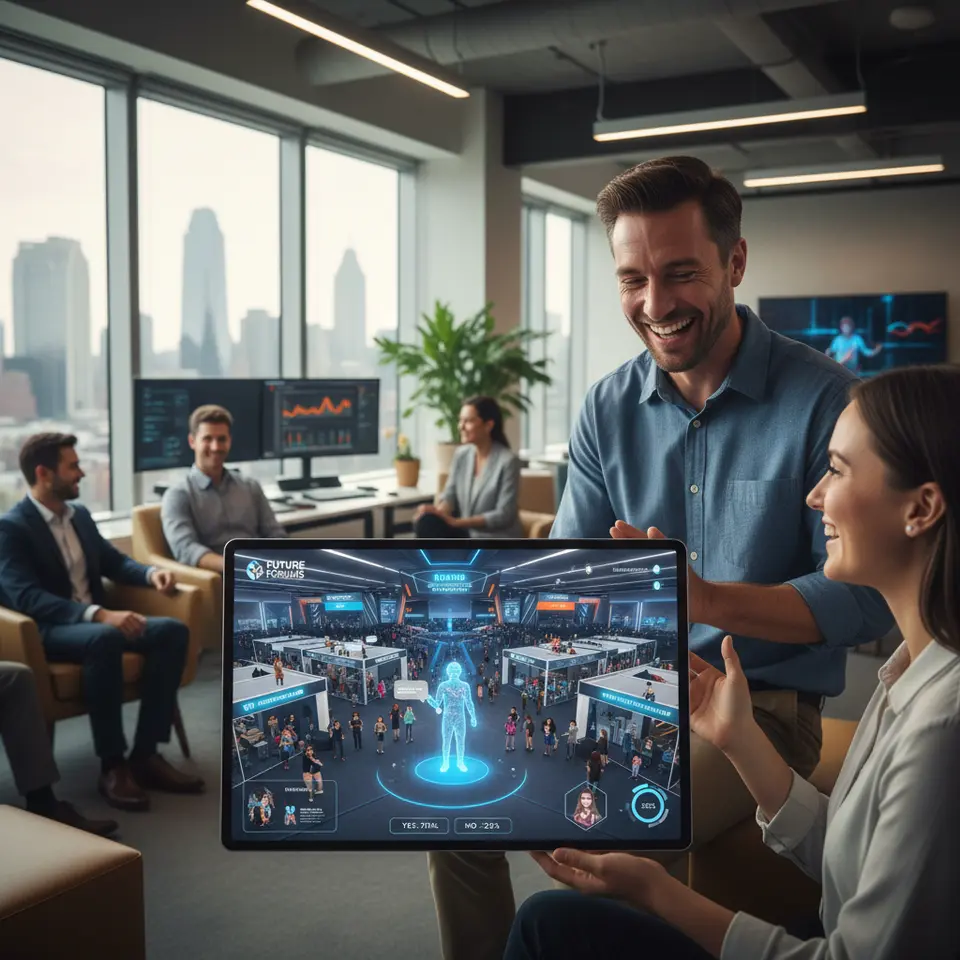
NFT passes introduce a new dimension of interactivity to Web3 Event Marketing, transforming one-time entry tokens into collectible loyalty badges. Organizers can mint tiered editions to reward early supporters, grant backstage privileges, or unlock exclusive digital content. Because each NFT carries metadata on rarity, purchase time, and holder history, event teams gain granular insights into attendee behavior and preferences.
- Tiered Releases: Early-bird NFT editions can include VIP lounge access, private meet-and-greets, or limited-edition digital swag.
- Gamified Incentives: Attendees earn badges for completing surveys, attending breakout sessions, or engaging on social media.
- Post-Event Drops: Organizers can airdrop commemorative NFTs celebrating milestones or highlighting speaker highlights.
Adopting the ERC-721 token standard from the Ethereum Foundation (ERC-721 Specifications) ensures interoperability with popular wallets and marketplaces. These on-chain badges not only strengthen community bonds but also serve as tangible memorabilia, driving secondary market buzz and long-term brand advocacy.
DAO-Powered Community Collaboration
Decentralized Autonomous Organizations (DAOs) are revolutionizing how events are designed and governed by inviting stakeholders to co-create experiences. In Web3 Event Marketing, DAO members hold governance tokens that grant voting rights on critical decisions—ranging from speaker lineups and venue choices to workshop topics and sponsorship activations. This democratic structure fosters a sense of collective ownership and turns attendees into genuine advocates.
- Proposal Lifecycle: Community members submit and discuss ideas through decentralized forums, then cast weighted votes based on token holdings.
- Shared Incentives: Contributors can earn tokenized rewards or a share of revenue for successful proposals.
- Transparent Treasury: Funds for marketing, production, or charity are managed on-chain, ensuring full visibility into spending and allocations.
By leveraging DAO frameworks, organizers tap into a pool of passionate participants who actively promote events via word-of-mouth and social channels. This approach transforms passive audiences into engaged partners, amplifying reach and fostering long-term loyalty within a permissionless ecosystem.
Metaverse Integration for Hybrid Experiences

As remote participation becomes essential, the metaverse offers dynamic virtual venues that complement physical gatherings. Web3 Event Marketing harnesses 3D worlds, interactive avatars, and real-time streaming to deliver hybrid events that transcend geographic constraints. In today’s landscape, merging in-person and digital touchpoints allows brands to implement b2b event marketing tactics that succeed by maximizing attendance and providing rich data on engagement patterns.
- Custom Virtual Environments: Build branded spaces—conference halls, expo booths, networking lounges—using platforms like Decentraland or Spatial.
- Immersive Networking: Avatars navigate proximity-based voice chat, schedule one-on-one meetings, and share digital business cards.
- Multi-Modal Keynotes: Presenters appear in holographic form, with live polling and Q&A integrated into the virtual experience.
These immersive layers not only accommodate remote guests but also serve as long-term marketing assets. Recordings, 3D walkthroughs, and interactive demos remain accessible after the event, driving continual discoverability and reinforcing your brand narrative throughout the year.
Token Gating, Data Privacy, and Performance Tracking
Web3 Event Marketing empowers organizers to segment audiences and secure content access using token gating, while upholding attendee privacy through self-custodied profiles. By requiring specific tokens or NFTs for entry to live streams, downloadable materials, or exclusive channels, hosts can upsell premium experiences and offer sponsors higher-value engagement lanes.
- Content Access Controls: Grant token holders entry to VIP livestreams, downloadable playbooks, or curated networking spaces.
- Privacy-First Data: Attendees own their attribution via on-chain profiles, sharing only the credentials or preferences they choose.
- On-Chain Analytics: Monitor ticket sale velocity, secondary market trades, token-jump events, and proposal participation—all in real time.
Selective data disclosure, powered by zero-knowledge proofs, lets participants confirm age or membership without exposing personal details. Combining these insights with traditional CRM metrics provides a holistic view of performance and return on investment. Sponsors receive transparent reports, while planners refine budgeting and programming for future activities.
Strategic On-Chain Attribution and Affiliate Rewards

In the realm of Web3 Event Marketing, traditional referral links are being replaced by smart-contract-based affiliate programs. Organizers can issue unique referral tokens to influencers and community members, allowing for automated, transparent commission payouts whenever a ticket is minted. This system eliminates the need for manual tracking and delayed payments, fostering a high-trust environment for partners. By utilizing on-chain attribution, brands can identify their most influential advocates with 100% accuracy, optimizing their Affiliate Marketing Strategy to focus on high-conversion nodes within the decentralized ecosystem.
Phygital Experiences: Bridging Physical and Digital Realities
A core component of modern Web3 Event Marketing is the “Phygital” experience—the seamless blending of physical merchandise with digital assets. Attendees might receive a physical branded hoodie equipped with a Near Field Communication (NFC) chip. When scanned, this chip “claims” a corresponding digital wearable for their metaverse avatar or unlocks an exclusive NFT access pass for future events. This dual-layered approach increases the perceived value of event swag and ensures that the brand remains visible in both the physical world and digital 3D environments, long after the curtain closes.
Sustainable Branding through Carbon-Neutral Blockchains
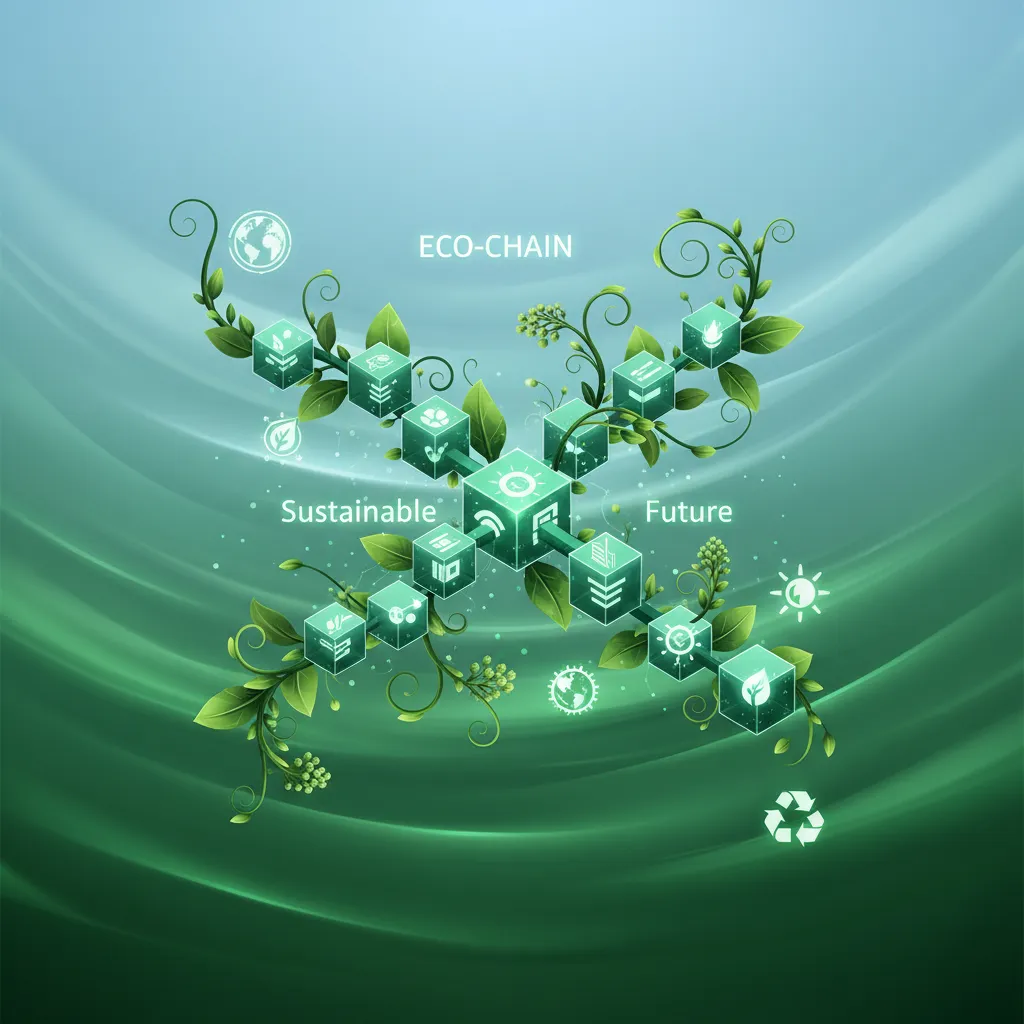
As environmental concerns take center stage, Web3 Event Marketing is pivoting toward sustainable, “green” blockchains. Modern organizers prioritize Layer-2 solutions or Proof-of-Stake (PoS) networks that consume minimal energy. By minting tickets and collectibles on eco-friendly ledgers, brands can authentically commit to Sustainable Branding Strategies without sacrificing technological innovation. This transparent record of environmental responsibility appeals to the values-driven Gen Z and Millennial demographics, proving that high-tech events do not have to come at a high ecological cost.
Real-Time Tokenized Feedback and Sentiment Mapping
Traditional post-event surveys often suffer from low response rates. Web3 Event Marketing solves this by tokenizing feedback. Attendees are incentivized with “Proof of Contribution” tokens or small amounts of utility cryptocurrency for participating in real-time sentiment polling during keynotes. These responses are recorded on-chain, providing organizers with an immutable heat map of attendee engagement. This real-time data allows for immediate pivots—such as adjusting the cooling system or shifting a popular breakout session to a larger hall—ensuring the event remains hyper-responsive to the audience’s needs.
AI-Driven Personalization in Decentralized Networking

The integration of AI in everyday life is now enhancing the social layer of Web3 Event Marketing. AI algorithms can analyze an attendee’s on-chain wallet history—identifying the types of DAOs they belong to or the NFTs they hold—to suggest highly relevant networking matches. Unlike traditional apps that rely on manual profiles, this decentralized identity approach uses verified behavioral data to connect potential business partners. This ensures that a Mastering Digital Marketing professional is paired with exactly the right technical lead or investor, significantly increasing the “serendipity ROI” of the gathering.
FAQ
How does Web3 Event Marketing improve event security?
Web3 Event Marketing utilizes blockchain’s immutable ledger to prevent ticket duplication and fraud. Each ticket is a unique NFT that cannot be forged. Furthermore, wallet signatures replace easily hackable passwords, ensuring that only the verified owner of a digital asset can gain access to the venue or restricted content.
Can Web3 tools help in repurposing content after the event?
Absolutely. By hosting parts of the event in the metaverse, organizers can easily record 3D interactions. These can be used for repurposing content, turning a live keynote into an evergreen 3D walkthrough or a series of limited-edition NFT video highlights—strategies often highlighted in any International Marketing Trends Guide—that continue to generate brand awareness long after the event ends.
What are the cost implications of switching to blockchain ticketing?
While there is an initial setup cost for smart contracts, Web3 Event Marketing significantly reduces long-term administrative overhead. By automating resales and royalty distributions via code, organizers eliminate the need for third-party clearinghouses and expensive manual fraud-prevention teams.
How do DAOs ensure a more inclusive brand strategy?
DAOs democratize the planning process. By allowing token holders from diverse backgrounds to vote on speakers and topics, organizers ensure their event reflects Inclusive Brand Strategies. This bottom-up approach prevents “echo chambers” and fosters a community that feels a genuine sense of collective ownership.
Is it possible to track the ROI of an influencer marketing campaign in Web3?
Yes. Web3 Event Marketing allows for precise on-chain tracking. When influencers share a minting link, every ticket sold is recorded on the blockchain. This provides a transparent, real-time report on the ROI of Influencer Marketing, showing exactly how many sales each partner generated.
What is “Token Gating” and how does it benefit sponsors?
Token gating involves restricting access to specific areas or content based on the tokens in a user’s wallet. For sponsors, this is a game-changer; they can distribute exclusive NFTs to a target group and then “gate” a VIP lounge or a special digital download, ensuring they engage with the most qualified leads.
How does the metaverse enhance the hybrid event experience?
The metaverse allows remote participants to do more than just watch a screen. In a Web3 Event Marketing framework, virtual attendees can walk through 3D expo halls, interact with avatars, and participate in gamified branding experiences, making the digital side of a hybrid event just as “present” as the physical one.
What role does “Nostalgia in Digital Branding” play in Web3 events?
Organizers use Nostalgia in Digital Branding by minting digital collectibles that mimic “retro” physical tickets or concert posters. These NFTs act as digital scrapbooks, tapping into the attendees’ emotional connection to past events while providing the modern benefits of verifiable digital ownership.
How do smart contracts handle ticket resales on the secondary market?
Smart contracts can be programmed with specific rules, such as a “price ceiling” to prevent scalping. Additionally, a percentage of every secondary sale can be automatically sent back to the organizer as a royalty, creating a new, recurring revenue stream that was impossible with paper tickets.
What is the first step for a brand to start with Web3 Event Marketing?
The first step is defining your brand positioning within the decentralized space. Organizers should identify which problem they are solving—such as fraud or lack of engagement—and then choose the right “digital asset” (like an NFT pass or a DAO governance token) to address that specific need.
Conclusion
Embracing Web3 Event Marketing enables today’s organizers to deliver transparent, secure, and deeply engaging experiences. From blockchain-native ticketing that eliminates fraud to NFT-driven loyalty programs, decentralized governance, and metaverse-enhanced hybrid events, these strategies—coupled with AI event marketing personalization—usher in a new era of community-centric engagement. By leveraging authoritative frameworks and open standards, brands can build trust, unlock recurring revenue, and future-proof their events in today’s rapidly evolving digital landscape. Now is the moment to integrate these tools and lead the next generation of experiential marketing.