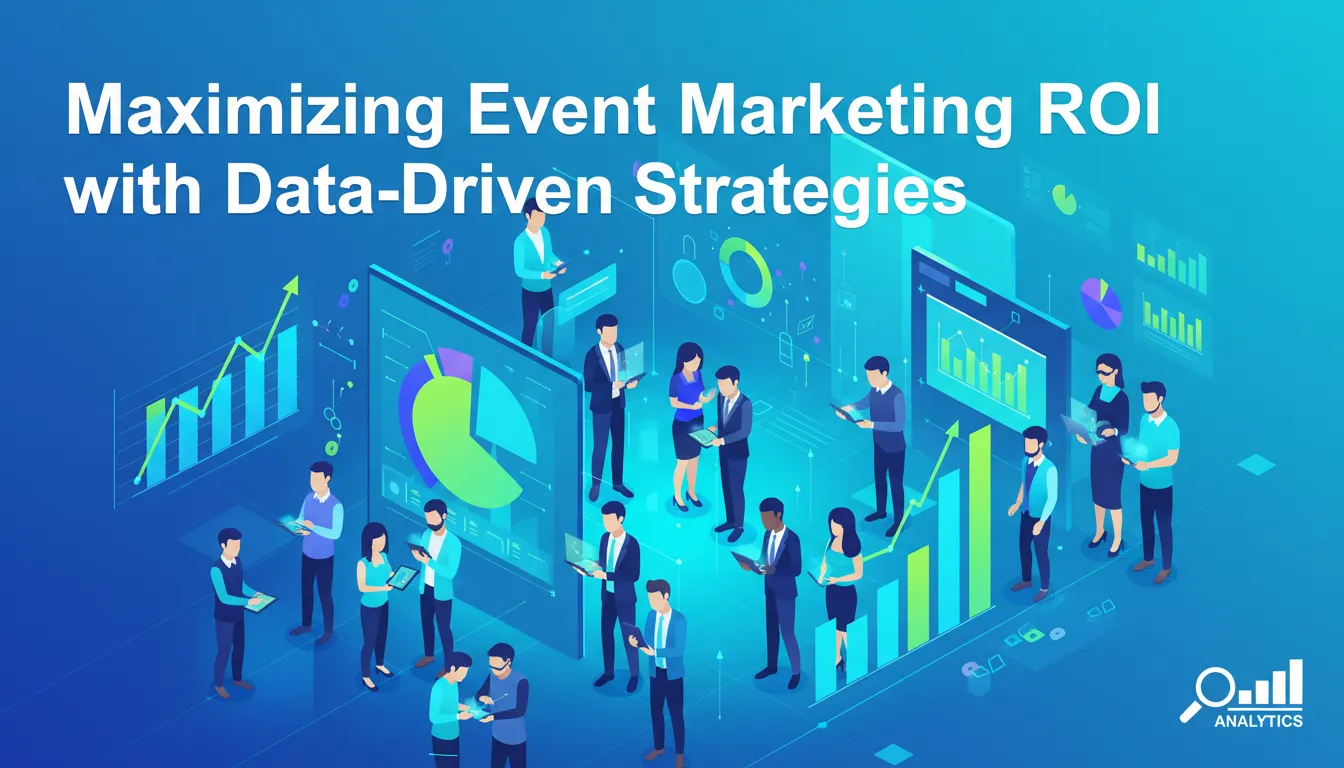
Maximizing event marketing ROI in today’s landscape requires a transition from intuition-based planning to a rigorous, data-driven framework. By establishing quantifiable Key Performance Indicators (KPIs), developing hyper-personalized audience personas, and optimizing every stage of the marketing funnel, organizers can significantly reduce waste and boost conversions. Leveraging real-time analytics and automation allows for agile budget shifts and seamless attendee nurturing, while comprehensive post-event audits provide the necessary insights to refine future strategies and ensure long-term revenue growth.
In today’s digital landscape, maximizing event marketing ROI is more critical than ever. With budgets under scrutiny and competition for attention intensifying, event organizers are turning to data-driven strategies to ensure every dollar spent translates into measurable outcomes. By grounding your promotional plans in solid analytics, you gain clarity on audience behavior, ad performance, and the channels that truly move the needle. Adopting a systematic, metric-oriented approach can transform your event from a cost center into a revenue generator.
Throughout this article, we’ll explore a comprehensive framework for driving higher returns on your event marketing investments. You’ll learn how to define clear objectives, segment audiences for targeted outreach, optimize each stage of the marketing funnel, leverage real-time analytics and automation, and conduct rigorous post-event evaluation. Whether you’re planning a large-scale conference, a virtual summit, or a niche workshop, these tactics will help you refine your strategy, reduce waste, and consistently lift your event marketing ROI.
Defining Strategic Objectives for Event Success
At the core of any profitable event campaign lies a set of well-defined goals. Rather than relying on vague aspirations like “boost attendance” or “generate buzz,” you need concrete, quantifiable targets. Establishing precise objectives not only guides your planning but also provides a clear benchmark for assessing performance.
Identifying Key Performance Indicators
Start by selecting metrics that align with your broader business aims. Common examples include:
- Cost Per Lead (CPL): Calculated by dividing total marketing spend by the number of qualified leads acquired.
- Lead-to-Customer Rate: Measure what percentage of event registrants ultimately convert to paying customers.
- Revenue Per Attendee: Divide total event revenue by the official attendance count to determine average yield.
- Engagement Rate: Track session check-ins, poll participation, or chat interactions as a reflection of attendee involvement.
- Post-Event Conversion: Gauge follow-up actions such as product trials, demo requests, or partnership signups.
Aligning Goals with Resources
Once you’ve chosen your KPIs, map them to specific budget lines and timelines. For instance, if your primary objective is to secure 300 qualified leads at a CPL below $50, allocate more spend to top-performing channels and set a clear deadline for review. Creating this tight linkage between goals and resources prevents overspend on ineffective tactics and maintains focus on driving event marketing ROI.
Building a Results-Oriented Culture
Encourage your team to adopt an outcomes-first mindset. Regularly share performance dashboards with stakeholders so everyone understands progress against targets. By fostering transparency and accountability, you empower team members to pivot quickly when metrics indicate a need for course correction. Remember, consistent evaluation against your strategic objectives is the foundation of sustainable ROI growth.
Crafting Audience Personas and Targeted Outreach

In today’s crowded media environment, a one-size-fits-all message rarely cuts through the noise. To maximize event marketing ROI, you need to know precisely who you’re speaking to and what motivates them. That’s where detailed audience segmentation and persona development come into play.
Gathering and Analyzing Data
Leverage your CRM, past attendee records, and website analytics to assemble demographic and behavioral profiles. Consider factors such as:
- Professional Role: CEO, manager, specialist, or technical contributor.
- Industry Sector: Healthcare, finance, education, technology, government.
- Engagement History: Prior event attendance, content downloads, or webinar participation.
- Preferred Learning Style: In-person networking, virtual sessions, and on-demand resources.
Creating Detailed Personas
Once you’ve segmented your database, build 3–5 representative personas. Give each a name, role description, key pain points, and expected event benefits. For example, “Executive Ellen” may value high-level strategy sessions and VIP networking, while “Developer Dave” seeks hands-on workshops and technical deep dives. Document their likely channels—LinkedIn, email, or targeted display ads—to craft communications that resonate.
Personalizing Your Messaging
With personas in place, tailor your creative and content for each group. Use dynamic email templates that adjust headlines and calls to action based on recipient attributes. Deploy retargeting ads featuring testimonials or session highlights relevant to specific segments. This hyper-focused approach not only improves engagement rates but also reduces wasted ad spend—directly boosting your event marketing ROI.
For guidance on data privacy best practices when handling customer information, consult the U.S. government’s resources at USA.gov Privacy and the latest research on consumer data behavior from Pew Research Center.
Optimizing the Event Marketing Funnel
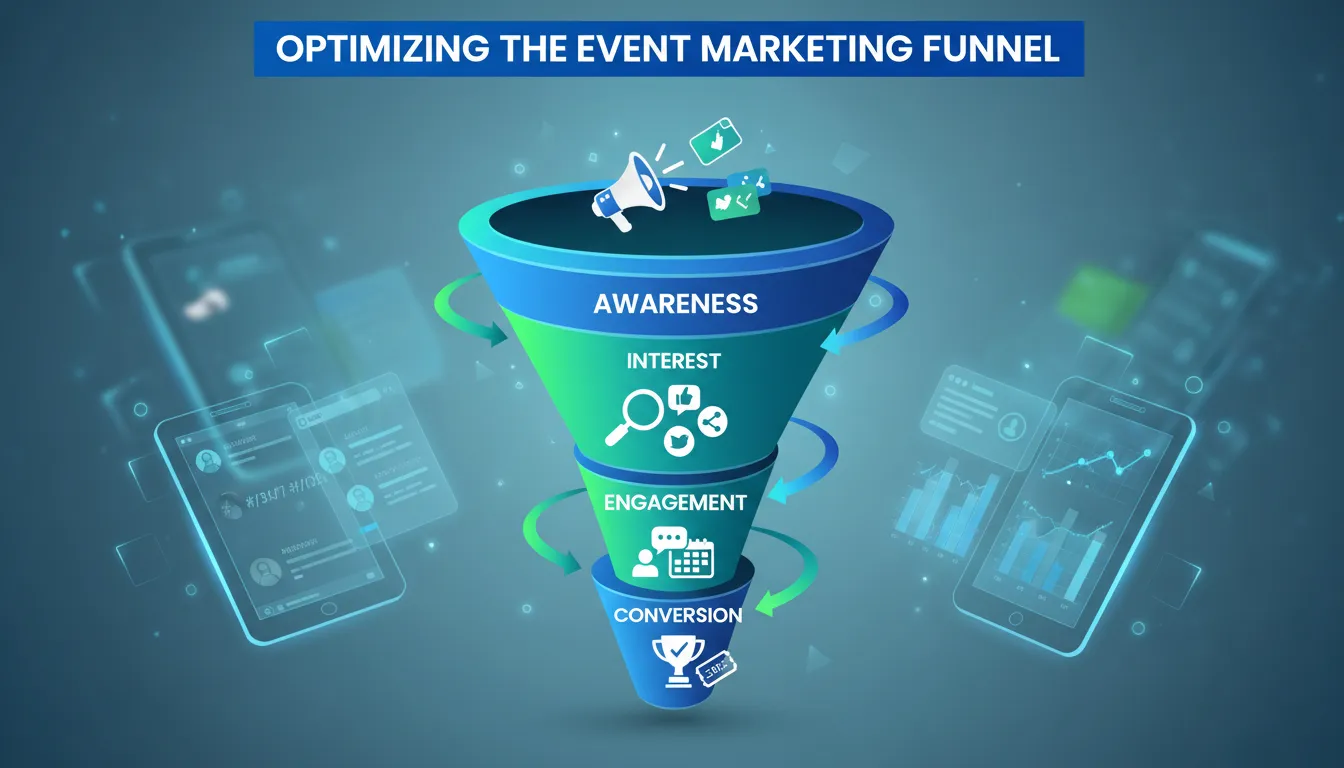
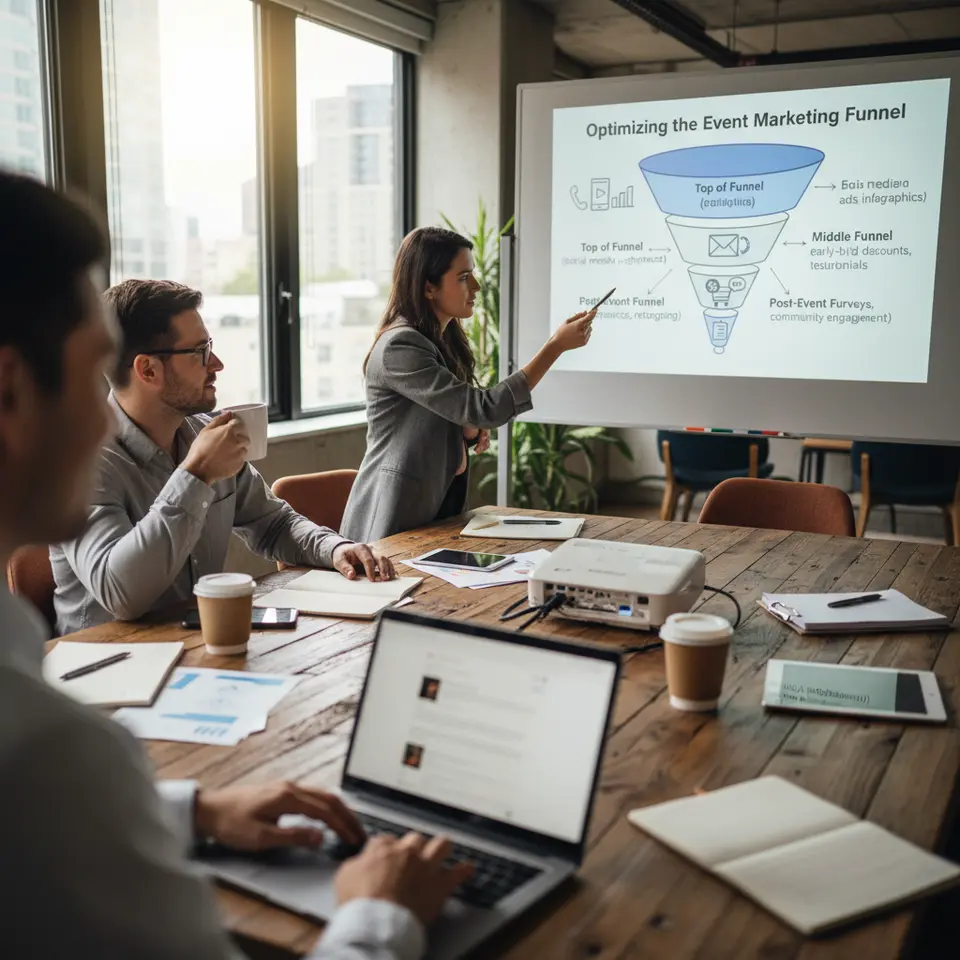
Think of your marketing funnel as a guided journey that escorts prospects from initial awareness all the way to post-event loyalty. By refining each funnel stage, you can minimize drop-offs, boost conversions, and elevate your overall event marketing ROI.
Top of Funnel: Building Awareness
In the awareness stage, you want to cast a wide net. Use social media ads, sponsored content, and influencer partnerships to introduce your event to a broad but relevant audience. Blend formats—short videos, infographics, and blog posts—to capture interest across different channels. Always include a clear call to action that drives visitors to an optimized landing page designed for quick registrations.
Middle of Funnel: Nurturing Interest
Once prospects opt in, employ a multi-touch email sequence or retargeting strategy. Share valuable assets such as executive interviews, session sneak peeks, or downloadable guides. Use A/B testing on subject lines and creative to refine messaging. By educating and engaging prospects on topics that directly address their pain points, you lay the groundwork for higher conversion rates.
Bottom of Funnel: Driving Decision
At the decision stage, emphasize urgency and social proof. Offer early-bird discounts, bundle packages, or last-chance ticket options. Showcase testimonials, case studies, or on-demand session clips to alleviate skepticism. Implement live chat or chatbots to answer pressing questions in real time. All these tactics serve to accelerate commitment and secure registrations.
Post-Event Funnel: Encouraging Retention
The journey doesn’t end when the event concludes. Deploy surveys, on-demand recordings, and exclusive follow-up offers to extend engagement. Invite attendees to join a community forum or subscribe to a specialized newsletter. These actions help transform one-time participants into brand advocates and contribute further to your long-term event marketing ROI.
Harnessing Real-Time Analytics and Automation
Monitoring performance in real time empowers you to make data-backed decisions on the fly. Coupling analytics with marketing automation can streamline workflows, eliminate manual bottlenecks, and enhance the attendee experience.
Key Analytics Tools
- Google Analytics: Track traffic sources, bounce rates, and goal completions by integrating your event landing pages with the platform. Learn more at Google Analytics.
- Ad Platform Insights: Use Facebook Pixel and LinkedIn Insight Tag to monitor ad click-through rates, cost per acquisition, and demographic breakdowns.
- Email Marketing Dashboards: Examine open rates, click-to-open ratios, and unsubscribes to fine-tune your messaging cadence and content.
Dynamic Budget Allocation
Apply a test-and-adjust approach to your ad spend. If certain ad sets or channels are exceeding your target cost per registration, shift budget in real time to the highest-performing segments. Automated rules in platforms like Google Ads or Facebook Ads Manager can pause underperforming campaigns and increase bids for ads hitting efficiency benchmarks.
Marketing Automation Workflows
Automation platforms such as HubSpot, Marketo, or ActiveCampaign let you set up rules that trigger emails, SMS alerts, or reminders based on user behavior. Common workflows include:
- Lead Scoring: Assign points for actions like form submissions or content downloads, then route high-value leads automatically to sales teams.
- Drip Email Sequences: Send progressive messages leading up to the event, delivering relevant resources and reminders.
- Post-Event Follow-Ups: Dispatch session surveys, replay links, and upsell offers to maintain momentum.
Post-Event Analysis and Continuous Improvement

After the final keynote or last virtual breakout, your focus should shift to measurement and refinement. A thorough post-event audit ensures you capture every lesson learned and systematically improve your next campaign’s ROI.
Consolidating Your Data
Bring together metrics from all platforms—event registration systems, ad accounts, email services, and live polling tools. Use a centralized dashboard or business intelligence solution to compare actual results against your original KPIs. Key metrics include:
- ROI Calculation: (Total Revenue – Total Cost) / Total Cost.
- Lead Quality: Percentage of marketing-qualified leads that convert to revenue.
- Engagement Scores: Average session rating or net promoter score (NPS).
Conducting a Debrief
Host an internal session where marketing, sales, operations, and content teams discuss outcomes. Identify which channels exceeded targets and which fell short. Ask hard questions: Where did prospects drop off? Did certain session formats outperform others? Capturing these insights fosters a culture of continuous improvement.
Experimenting for Future Growth
Use a test-and-learn approach to validate new ideas. Run small-scale experiments—subject-line variations, different landing page layouts, alternative pricing tiers—and measure results using consistent benchmarks. Scale up successful tactics while phasing out underperformers. Over time, this iterative mindset sharpens your strategies and systematically elevates your event marketing ROI.
FAQ
What is the most effective way to calculate event marketing ROI?
The standard formula is (Total Revenue – Total Cost) / Total Cost. However, to get a comprehensive view, you should also factor in “soft ROI” such as brand perception in marketing, long-term lead value, and the cost savings associated with automated workflows versus manual labor.
How do audience personas directly impact my event’s financial return?
Detailed personas prevent “spray and pray” advertising. By knowing your audience’s specific pain points, you can tailor your branded content marketing to resonate deeply with high-intent segments. This reduces ad spend on uninterested parties and increases the conversion rate of your registration pages, directly lowering your Cost Per Lead (CPL).
Which real-time metrics should I monitor during a live campaign?
Focus on registration velocity, ad click-through rates (CTR), and email open rates. Monitoring these in real-time allows you to perform integrated marketing pivots—such as shifting budget from an underperforming social platform to a high-converting search ad—to protect your ROI before the campaign ends.
Can chatbots and AI really improve my event’s bottom line?
Yes. Chatbots for event engagement provide instant answers to potential registrants, reducing “friction” at the bottom of the funnel. By resolving doubts about pricing or schedules immediately, you prevent lead abandonment, ensuring a higher percentage of interested visitors become paid attendees.
How does influencer marketing fit into a data-driven ROI strategy?
When using influencer marketing, provide creators with trackable affiliate links. This allows you to measure exactly why influencer marketing works for your specific niche by comparing their conversion data against traditional display ads. This clear attribution is essential for justifying influencer spend in your budget.
What role does “social proof” play in increasing event revenue?
Incorporating digital marketing success stories and past attendee testimonials acts as a powerful psychological trigger. Showing “Executive Ellen” or “Developer Dave” that peers in their industry found value in your event reduces the perceived risk of the purchase, accelerating the decision-making stage of the funnel.
How can I maintain ROI after the event has concluded?
The post-event stage is vital for retention. Use automation to distribute session recordings and exclusive offers to attendees. This turns a one-time participant into a recurring lead, increasing the Customer Lifetime Value (CLV) and spreading the initial acquisition cost over multiple events.
Is it worth investing in expensive SEO tools for event promotion?
Utilizing platforms like SEMrush or Ahrefs helps you identify the organic search terms your target audience uses. Ranking for these terms provides “free” traffic to your registration page, which drastically improves your overall ROI by reducing your reliance on paid media.
How do I handle negative data in a post-event debrief?
View underperforming metrics as an “optimization map.” If your Lead-to-Customer Rate was low, it indicates a disconnect between your marketing message and the actual event content. Use these insights to refine your brand positioning for the next cycle, ensuring better alignment and higher future returns.
What is the first step for a brand to improve its event ROI this year?
The first step is a technical audit of your tracking. Ensure Google Analytics and your CRM are correctly capturing every touchpoint. You cannot improve what you cannot measure; therefore, clean data is the prerequisite for any integrated marketing success.
Conclusion
In an environment where scrutiny on marketing budgets is fierce, adopting a data-driven approach to events is not optional—it’s essential. By setting precise objectives, developing detailed audience personas, optimizing every stage of your funnel, leveraging real-time analytics, and rigorously analyzing results, you can drive consistent improvements in event marketing ROI. Today, these tactics help you reduce wasteful spending, enhance attendee satisfaction, and generate lasting revenue streams.
Start implementing this framework to transform your event campaigns into high-performing revenue engines. The insights you gather and the optimizations you make will not only benefit your next event but will also establish a blueprint for ongoing success in today’s competitive marketplace.