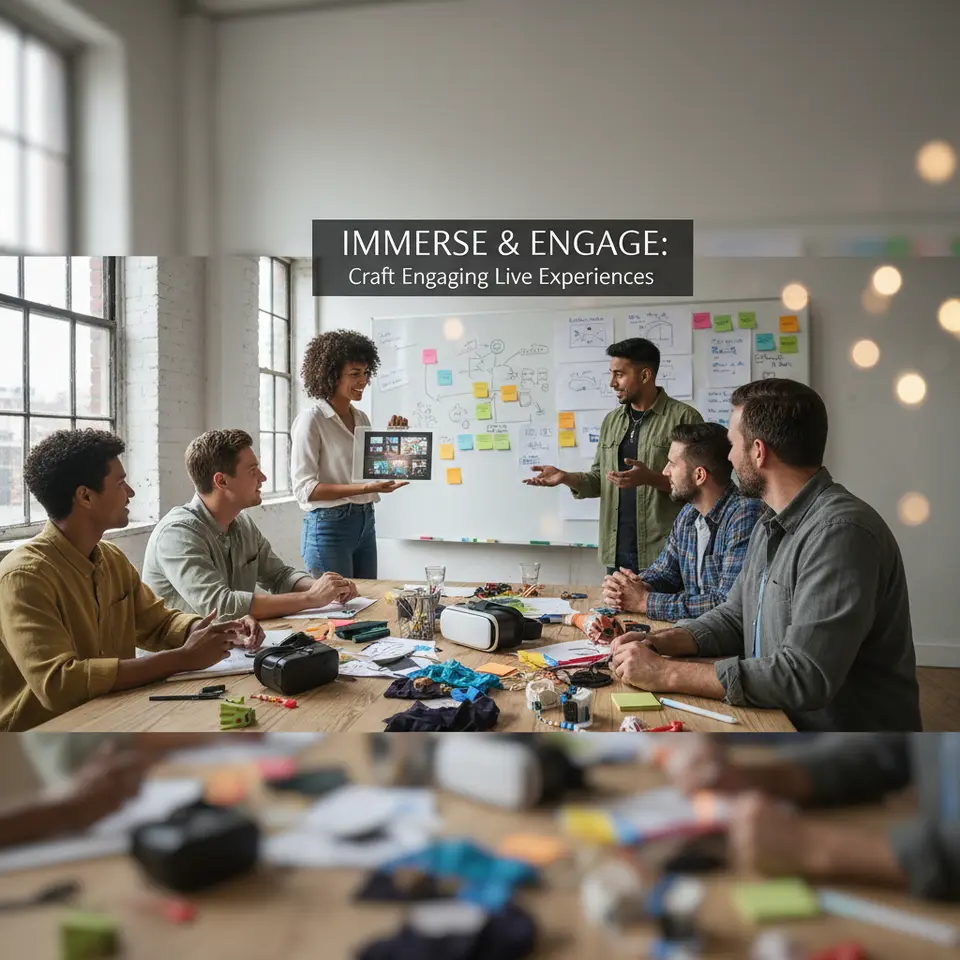
In today’s digital landscape, brands grapple with the challenge of capturing attention in a sea of competing messages. Passive experiences no longer satisfy audiences’ craving for deeper engagement, emotional resonance, and memorable interactions. Immersive Event Marketing offers a powerful solution by weaving storytelling, sensory stimulation, and interactive design into live gatherings. This year, organizations are tapping into this innovative approach to create dynamic brand touchpoints that linger in attendees’ minds long after the lights dim and the final applause fades.
By blending multi-sensory elements—sight, sound, touch, and even smell or taste—with narrative-driven programming, immersive events transform ordinary meetings and product launches into captivating experiences. These live activations not only strengthen emotional connections but also drive organic word-of-mouth, amplify social media buzz, and generate high-quality leads. In this comprehensive guide, we will explore how to design, promote, and execute immersive events that resonate with your audience, deliver measurable results, and elevate your brand presence.
Whether you are planning a large-scale conference, a product showcase, or an exclusive VIP gathering, understanding the principles behind immersive engagement is essential. We will dive into why these experiences matter, how to gain deep audience insights, which cutting-edge technologies to leverage, strategies for pre-event promotion, on-site engagement tactics, and methods for post-event follow-up and ROI measurement. Let’s embark on this journey to transform your live events into unforgettable brand experiences.
Why Immersive Experiences Matter
Breaking Through Information Overload
In an era where consumers are bombarded with thousands of marketing messages each day, traditional one-way communication often falls flat. Immersive Event Marketing breaks the mold by offering multi-sensory stimulation that engages attendees on multiple levels. According to studies at Harvard University, experiences that involve more than one sense can boost recall rates by up to 70%. By appealing to sight, sound, and touch simultaneously, your event cuts through the noise and secures a foothold in your audience’s memory.
Building Emotional Connections
Emotions play a pivotal role in decision-making and brand loyalty. When attendees actively participate in immersive experiences—whether by interacting with augmented reality stations, exploring thematic installations, or engaging in live storytelling—they form personal connections that transcend a typical trade show booth or keynote speech. These emotional bonds foster trust, encourage repeat engagement, and turn passive spectators into enthusiastic brand advocates.
Driving Organic Amplification
Immersive events naturally generate social media buzz as attendees share photos, videos, and live updates. Creating unique, Instagrammable moments—like projection-mapped backdrops or interactive graffiti walls—encourages user-generated content that extends your reach far beyond the event footprint. This organic amplification is not only cost-effective but also authentic, as potential customers often trust peer recommendations more than traditional ads.
Harnessing Cutting-Edge Technologies

Augmented and Virtual Reality Integration
AR and VR technologies open new dimensions for Immersive Event Marketing. Augmented reality apps can overlay digital content onto physical spaces, allowing attendees to interact with virtual models, product demonstrations, or branded animations by simply pointing their smartphones. Virtual reality headsets transport guests into entirely new environments—whether it’s a simulated factory tour or a gamified brand narrative. These immersive layers delight attendees and deepen their understanding of complex products or messages.
Interactive Projection Mapping and Holographics
Projection mapping can transform blank surfaces into dynamic storyboards, while holographic displays render three-dimensional messages that appear to float in midair. These visually stunning effects not only capture attention but also reinforce brand storytelling. For example, using projection mapping to animate your logo onto stage elements or displaying holographic keynotes can elevate presentations to cinematic levels.
Seamless Tech Integration
Any technology you choose should enhance—not hinder—the visitor journey. Conduct thorough technical rehearsals to ensure smooth operation, provide clear signage for any device-based interactions, and offer on-site technical support. The goal is a flawless blend of physical and digital touchpoints, creating an uninterrupted immersive flow from entry to exit.
Gaining Deep Audience Understanding and Strategic Pre-Event Planning
Leveraging Surveys and Feedback
The foundation of successful Immersive Event Marketing lies in truly knowing your audience. Begin by distributing pre-event surveys that uncover attendees’ preferences, pain points, and expectations. Ask targeted questions about their desired takeaways, comfort with technology, and thematic interests. Collecting this data early enables you to tailor every aspect of the experience—from content modules to ambient design—to meet real needs and spark genuine enthusiasm.
Analyzing Digital Behavior
Today, a wealth of insights can be gathered from online interactions. Examine website analytics, social media behaviors, and email engagement metrics to identify topics and formats that resonate most with your target segments. Tools like Google Analytics and social listening platforms offer deep dives into what attendees are discussing, sharing, and clicking, helping you craft immersive concepts that align with their digital footprints.
Segmenting for Personalization
Not all attendees are the same, and one-size-fits-all events rarely achieve the highest impact. Use demographic data and behavioral patterns to create distinct segments—such as early adopters, corporate decision-makers, or tech enthusiasts—and design customized journeys for each group. Personalized invitations, targeted content tracks, and tailored on-site activations ensure every guest feels that the experience was crafted specifically for them, driving satisfaction and word-of-mouth recommendations.
Crafting a Multi-Channel Teaser Campaign
Generating excitement before a live experience is crucial to driving attendance. Develop a teaser campaign that spans email, social media, paid search, and partner channels. Use countdown visuals, behind-the-scenes stories, and short video snippets that hint at your immersive elements—whether it’s a glimpse of an AR activation or a teaser for a multisensory lounge. Early-bird pricing and VIP pass bundles can further incentivize prompt registration and commitment.
Partnering with Influencers and Ambassadors
Influencer partnerships can amplify your message to targeted communities. Collaborate with industry thought leaders or local personalities who align with your brand values to share pre-event content, host live Q&A sessions, or participate in exclusive previews. Their endorsements lend credibility and can significantly broaden your reach.
Creating a Branded Hashtag and Engagement Challenges
Establish a memorable, short branded hashtag to unify all event-related conversations on social platforms. Encourage attendees to participate in pre-event challenges—such as photo contests or trivia quizzes tied to your theme—and reward winners with special access or branded swag. This strategy fosters early engagement, fuels user-generated content, and builds community anticipation.
Engaging Attendees On-Site and Post-Event Follow-Up
Designing a Seamless Attendee Journey
Upon arrival, attendees should feel guided through a thoughtfully choreographed pathway. Employ clear signage, digital wayfinding tools, and interactive maps to help guests navigate from registration to main stages, breakout zones, and networking lounges. A mobile event app with real-time updates, personalized agendas, and push notifications enhances convenience and ensures participants never miss key moments.
Introducing Gamification and Interactive Stations
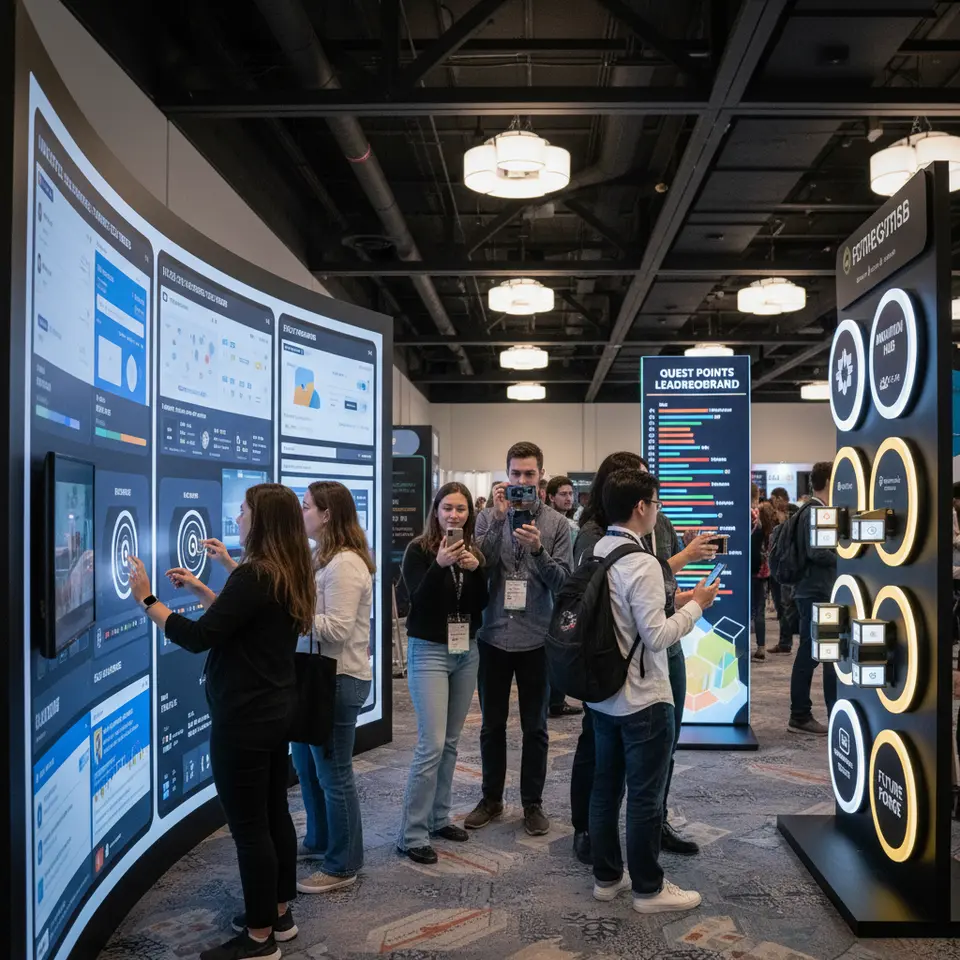
Gamified elements—such as scavenger hunts, point-scoring challenges, or AR-enabled quests—motivate exploration and social sharing. Interactive stations like touch-sensitive walls, live polling displays, and RFID-enabled networking areas encourage hands-on involvement and data capture. These features not only entertain but also provide valuable insights into attendee preferences and behavior.
Leveraging Live Storytelling and Performances
Immersive Event Marketing thrives on narrative arcs that guide guests through a coherent story. Incorporate live performers, immersive theater, or staged demonstrations that align with your brand narrative. For instance, a themed flash mob or live diagnostic demo can serve as both entertainment and a powerful message, driving deeper understanding and emotional resonance.
Real-Time Feedback and Adaptation
Use on-site surveys, live polling, and social media monitoring to gather immediate feedback. If a certain activation underperforms, adjust staffing levels, reconfigure layouts, or pivot content in real time. This agile approach ensures the experience remains fresh, relevant, and engaging throughout the event duration.
Personalized Thank-You Communications
The relationship with attendees extends well beyond event close. Within 24–48 hours, send personalized thank-you emails featuring curated photo galleries, highlight reels, and key takeaways. Include clear calls to action that guide recipients to download whitepapers, schedule demos, or join loyalty programs. These follow-ups reinforce the immersive experience and drive next-step engagement.
Quantifying Engagement and Conversion Metrics
To calculate the return on investment for your immersive event, track metrics such as attendance rates, session dwell times, activation participation levels, social media impressions, and lead conversions. Employ analytics tools and CRM integrations to align on-site interactions with pipeline progression, providing a holistic view of event performance against your marketing and sales objectives.
Gathering Insights for Continuous Improvement
Conduct post-event debriefs with your team, partners, and key stakeholders to analyze what worked and where challenges arose. Document lessons learned, attendee feedback, and technology performance data to refine your approach for future Immersive Event Marketing initiatives. This commitment to continuous improvement will elevate each subsequent event, ensuring you stay ahead in today’s dynamic market.
FAQs
1. What is immersive event marketing?
Immersive event marketing is a strategy that combines storytelling, sensory design, and interactive technology to create engaging live or hybrid experiences. It helps brands connect emotionally with audiences through participation, not passive observation.
2. Why is immersive event marketing effective?
It is effective because it engages multiple senses and emotions simultaneously. This increases memory retention, brand recall, and emotional connection, leading to stronger customer relationships and higher conversion rates.
3. What technologies are used in immersive events?
Common technologies include augmented reality (AR), virtual reality (VR), projection mapping, holograms, RFID tracking, mobile apps, and AI-powered engagement tools. These enhance interactivity and personalization.
4. How does storytelling improve immersive events?
Storytelling provides structure and emotional depth to events. It guides attendees through a narrative journey, making the experience more meaningful, memorable, and aligned with brand messaging.
5. What is the role of gamification in immersive events?
Gamification increases engagement by adding game-like elements such as points, challenges, and rewards. It motivates attendees to interact more actively with event content and explore all areas.
6. How can brands measure event ROI?
Brands can measure ROI using attendance data, engagement metrics, lead generation, sales conversions, social media reach, and post-event customer actions tracked through CRM systems.
7. What are hybrid immersive events?
Hybrid immersive events combine physical and virtual participation. They allow both in-person and online audiences to engage with content, increasing reach and accessibility.
8. How important is audience personalization?
Personalization is crucial because it ensures each attendee receives relevant content and experiences. It increases satisfaction, engagement, and the likelihood of conversion or follow-up actions.
9. What challenges exist in immersive event marketing?
Challenges include high production costs, technical complexity, data privacy concerns, and ensuring smooth integration of digital and physical elements without disrupting user experience.
10. How can small brands use immersive marketing?
Small brands can use cost-effective immersive tactics such as interactive pop-ups, AR filters, social media activations, and storytelling-based micro-events to create strong engagement without large budgets.
Conclusion
Immersive Event Marketing represents a transformative way to engage audiences, foster emotional connections, and amplify brand impact in today’s crowded environment. By combining deep audience insights, compelling narratives, and state-of-the-art technologies, you can craft experiences that resonate on a personal level and drive tangible business results. From meticulous pre-event promotion to seamless on-site activations and data-driven post-event follow-up, every stage of the journey plays a vital role in maximizing ROI. Start experimenting with immersive elements today, and witness your live events evolve into powerful catalysts for engagement, loyalty, and sustained growth.