This comprehensive guide outlines the essential phases of event promotion, from initial goal setting to post-event analysis. You will discover actionable tactics for budgeting, social media promotion, and email outreach. We also cover common pitfalls to avoid, expert insights, and a detailed comparison of promotional channels to help you maximize attendance and return on investment.
Organizing a memorable gathering starts long before the doors open. If you want a packed room and high engagement, you need a strategic approach. Knowing how to create a marketing plan for an event is the difference between empty seats and a sold-out experience. This guide breaks down the exact steps to build a promotional roadmap that captures attention, generates excitement, and drives ticket sales. You will learn to navigate audience targeting, budget allocation, and multi-channel promotion to ensure your next gathering is a massive success.
Understanding How to Create a Marketing Plan for an Event
Building a successful promotional strategy requires a deep understanding of your brand, your audience, and your core objectives. When you figure out how to create a marketing plan for an event, you transition from hoping people show up to predictably driving registrations. A structured plan keeps your team aligned, prevents budget waste, and ensures every promotional message hits the mark.
A solid framework acts as the central nervous system of your campaign. It dictates when you send emails, what type of content goes on social media, and how you engage with potential sponsors. Without this blueprint, promotional efforts become scattered and ineffective. Let us explore the foundational steps required to build a highly converting strategy.
Phase 1: Pre-Planning and Goal Setting
Every successful campaign starts with clarity. Before you spend a single dollar on ads or write your first promotional email, you need to establish exactly what you want to achieve and who you want to reach.
Define Your Target Audience
You cannot market to everyone. Identifying your ideal attendee is the most critical step in your strategy. Look at your past data or conduct market research to understand the demographics, interests, and pain points of the people most likely to attend. Create detailed attendee personas. Are they corporate executives looking for networking opportunities? Are they creatives seeking inspiration?
By understanding their motivations, you can tailor your messaging perfectly. Speak directly to their specific needs. Highlight exactly what they will gain by attending. If your target audience consists of busy professionals, emphasize time-saving insights and high-level networking.
Establish SMART Goals
Vague goals like “getting more attendees” will not help you measure success. Instead, use the SMART framework: Specific, Measurable, Achievable, Relevant, and Time-bound.
For example, a SMART goal might be “Secure 500 early-bird registrations by October 15th through targeted email campaigns and social media ads.” This gives your team a clear target and a deadline. It also allows you to calculate your return on investment accurately. Tie your event goals directly to your broader business objectives, such as lead generation or brand awareness.
Phase 2: Budgeting and Resource Allocation
Your budget dictates the scale and scope of your promotional efforts. Allocating your funds wisely ensures you get the maximum return on your investment without overspending.
Categorizing Your Event Marketing Budget
Divide your budget into clear categories to maintain financial control. The primary categories usually include digital advertising, content creation, software tools, and traditional media.
Digital advertising covers pay-per-click ads, social media sponsorships, and retargeting campaigns. Content creation includes graphic design, video production, and copywriting. Software tools might involve purchasing an event registration software to streamline the ticketing process or upgrading your email marketing automation platform.
Track every expense meticulously. Leave a contingency fund of about ten to fifteen percent for unexpected costs. Sometimes a particular ad channel performs exceptionally well, and you will want extra funds to scale that specific campaign quickly.
Phase 3: Crafting the Promotional Strategy
With goals and budgets set, you can build the engine of your campaign. A multi-channel approach ensures you reach your audience wherever they spend their time online.
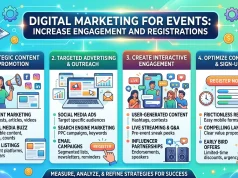
Leveraging Email Marketing
Email remains one of the highest-converting channels for event promotion. Start by segmenting your email list based on past behavior, industry, or engagement levels. Send personalized invitations rather than generic blasts.
Create a dedicated email timeline. Begin with a “Save the Date” announcement months in advance. Follow up with early-bird pricing offers, speaker announcements, and final countdown reminders. Use compelling subject lines to increase open rates. Make sure your call-to-action is clear and directs users to a highly optimized landing page.
Social Media and Content Marketing
Social media allows you to build a community around your gathering. Choose the platforms where your audience is most active. LinkedIn is ideal for B2B conferences, while Instagram and TikTok work brilliantly for consumer festivals and experiential brand activations.
Create a unique, memorable event hashtag and encourage early registrants to use it. Share behind-the-scenes content, speaker interviews, and interactive polls to build anticipation. Content marketing, such as publishing blog posts related to your event’s theme, helps drive organic search traffic. When you publish high-quality articles, you position your brand as an authority, naturally drawing interested readers to your registration page.
Paid Advertising and Partnerships
While organic reach is valuable, paid advertising guarantees visibility. Utilize Google Ads to capture people actively searching for industry events. Use Facebook and LinkedIn ads to target specific job titles, interests, and geographic locations.
Do not overlook the power of partnerships. Collaborate with industry influencers, speakers, and sponsors to tap into their established audiences. Offer your partners pre-written social media posts and custom affiliate links to make promotion as easy as possible for them. When you secure high-value event sponsorships, you not only offset costs but also dramatically expand your promotional reach.
Phase 4: Execution and Timeline Management
Timing is everything in event promotion. A well-structured timeline prevents last-minute panic and ensures a steady stream of registrations.
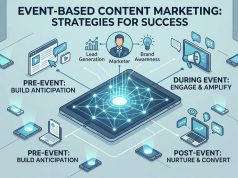
Start marketing at least three to six months in advance, depending on the scale of the gathering. Divide your timeline into phases: awareness, consideration, and conversion. During the awareness phase, focus on broad messaging and saving the date. In the consideration phase, highlight the specific value propositions, such as keynote speakers and networking opportunities. In the final conversion phase, use urgency and scarcity, like ending early-bird discounts or announcing limited remaining seats.
Promotional Channels Comparison
To help you decide where to focus your energy, review this comparison of organic and paid promotional channels.
|
Channel Type |
Strengths |
Best Used For |
Cost Level |
|---|---|---|---|
|
Organic Social Media |
Builds community, fosters engagement, and establishes brand voice. |
Long-term audience building, behind-the-scenes updates. |
Low |
|
Paid Social Ads |
Highly targeted, immediate visibility, scalable. |
Driving direct ticket sales, retargeting website visitors. |
Medium to High |
|
Email Marketing |
High conversion rates, direct communication, and easy personalization. |
Engaging warm leads, past attendees, and subscribers. |
Low to Medium |
|
Search Engine SEO |
Captures high-intent traffic, builds long-term authority. |
Attracting users actively searching for relevant topics. |
Medium (Time-intensive) |
|
Influencer Partnerships |
Leverages borrowed trust, expands reach to niche audiences. |
Reaching new demographics, boosting credibility. |
Medium to High |
Using a mix of these channels creates a robust strategy that covers all bases, ensuring your message reaches the right people at the right time.
Common Mistakes to Avoid When Planning Event Marketing
Even experienced organizers stumble. Avoiding these common errors will save you time, money, and frustration.
First, ignoring mobile optimization is a massive mistake. A significant portion of your audience will view your website and buy tickets via their smartphones. If your registration page is clunky on mobile, you will lose sales. Test the mobile checkout process rigorously.
Second, failing to segment your audience leads to low engagement. Sending the same message to a past attendee and a brand-new prospect is ineffective. Tailor your messaging to reflect the recipient’s relationship with your brand.
Third, neglecting to track data properly leaves you flying blind. You must know where your ticket sales are coming from. Use UTM parameters on all your links to track which social post, email, or ad generated the sale. Check out resources from HubSpot for in-depth guides on setting up proper campaign tracking.
Finally, stopping promotion once the event starts is a missed opportunity. Live updates, real-time photos, and engaging quotes create fear of missing out (FOMO) for those who did not attend, setting you up for success next year.
Pro Tips for Maximizing Event Attendance
To truly elevate your results, consider implementing these advanced strategies.
Create exclusive VIP experiences to drive higher-tier ticket sales. Offer intimate Q&A sessions with keynote speakers or exclusive networking lounges. People are often willing to pay a premium for enhanced access and comfort.
Leverage the power of user-generated content. Encourage your audience to share what they are most excited about. Run a contest where the best post using your event hashtag wins a free ticket upgrade or branded merchandise. This effectively turns your attendees into a decentralized marketing team.
Implement a strong retargeting strategy. Most people will not buy a ticket the first time they visit your website. Use tracking pixels to serve targeted ads to people who visited the registration page but left without purchasing. Remind them of the value they will miss out on.
Finally, prioritize experiential marketing elements. Make your promotional materials interactive. Instead of just a static flyer, use short-form video teasers or interactive quizzes to discover which event track is best for the user. Engaging content always outperforms passive content.
Phase 5: Post-Event Engagement and Analytics
The marketing process does not end when the venue clears out. Post-event marketing is crucial for retaining your audience and gathering data for future campaigns.
Send a post-event survey immediately while the experience is fresh in their minds. Ask what they loved and what could be improved. Send a thank-you email containing a highlight reel video and links to presentation slides. This provides immense ongoing value and keeps your brand top-of-mind.
Measuring ROI and Success
Analyze your data to determine your overall success. Calculate your final return on investment by comparing your total marketing spend against the revenue generated from ticket sales and sponsorships.
Look closely at your engagement metrics. Which emails had the highest open rates? Which social media platform drove the most traffic? Tools like Google Analytics are essential for understanding user behavior on your landing pages. Use these insights to refine your strategy for the next campaign. Continuous improvement is the key to mastering event promotion.
Conclusion
Knowing how to create a marketing plan for an event is the foundation of a memorable, sold-out experience. By setting SMART goals, defining your audience, and executing a multi-channel promotional strategy, you eliminate the guesswork and drive predictable results. Remember to track your data, avoid common pitfalls, and continuously engage your audience before, during, and after the gathering. Start building your strategic roadmap today, and watch your registration numbers climb.
FAQs
What is the first step in creating a marketing plan for an event?
The very first step is defining your goals and your target audience. Before choosing channels or designing ads, you must know exactly what you want to achieve (e.g., 500 ticket sales, brand awareness) and precisely who you are trying to reach. This foundational clarity dictates every subsequent decision you make.
How much of my overall event budget should go toward marketing?
While it varies by industry and scale, a standard rule of thumb is to allocate between 15% and 20% of your total budget to marketing and promotion. If your gathering relies heavily on ticket sales for revenue, you may need to allocate up to 30% to ensure maximum visibility and conversions.
Which social media platform is best for promoting events?
The best platform depends entirely on your target audience. LinkedIn is the premier choice for B2B conferences, trade shows, and professional networking. Instagram and TikTok are highly effective for consumer-facing festivals, concerts, and highly visual brand activations. Facebook remains a strong middle ground due to its robust targeted advertising capabilities.
How far in advance should I start promoting my event?
For large-scale conferences or major festivals, you should begin your promotional efforts six to nine months in advance with “Save the Date” announcements. For mid-sized local gatherings, three to four months is generally sufficient. For small workshops or webinars, four to six weeks provides enough time to build an audience without losing their attention.
What is the most effective way to drive early ticket sales?
The most effective strategy is offering a highly attractive early-bird discount combined with a strict deadline. This creates a sense of urgency and scarcity. Promote this deadline heavily through your email list and retargeting ads to force potential attendees to make a purchasing decision quickly.
How can I track which marketing channels are generating ticket sales?
You must use UTM (Urchin Tracking Module) parameters on all the links you share across emails, social media, and paid ads. When users click these tagged links and purchase a ticket, your analytics software will record exactly which source, medium, and specific campaign drove that conversion.
Should I use paid advertising or rely on organic promotion?
A successful strategy requires both. Organic promotion builds community, trust, and long-term brand authority. However, organic reach is often limited by algorithms. Paid advertising guarantees that your message gets in front of a highly targeted audience quickly. Combining the two provides the highest return on investment.
How can I market my event with a very small budget?
If your budget is tight, focus heavily on grassroots tactics. Maximize your email marketing, as it has a very high ROI. Leverage partnerships by asking speakers and sponsors to promote the gathering to their own audiences. Use high-quality, organic content marketing to naturally draw people to your website.
Why is email marketing still important for events?
Email marketing remains crucial because it provides direct, unfiltered access to your audience’s inbox, unlike social media which is controlled by unpredictable algorithms. It allows for deep personalization, automated follow-ups, and precise segmentation, making it one of the highest-converting channels available to organizers.
What should I do after the event is over?
Do not stop communicating. Send out post-event surveys to gather feedback. Share a highlight video, photos, and key takeaways or presentation slides. Finally, use the momentum to offer attendees a special “loyalty discount” for next year’s gathering, securing early revenue and commitment.