This blog explores actionable Event Marketing Ideas that help brands engage audiences, create memorable experiences, and maximize ROI. From immersive storytelling and gamification to social media promotion and post-event content strategies, these ideas elevate both in-person and virtual events. By implementing creative Event Marketing Ideas, businesses can build loyalty, generate leads, and leave a lasting impression on attendees.
Creative Event Marketing Ideas to Stand Out
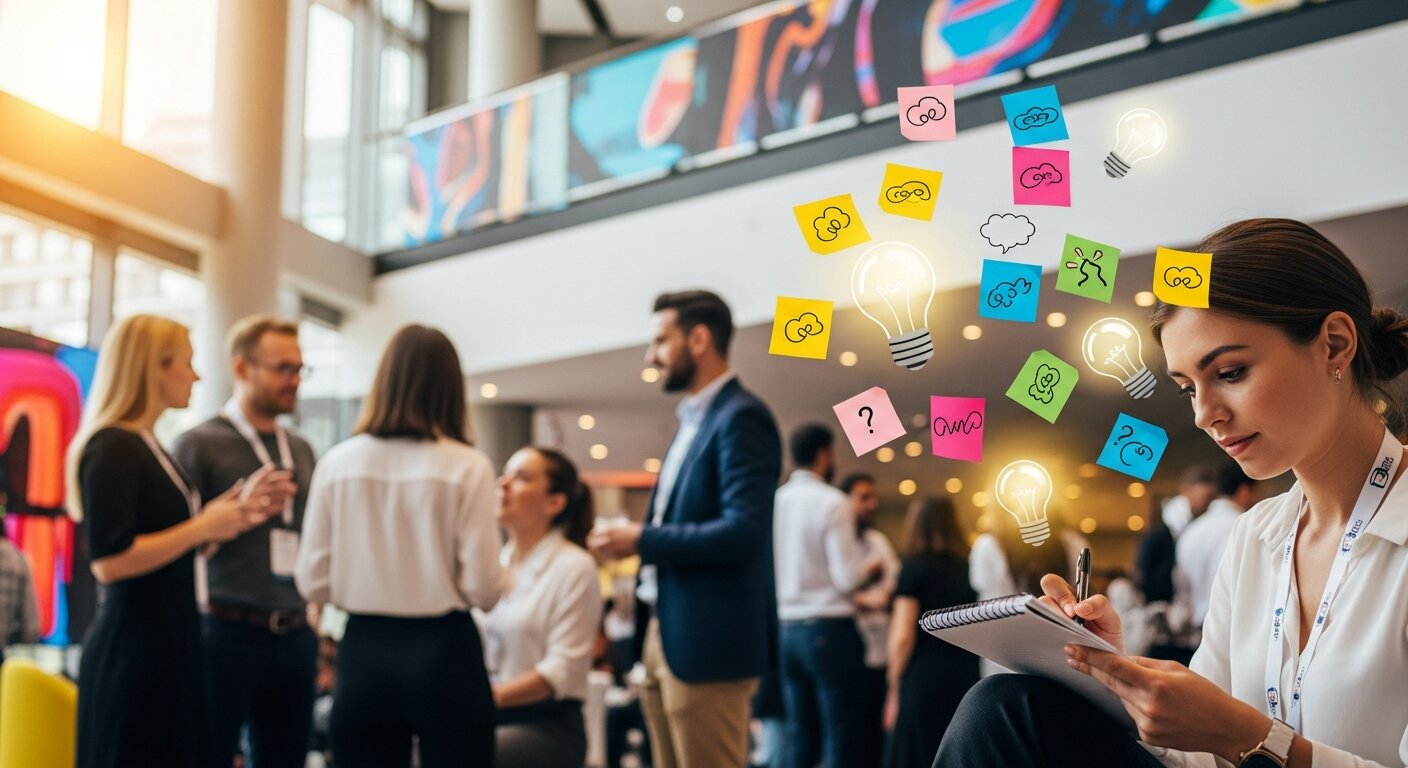
Events succeed when they leave a lasting impression. Beyond logistics and promotion, it’s the unique experiences that set your event apart. Creative Event Marketing Ideas focus on making your event memorable, shareable, and aligned with your brand’s values.
For example, interactive installations or experiential zones allow attendees to physically engage with your products or services. Brands can also gamify the experience — incorporating challenges, quizzes, or reward systems to make participation fun while subtly reinforcing your messaging. Experiential content like VR or AR activations is increasingly popular, allowing audiences to immerse themselves in your brand story.
Another effective approach is to integrate storytelling into the event itself. Keynote speakers, panel discussions, or live demonstrations can be designed to highlight your brand’s journey, mission, or unique value proposition. These moments give attendees a narrative to connect with and recall long after the event ends.
Finally, small touches like branded merchandise, personalized experiences, or exclusive content downloads help attendees feel valued, increasing post-event engagement and loyalty. By incorporating these Event Marketing Ideas, you can ensure your event resonates deeply and generates both buzz and ROI.
The Power of Event Marketing
Events are so much more than meetings or presentations. They offer a chance to turn leads into customers, build relationships, and demonstrate authority in your field. Many marketers agree events provide powerful face-to-face engagement, which is why the power of face-to-face event marketing remains essential for brand growth.
With a great plan and some creative event marketing ideas, you can deliver these experiences for your attendees. Here are the steps to creating a highly memorable event marketing campaign.
Setting Clear Objectives
From purpose comes powerful action and every great event has purpose at the heart of it. With these objectives in place, you can measure progress and make sure that what you’re doing lines up with your overall business principles.
Why Objectives Matter
Your event goals are ultimately the building blocks for all of your marketing efforts, allowing you to get laser focused in your priorities and spending. Do you want to promote a new product, generate a list of leads, create goodwill in your community, or gather invaluable insights into what your customer wants? Your goal needs to be defined, and it will shape everything else.
Pro Tip:
a. Employ the SMART (Specific, Measurable, Achievable, Relevant, Time-bound) package when you’re establishing the event goals:
- Specific
- Measurable
- Attainable
- Relevant
- Time-bound
Try going with something like: Instead of “Get more exposure” Aim for “Generate 500 new qualified leads at this event this Q2”.
Know Your Audience
It is the soul of your event. In order to make sure that you have the power to be the one they pick to do business with, you need to be aware of their wants, their needs and their problems.
Researching Your Audience
Leverage your analytics tools, online customer surveys and feedback from past events to learn more about your would-be attendees. Consider factors such as:
- Age, Location, and Interests (demographics)
- The nature of the work and the voice in decision-making process
- Issues or trends in their industry that they usually face or care about
Customizing the Experience
Customize your content and the format of your event to solve a problem for your attendees. For example, if the event attendees you want to attract are small business owners, they’ll likely value actionable takeaways and being able to network in order to expand their community of business contacts.
Deciding on the Best Format for Your Event

The way you structure your event can be key to its success. In a world with so many choices, the best way to tell your story is creatively and in a way that speaks to your desires.
Common Event Types to Consider:
- Webinars and Virtual Events: Perfect for reaching a global audience at a fraction of the cost. Platforms such as Zoom, Hopin and Google Meet make interacting with online participants easier than ever.
- Workshops & Training: Offer anything that is hands-on, and provides as much value to the attendee as physically possible for solving a particular problem that they have.
- Pop-up Events Discover the power of Surprise: These events are ideal for brands who would like to test new business concepts in an innovative environment.
- Conferences & Trade Shows: Larger industry conferences are a chance to position your company as an industry influencer.
- Hybrid Events: Connecting the physical and the digital audiences can grow the event’s footfall and still feel personalized.
Matching Format to Audience
Consider the time, place, and learning styles of your audience. For instance, audiences that are very tech-savvy might love to engage in interactive demos in a webinar, while creative audiences might enjoy in-person workshops.
Leveraging Social Media
New social media is really a game changer in marketing events. It’s where your attendees spend the most time, so it is a no-brainer when it comes to creating buzz before, during, and after the event.
Pre-Event Promotion
Begin early by generating a hashtag for an event and sending teasers out on the web. Share behind-the-scene content, countdown reminders and testimonials from previous attendees. And don’t overlook sending compelling invites through email and LinkedIn!
Tools to Use:
Tools such as Instagram Stories, Facebook Events and Eventbrite allow you to easily distribute updates and invites.
Live Coverage
Connect with remote spectators to your event by live streaming important aspects of it. Leverage Twitter polls, interactive Q&A segments and IG Live stories to create excitement in the moment.
Post-Event Engagement
The celebration doesn’t stop when the last guest goes. Post highlight reels, shout out attendees, and share testimonials/reviews. Tell your guests to use your event hashtag when sharing their own photos and experiences.
Measuring Success and ROI
You’ve put a lot time, effort, and imagination into your event marketing plan. Tracking performance ensures your efforts deliver results. Many marketers rely on data-driven strategies, and this digital marketing event results guide explains how to evaluate outcomes effectively. To do that effectively, you need to measure.
Key Metrics to Track
- Attendance Figures: Look at how many people showed up compared to how many RSVP’d or purchased a ticket.
- Engagement Rates: Review of post-event surveys, social media comments and post-event mentions.
- Lead Generation: Record the number of leads or customers – past or future – that your attendees became during or after the event.
- Return on Investment (ROI): Compare the income the added value produces with all expenditure.
- Follow-Up is Key
Follow-up emails after events are essential in carrying on the momentum. Send exclusive event content, invitations to future events, or a survey for feedback.
Experiential Storytelling Techniques
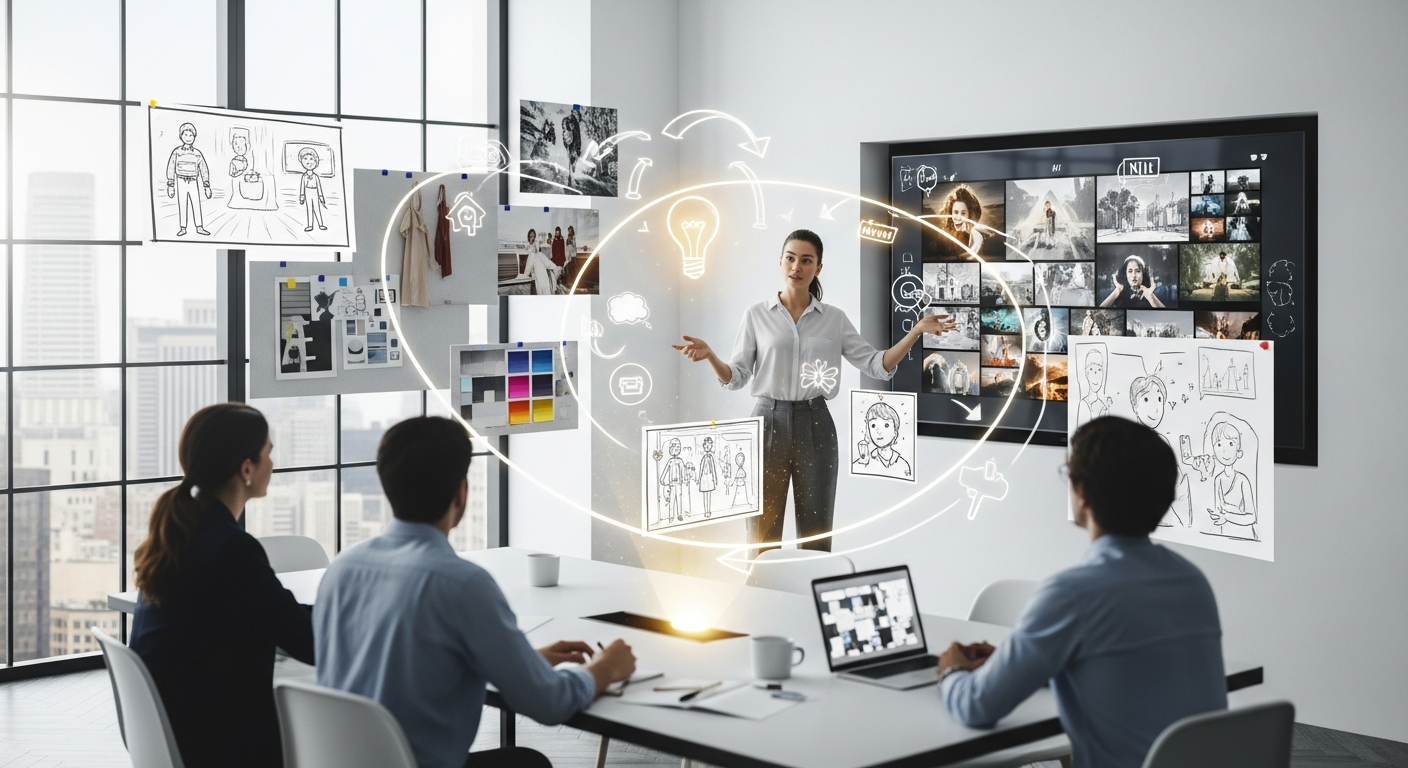
One of the most powerful ways to capture attention and engage attendees is through storytelling. Experiential Event Marketing Ideas allow participants to step into a narrative rather than just passively observing it. For instance, a product launch can be designed as an immersive journey where attendees move through different “chapters” — each highlighting a unique aspect of your brand or product. This could include interactive installations, live demonstrations, augmented reality (AR) experiences, or even virtual reality (VR) simulations that bring your story to life.
The beauty of experiential storytelling is that it creates emotional connections. Attendees don’t just learn about your brand — they feel it. This type of engagement increases memorability and encourages participants to share their experiences organically on social media, amplifying your reach. Moreover, experiential storytelling can be tailored to different audience segments, ensuring that each participant resonates with the parts of the story most relevant to them. By incorporating these creative Event Marketing Ideas, brands can transform a standard event into an unforgettable, interactive experience that leaves a lasting impression long after the event ends.
Post-Event Content Strategies
The value of an event continues well after the final session ends. Post-event Event Marketing Ideas focus on maximizing this value by repurposing content to maintain engagement, extend reach, and drive further business outcomes. Highlights such as event recap videos, speaker interviews, behind-the-scenes footage, or attendee testimonials can be shared through social media platforms, email campaigns, and your website to keep your audience engaged.
Creating additional content formats from your event — including blog posts, podcasts, downloadable guides, or even mini-video series — allows you to reach those who could not attend while also reinforcing key messages for participants. For example, sharing “key takeaways” posts or infographics summarizing sessions can attract new leads and maintain relationships with attendees. This approach not only extends the lifespan of your event but also drives conversions, strengthens brand credibility, and amplifies awareness. By strategically implementing these post-event Event Marketing Ideas, you ensure your event has a measurable impact on engagement, loyalty, and ROI, making every effort invested in planning and execution even more valuable.
Event Marketing Ideas Are What Drives the Future for Engagement

Event marketing is a vital part of any marketer’s playbook. By setting clear goals, knowing your audience inside and out, using social media as part of a strategy and tracking results with data, you can effectively make your next event ready to capture attention — and deliver.
Searching for even more inspiration for your campaigns? Whether you’re a seasoned pro or trying to implement your first marketing strategy, good advice can elevate your approach to events. Sign up for our newsletter for expert advice, personalized recipes and live coverage.
As a blogger, your online reputation can impact your audience trust and growth. For a step-by-step approach to managing your digital presence, read How to Manage Your Online Reputation as a Blogger: A Complete Guide.
Frequently Asked Questions (FAQ)
What are some creative Event Marketing Ideas?
Creative Event Marketing Ideas include interactive installations, gamified experiences, immersive VR/AR activities, storytelling sessions, personalized swag, and engaging workshops. These strategies make events memorable, drive participation, and strengthen brand connection.
How can Event Marketing Ideas improve attendee engagement?
By offering interactive and personalized experiences, Event Marketing Ideas keep attendees active and invested. Engagement increases when attendees feel involved in the content, networking opportunities, and activities offered during the event.
How do I measure the success of Event Marketing Ideas?
Track metrics such as attendance rates, session participation, social media engagement, lead generation, and ROI. Measuring these allows you to evaluate which Event Marketing Ideas worked and optimize future events.
Are virtual events effective for Event Marketing Ideas?
Yes. Virtual events, webinars, and hybrid events allow you to reach a global audience at lower costs while still providing interactive sessions, networking opportunities, and live engagement features. Integrating creative Event Marketing Ideas online ensures a meaningful experience for remote attendees.
Can personalization enhance Event Marketing Ideas?
Absolutely. Personalized agendas, targeted email communication, customized content, and personalized giveaways make attendees feel valued. Personalization is one of the most effective Event Marketing Ideas for boosting satisfaction, engagement, and loyalty.
Do small businesses benefit from Event Marketing Ideas?
Yes. Even small businesses can leverage Event Marketing Ideas such as workshops, pop-up events, or interactive webinars to build relationships, generate leads, and enhance brand awareness. Creativity and personalization often outweigh budget size.
How do social media strategies enhance Event Marketing Ideas?
Social media is a powerful tool to amplify Event Marketing Ideas. By sharing pre-event teasers, live updates, and post-event highlights, you create buzz and engagement. Platforms like Instagram, LinkedIn, and Twitter allow attendees to interact with content, participate in polls, and share experiences, extending your event’s reach beyond physical or virtual attendees.
Can Event Marketing Ideas help with lead generation?
Yes. Thoughtfully designed Event Marketing Ideas — such as interactive workshops, webinars, or networking sessions — encourage attendees to provide contact information, sign up for newsletters, or participate in follow-up activities. These engagements transform event participants into qualified leads while simultaneously building brand credibility.
How can I make my Event Marketing Ideas stand out from competitors?
Standing out requires creativity, personalization, and relevance. Use immersive experiences, gamification, storytelling, or exclusive offers to capture attention. Unique Event Marketing Ideas that address attendee needs and provide value create memorable experiences that differentiate your brand in a crowded market.
Are hybrid events effective for implementing Event Marketing Ideas?
Yes. Hybrid events allow brands to combine physical and virtual experiences, reaching larger audiences while offering personalization. Integrating creative Event Marketing Ideas in both online and offline formats ensures all participants feel engaged, connected, and part of the experience regardless of location.