Influencer marketing boosts event reach, engagement, and attendance by partnering with authentic voices and creating shareable content.
In today’s crowded event landscape, standing out requires more than traditional promotions. Influencer marketing has emerged as a powerhouse strategy to attract new audiences and energize existing communities. By partnering with influencers who resonate with your target demographic, you can amplify your event’s reach, build credibility, and drive higher attendance and engagement. In this post, we explore step-by-step how to identify the right influencers, craft compelling campaigns, harness social platforms, and measure ROI to ensure your event marketing is both effective and efficient.
Why Influencer Marketing Is a Game-Changer for Events
Influencers bring built-in trust. Their followers see them as authentic voices rather than paid advertisers, so recommendations land harder than standard ads. When an influencer highlights your event, it feels like a personal invite from a friend, increasing the chance fans will register or buy tickets. Moreover, influencers often produce highly shareable content—videos, behind-the-scenes photos, sneak peeks—that naturally generates buzz and social proof. This organic momentum not only drives ticket sales but also fosters community engagement before, during, and after the event.
Identifying the Right Influencers for Your Event

Choosing the right influencers is critical. Follow these steps to ensure a strong fit:
- Define your audience: Understand demographics, interests, and
- platforms where potential attendees spend time.
- Assess relevance: Look for influencers who create content aligned with your event theme or industry niche.
- Evaluate engagement rates: A smaller influencer with high engagement often outperforms a mega-influencer with low interaction.
- Check authenticity: Review content quality, audience comments, and previous brand partnerships to confirm credibility.
- Set budget expectations: Micro-influencers may accept free tickets or modest fees, while larger names require bigger investments.
For niche audiences, refer to our guide on B2B event marketing strategy to identify ideal influencer matches.
Crafting a Compelling Influencer Campaign
Once you’ve selected influencers, collaborate on content that feels native and engaging. Consider these tactics:
- Sneak peeks and teasers: Let influencers share exclusive backstage glimpses to spark curiosity.
- Giveaways and contests: Host ticket giveaways that require followers to tag friends or share posts, extending your reach.
- Live coverage: Offer influencers VIP access to stream parts of the event live, attracting real-time viewers.
- Personalized discount codes: Provide unique promo codes to track conversions and reward the influencer’s audience.
- Co-created content: Work with influencers to produce blog posts, videos, or podcasts highlighting why they’re excited about your event.
This approach works well for virtual events and hybrid formats.
Leveraging Social Platforms to Maximize Reach
Different platforms serve different purposes. Tailor content formats accordingly:
- Instagram: Use Stories for real-time polls or Q&A sessions, Reels for dynamic highlights, and feed posts for polished announcements.
- TikTok: Partner on short, creative challenges or behind-the-scenes snippets to tap into younger audiences.
- YouTube: Publish in-depth interviews with keynote speakers or event previews to drive deeper engagement.
- LinkedIn: For B2B or professional events, share thought-leadership content and live-stream panel discussions.
- Twitter (X): Encourage influencers to live-tweet sessions, share key takeaways, and engage in event-day conversations.
For efficiency, consider integrating automated data-entry solutions to manage registration and attendee lists seamlessly.
Measuring Success: Tracking Your Event ROI
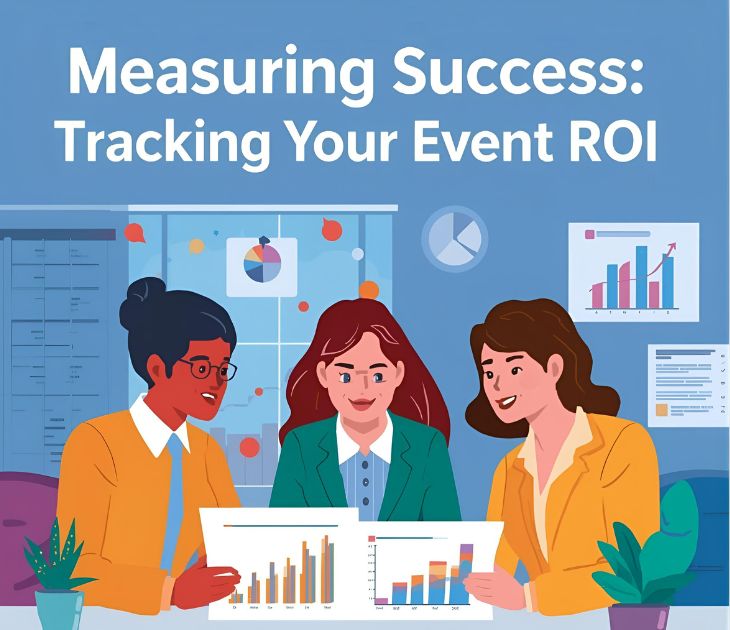
Clear metrics ensure you understand the impact of your influencer partnerships. Track these key performance indicators (KPIs):
- Referral traffic: Monitor site visits and landing page views
- driven by influencer links or promo codes.
- Conversion rate: Calculate ticket purchases or registrations attributed to each influencer campaign.
- Engagement metrics: Analyze likes, comments, shares, and saves across influencer posts.
- Audience sentiment: Review social mentions and direct feedback to gauge attendee excitement and satisfaction.
- Earned media value: Estimate the cost-equivalent of organic exposures generated by influencer content.
Post-Event Engagement With Influencers
The influencer marketing strategy doesn’t end when the event concludes. Post-event content is crucial to maintain momentum, extend reach, and convert attendees into long-term advocates. Influencers can share recap videos, interviews, and behind-the-scenes highlights to keep the event alive in social feeds. Encouraging them to engage with attendee content, answer questions, or host follow-up live sessions also strengthens ongoing community interaction. Learn more about successful event marketing strategies to maximize post-event impact.
Post-event collaboration allows for performance analysis and storytelling. Sharing measurable results, testimonials, or success stories helps both the brand and influencer demonstrate impact. This not only boosts credibility for future events but also reinforces the emotional connection between the audience and your brand, transforming one-time attendees into repeat participants and loyal supporters.
Real-World Examples: Success Stories in Event Influencer Marketing
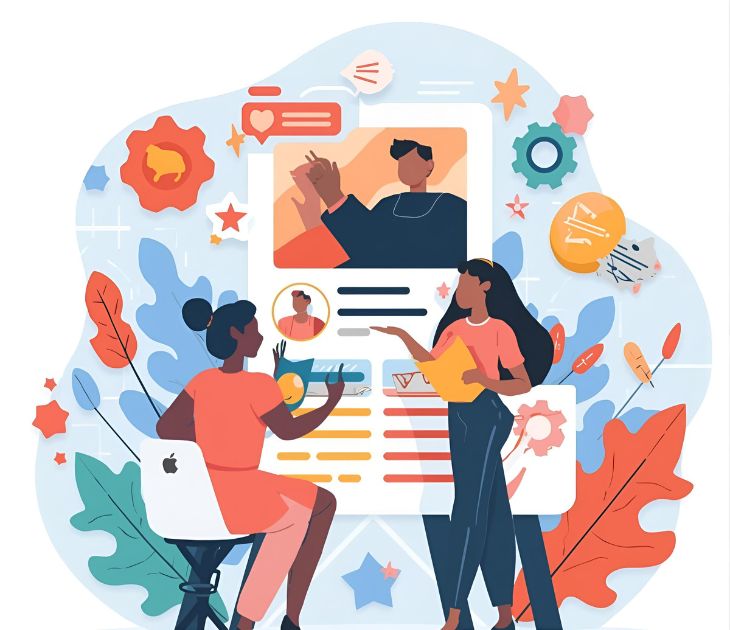
Many brands have seen dramatic results by integrating influencers into their event strategies:
- Tech Conference Takeover: A major technology summit enlisted niche tech YouTubers to demo new gadgets live, resulting in a 35 percent increase in ticket sales compared to the previous year.
- Music Festival Hype: Partners shared backstage preparations and exclusive meet-and-greets via Instagram Stories, driving sold-out attendance two months ahead of the event date.
- Wellness Retreat Launch: Health influencers hosted live meditation sessions and discount giveaways, boosting registrations by 50 percent and generating thousands of user-generated posts.
Best Practices and Common Pitfalls
To maximize ROI and avoid missteps, keep these dos and don’ts in mind:
- Do establish clear goals: Define KPIs and expectations before launching any campaign.
- Do maintain creative freedom: Allow influencers to present your event in their authentic voice.
- Do nurture long-term relationships: Ongoing partnerships yield better authenticity and cost efficiencies.
- Don’t overpromise compensation: Ensure agreements are realistic and transparent to avoid disputes.
- Don’t ignore FTC guidelines: Always require proper disclosure of paid partnerships.
- Don’t overlook micro-influencers: They often deliver higher engagement and niche audience access for lower costs.
Building Long-Term Influencer Relationships
Event marketing isn’t just about one-off campaigns; fostering long-term relationships with influencers can yield compounding benefits. Regular collaboration creates trust between your brand and the influencer, which translates to authenticity in the eyes of their audience. Influencers who feel valued and genuinely connected to your brand are more likely to produce content that is thoughtful, enthusiastic, and aligned with your messaging.
Long-term partnerships also allow for more strategic planning. Influencers can co-develop content calendars, plan multi-phase campaigns, and even provide insights from audience feedback that help refine future events. Over time, your influencer network can become a consistent extension of your marketing team, offering deep knowledge of your audience and contributing to sustained engagement and brand loyalty.
Scaling Campaigns While Maintaining Authenticity
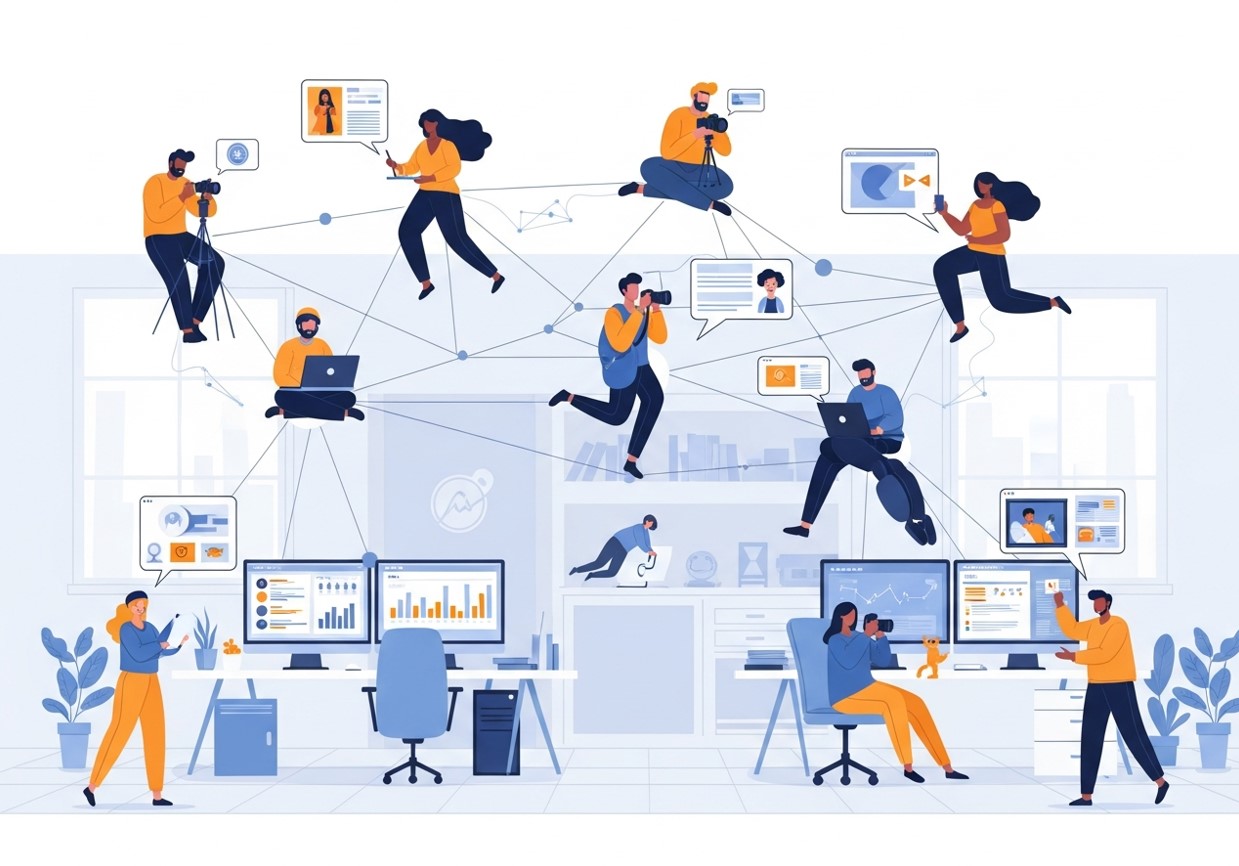
As events grow, scaling influencer campaigns can present challenges. The temptation to onboard numerous high-profile influencers may dilute authenticity if content feels too promotional or scripted. Successful event marketers focus on maintaining the natural voice of each influencer while expanding reach strategically.
One approach is to develop tiered campaigns, combining a few high-reach influencers with several niche or micro-influencers. This layered strategy ensures broad visibility while preserving the credibility that comes from authentic influencer endorsements. Using campaign tracking tools, marketers can identify which partnerships drive the best results and allocate resources accordingly, optimizing both scale and effectiveness.
Case Study: Virtual Event Success Through Influencers
The rise of virtual and hybrid events has opened new opportunities for influencer marketing. Consider a virtual summit on sustainable fashion: partnering with eco-conscious influencers who specialize in slow fashion allowed organizers to extend reach beyond their existing subscriber base. Influencers hosted live discussions, shared virtual backstage access, and created short videos highlighting their favorite speakers and sessions. This approach not only drove registrations but also fostered real-time engagement during the event, with attendees sharing content and actively participating in discussions, demonstrating that influencer strategies translate seamlessly to digital formats.
Maximizing User-Generated Content Through Influencers
One of the most valuable outcomes of influencer campaigns is the generation of user content that extends your event’s visibility organically. Influencers not only share their own experiences but often inspire their followers to create content as well—photos, videos, stories, or live reactions. Encouraging attendees to post with event-specific hashtags or tagging influencers can amplify reach far beyond paid promotions.
User-generated content (UGC) also enhances authenticity. Prospective attendees often trust peer experiences over branded messaging. By highlighting UGC across your social media, event website, or email campaigns, you create social proof that reinforces excitement and drives future participation. Strategically encouraging and curating UGC ensures that influencer marketing has a lasting impact beyond the event itself.
Influencer Marketing for Hybrid and Virtual Events
The shift toward hybrid and virtual events has expanded the scope of influencer marketing. Influencers can host live-streamed Q&A sessions, lead virtual tours, or provide commentary from home, creating interactive experiences for audiences unable to attend in person. Virtual influencers or digital creators can also help design engaging online content, including pre-event teaser videos, polls, or gamified experiences.
The key to success lies in leveraging influencers to bridge the gap between physical and digital engagement. By integrating influencers into both in-person and online channels, event organizers can maximize participation, enhance attendee interaction, and maintain momentum even after the event ends.
Building Long-Term Influencer Partnerships
While one-off collaborations can provide short-term engagement, cultivating long-term relationships with influencers often yields more significant benefits. Consistent partnerships allow influencers to become familiar with your brand voice, event style, and audience preferences, leading to more authentic content creation. Over time, these ongoing collaborations help develop brand ambassadors who not only promote individual events but also act as trusted advocates year-round.
Long-term partnerships also reduce onboarding time and streamline campaign planning. Influencers who understand your goals and audience can deliver content more efficiently, allowing your marketing team to focus on strategy and audience engagement rather than repetitive coordination. Moreover, sustained collaborations enhance credibility, as audiences recognize repeated endorsements as genuine support rather than a transactional promotion.
Crafting Personalized Experiences With Influencers
Influencers can act as conduits for delivering personalized experiences to your audience. By analyzing audience demographics and engagement patterns, influencers can tailor messaging that resonates on a more individual level. For example, a travel expo could have influencers create region-specific content highlighting sessions, workshops, or destinations that appeal to different audience segments.
Personalization increases relevance and drives action. Attendees feel a deeper connection to the event when content feels curated for them, not generic. Leveraging influencer insights to craft targeted, individualized experiences strengthens both engagement and loyalty, creating advocates who return for future events.
Evaluating Influencer Performance and Optimizing Campaigns
Measuring influencer effectiveness goes beyond counting likes or registrations. Advanced tracking tools allow marketers to monitor which influencer channels generated the highest engagement, conversions, or social buzz. Heatmaps, link tracking, and promo code analytics provide concrete data on ROI and audience behavior.
Regularly reviewing performance also enables real-time optimization. If certain types of content resonate better—like behind-the-scenes videos versus static posts—campaigns can be adjusted mid-event to maximize results. Over time, this data-driven approach informs better influencer selection, content strategy, and event planning, ensuring that every partnership contributes measurable value.
Conclusion
Influencer marketing offers event professionals a powerful lever to drive attendance, amplify engagement, and build lasting community connections. By carefully selecting partners, co-creating authentic content, and measuring results with clear KPIs, you can elevate your next event beyond traditional outreach methods. Start small with pilot campaigns, refine your approach based on real data, and scale partnerships that deliver the best ROI. With a strategic influencer program in place, your events will not only attract more attendees but also generate lasting buzz and brand loyalty.
Frequently Asked Questions (FAQs)
How do I choose the right influencers for niche events?
Focus on alignment with your audience’s interests, relevance to the event theme, engagement quality, and authenticity. Micro and niche influencers often outperform broader personalities in specialized markets.
What is the ideal number of influencers to engage for an event?
It depends on your event size and budget. Smaller events may succeed with 2–5 highly targeted influencers, while larger events might integrate a mix of high-reach and micro-influencers to maximize impact.
How far in advance should influencer campaigns start?
Ideally, begin at least 2–3 months before the event for awareness and anticipation campaigns, and continue influencer activity during and after the event to maintain engagement and encourage user-generated content.
Can influencer marketing work for B2B events?
Absolutely. Professional influencers on LinkedIn or industry-specific platforms can promote webinars, conferences, and workshops effectively by providing thought leadership and credibility within their niche.
How do I measure ROI beyond ticket sales?
Track referral traffic, social engagement, audience sentiment, content shares, and earned media value. These metrics provide insight into awareness, community impact, and long-term brand equity.
Are giveaways necessary for influencer campaigns?
While not required, contests, promo codes, and exclusive access often increase engagement and provide measurable conversions that help track influencer performance.