Event Planning and Execution works best when strategy, timing, communication, and guest experience move together. This guide shows how to build a practical event system that improves planning, supports promotion, reduces mistakes, and creates smoother experiences for both organizers and attendees.
Successful events rarely happen by accident. Behind every smooth conference, brand launch, workshop, or company celebration is a clear process that connects ideas with action. Event Planning and Execution is the point where creativity meets structure, and where a strong plan becomes a memorable experience. People often notice the final event, but the real success comes from the decisions made long before guests arrive.
Event Planning and Execution is not only about organizing tasks. It is about understanding what your audience expects, how your team works, what resources you have, and how each detail affects the final experience. When these parts align, the event feels effortless to attendees, even though a great deal of work has happened behind the scenes.
A successful event also depends on psychology. People remember how they felt, not just what they saw. That means Event Planning and Execution should focus on clarity, ease, comfort, timing, and trust. When people feel guided and valued, they are more likely to engage, participate, and speak positively about the experience afterward.
Why Event Planning and Execution Matters
Many events fail because the organiser focuses only on visible elements like decor, speakers, or venue style. Those details matter, but they cannot fix weak coordination, unclear communication, or poor timing. Event Planning and Execution ensures that the event works as a whole instead of feeling like disconnected parts.
The more complex the event, the more important the process becomes. A small networking meetup may require only simple coordination, but a product launch, annual conference, or hybrid summit requires detailed planning across many moving pieces. Event Planning and Execution helps reduce confusion and creates a structure for better decision-making.
It also protects your budget. Without a system, costs can rise quickly because of rushed purchases, repeated changes, or missed deadlines. A well-managed event process gives you control over spending, helps you prioritize the highest-impact areas, and reduces last-minute stress.
Start With the Purpose of the Event
Every strong event begins with one question: what is the real purpose? If the purpose is unclear, everything else becomes harder. The objective could be to generate leads, celebrate a milestone, educate guests, build brand awareness, or strengthen internal relationships. Once the goal is defined, Event Planning and Execution becomes much more focused.
The purpose should also shape the tone of the event. A business conference needs a different structure than a product experience day or a team retreat. The audience, schedule, location, and messaging should all support the main goal. That is why Event Planning and Execution is most effective when strategy comes before logistics.
Set measurable goals early
A good event has outcomes that can be measured. You may track registrations, attendance rate, engagement, leads, feedback scores, or post-event conversions. These metrics help you evaluate whether Event Planning and Execution delivered real value beyond the event day itself.
Define the guest experience
Think about what the attendee should feel before, during, and after the event. If the journey is smooth, the event feels professional and thoughtful. If the journey is confusing, even a beautiful event can feel disappointing. Guest experience is a central part of Event Planning and Execution because it affects perception at every stage.
Build a Practical Planning System

Strong events rely on systems, not guesswork. A structured workflow makes the process easier to manage and easier to repeat. Many organizers benefit from starting with a simple Event Planning Checklist that maps out tasks by phase rather than leaving everything in one long list.
The best planning process usually includes goal-setting, budgeting, venue selection, vendor coordination, promotion, registration, rehearsals, and post-event follow-up. Each stage supports the next one. When Event Planning and Execution follows a clear system, fewer details are forgotten and the team can move with confidence.
Create a timeline that works backward
Start with the event date, then work backward to identify what needs to happen and when. This approach makes deadlines more realistic and helps you avoid last-minute pressure. It is one of the simplest ways to improve Event Planning and Execution while keeping the process organized.
Assign ownership clearly
One of the biggest causes of event problems is unclear responsibility. Every major task should have one owner, even if multiple people are involved. This makes Event Planning and Execution more efficient because the team knows exactly who is handling each piece.
Budgeting Without Losing Control
Budgeting is one of the most important parts of Event Planning and Execution because every decision affects cost. A realistic budget protects your event from overspending and helps you decide where to invest more and where to simplify.
A smart budget is not about cutting every expense. It is about spending in the right places. For example, guest experience, speaker quality, and logistics may deserve higher priority than decorative extras. The challenge is to make every dollar support the purpose of the event.
Plan for visible and hidden costs
Many organizers remember obvious costs such as venue, catering, and stage setup, but forget the smaller ones. Printing, transportation, software, overtime labor, signage, contingency funds, and technical support can all add up. Careful Event Planning and Execution includes room in the budget for the unexpected.
Review financial priorities early
Before booking anything, decide what truly matters. If the event is centered on networking, then space layout and movement may matter more than premium décor. If the event is a conference, then sound quality and seating comfort may be more important than elaborate styling. These choices make Event Planning and Execution more strategic.
Venue Selection Shapes the Entire Event
The venue influences attendance, comfort, flow, and overall impression. Choosing the wrong location can create problems even if the rest of the event is well planned. That is why venue selection should be treated as a strategic decision rather than a simple booking task.
For many organizers, how to choose the right corporate event venue becomes a key question because the space must reflect the brand while supporting practical needs. The same is true when learning how to choose the right venue for a business conference, where accessibility, capacity, technology, and layout can directly affect the attendee experience.
Match the venue to the event purpose
A formal executive meeting may need a clean, private, professional setting. A product showcase may need space for movement, displays, and live demonstrations. A training session may need smaller breakout areas and strong audio-visual support. Event Planning and Execution becomes easier when the venue supports the event format naturally.
Think about guest convenience
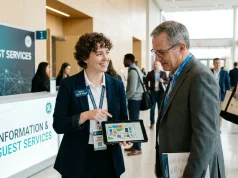
People appreciate a venue that is easy to reach, easy to navigate, and comfortable to stay in. Parking, transportation, accessibility, signage, restrooms, and room temperature all influence how people feel during the event. These practical details are central to Event Planning and Execution because they shape the attendee experience.
Promotion and Communication Matter
Even the best event needs strong communication to attract the right audience. Promotion should begin early and continue consistently. The message must clearly explain what the event is, why it matters, and why someone should attend. Clear communication supports Event Planning and Execution by making the audience feel informed rather than confused.
Promotion works best when different channels reinforce each other. Email, social media, landing pages, partner networks, and direct outreach can all work together. The goal is not just visibility, but relevance. People respond when they understand the value quickly.
Create content that answers attendee questions
Effective promotion should reduce uncertainty. People want to know who the event is for, what they will gain, how long it will take, and why it is worth their time. Content ideas for event promotion can include speaker spotlights, behind-the-scenes clips, countdown posts, FAQ graphics, testimonials, and short preview videos.
Match tone to audience expectations
A corporate audience may respond better to direct, polished messaging, while a community event may benefit from warmer and more conversational communication. Event Planning and Execution works better when the promotional style matches the event personality.
Digital Promotion That Drives Interest
Modern events depend heavily on digital visibility. Social platforms make it possible to reach a large audience quickly, but only if the content is clear and engaging. Marketing an event on social media should focus on attention, relevance, and repetition without feeling repetitive.
A strong Marketing Plan for an event usually includes audience targeting, content themes, schedule planning, platform selection, and post-performance review. Digital promotion should not be random; it should support the event’s goals and speak to the audience’s motivations.
Use email strategically
Email remains one of the strongest tools for event communication because it allows direct, personalized messaging. Email Marketing for Events works especially well when messages are segmented by audience type, registration stage, or interest level. Good email communication can increase sign-ups, reminders, attendance, and post-event follow-up.
Consider partnership visibility
Influencers, industry voices, and aligned content creators can extend your event reach. Influencer Marketing for Events is especially useful when the event needs trust, social proof, or niche community exposure. A relevant voice can help your event feel more credible and shareable.
Registration and Guest Management
Registration may seem like a small step, but it shapes the first real interaction between the attendee and the event. If registration is confusing, people may lose interest or abandon the process. Smooth registration is part of strong Event Planning and Execution because it sets the tone before the event even begins.
Digital forms, ticketing tools, automated confirmations, and reminder systems can all simplify the process. The best systems make it easy for people to register, receive updates, and know exactly what to expect. This reduces support requests and improves confidence.
Keep the process simple
Long forms and unclear instructions create friction. Ask only for the information you truly need. Make the next step obvious. When registration feels easy, more people complete it.
Monitor drop-off points
If people begin registration but do not finish, look at the cause. It may be too many questions, technical issues, or unclear pricing. Event Planning and Execution improves when you study these barriers and remove them early.
Logistics and Operational Readiness
This is where events either feel polished or fall apart. Event logistics management includes everything that supports the event day itself: seating, signage, equipment, staff coordination, transport, check-in flow, food service, and timing. These details may not be glamorous, but they are the backbone of the experience.
Logistics require precision because small mistakes can affect many people at once. A late speaker, missing microphone, wrong sign, or delayed meal can all damage the event atmosphere. Strong event planning and execution reduce these risks by making operational readiness a priority.
Build a backup plan
Technical issues, weather disruptions, speaker delays, and vendor problems can happen even with excellent planning. A backup plan helps the team respond calmly instead of panicking. It is one of the most valuable habits in Event Planning and Execution.
Rehearse before the event
A walkthrough or dry run helps identify problems before guests arrive. Testing audio, visual equipment, check-in flow, timing, and transitions gives the team a chance to fix issues early. This step protects the overall quality of Event Planning and Execution.
How to Communicate Professionally
Event communication should be respectful, clear, and timely. This matters when coordinating with vendors, speakers, guests, sponsors, or internal teams. Politeness is not just good manners; it helps relationships stay productive and smooth.
A polite follow-up email sample for a request is useful because event work often depends on quick responses and coordination between many people. Professional follow-up messaging increases the chance of clear communication and reduces misunderstandings during the planning process.
Use concise and respectful language
People involved in events are often busy. Communication should be short enough to read quickly while still being clear enough to act on. Event Planning and Execution benefits from communication that respects time.
Confirm key decisions in writing
Verbal agreements are easy to forget. Confirming details in writing helps avoid confusion later. This is especially important for venue contracts, timing, deliverables, and vendor expectations.
Table: Event Planning and Execution Phases
| Phase | Main Focus | Key Outcome |
|---|---|---|
| Strategy | Goals, audience, and purpose | Clear direction |
| Planning | Timeline, budget, and roles | Organized preparation |
| Promotion | Email, social, and partnerships | Strong attendance |
| Delivery | Logistics, flow, and support | Smooth event experience |
| Follow-up | Feedback and analysis | Better future events |
This structure makes Event Planning and Execution easier to manage because each stage has a distinct purpose. Instead of treating the event as one large task, you can improve one phase at a time.
Human Psychology in Event Success
People do not remember events only for content. They remember how easy it was to participate, how welcomed they felt, and whether the event respected their time. That is why Event Planning and Execution should be designed around comfort, clarity, and emotional flow.
If the agenda is too crowded, guests feel rushed. If communication is unclear, guests feel uncertain. If the transition between sessions is slow, guests lose energy. A thoughtful event experience considers these emotional responses and uses them to guide decisions.
Reduce friction wherever possible
The less effort guests need to make, the better their experience. Clear directions, simple schedules, visible staff support, and logical transitions all improve satisfaction. Event Planning and Execution becomes stronger when convenience is treated as part of quality.
Build momentum throughout the event
A successful event feels like it has a rhythm. Each section should lead naturally into the next. That sense of momentum keeps attention high and helps the audience stay engaged.
Improve Through Measurement

After the event ends, the work is not over. Feedback and evaluation help you understand what worked and what should improve next time. Event Planning and Execution becomes more effective when you treat each event as a learning opportunity.
Look at attendance, engagement, satisfaction, budget performance, registration trends, and team feedback. These results show where your process was strong and where adjustments are needed. If you repeat the same event type regularly, this information becomes even more valuable.
Ask useful questions
Feedback should be simple and targeted. Ask what guests found helpful, what felt confusing, and what would make them return. This kind of insight gives you practical guidance for future improvement.
Document lessons for the next event
A short post-event review can save time later. Record what happened, what was improved, and what should change next time. This makes Event Planning and Execution more efficient with every event you run.
Conclusion
Event Planning and Execution succeeds when strategy, communication, logistics, and guest experience work together with intention. The strongest events are not only well designed but also well managed from the first idea to the final follow-up. When you plan with purpose, budget carefully, choose the right venue, promote clearly, and manage operations with precision, the entire experience becomes smoother for everyone involved. Good Event Planning and Execution is really about reducing friction and increasing value. That is what turns an ordinary gathering into a memorable and professional event.
FAQs
1. What is the first step in Event Planning and Execution?
The first step is defining the event purpose. Once you know the goal, it becomes easier to choose the right format, budget, venue, and promotion strategy.
2. Why is an Event Planning Checklist important?
An Event Planning Checklist helps organize tasks, deadlines, and responsibilities. It reduces mistakes and keeps the team aligned during the planning process.
3. How do I create a strong Marketing Plan for an event?
Start by identifying the audience, message, channels, and timeline. A strong plan uses email, social media, and partnerships in a coordinated way.
4. What is the best way to promote an event online?
Marketing an event on social media works best when the content is visual, clear, and repeated consistently across the right platforms.
5. Why is email still effective for events?
Email gives direct communication with people who already showed interest. Email Marketing for Events helps increase registration, reminders, and follow-up engagement.
6. How do I choose the right venue?
Focus on event purpose, guest comfort, accessibility, layout, and technical support. That is how to choose the right corporate event venue or a conference location effectively.
7. What makes event logistics more successful?
Clear coordination, rehearsals, backup plans, and assigned responsibilities make event logistics management much smoother.
8. How can I improve event promotion content?
Use content ideas for event promotion such as teasers, countdowns, speaker highlights, behind-the-scenes content, and attendee-focused benefits.
9. Why is follow-up communication important?
Polite follow-up keeps conversations moving, reduces confusion, and improves cooperation with vendors, partners, and attendees.
10. How do I improve future events?
Review feedback, document lessons, and compare results against your goals. Strong Event Planning and Execution gets better every time you apply what you learned.