The Emergence of Virtual Event Marketing

The rise of digital technology and shifting audience behaviors has accelerated the emergence of Virtual Event Marketing as a core strategy for businesses worldwide. No longer confined to physical venues, companies are leveraging virtual platforms to connect with audiences in real-time, regardless of location. From webinars and product launches to large-scale online conferences, Virtual Event Marketing allows brands to engage, educate, and convert attendees at a fraction of the cost of traditional events. Its ability to reach global audiences, gather detailed analytics, and offer interactive experiences has made it an essential tool for modern marketing teams looking to maximize impact, build brand loyalty, and drive measurable results.
What is Virtual Event Marketing?
Virtual Event Marketing is the strategic process of planning, promoting, and executing engaging online events that connect with audiences in meaningful ways. Unlike traditional, in-person events, virtual events leverage digital platforms to create interactive experiences without geographical or physical limitations, allowing businesses to reach a global audience instantly. From small webinars and workshops to large-scale virtual conferences, expos, and product launches, Virtual Event Marketing has transformed how companies engage customers, prospects, and employees. This approach not only drives brand awareness and lead generation but also provides measurable results through analytics, making it a cost-effective, scalable, and highly versatile solution for modern marketing teams seeking to maximize ROI.
Benefits of Virtual Events
Virtual event marketing offers powerful advantages for businesses across every industry, making it one of the fastest-growing strategies in modern digital marketing. By removing physical barriers and leveraging technology, companies can engage audiences more efficiently, measure performance accurately, and scale their events with ease. Below is a deeper look at why Virtual Event Marketing continues to gain popularity worldwide.
Broader Reach
One of the biggest strengths of Virtual Event Marketing is its ability to remove geographical limitations. Unlike traditional events that are restricted by location, virtual events allow attendees from anywhere in the world to join instantly. This global accessibility not only expands your audience but also increases brand visibility and participation without the challenges of travel, accommodation, or venue logistics.
Cost-Effective
Virtual Event Marketing significantly reduces operational costs compared to physical events. Expenses such as venue rental, catering, travel, printed materials, and on-site staffing are minimized or eliminated entirely. With affordable digital platforms and automation tools, businesses can host high-quality events while maintaining better control over their budgets and maximizing return on investment.
Data and Analytics
Another major benefit of Virtual Event Marketing is real-time performance tracking. Marketers can monitor attendance, engagement duration, session popularity, click behavior, and interaction rates during the event. These insights help businesses understand audience behavior, improve future event strategies, and make data-driven marketing decisions that increase overall effectiveness.
Flexibility and Scalability
Virtual Event Marketing offers unmatched flexibility. Whether you’re organizing a small, private webinar or a large-scale international virtual conference, digital platforms can easily adapt to your needs. Events can be recorded, repurposed, or replayed on demand, allowing you to extend their lifespan and reach even after the live session ends.
Environmentally Friendly
Sustainability is becoming increasingly important for modern businesses, and Virtual Event Marketing supports eco-friendly practices. By eliminating travel, reducing printed materials, and minimizing physical waste, virtual events significantly lower carbon footprints. This makes them an environmentally responsible option while still delivering strong engagement and business results.
How to Host a Successful Virtual Event

Hosting a successful online event requires far more than simply going live. Effective Virtual Event Marketing involves careful planning, audience understanding, strategic promotion, and flawless execution. From setting clear objectives to creating engaging content and ensuring reliable technology, every stage plays a critical role in delivering a memorable experience. When done right, virtual events can drive meaningful engagement, strengthen brand authority, generate qualified leads, and create long-term value for both your audience and your business. By focusing on preparation, interactivity, and post-event follow-up, you can transform a simple online session into a high-impact Virtual Event Marketing success story.
Set Clear Goals
Every successful event begins with well-defined objectives. In Virtual Event Marketing, setting clear goals helps you shape the entire experience—from content creation to promotion and post-event follow-up. Decide early whether your primary aim is lead generation, brand awareness, customer engagement, product education, or revenue growth. Clear goals not only guide your strategy but also make it easier to measure success and optimize future virtual events for better performance.
Identify Your Audience
Understanding your audience is the foundation of effective Virtual Event Marketing. Take time to analyze who your attendees are, what challenges they face, and what type of content they find valuable. Tailor your event’s tone, messaging, and format to match their expectations and preferences. When your event speaks directly to your audience’s needs, engagement increases, trust builds faster, and your virtual event delivers stronger results.
Develop Engaging Content
Online audiences can lose attention quickly, which makes compelling content essential for Virtual Event Marketing success. Focus on delivering visually appealing presentations, interactive sessions, and meaningful storytelling. Incorporate polls, live Q&A, real-time chats, and demonstrations to keep participants actively involved. Engaging content not only improves retention during the event but also encourages attendees to stay connected with your brand afterward.
Promote the Event Thoroughly
Strong promotion is the driving force behind high attendance and engagement. A well-planned Virtual Event Marketing strategy should include email campaigns, social media promotion, paid ads, partnerships, and reminder sequences. Build anticipation before the event by sharing teasers, speaker highlights, and valuable insights attendees can expect. Consistent and strategic promotion ensures your event reaches the right audience and maximizes participation.
Test Lightly, Test Often
Technical issues can disrupt even the most well-planned event, which is why testing is a critical part of Virtual Event Marketing. Conduct rehearsals to check your platform, audio, video quality, screen sharing, and internet stability. Testing beforehand helps you identify and fix potential problems, ensuring a smooth and professional experience for your attendees. A seamless event builds credibility and leaves a lasting positive impression on your audience.
Software and Apps for Virtual Events
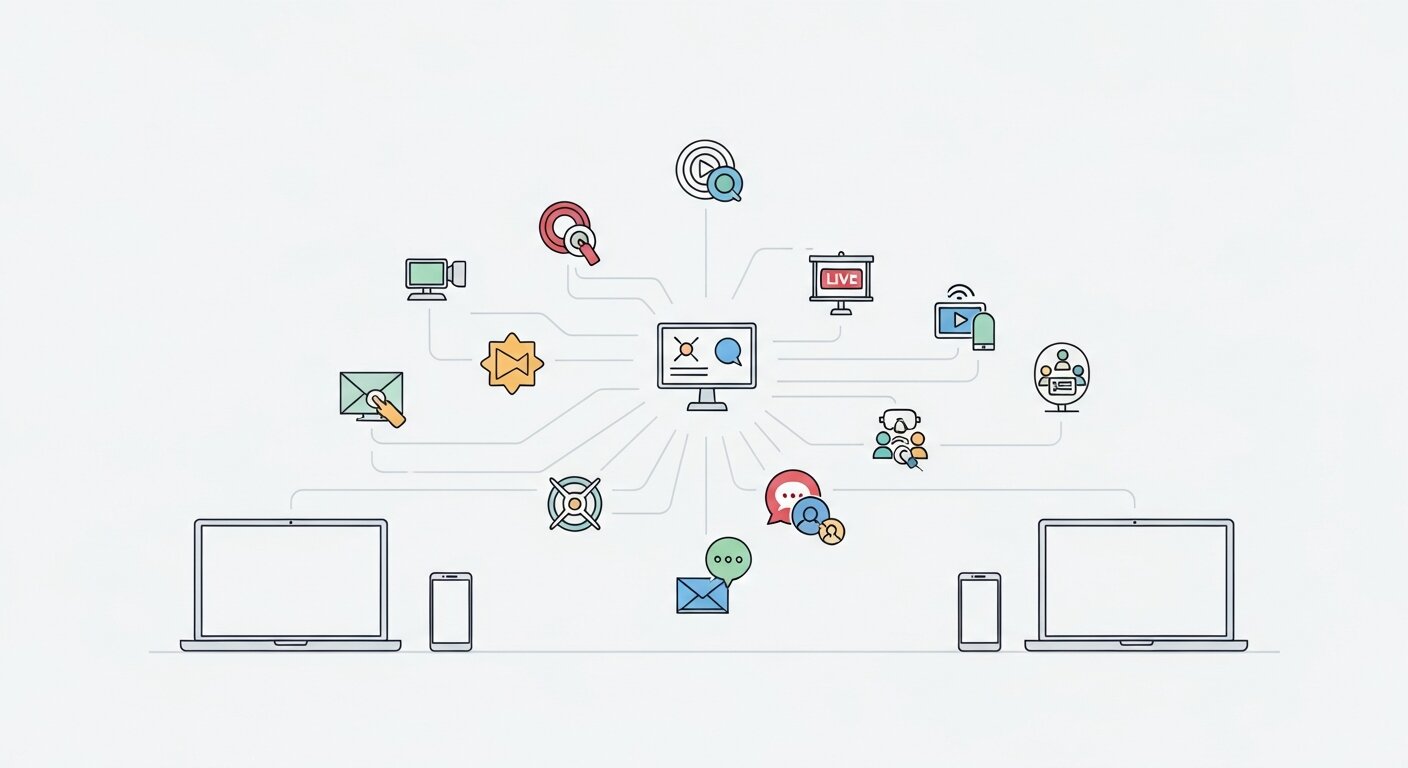
The success of your online event largely depends on choosing the right platform. The tools you select influence attendee engagement, event quality, and overall performance. Selecting software that aligns with your event size, format, and objectives helps ensure a smooth, professional, and engaging experience for both organizers and participants. For tips on choosing platforms, check the ultimate guide to choosing an event marketing platform.
Zoom and Microsoft Teams
Zoom and Microsoft Teams are widely used for small to medium-sized virtual meetings, workshops, and webinars. These platforms are user-friendly, reliable, and offer essential features such as screen sharing, live chat, recording, and breakout rooms. They provide a simple yet effective solution for hosting interactive and well-structured online events without requiring complex technical setup.
Hopin and Cvent
For larger conferences, trade shows, or multi-session events, platforms like Hopin and Cvent offer more advanced capabilities. They support virtual booths, networking spaces, breakout sessions, and detailed registration tracking. These tools are ideal for organizations that want to deliver immersive, conference-style digital experiences while maintaining smooth event management and attendee interaction.
Social Media Platforms such as Facebook Live and LinkedIn Live
Social media streaming platforms are excellent for reaching wider audiences through public live events. Facebook Live and LinkedIn Live allow brands to host product launches, panel discussions, and live announcements while interacting with viewers in real time. These platforms help boost visibility, encourage engagement, and make it easier to connect with audiences globally.
Registration and Analytic Tools for an Event
Managing registrations and tracking performance are essential for evaluating event success. Platforms like Eventbrite and HubSpot simplify attendee registration, ticketing, and communication. Meanwhile, tools such as Google Analytics help measure traffic, user behavior, and post-event engagement. These insights enable you to assess performance, identify improvement areas, and optimize future events for better results.
How to Measure Virtual Event Success
One of the greatest advantages of hosting online events is the ability to collect and analyze data easily. Tracking the right metrics helps you understand what worked well, what needs improvement, and how effectively your event achieved its goals. By evaluating both quantitative and qualitative insights, you can continuously refine your strategy and deliver better experiences in future events. For insights into digital event marketing results, check this resource.
Attendance Metrics
Start by comparing the number of registrations to the number of actual attendees. This helps you understand how effective your promotional efforts were and whether your event topic and timing resonated with your audience. A high registration-to-attendance ratio often indicates strong interest and good communication leading up to the event.
Engagement Rates
Engagement shows how actively participants interacted during the event. Monitor activities such as poll participation, Q&A involvement, chat messages, reactions, and session watch time. High engagement usually reflects relevant content, effective presentation, and strong audience interest.
Conversion Rates
If your event aimed to generate leads, sales, or sign-ups, measure how many attendees completed the desired action. This could include newsletter subscriptions, product purchases, demo requests, or downloads. Conversion data helps determine the real business impact of your event.
Qualitative Feedback
Numbers tell part of the story, but attendee feedback provides deeper insight. Use surveys or feedback forms to learn what participants liked, what could be improved, and how valuable they found the content. Understanding audience perception helps you improve content quality, presentation style, and overall event experience for future sessions.
Successful Virtual Events Case Studies
HubSpot’s INBOUND 2021
HubSpot adeptly moved its annual marketing conference into virtual space, complete with interactive breakout sessions and a strong mobile app for networking. It attracted 70,000 visitors from more than 170 countries.
Apple Launch Events
And renowned for its dazzling presentations, the virtual product launches at Apple enthrall millions of viewers around the world, relying on slickly produced videos and visually arresting teasers to retain attention.
Adobe MAX
Adobe’s annual conference delivered insights though a series of keynote sessions, hands-on labs, and on-demand breakouts. With more than 500,000 collaborators and the value of open learning.
The Future of Business Networking is Virtual Events
The trend of virtual events is more than just a phase—it’s a long-term strategy revolutionizing how businesses engage audiences. With the right tools, tactics, and goals, virtual events provide value far beyond the final session. Explore more about event digital marketing strategies to integrate these approaches into your marketing plan.
If you’re ready to bring up the level of your virtual event play, start test driving these tactics now. There is no end to the networking, engagement and growth potential that can be had in the world of virtual event marketing!
Explore how SEO fits into your overall marketing strategy in our full resource: SEO in Digital Marketing: A Comprehensive Guide, including on-page, technical, and content optimization tips.
Frequently Asked Questions (FAQ)
What is Virtual Event Marketing and why is it important?
Virtual Event Marketing is the strategy of promoting, hosting, and executing online events to engage audiences without geographical limitations. It is important because it allows organizations to reach wider audiences, generate leads, and build brand awareness in a cost-effective and scalable way.
How can I make my virtual events more engaging?
Successful Virtual Event Marketing involves creating interactive experiences with polls, Q&A sessions, breakout rooms, and personalized content. Incorporating gamification and storytelling can also increase attendee engagement and retention.
Which platforms are best for Virtual Event Marketing?
The choice of platform depends on event size and goals. Zoom and Microsoft Teams are ideal for webinars and small meetings, while Hopin and Cvent support large-scale conferences. Social media platforms like LinkedIn Live and Facebook Live are perfect for public streams.
How do I measure the success of Virtual Event Marketing campaigns?
Measure attendance, engagement rates, conversion rates, and gather qualitative feedback through surveys. Advanced analytics, like session heatmaps and click-through tracking, help optimize future events for better results.
Can Virtual Event Marketing generate long-term revenue?
Yes. By integrating personalized content, post-event follow-ups, and educational resources, virtual events can nurture leads into loyal customers, creating a sustainable revenue stream.
What are common mistakes to avoid in Virtual Event Marketing?
Common pitfalls include poor technical preparation, lack of audience engagement, overloading content, and insufficient promotion. Testing, personalization, and thoughtful design are key to avoiding these mistakes.
How can content marketing enhance Virtual Event Marketing?
Content marketing complements virtual events by generating awareness before the event, providing value during the sessions, and maintaining engagement afterward through recorded content, recap articles, and follow-up emails.