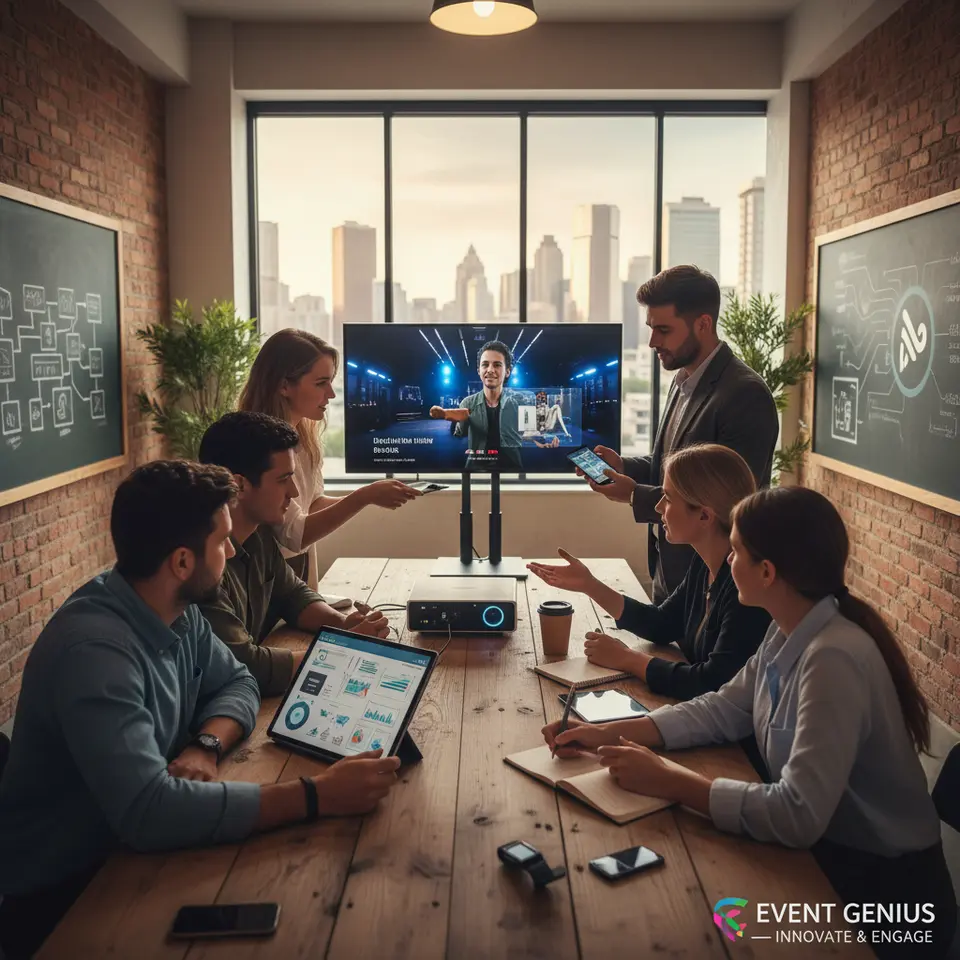
In today’s digital landscape, the art of crafting unforgettable experiences has never been more critical for brands aiming to stand out. Innovative event marketing strategies are helping organizations rethink traditional approaches, combining creativity, advanced technology, and data-driven insights to captivate audiences and build real connections. This year, marketers are tasked with creating seamless journeys that resonate in both physical and virtual realms, ensuring each touchpoint amplifies brand storytelling and maximizes return on investment. Through targeted personalization, interactive elements, and real-time analytics, event planners can design campaigns that not only draw attendees but also sustain engagement long after the keynote is over.
Whether you’re orchestrating a global conference, a product reveal, or a hybrid webinar series, mastering these groundbreaking tactics is essential for boosting attendance, driving participation, and nurturing community loyalty. In this comprehensive guide, we’ll dive into five pivotal pillars—evolution of event marketing, technological enhancements, data-centric ROI optimization, creative experiential design, and post-event community building—that will equip you with a holistic playbook. Embrace these proven methods to elevate your next campaign and position your organization at the forefront of experiential innovation.
The Evolution of Event Marketing: From Print Ads to Immersive Experiences
Event promotion once revolved around print flyers, mailing lists, and static banner ads. However, in today’s fast-paced environment, audiences expect rich, interactive previews that deliver value before the event even begins. Embracing innovative event marketing strategies means moving beyond one-dimensional outreach to craft multisensory invitations. For example, dynamic video teasers shared across social media platforms can showcase speaker highlights, behind-the-scenes preparations, and attendee testimonials to ignite curiosity. Integrating QR codes into physical collateral bridges offline and online worlds, allowing prospects to instantly access event portals, register, or download agendas on their mobile devices.
The rise of hybrid formats has further reshaped how brands conceptualize gatherings. With virtual attendees joining from across the globe, organizers must design parallel journeys—one for in-person participants and another for remote viewers—while ensuring both cohorts enjoy equitable interaction. Live polling, social media walls, and mobile networking lounges keep remote guests engaged, while on-site audiences experience augmented-reality activations and interactive kiosks. This convergence demands a flexible promotional blueprint that prioritizes accessibility, engagement, and consistency across all channels.
Another key evolution lies in harnessing influencer partnerships and user-generated content. By collaborating with industry thought leaders or micro-influencers, event promoters can tap into loyal communities and spark organic buzz. Encouraging attendees to share their own photos, videos, or real-time insights using a branded hashtag not only amplifies reach but also fosters authenticity. These modern tactics, when woven into your innovative event marketing strategies, transform passive spectators into active brand advocates, driving exponential visibility and attendance.
Harnessing Cutting-Edge Technology for Unforgettable Engagement
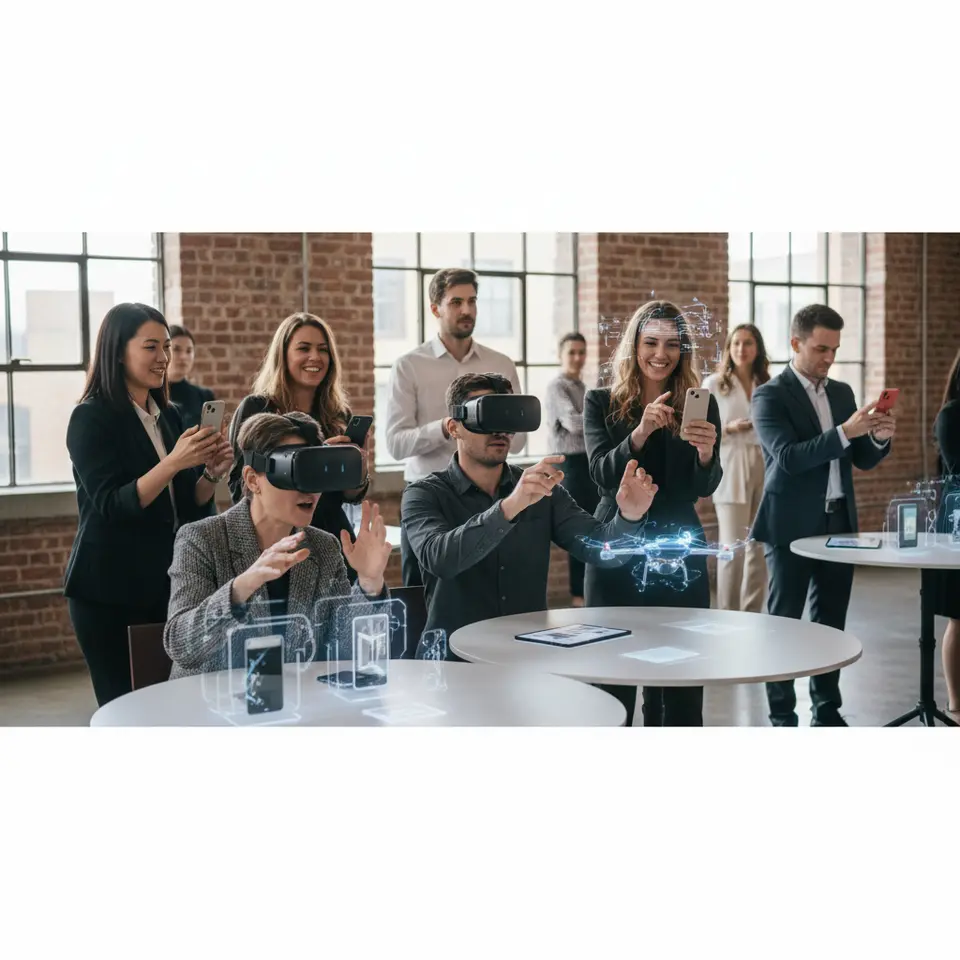
In the quest to elevate attendee satisfaction, technology has become the cornerstone of every successful event. From the moment a prospect lands on your registration page, integrating AI-driven elements and immersive tools creates personalized touchpoints that resonate deeply. Chatbots, for instance, serve as 24/7 virtual concierges—guiding users through ticket selection, answering FAQs, and delivering timely reminders via text or push notifications. This automated assistance significantly reduces friction and ensures prospects remain informed and excited leading up to the big day.
AI-Powered Chatbots and Virtual Assistants
Deploying chatbots on your event website or app accelerates decision-making and improves conversion rates. By leveraging natural language processing (NLP), these conversational agents can handle complex queries, recommend sessions based on interests, and even upsell premium packages. When designed with a friendly persona, AI assistants enhance user experience and free your team to focus on strategic tasks.
Augmented and Virtual Reality Experiences
Augmented Reality (AR) filters and Virtual Reality (VR) demos are game-changers for product launches or showcase events. Imagine attendees trying on digital prototypes through AR overlays or exploring a virtual booth from home via a VR headset. These immersive scenarios generate social media buzz, increase time spent engaging with your brand, and leave a lasting impression. Incorporating shareable AR challenges encourages participants to post branded content, further extending your reach organically.
Personalized Content through Machine Learning
Machine learning algorithms can analyze registration data, website behavior, and previous engagement patterns to curate individualized experiences. From suggesting breakout sessions to scheduling one-on-one meetings with sponsors, this level of personalization fosters stronger emotional connections. By delivering relevant content directly to attendees’ inboxes or event apps, you ensure that every participant feels seen, heard, and valued.
Data Analytics and ROI Optimization in Event Campaigns
Data has emerged as the most reliable compass for guiding modern event marketing decisions. Rather than relying on gut instincts, savvy planners deploy advanced analytics to pinpoint high-impact actions and allocate budgets wisely. Tracking attendee touchpoints—from email open rates and click-throughs to onsite session attendance—enables you to identify which promotional channels drive the greatest registration numbers. A/B testing subject lines, landing page designs, and call-to-action placements helps refine messaging and uncover the optimal formula for conversion.
Attendee Analytics and Behavioral Insights
By integrating event management platforms with web analytics tools, you can generate detailed heatmaps and user flow reports. These insights reveal which content resonates most and where prospects encounter barriers. For instance, if a particular session consistently sees low pre-registration, you may need to enhance its description, secure higher-profile speakers, or adjust its time slot to boost appeal.
A/B Testing for Continuous Improvement
Implementing controlled experiments across email campaigns, social media ads, and landing pages offers clear evidence of what drives engagement. Small tweaks—such as changing a hero image, adjusting button color, or rewriting headlines—can result in measurable uplifts. Document your findings in real time and apply winning variations across all channels to systematically enhance performance throughout the marketing cycle.
Multi-Channel Attribution Models
Accurate ROI measurement depends on attributing conversions to the appropriate touchpoints. Employ UTM parameters on every promotional asset and leverage marketing automation software to unify data streams. This approach allows you to see whether organic search, paid advertising, influencer endorsements, or referral partnerships contribute most significantly to ticket sales. A study by Pew Research Center underscores the power of multi-source attribution in allocating budgets effectively, while the Small Business Administration provides best practices for tracking digital marketing expenditures.
Infusing Creativity: Gamification and Experiential Design
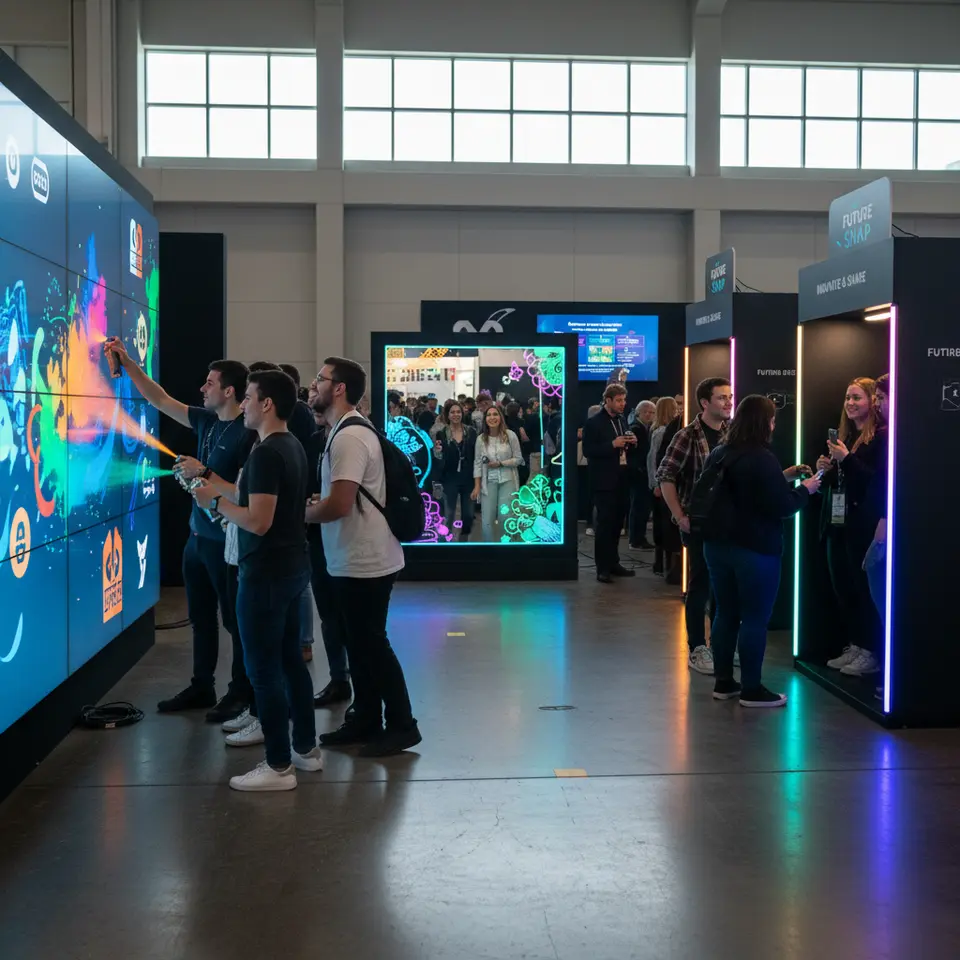
Standing out in a crowded event space requires more than slick technology; it demands imaginative storytelling and interactive moments that surprise participants. Gamification elements—such as digital scavenger hunts, branded leaderboards, or collectible badges—tap into attendees’ competitive spirit and drive active exploration. By rewarding points for visiting exhibitor booths, participating in sessions, or networking with peers, you encourage sustained involvement and foster lively social feeds.
Interactive Gaming and Challenges
Design mobile quests that prompt attendees to complete specific tasks, scan QR codes, or answer trivia questions. Leaderboards displayed on event screens create real-time excitement, while top performers earn prizes, exclusive meet-and-greets, or VIP swag. This layer of fun transforms passive observers into enthusiastic participants.
Themed Networking Lounges
Curate specialized zones—such as innovation hubs, sustainability pods, or industry-specific roundtables—where like-minded guests can gather. Enhance these areas with icebreaker cards, guided discussion topics, and comfortable seating to facilitate meaningful interactions. Virtual events can replicate this concept through video breakout rooms and moderated speed-networking sessions, ensuring everyone connects with relevant contacts.
Immersive Installations and Photo Opportunities
Set up experiential booths featuring AR mirrors, digital graffiti walls, or motion-sensitive light displays. These immersive installations provide shareable moments that attendees can capture and post, generating organic social media exposure. Encourage user-generated content by offering instant printouts or digital frames branded with your event’s hashtag.
Sustaining Momentum: Post-Event Follow-Up and Community Engagement
While the main event may conclude in a matter of days, the relationship with your audience extends far beyond. Implementing a thoughtful post-event touchpoint plan is central to reinforcing brand recall and nurturing leads. Personalized thank-you emails that recap highlights, share session recordings, and provide exclusive discounts on future offerings maintain the momentum generated on site. By delivering relevant content to each attendee segment—speakers, sponsors, and general participants—you reinforce value and lay the groundwork for long-term loyalty.
Targeted Thank-You Campaigns
Create automated email sequences that address individual interests based on session attendance. For example, send additional resources to those who joined a technical workshop or invite them to related follow-up webinars. Pair these messages with engaging visuals and clear calls to action to keep recipients invested in your brand narrative.
Feedback Collection and Improvement Loops
Solicit attendee feedback through concise surveys distributed immediately after the event. Ask targeted questions about content quality, technology usability, and overall satisfaction. Use this data to iterate on future programming and demonstrate to your community that their opinions shape your event roadmap.
Building Dedicated Online Communities
Transitioning attendees into an ongoing forum—whether on a proprietary platform or social media group—fosters peer-to-peer networking and knowledge sharing. Regularly post curated content, host live Q&A sessions with industry experts, and announce upcoming events to keep the dialogue alive. This continuous engagement strategy amplifies ROI by transforming one-off participants into brand champions.
FAQs
How can I create immersive experiences for my event?
Leverage AR and VR technologies to build interactive demos and shareable challenges. These tools engage attendees on a deeper level and encourage social sharing that amplifies your event’s reach.
What tools help measure event marketing ROI?
Use integrated event management platforms combined with web analytics and UTM parameters. This setup provides clear attribution models, heatmaps, and user flow insights to refine your campaigns and allocate budgets effectively.
How do I keep attendees engaged after the event?
Implement targeted follow-up campaigns that share on-demand content, personalized resources, and exclusive offers. Additionally, build dedicated online communities to maintain peer-to-peer networking and continuous dialogue.
Conclusion
In today’s competitive environment, innovative event marketing strategies require a seamless blend of creativity, cutting-edge technology, and data-driven decision-making. By tracing the evolution from print ads to immersive AR experiences, leveraging AI-powered personalization, employing rigorous analytics, infusing gamified design elements, and nurturing post-event communities, marketers can craft campaigns that captivate audiences and deliver measurable results. Embrace these proven tactics this year to forge authentic connections, elevate attendee satisfaction, and maximize ROI. As you integrate these approaches into your next event, you’ll not only differentiate your brand but also build a foundation for sustained growth and loyalty in the ever-evolving world of experiential marketing.