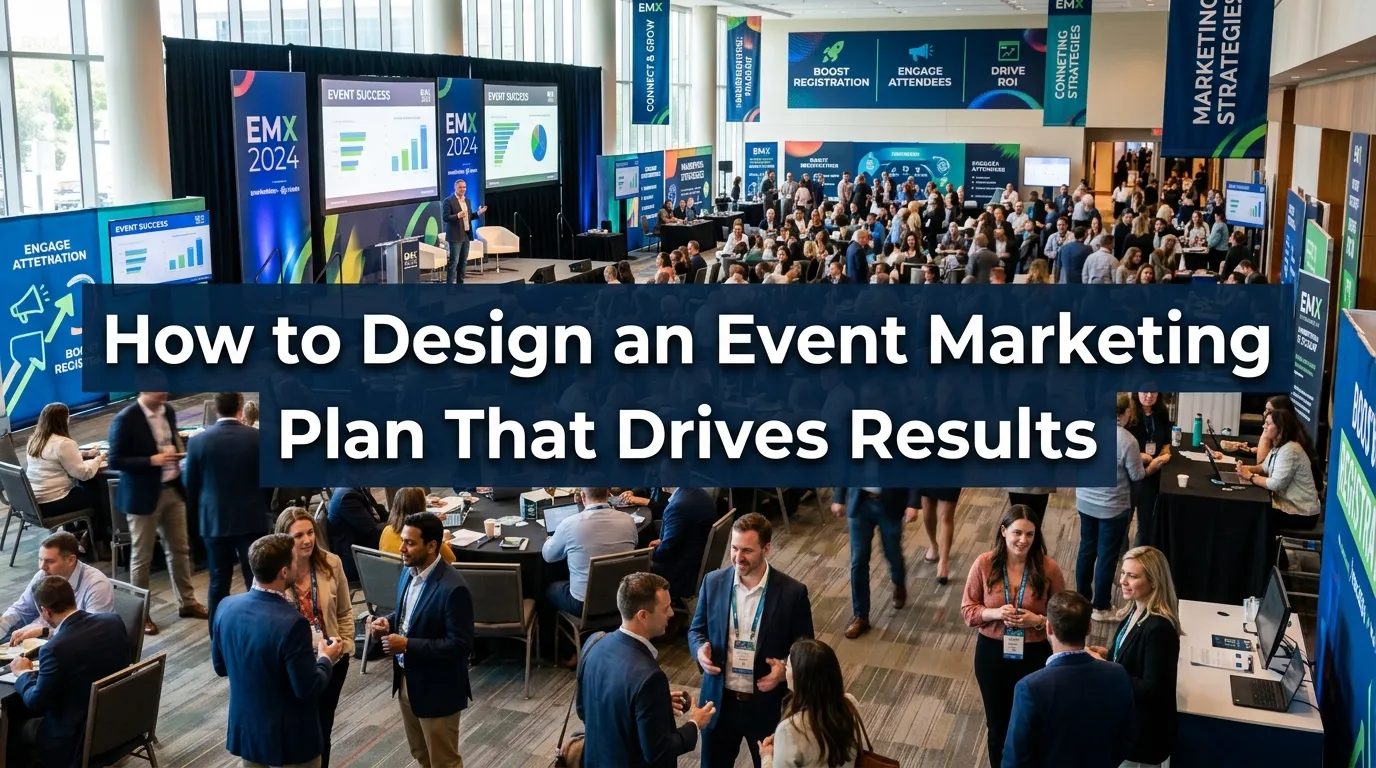
A strategic Event Marketing Plan outlines your promotional tactics, timeline, and goals. By following this guide, you will learn how to allocate resources effectively, choose the best promotional channels, craft the right messages, and track metrics to secure higher attendance and a massive return on investment. Professionals in the field of event marketing underscore that a solid Event Marketing Plan is the backbone of any major gathering, whether your objective is to increase ticket sales, generate quality leads, or boost your brand’s reputation.
Every successful gathering begins with a robust Event Marketing Plan. We will show you exactly how to build an Event Marketing Plan that guarantees packed rooms and engaged attendees.
What Exactly Is an Event Marketing Plan?
An Event Marketing Plan is a comprehensive blueprint designed to promote your gathering, whether it is a small workshop, seminar, or a massive industry conference. It serves as your strategic roadmap, detailing exactly how you will attract your target audience and convince them to register. Without a documented Event Marketing Plan, your promotional efforts become scattered and ineffective.
A well-crafted Event Marketing Plan dictates your messaging, pinpoints your most effective channels, and keeps your entire team aligned. It ensures every dollar spent contributes directly to your ultimate goals, such as driving ticket sales, maximizing engagement, or capturing qualified leads. When you create an Event Marketing Plan, you move away from hoping people show up and start actively driving attendance through calculated, data-backed decisions. This shift is essential in today’s crowded event space, where a shallow or unfocused plan can cost you time, money, and credibility.
The Essential Components of a Winning Event Marketing Plan
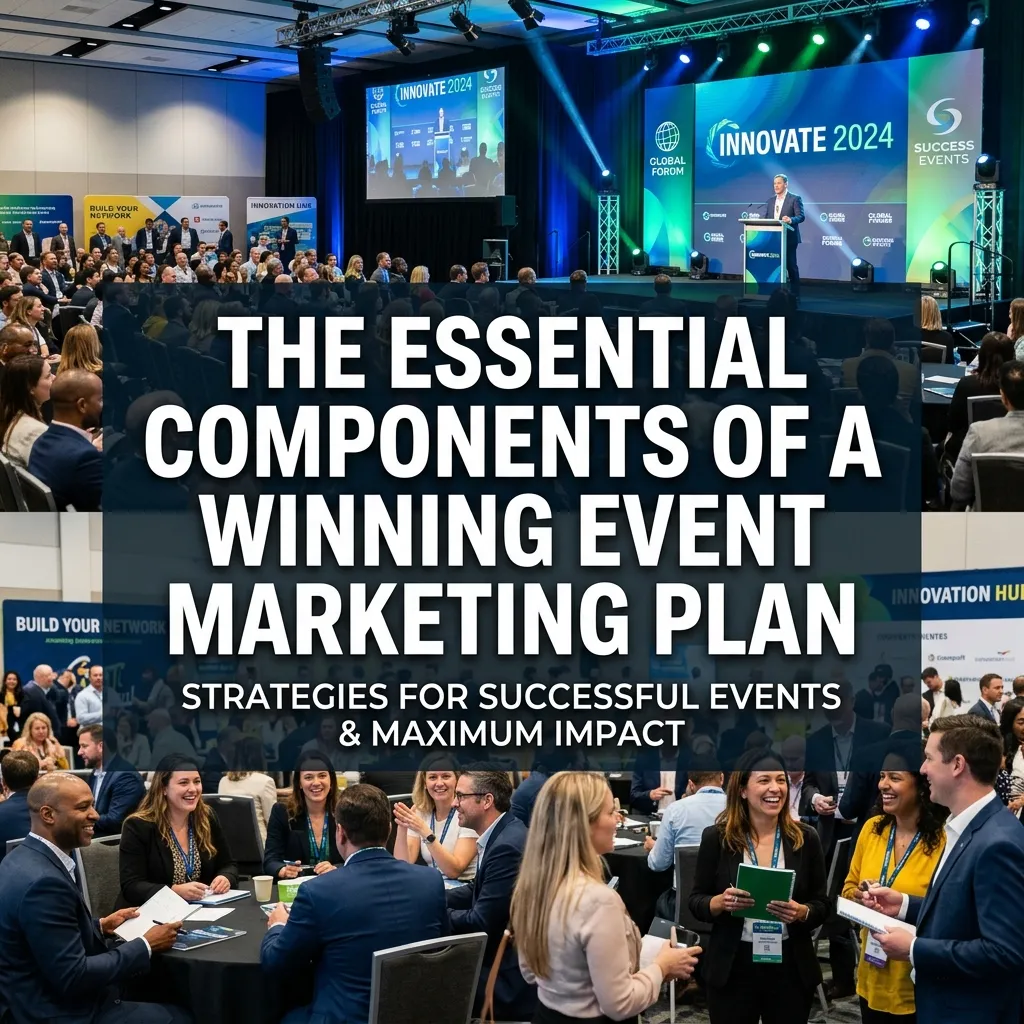
To make your Event Marketing Plan work, you must include several core components. Missing even one of these elements can cause your Event Marketing Plan to underperform and may lead to missed opportunities for engagement and growth.
Clear and Measurable Goals
Every Event Marketing Plan needs specific, measurable objectives. You cannot measure the success of your Event Marketing Plan if you do not know what you are trying to achieve. Are you aiming for 500 registrations? Do you want to generate 200 qualified leads? Your Event Marketing Plan must spell this out clearly using the SMART goal framework, holding your team and stakeholders accountable while giving you a benchmark to optimize against.
Detailed Audience Personas
Your Event Marketing Plan must identify exactly who you are trying to reach. A generic Event Marketing Plan that targets “everyone” will ultimately reach no one. By building detailed personas into your Event Marketing Plan, you ensure your messaging speaks directly to the pain points and desires of your ideal attendees. Audience insights will also inform which platforms, content types, and promotional strategies are most likely to succeed.
A Comprehensive Promotional Timeline
Timing is everything in event marketing. Your Event Marketing Plan must include a strict schedule that outlines when emails are sent, ads launch, and social media posts go live. A phased timeline inside your Event Marketing Plan builds anticipation gradually, creates urgency, and ensures a steady drumbeat of communication leading up to and after the event.
Powerful Messaging and Storytelling
Great events connect with audiences on an emotional level. Your Event Marketing Plan should include a unique value proposition and consistent key messaging for all communications. Tell the story of why your event is unmissable, and make sure your materials reflect your brand voice. This storytelling approach will set your Event Marketing Plan apart from the competition and drive desire among your target audience.
Performance Metrics and Iteration
The most impactful Event Marketing Plan is one that is measured, analyzed, and improved over time. Outline your core KPIs from the start—such as registrations, social engagement, landing page conversions, or qualified leads—so you can gauge progress at every phase and optimize as you go. Using real-time data is what differentiates a generic plan from a next-level Event Marketing Plan.
Step 1: Establish Your Event Marketing Plan Goals
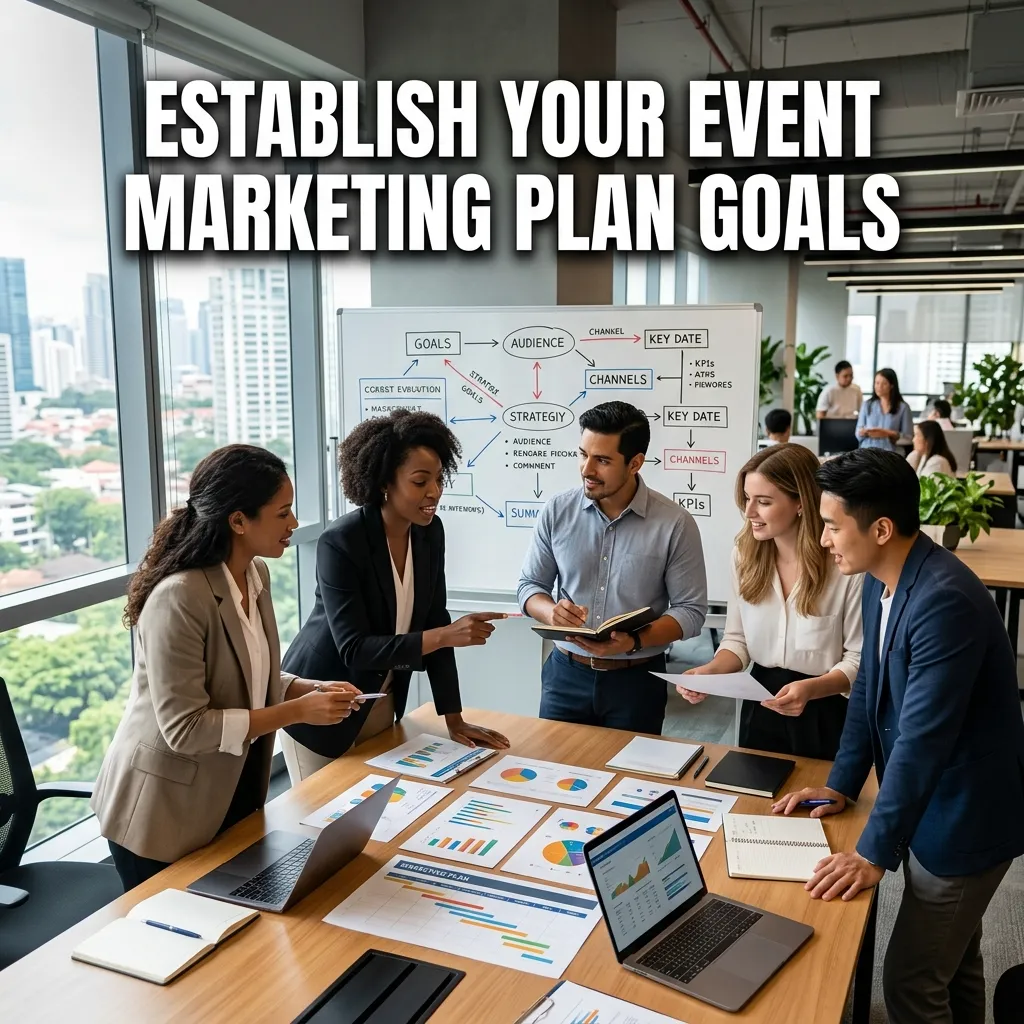
The foundation of any great Event Marketing Plan is goal setting. What is the ultimate purpose of your gathering? Your Event Marketing Plan should focus on actionable metrics. Do not just say you want “brand awareness.” Instead, structure your Event Marketing Plan to target a 20% increase in social media mentions, 1,000 new email subscribers, or a set number of demo bookings during the event.
When defining goals for your Event Marketing Plan, look at historical data. If your previous Event Marketing Plan generated 300 attendees, use that baseline to project a realistic increase for your next Event Marketing Plan. Tie these goals to your broader business objectives to ensure your Event Marketing Plan delivers actual value to the organization—not just a vanity metric. Integrate any relevant industry benchmarks from sources like Lyyti or Cvent to set stretch goals where appropriate.
Step 2: Define the Target Audience in Your Event Marketing Plan
If you want your Event Marketing Plan to succeed, you must understand your target audience intimately. An effective Event Marketing Plan segments potential attendees based on demographics, job titles, interests, and behavioral traits.
How do you find this data for your Event Marketing Plan? Look at your CRM or use tools like Google Analytics and Facebook Insights to uncover patterns in your website visitors or social followers. Use these insights to craft personas within your Event Marketing Plan—think: “SaaS CMO seeking lead-gen opportunities” or “HR manager looking for new industry contacts.” When your Event Marketing Plan speaks directly to a CEO’s desire for networking or a manager’s need for skill-building, your conversion rates will soar.
Incorporating B2B event marketing tactics—such as case studies, tailored workshops, or networking lounges—can be particularly effective. Reference past registration lists, attendee surveys, and feedback forms to enrich your audience profile for this and every future Event Marketing Plan.
Step 3: Allocate Your Event Marketing Plan Budget
An Event Marketing Plan is only as strong as the budget supporting it. You must dedicate a specific section of your Event Marketing Plan to finances. Outline exactly how much you will spend on event promotion, advertising, content creation, and technology.
Budgeting Best Practices for Your Event Marketing Plan
- Technology and Tools: Your Event Marketing Plan should account for event management software, ticketing platforms, virtual or hybrid event tech, and automation systems.
- Advertising: Allocate funds in your Event Marketing Plan for pay-per-click ads, sponsored content, geo-targeted campaigns, and boosted social posts.
- Content Production: Your Event Marketing Plan needs resources for video teasers, on-brand graphic design, professional copywriting, speaker highlight reels, and interactive content.
- Contingency: A smart Event Marketing Plan always includes a 10% buffer for unexpected expenses—unforeseen shifts in audience behavior or sudden creative requirements.
By tracking expenses within your Event Marketing Plan, you can calculate your event ROI accurately once the gathering concludes. Consider building a budget tracker spreadsheet or leveraging automation from platforms like HubSpot or Eventbrite to monitor real-time campaign spend.
Step 4: Map Out Your Event Marketing Plan Timeline
An effective Event Marketing Plan requires a phased timeline. You cannot execute an Event Marketing Plan effectively if you leave everything to the last minute. Break your Event Marketing Plan down into pre-launch, active promotion, last-minute push, on-site engagement, and post-event follow-up. Set deadlines for each deliverable, assign ownership, and use tools like Asana, Trello, or Google Sheets for transparency and accountability.
The Pre-Launch Phase of Your Event Marketing Plan
Start this phase of your Event Marketing Plan three to six months out. Announce the date via “save the date” emails and landing pages, launch registration, and start teasing keynote speakers and top-tier sponsors to build anticipation. Your Event Marketing Plan should focus heavily on early-bird pricing strategies, influencer partnerships, and generating initial buzz through media outreach or PR.
The Active Promotion Phase
Two months out, your Event Marketing Plan shifts into high gear. Launch your social media campaigns, activate your event hashtag, and roll out consistent email sequences. Your Event Marketing Plan must push regular content that highlights the unique value attendees will gain—exclusive networking, hands-on learning, celebrity speakers, or live entertainment. Offer limited-time incentives and encourage social shares at each campaign touchpoint.
The Final Push
In the last two weeks, your Event Marketing Plan must create urgency. Use countdown timers in your emails, “last chance” calls to action, quick-win giveaways, and targeted retargeting ads. Your Event Marketing Plan should leverage FOMO (Fear Of Missing Out) to capture procrastinators. Personal outreach from speakers, ambassadors, or past attendees can add an authentic, persuasive touch.
On-Site and Post-Event Engagement
Your Event Marketing Plan isn’t finished when the doors open. On-site promotion should include live streaming, real-time social media updates, and gamified experiences. After the event, initiate rapid-response follow-up with thank-you messages, share event highlights and key content, distribute surveys, and promote on-demand resources to keep your brand top of mind. This cycle warms up your audience for your next Event Marketing Plan.
Step 5: Select the Best Channels for Your Event Marketing Plan
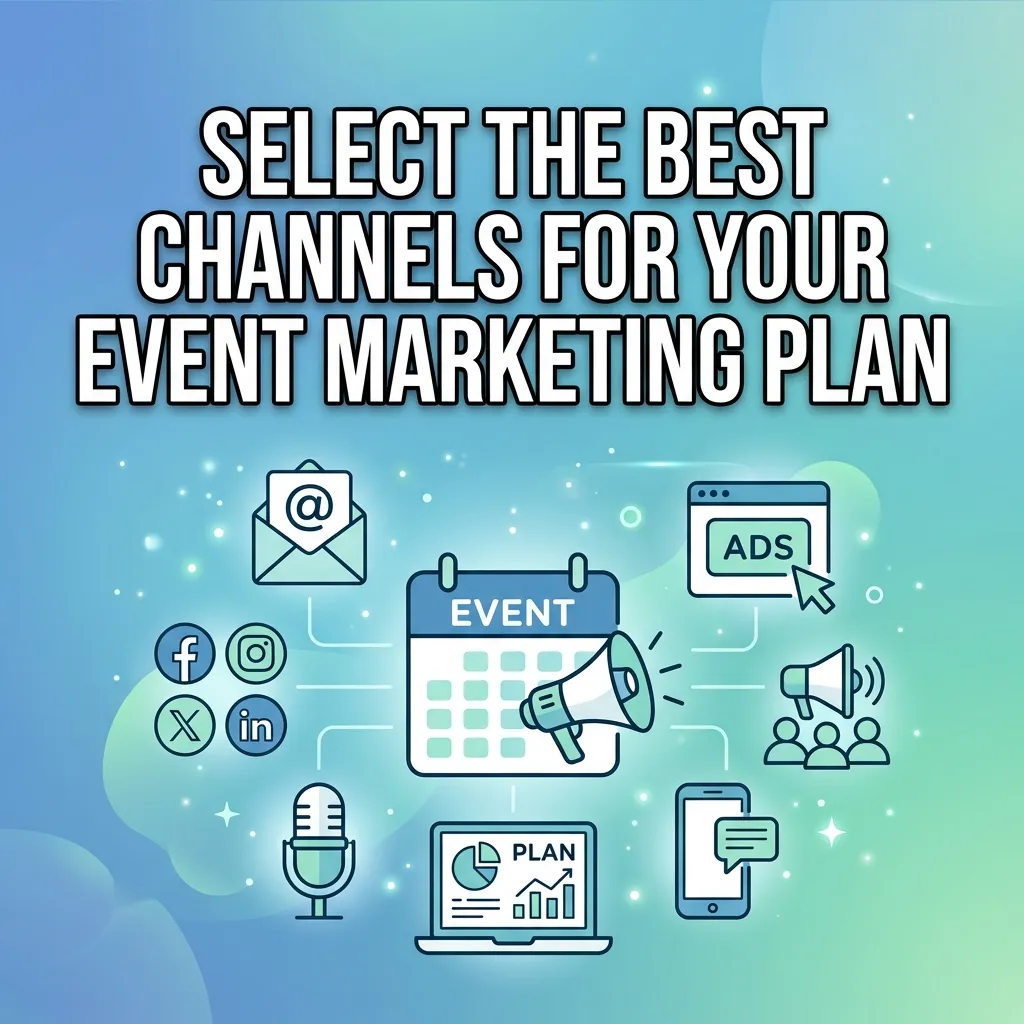
A multi-channel approach is crucial for any Event Marketing Plan. Relying on just one platform limits the reach and impact of your Event Marketing Plan.
Leveraging Email in Your Event Marketing Plan
An email marketing strategy remains the highest converting channel for almost any Event Marketing Plan. Segment your lists so your Event Marketing Plan delivers personalized, relevant messages. Send different emails to first-timers and loyal returnees. This level of precision is what makes an Event Marketing Plan highly effective. Make use of automation for reminders, confirmations, and drip campaigns pre- and post-event.
Utilizing Social Media in Your Event Marketing Plan
Your Event Marketing Plan must include a robust social media presence. Create an official hashtag and feature it prominently in every channel. Utilize reels, live videos, and cross-promotions with speakers, sponsors, and brand ambassadors. Encourage attendees to share their own content, expanding your Event Marketing Plan’s organic reach. Platforms like Instagram Stories and LinkedIn Events are particularly powerful for professional audiences.
Paid Advertising in Your Event Marketing Plan
To reach new audiences, your Event Marketing Plan should incorporate paid search, display, and social media ads. Set up tracking pixels and retargeting early in your Event Marketing Plan to capture visitors who left your registration page without signing up. Test creative messaging, analyze click-through and conversion data, and scale up the highest-performing ad sets for maximum impact.
Media Partnerships and Influencer Collaborations
Seek collaborations with media outlets, podcasts, and respected industry influencers. Strategic partnerships can amplify your Event Marketing Plan’s reach, provide access to niche communities, and foster credibility. Offer co-branded content, podcast interviews, or guest blog posts to maximize exposure.
Event Marketing Plan Channel Comparison
To help you structure your Event Marketing Plan, here is a breakdown of common channels and their expected impact.
|
Marketing Channel |
Primary Purpose in Your Event Marketing Plan |
Cost Level |
Expected Conversion Speed |
|---|---|---|---|
|
Email Marketing |
Driving direct ticket sales and nurturing leads |
Low |
Fast |
|
Organic Social Media |
Building community and brand awareness |
Low |
Slow |
|
Paid Social Ads |
Reaching new, targeted demographics |
Medium-High |
Medium |
|
Search Engine Ads |
Capturing high-intent search traffic |
High |
Fast |
|
Influencer Partnerships |
Tapping into established, loyal audiences |
Varies |
Medium |
Use this table to balance the strategy within your Event Marketing Plan according to your audience and goals.
Pro Tips for Elevating Your Event Marketing Plan
Industry experts rely on advanced tactics to make their Event Marketing Plan stand out. Incorporate these expert insights into your Event Marketing Plan for maximum impact.
- Leverage User-Generated Content: A great Event Marketing Plan encourages attendees to post about their excitement pre, during, and after the event. Run contests to incentivize sharing and create a digital ambassador program.
- Focus on the Hybrid Experience: Modern attendees expect flexibility. Ensure your Event Marketing Plan includes messaging about virtual access, on-demand content, and interactive online features for hybrid events—this greatly expands your potential audience.
- Create Speaker Toolkits: Make it easy for your speakers, sponsors, and partners to promote the gathering. A smart Event Marketing Plan provides pre-written tweets, LinkedIn posts, and visual assets for others to share across their own networks.
- Build Community Year-Round: Don’t let the conversation die after your event. Launch an online group, post ongoing educational content, or offer discounted registration for your next event as part of your Event Marketing Plan.
Expert Tip: Regularly read case studies and best practice guides from reputable sources like Skift Meetings, Eventcombo, and Cvent Blog for proven strategies to enhance your Event Marketing Plan.
Common Mistakes to Avoid in Your Event Marketing Plan
Even experienced planners make critical errors when crafting an Event Marketing Plan. Avoiding these pitfalls will keep your Event Marketing Plan on track.
Failing to Define the Audience in Your Event Marketing Plan
As mentioned, a vague Event Marketing Plan fails by trying to appeal to everyone. If your Event Marketing Plan lacks clear personas and segmentation, your messaging will be weak and your results poor. Keep your Event Marketing Plan highly targeted for the best outcome.
Ignoring Post-Event Strategies in Your Event Marketing Plan
Many assume that an Event Marketing Plan ends when the doors open; this is false and costly. A complete Event Marketing Plan includes comprehensive post-gathering follow-ups such as thank-you emails, speaker slides, video recaps, and attendee surveys. This extends the lifespan of your Event Marketing Plan and keeps your community engaged for the next cycle.
Not Tracking Data in Your Event Marketing Plan
If your Event Marketing Plan does not include performance tracking, you are flying blind. Use tracking links, UTM parameters, and dashboards for every campaign in your Event Marketing Plan. This data-driven approach shows you exactly which parts of your Event Marketing Plan are driving the most registrations, engagement, and revenue.
Measuring the Success of Your Event Marketing Plan
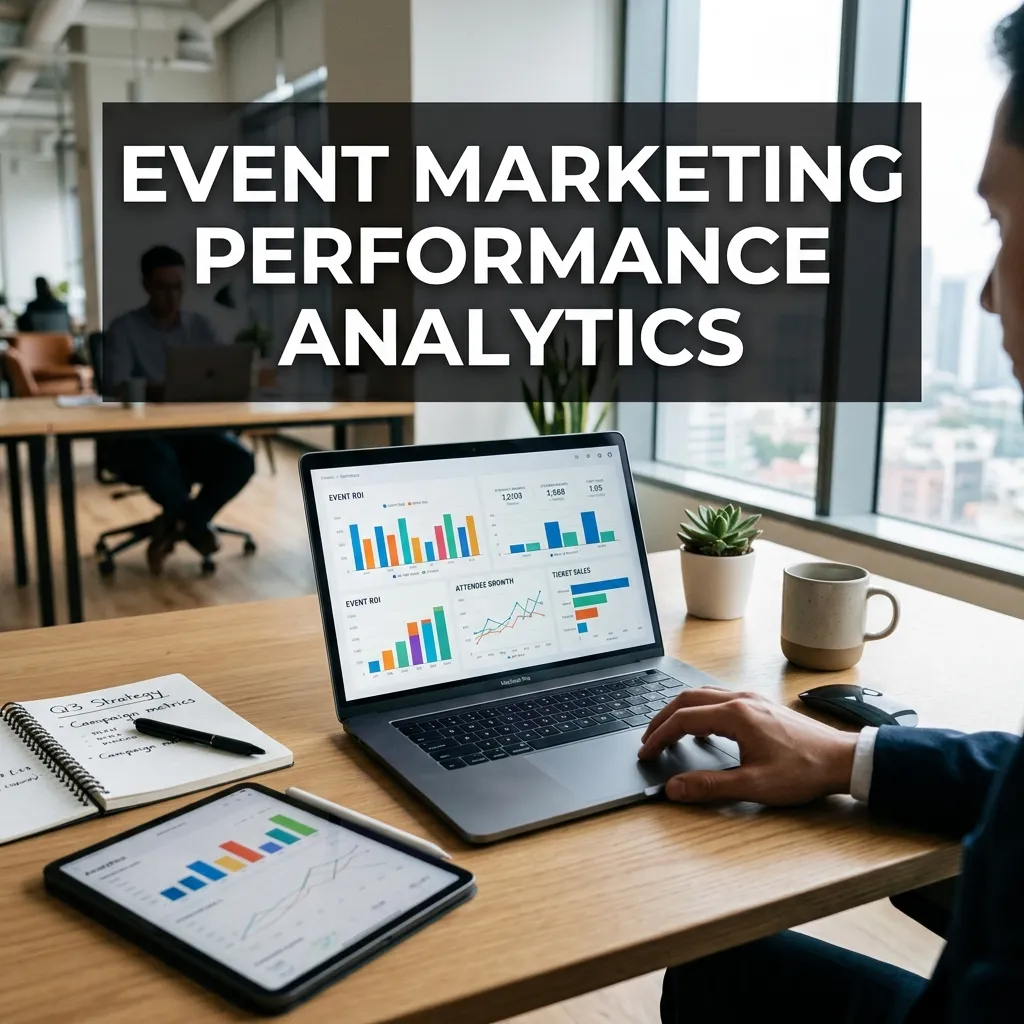
The final phase of your Event Marketing Plan involves detailed analysis. You must review the metrics defined early in your Event Marketing Plan to accurately determine your true event ROI and overall success.
Look at registration numbers, ticket sales, email open rates, website traffic analytics, and post-event feedback. Did your Event Marketing Plan generate the expected results? Did each channel perform as projected? By meticulously analyzing the data from your Event Marketing Plan, you can uncover which tactics worked best—and which should be optimized or replaced next time.
Benchmark your results with insights from Forbes, EventMB, and The Events Calendar to see how your Event Marketing Plan stands against industry leaders. Document these learnings and apply them proactively in the next cycle to increase your Event Marketing Plan’s sophistication and impact year after year.
Conclusion
A well-crafted Event Marketing Plan is your ticket to consistent, measurable event success. As we’ve discussed, a robust Event Marketing Plan is far more than a checklist—it’s a living document that defines your goals, profiles your audience, allocates your budget, and lays out your full promotional timeline. By leveraging multiple channels, precise messaging, expert tactics, performance tracking, and post-event analytics, your Event Marketing Plan becomes the engine that fuels not just attendance, but engagement, brand growth, and real business results. The most successful events are those that treat their Event Marketing Plan as a dynamic, data-driven playbook. Commit to refining each cycle—and watch your registration numbers, brand loyalty, and event ROI reach new heights.
FAQs
What is an Event Marketing Plan?
An Event Marketing Plan is a strategic document that details how you will promote a gathering. The Event Marketing Plan outlines your audience, budget, channels, and timeline to maximize attendance and engagement.
Why do I need an Event Marketing Plan?
You need an Event Marketing Plan to organize your promotional efforts. An Event Marketing Plan prevents wasted budget, aligns your team, and ensures you reach your target demographic effectively.
How far in advance should I start my Event Marketing Plan?
You should begin executing your Event Marketing Plan at least three to six months before the date. A longer timeline allows your Event Marketing Plan to build anticipation and secure early registrations.
What should the budget of my Event Marketing Plan include?
Your Event Marketing Plan budget should cover software, paid advertising, content creation, and a contingency fund. Tracking these costs in your Event Marketing Plan helps calculate an accurate return on investment.
How do I choose channels for my Event Marketing Plan?
Select channels for your Event Marketing Plan based on where your audience spends their time. Most successful Event Marketing Plan strategies use a mix of email, social media, and paid search.
How does an Event Marketing Plan help with ticket sales?
An Event Marketing Plan uses targeted messaging and urgency tactics. By following an Event Marketing Plan, you reach the right people at the right time, drastically increasing conversions.
Can an Event Marketing Plan work for virtual gatherings?
Yes, an Event Marketing Plan is essential for virtual and hybrid formats. Your Event Marketing Plan simply shifts focus toward digital engagement, software access, and online networking opportunities.
Who should be involved in creating an Event Marketing Plan?
Your Event Marketing Plan should be a collaborative effort. Involve your marketing team, sales staff, and leadership when drafting the Event Marketing Plan to ensure all business goals are aligned.
How do I measure the success of an Event Marketing Plan?
Evaluate your Event Marketing Plan by looking at website traffic, registration numbers, email engagement, and total revenue. Compare these figures against the initial goals set in your Event Marketing Plan.
What is the biggest mistake in an Event Marketing Plan?
The biggest mistake is failing to define a specific audience. If your Event Marketing Plan lacks clear personas, your promotional messaging will fail to resonate and drive action.