In today’s crowded digital world, people do not remember generic ads for long. They remember moments. They remember a live demo that solved a problem, a pop-up event that surprised them, or an interactive campaign that made them feel seen. That is why experiential Marketing Strategies have become one of the most effective ways to build emotional connection. They create experiences that move beyond promotion and into memory.
What Is Experiential Marketing?
What is experiential marketing? It is a marketing approach that focuses on creating direct, interactive, and memorable experiences for an audience. Instead of simply telling people why a brand matters, the brand gives them a chance to experience the value firsthand. Experiential Marketing Strategies work because human beings remember action more strongly than passive information.
At its core, experiential marketing is about emotion, participation, and shared moments. A person might attend an event, use a product in a creative setting, join a workshop, or interact with a branded installation. Each of these touchpoints helps the brand feel more real. Experiential Marketing Strategies work especially well when the experience matches the brand promise and gives people a reason to care beyond the purchase.
A strong experiential program does not feel like a sales pitch. It feels useful, enjoyable, or inspiring. That is why experiential Marketing Strategies can work across many industries, from consumer goods to technology, hospitality, fashion, fitness, and education. When done right, they can make a brand feel alive.
Why These Strategies Work So Well
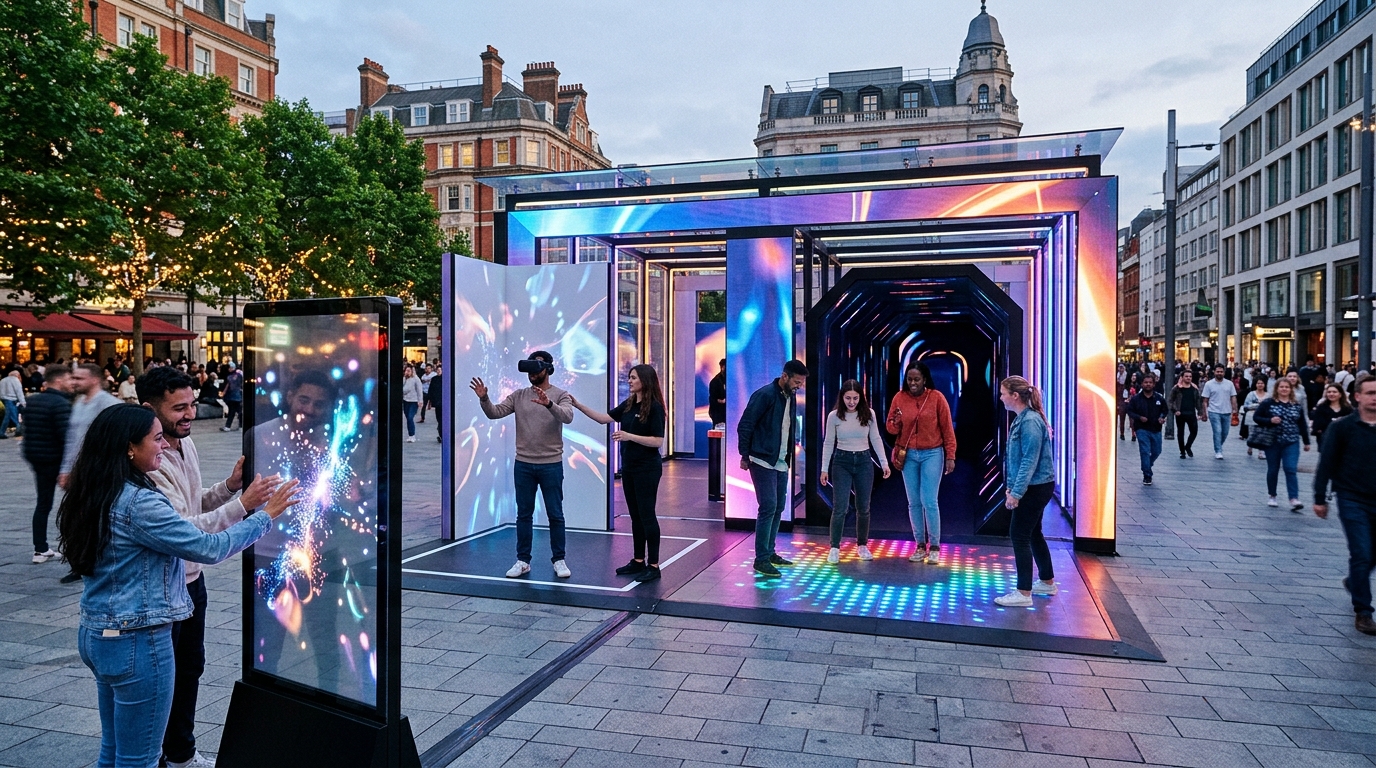
Experiential Marketing Strategies are effective because they connect with human psychology. People naturally pay more attention to experiences that involve movement, emotion, surprise, or social interaction. A memorable experience activates curiosity and creates stronger recall. This is one of the main reasons experiential Marketing Strategies often outperform static brand messages.
People also trust what they can see and touch more than what they simply read. When a brand invites participation, it reduces distance and increases confidence. Experiential Marketing Strategies make the brand feel accessible, authentic, and human. That emotional closeness can be more persuasive than a long list of product features.
Another reason these strategies work is social sharing. A well-designed brand experience can inspire photos, videos, reviews, and word-of-mouth. In other words, experiential Marketing Strategies can create both live engagement and digital amplification. One moment can travel far beyond the event itself.
Core Principles Behind Strong Brand Experiences
To build memorable campaigns, experiential Marketing Strategies should always begin with a clear purpose. The experience should answer a simple question: what should the audience feel, learn, or remember? Without that clarity, even a beautiful activation can become forgettable. The best experiential Marketing Strategies start with a goal and then design the experience around it.
The second principle is relevance. The experience must connect to the audience’s needs, interests, or identity. When people feel that a brand understands them, they lean in. That is why experiential Marketing Strategies should be audience-first, not brand-first. The brand is important, but the participant’s experience comes first.
The third principle is consistency. Every detail should reflect the same message, from visuals and tone to staff behavior and follow-up communication. If the campaign promises creativity but feels confusing or cold, it loses impact. Effective experiential Marketing Strategies align the experience with the brand story from beginning to end.
Experiential Marketing Campaigns That Leave a Mark
Experiential marketing campaigns are successful when they create a journey, not just an event. A single touchpoint can be powerful, but a campaign becomes stronger when it guides people through anticipation, interaction, and follow-up. Experiential Marketing Strategies work best when the audience feels invited into a story.
A strong campaign often starts with curiosity. Teasers, invitations, previews, or early access can build momentum before the main experience begins. During the activation, the brand should make participation easy and enjoyable. Afterwards, the campaign should continue through thank-you messages, content sharing, and next-step offers. Experiential Marketing Strategies create more value when they do not stop at the event door.
Here is a simple planning framework:
| Stage | Goal | Example |
|---|---|---|
| Pre-event | Build interest | Teaser content, invites, registrations |
| Live experience | Create engagement | Demo zones, interactive booths, workshops |
| Post-event | Extend memory | Emails, social clips, offers, surveys |
This structure helps experiential Marketing Strategies feel complete and intentional rather than random.
How to Create Brand Experiences That People Remember
How to create brand experiences begins with understanding the audience deeply. What motivates them? What frustrates them? What would positively surprise them? Once you know that, experiential Marketing Strategies become much easier to shape. The experience should solve a real emotional or practical need, not just decorate a marketing plan.
Next, decide what kind of interaction will create the strongest memory. It could be hands-on product testing, immersive storytelling, live entertainment, educational content, or community participation. Experiential Marketing Strategies are strongest when the interaction feels meaningful and not forced. The more natural the participation, the stronger the connection.
Then design the environment with intention. Lighting, layout, sound, staff tone, signage, and pacing all matter. People remember how a brand experience felt, not just what it said. That is why experiential Marketing Strategies should treat every detail as part of the message.
Finally, always plan the follow-up. A powerful in-person moment is valuable, but the brand relationship should continue after the experience ends. A thank-you note, a social recap, or a personalized offer can help the memory last longer. That is how experiential Marketing Strategies turn moments into momentum.
Experiential Event Marketing in Practice
Experiential event marketing is one of the most visible forms of this approach. It includes brand activations, launches, live demonstrations, conferences, festivals, trade shows, mobile tours, and pop-up installations. Experiential Marketing Strategies in events work because they bring people together in a real environment where the brand can be experienced directly.
At events, attention is limited, so every second matters. The best setups are simple to understand and easy to enter. People should know quickly what the brand offers and why they should participate. Experiential Marketing Strategies for events should create both immediate engagement and a reason to remember the brand later.
Event marketing also gives brands a chance to collect feedback in real time. Conversations, demonstrations, and reactions can reveal what customers value most. That insight makes future experiential Marketing Strategies even stronger because they are informed by real audience behavior.
Experiential Marketing Examples That Show the Possibilities
Experiential marketing examples can be found across many categories. A beverage brand might create a tasting lounge that feels like an escape from the city. A tech company might build an interactive demo space where users can test features in a realistic environment. A fashion label might host a styling event where customers try products in a personalized setting. All of these are examples of experiential Marketing Strategies in action.
Another common example is a pop-up store that turns shopping into entertainment. The point is not only to sell items, but also to create an atmosphere people want to visit and share. Experiential Marketing Strategies work well here because the experience itself becomes part of the product story.
Some brands use immersive storytelling, such as themed rooms, virtual reality zones, or interactive displays. Others focus on community, like workshops, local partnerships, or charity activations. The best experiential marketing examples always match the brand identity and the audience’s lifestyle. That alignment is what makes experiential Marketing Strategies memorable instead of gimmicky.
Benefits of Experiential Marketing for Modern Brands
Benefits of experiential marketing go far beyond immediate sales. One major benefit is stronger brand recall. When people actively participate, they remember the experience more clearly than a passive ad. Experiential Marketing Strategies help the brand stay top of mind because the memory is connected to emotion and action.
Another benefit is trust. A live or interactive experience reduces uncertainty and gives people a chance to judge the brand for themselves. That can lower hesitation and increase confidence in the purchase decision. Experiential Marketing Strategies can also improve customer loyalty because people feel more personally connected to a brand that invested in their experience.
A third benefit is content creation. Events and activations often generate photos, videos, testimonials, and social posts. That means one well-designed experience can produce multiple layers of marketing value. Experiential Marketing Strategies are especially powerful when they create shareable moments that continue online.
There is also a research advantage. Brands can observe behavior, ask questions, and understand what resonates most. That information can improve future campaigns, product development, and messaging. In this way, experiential Marketing Strategies become both a promotion tool and a learning tool.
Common Mistakes to Avoid
Even strong experiential Marketing Strategies can fail if the execution is weak. One common mistake is focusing too much on the brand and too little on the audience. If people feel talked at instead of invited in, the experience loses energy. The most effective experiential Marketing Strategies always respect the participant’s time and attention.
Another mistake is overcomplication. A campaign does not need too many features to be effective. In fact, too much clutter can make it confusing. Clear, simple, and meaningful experiences usually perform better than overloaded setups. Experiential Marketing Strategies should make participation easy, not exhausting.
A third mistake is ignoring follow-up. A campaign that ends without a next step wastes momentum. After the event, people should receive something useful, relevant, or emotionally satisfying. That is how experiential Marketing Strategies extend the value of the original experience.
A Practical Step-by-Step Approach

If you are planning your own campaign, start by defining the objective. Do you want awareness, leads, product trial, loyalty, or social buzz? Clear objectives make experiential Marketing Strategies easier to design and measure. Without a goal, it is hard to know whether the experience succeeded.
Then define the audience. Build the experience around their interests, habits, and expectations. Next, choose the format that best fits the objective. A pop-up may work for discovery, while a workshop may work for education. Experiential Marketing Strategies should always match the format to the desired outcome.
After that, create a simple journey. People should know what happens before, during, and after the interaction. That journey should feel smooth and rewarding. Once the experience is launched, collect feedback and measure performance. The best experiential Marketing Strategies improve over time because they are treated as living systems, not one-time events.
How to Measure Success
Measuring experiential Marketing Strategies is important because memorable does not automatically mean effective. Start with attendance, engagement rate, dwell time, and participation levels. These show whether people actually interacted with the experience. Then look at leads, sign-ups, sales lift, or redemptions if those were your goals.
You should also measure emotional outcomes. Surveys, social sentiment, comments, and repeat visits can reveal how people felt about the experience. Since experiential Marketing Strategies are built on human connection, emotional feedback matters just as much as numerical results.
Content reach is another useful metric. Track how many posts, shares, mentions, and videos the campaign produced. A strong experience can have a long digital life. That is one reason experiential Marketing Strategies are such a valuable part of modern brand building.
Conclusion
Modern audiences expect more than polished messages. They want connection, utility, and moments that feel personal. That is why experiential Marketing Strategies continue to grow in importance. They create spaces where brands can build trust through real interaction and emotional resonance.
If a brand wants to stand out in a crowded market, it needs more than visibility. It needs meaning. Experiential Marketing Strategies offer that meaning by turning marketing into participation and participation into memory. When the experience feels genuine, people do not just notice the brand; they remember it.
FAQ
1. What makes experiential marketing different from traditional marketing?
Experiential marketing focuses on direct participation and real-world interaction, while traditional marketing often focuses on one-way messaging. Experiential Marketing Strategies create a stronger emotional connection because people actively take part in the experience.
2. Are experiential marketing campaigns expensive?
Not always. Some experiential marketing campaigns are large and immersive, but many can be simple and effective. Experiential Marketing Strategies can work at different budget levels if the idea is clear and the audience is well understood.
3. What types of brands benefit most from experiential marketing?
Many industries benefit, including retail, tech, fashion, food, beauty, hospitality, and education. Experiential Marketing Strategies are useful for any brand that wants stronger engagement, better recall, and deeper trust.
4. How do I know if my campaign worked?
Measure attendance, participation, leads, sales, social reach, and audience feedback. Good experiential Marketing Strategies should improve both brand awareness and emotional response.
5. Can small businesses use experiential marketing too?
Yes. Small businesses can use workshops, in-store demos, community events, sampling, and pop-ups. Even simple experiential Marketing Strategies can make a big impact when they feel personal and relevant.