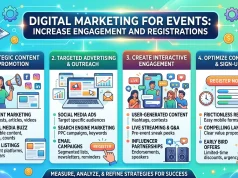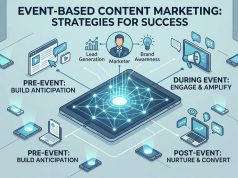
Virtual Event Marketing helps you attract the right audience, drive registrations, and keep people engaged before, during, and after your online event.
Virtual events are no longer a backup plan. They are a direct growth channel for brands that want reach, efficiency, and measurable engagement. The challenge is not only hosting a session; the real work is making people care enough to register, show up, and stay involved. That is where Virtual Event Marketing becomes the engine behind the event. Virtual Event Marketing also keeps the campaign focused on outcomes instead of noise.
A strong event can fail when the promotion is weak, the message is unclear, or the audience feels no urgency. A simple event can succeed when the positioning is clear, the value is obvious, and the follow-up is thoughtful. Human psychology matters here. People join events when they expect a result, a shortcut, a fresh insight, or a chance to connect with someone valuable. Virtual Event Marketing works best when it speaks to those motivations directly. In practice, Virtual Event Marketing should answer the question, “Why this event, and why now?”
This guide explains how to build a full system for planning, promoting, and growing online events in a way that feels strategic, persuasive, and sustainable. You will see how to use Virtual Event Marketing to create attention, trust, attendance, and action.
Why Virtual Events Need a Different Approach
A physical event relies on location, venue design, and the effort of traveling. Online events rely on attention. That means your audience is making a decision in seconds, not minutes. They are asking whether the topic is useful, whether the speakers are worth their time, and whether the event will feel worth the distraction.
Virtual Event Marketing is different because the friction is lower, but the competition is higher. The same person may receive three webinar invites, five social ads, and two email reminders in a single day. To stand out, you need a message that feels personal and a promise that feels specific. Generic promotion is easy to ignore. Clear value is hard to ignore. That means Virtual Event Marketing must win attention before it asks for commitment.
One of the biggest mistakes in Virtual Event Marketing is treating the event like a calendar item instead of a transformation opportunity. People do not register because they admire your schedule. They register because they expect to gain knowledge, save time, solve a problem, or improve a result. Your campaign must make that outcome obvious.
The Psychology Behind Event Registration

Before building campaigns, it helps to understand what makes people click “register.” The first driver is relevance. If the topic does not match a current need, attention drops. The second driver is credibility. People want proof that the event is worth their time. The third driver is urgency. A closing date, limited seats, or a live-only bonus can push action forward.
Virtual Event Marketing works when it reduces hesitation. A strong headline, a focused agenda, a useful speaker profile, and a simple registration form all lower the mental cost of saying yes. People also respond to clarity. They want to know what will happen, who will be there, and what they should expect to learn.
Trust also matters. In Virtual Event Marketing, trust can come from testimonials, known partners, recognizable hosts, strong branding, and consistent messaging across every channel. When your audience sees the same promise in email, social media, landing pages, and reminders, the offer feels real.
Step 1: Define the Event Goal
Before promotion starts, define the business result you want. Some events aim to generate leads. Others aim to educate prospects, launch a product, support customer retention, or build a community. Your goal changes the entire Virtual Event Marketing strategy.
If the goal is lead generation, you need messaging that highlights business value and follow-up opportunities. If the goal is education, you need a topic that solves a painful issue and a format that encourages learning. If the goal is product awareness, your event should show the product in action and connect it to a practical outcome.
Virtual Event Marketing becomes much easier when the goal is clear. Every channel, every asset, and every message should support that goal. Otherwise, the event may attract people who are interested in the topic but not in the outcome your business needs. Good Virtual Event Marketing keeps every campaign asset aligned with one measurable result.
Step 2: Choose a Topic People Already Care About
A topic should sit at the intersection of audience need and business value. That is the sweet spot. If the topic is too broad, the message feels weak. If it is too narrow, the audience may be too small. The best topics feel useful, timely, and slightly urgent.
This is where how to market a virtual event becomes more than a promotion question. It becomes a topic-design question. The event must solve a real problem or answer a real question. Think about the current challenges your audience faces, the mistakes they want to avoid, and the results they want faster.
Virtual Event Marketing becomes stronger when the topic is framed around an outcome, not a category. For example, instead of “marketing webinar,” a stronger angle may be “how to improve webinar sign-ups in 14 days.” Instead of “remote leadership discussion,” the angle could be “how managers can keep teams aligned in virtual-first workplaces.” Strong Virtual Event Marketing makes the promise feel practical, not vague.
Step 3: Build a Message That Feels Specific
Specificity creates attention. A vague message sounds safe, but it rarely inspires action. The event title, subtitle, and description should explain what the attendee gets, what problem is addressed, and why now matters.
Use Virtual event promotion ideas that translate the value into a simple promise. That promise should be understandable within a few seconds. People scan quickly, especially on mobile. They should immediately know whether the event is for them.
In Virtual Event Marketing, the best messaging usually includes one of these angles: a result, a mistake to avoid, a framework to learn, a trend to understand, or a process to copy. Strong messaging also reduces uncertainty by naming the audience directly. When people see themselves in the description, they respond faster.
Step 4: Create a Registration Experience That Converts
A landing page is not just a form. It is a conversion page. It should reinforce the value of the event, remove friction, and make the next step feel easy. Keep the design clean, the copy focused, and the form short.
An Online event marketing guide should always emphasize the registration path because small barriers matter. Too many fields, weak copy, slow loading, or unclear benefits can lower sign-ups. The page should answer the main questions quickly: What is the event about? Who is it for? Why should I attend? What will I learn? How do I register?
Virtual Event Marketing improves when the registration page has a strong headline, speaker details, agenda highlights, a visible date and time, and social proof where possible. If the event is free, say so clearly. If there are limited spots or a bonus resource, make that visible too. Smart Virtual Event Marketing also removes extra clicks that slow people down.
Step 5: Use Email as the Core Conversion Channel
Email is often the strongest channel in Virtual Event Marketing because it reaches people directly and allows you to tell a story over time. A good email sequence can build curiosity, answer objections, and drive attendance.
Start with an announcement email, then follow with a reminder that emphasizes the value, and later send messages that reinforce urgency. Each email should have a different purpose. One should announce. One should educate. One should persuade. One should remind.
Best virtual event marketing strategies always treat email as a sequence, not a single blast. That is because people do not decide instantly. They move through stages. First they notice. Then they consider. Then they commit. Then they attend. Virtual Event Marketing should support each stage with the right message. Consistent Virtual Event Marketing gives each email one job and one message.
Step 6: Promote on Social Media With Intent
Social media is powerful when it is used with a plan. Random posting rarely works. Your content should build awareness, explain the value, and create social proof. Use short clips, quote graphics, behind-the-scenes posts, speaker introductions, countdowns, and reminder posts.
Virtual event marketing tips often focus on frequency, but frequency alone is not enough. The message must evolve. Early posts should introduce the event. Mid-campaign posts should deepen interest. Final posts should push urgency. That pattern helps the audience move from passive awareness to active registration. Online event promotion techniques work best when they are consistent, timely, and easy to share.
Social content should also feel native to the platform. A LinkedIn post may highlight professional outcomes. An Instagram reel may focus on energy and visual appeal. A Facebook post may lean into community and practical value. Virtual Event Marketing gets stronger when the content fits the platform instead of being copied everywhere unchanged. Effective Virtual Event Marketing respects how people behave on each channel.
Step 7: Use Speakers, Partners, and Internal Teams
Promoting an event should never depend on one account alone. Speakers, team members, partners, affiliates, and sponsors can extend reach and add credibility. Their participation also creates a wider trust network.
How to increase virtual event attendance often comes down to shared distribution. Each person involved has a different audience. When they share the event with their own voice, it feels more authentic than a branded post. This is especially effective if the speaker has expertise the audience already respects.
Virtual Event Marketing benefits from a collaboration mindset. Create simple promo assets for partners, make sharing easy, and give them suggested copy. The easier you make promotion, the more likely it is to happen consistently and correctly. Shared promotion makes Virtual Event Marketing feel more credible and less promotional.
Step 8: Build a Content Calendar Around the Event
A content calendar makes the campaign feel organized instead of reactive. Map the event timeline backward from the live date. Decide when to launch the page, when to announce speakers, when to send the first email, when to post reminders, and when to shift into final urgency.
Virtual Event Marketing becomes more effective when each stage has a purpose. The early phase should create awareness. The middle phase should build credibility. The final phase should drive action. The post-event phase should support retention and next-step conversion.
A Virtual event marketing plan should include content for before, during, and after the event. Too many brands stop at registration. That wastes the momentum created by the campaign. Ongoing communication keeps the audience engaged and creates more value from the event. When Virtual Event Marketing is mapped across the full journey, attendance and retention both improve.
Step 9: Use Paid Promotion Carefully
Paid ads can accelerate registration, but they work best when the campaign is already strong. If the topic is weak, paid traffic will not fix it. If the landing page is confusing, ads will not compensate. The ad strategy should amplify a message that already makes sense.
Digital event marketing strategies often combine organic and paid tactics. Organic content builds trust. Paid promotion expands reach. Retargeting can bring back people who visited the page but did not register. Audience targeting can focus on job titles, interests, industries, or prior engagement.
Virtual Event Marketing campaigns that use paid media should watch conversion data closely. A low click-through rate may signal weak creative. A high click-through rate but low registration rate may indicate a landing page problem. The numbers tell you where attention breaks down. Data-driven Virtual Event Marketing helps you spend only where it matters.
Step 10: Design for Attendance, Not Just Sign-Ups
Registration is not the finish line. Attendance is the real win. Many people sign up with good intentions and then forget, get distracted, or lose interest. That is why follow-up matters so much.
Virtual conference marketing should include a reminder sequence that starts before the event and continues up to the live session. Send calendar invites, confirmation emails, reminder emails, and a final same-day message. Make joining easy. Provide the access link clearly and repeat it when needed.
Virtual Event Marketing also improves when the event feels interactive. People are more likely to show up if they expect live polls, Q&A, downloadable resources, or practical examples. They want to know they will not just watch passively. They want participation. Interactive Virtual Event Marketing keeps viewers active instead of passive.
Step 11: Make the Experience Valuable in Real Time
When the event begins, the value should appear quickly. Start with a strong opening, state the outcome, and set expectations. If the first few minutes feel slow, attention drops. A clear structure keeps people engaged.
Webinar marketing strategies often succeed when they focus on momentum. Keep the flow moving, avoid unnecessary delay, and create moments that reward attendance. Use examples, demonstrations, and questions. Give people something they can apply immediately.
Virtual Event Marketing is not just about getting people in the room. It is about making the room feel worth being in. The more useful the live experience, the more likely attendees are to stay, respond, and take the next step.
Step 12: Follow Up After the Event
The post-event phase is where long-term value is created. Send a thank-you email, share the replay, summarize the key points, and guide attendees toward the next action. That might be a demo, a consultation, a download, or another event.
Virtual Event Marketing should not disappear once the session ends. Use the replay to reach people who missed the live event. Use clips to create new content. Use testimonials and questions from the event to support future campaigns. One well-run event can become a content asset for weeks. Post-event Virtual Event Marketing can turn one live moment into many future touchpoints.
If you treat the event as a single moment, you lose its full potential. If you treat it as a content engine, it keeps working long after the live session closes.
A Practical Framework for Ongoing Growth
The strongest events are built on repeatable systems. That is why Virtual Event Marketing should be documented, measured, and improved. Create a repeatable process for topic selection, promotion, conversion, attendance, and follow-up.
A repeatable launch framework works best when it includes the following pieces:
| Stage | Main Goal | Key Asset |
|---|---|---|
| Topic selection | Find a valuable angle | Audience research |
| Positioning | Clarify the promise | Event title and hook |
| Registration | Capture interest | Landing page |
| Promotion | Drive traffic | Email, social, partners |
| Attendance | Increase show-up rate | Reminder sequence |
| Live delivery | Keep attention | Agenda and interaction |
| Follow-up | Extend value | Replay and next-step offer |
This framework turns Virtual Event Marketing into a system instead of a one-off campaign. Once you improve one stage, the next event becomes easier to promote and more likely to succeed.
Common Mistakes to Avoid
Many event teams make the same mistakes. They start too late. They choose a topic that is too vague. They write copy that sounds generic. They forget to explain the outcome. They use too many registration fields. They do not nurture sign-ups. They stop communicating after registration. They fail to follow up after the event.
Virtual event promotion checklist thinking can prevent these problems. Before launch, review the topic, title, speaker value, landing page, reminder sequence, social plan, and follow-up plan. This checklist reduces surprises and improves consistency.
Another mistake is overestimating interest and underestimating repetition. People need to see the message more than once. Virtual Event Marketing often needs repeated exposure because attention is fragmented. That is normal, not a flaw.
How to Measure Success
Measurement should reflect the goal of the event. Track registrations, conversion rate, attendance rate, engagement level, replay views, and follow-up conversions. If the event is meant to generate leads, measure qualified leads. If it is meant to drive product interest, measure demo requests or trials.
Virtual Event Marketing becomes more intelligent when it is data-informed. You can compare topics, subject lines, registration pages, and promotion channels. Over time, patterns appear. Some audiences respond better to short webinars. Others prefer expert panels. Some titles convert better when they are outcome-driven. Some channels drive more attendance than others.
The goal is not just to collect numbers. The goal is to learn what makes people act. Once you understand that, every future event becomes sharper.
Advanced Ideas to Improve Results
As your program grows, you can layer in more sophisticated tactics. Segment invitations by role or industry. Personalize email content. Use countdown timers on the page. Offer bonus resources to live attendees. Create pre-event polls. Add a community space for questions and discussion.
Virtual Event Marketing also improves when it uses storytelling. Show the problem, show the cost of inaction, and show the benefit of attending. People connect with transformation more than features. A good story helps them picture the value before the event even begins.
Virtual event promotion ideas can also include teaser clips from speakers, social proof from previous attendees, and short problem-focused posts that lead naturally into the registration page. Small creative touches often produce larger results than expected.
Building Authority Over Time
A single event can attract attention. A series of strong events can build authority. That is why Virtual Event Marketing is not just a campaign tactic; it can become a brand asset. When people repeatedly see valuable events from the same company, trust grows.
A practical event playbook should always remind marketers to think beyond one date. A recurring webinar series, quarterly summit, or thematic virtual workshop can strengthen brand recall and audience loyalty. Over time, the audience begins to expect value from your events.
Virtual Event Marketing works especially well when each event is tied to a clear audience challenge and a recognizable style. The more consistent the experience, the easier it becomes for people to say yes.
Conclusion
Virtual events have become one of the most effective ways for businesses to educate audiences, generate leads, and build lasting relationships. However, success depends on more than simply hosting an online session. A well-planned Virtual Event Marketing strategy ensures your event reaches the right audience, communicates clear value, and keeps attendees engaged from registration to post-event follow-up.
By combining compelling topics, optimized landing pages, targeted email campaigns, social media promotion, and interactive experiences, Virtual Event Marketing can significantly improve registrations, attendance rates, and audience engagement. Tracking key performance metrics and continuously refining your approach will help you achieve better results with every event.
Whether you’re organizing a webinar, virtual conference, product launch, or online workshop, investing in Virtual Event Marketing creates a scalable framework for long-term growth. Focus on delivering genuine value, building trust, and maintaining consistent communication before, during, and after your event. Over time, these strategies will strengthen your brand authority, increase customer loyalty, and turn every virtual event into a powerful marketing opportunity.
FAQs
1. What is Virtual Event Marketing?
Virtual Event Marketing is the process of promoting and positioning an online event so the right audience registers, attends, and takes action afterward.
2. How to market a virtual event effectively?
Use clear messaging, a strong landing page, email reminders, social promotion, partner distribution, and a follow-up sequence that reinforces value.
3. What are the best channels for promotion?
Email, social media, partner sharing, retargeting ads, and community posts usually perform well when coordinated together.
4. How can I increase attendance?
Send reminders, make joining easy, add calendar invites, and build live value through Q&A, polls, and interactive content.
5. What should a registration page include?
A clear headline, date, time, speaker details, event benefits, agenda highlights, social proof, and a simple form.
6. How many emails should I send?
Most campaigns need an announcement, a reminder, a value-based follow-up, and a final urgency email.
7. What makes a virtual event topic strong?
A strong topic addresses a current problem, promises a useful result, and feels timely to the target audience.
8. Should I run ads for virtual events?
Ads can help when the offer, page, and message are already strong. They work best as an amplifier, not a fix.
9. What happens after the event?
Send a thank-you message, share the replay, summarize insights, and guide attendees to the next step.
10. How do I know if the event succeeded?
Measure registrations, attendance, engagement, and the business outcome tied to the event goal.