Event brand activation helps businesses create memorable experiences that encourage customers to interact directly with their brands. By combining experiential marketing, interactive experiences, creative event branding, and audience engagement, companies can strengthen awareness, generate leads, build relationships, and create lasting brand connections.
Event brand activation has become an important marketing approach for businesses that want to connect with audiences through meaningful, memorable experiences. Instead of simply displaying a logo or promoting a product, brands can use live events to encourage people to interact with their identity, products, services, and values.
Modern consumers are exposed to thousands of advertisements across websites, social media platforms, streaming services, email, and mobile applications. Because of this constant exposure, traditional promotional messages can sometimes struggle to create lasting attention. An effective event brand activation creates an opportunity for businesses to move beyond advertising and build a direct relationship with their audience.
Whether it is a product launch, corporate event, festival, conference, pop-up experience, sports event, or promotional campaign, brand activation can transform an ordinary event into an engaging experience. When people actively participate in an experience, they are more likely to remember the brand and develop a stronger emotional connection with it.
What Is Event Brand Activation?
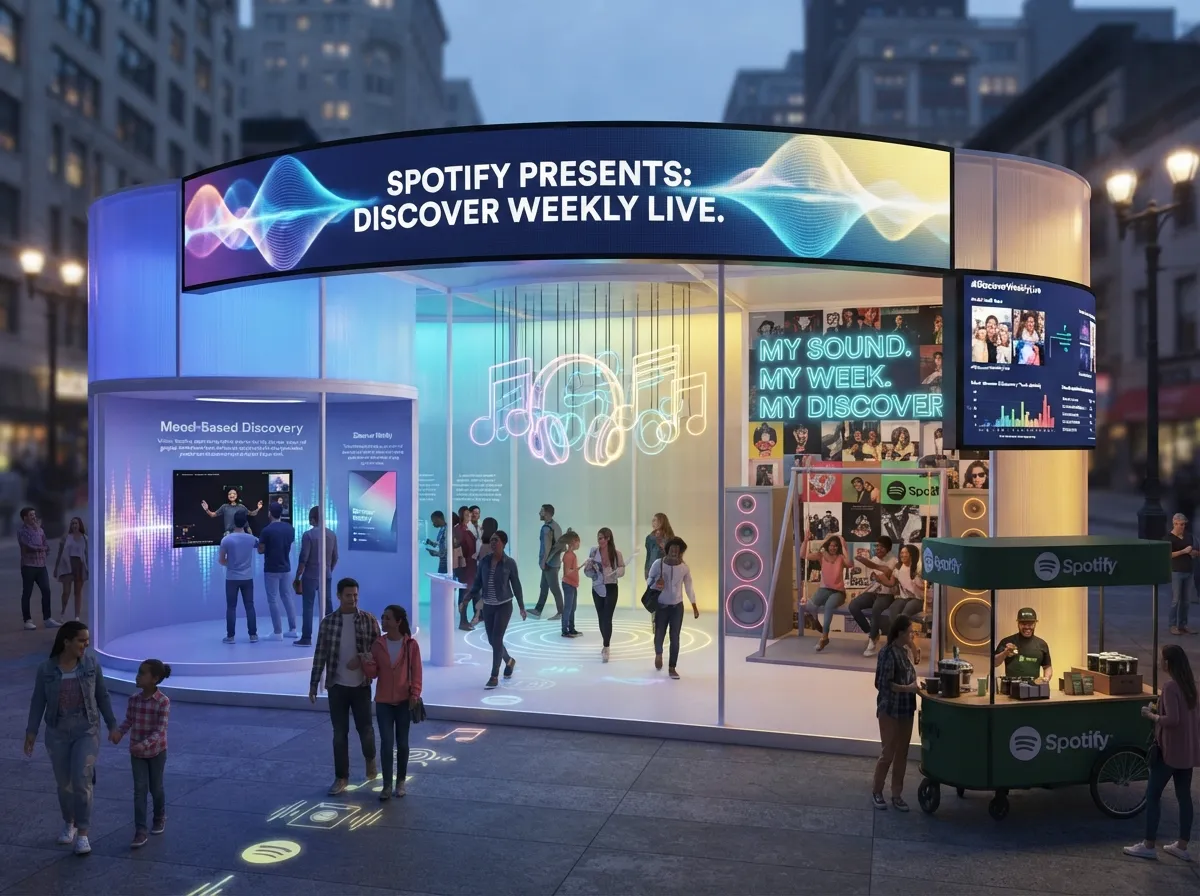
Event brand activation is a marketing strategy that uses live or virtual events to encourage direct interaction between a brand and its target audience. The purpose is to create an experience that makes the brand more recognizable, relevant, and memorable.
Unlike conventional advertising, where consumers mainly receive a promotional message, event activation encourages participation. Attendees may test a product, participate in an interactive activity, speak with brand representatives, experience a demonstration, take part in a competition, or share event content online.
The central idea behind event brand activation is engagement. A successful activation gives people a reason to interact with the brand rather than simply observe it.
For example, a technology company launching a new smartphone could create an experience where visitors can test the camera, explore artificial intelligence features, participate in photography challenges, and share their best images on social media. The product becomes part of an experience instead of simply being presented through an advertisement.
This type of activation can support brand awareness, customer engagement, product discovery, lead generation, and long-term loyalty.
Why Brand Activation Events Matter
Brand activation events can help businesses create connections that are difficult to achieve through conventional advertising alone. People attending an event have the opportunity to experience a brand in a physical or digital environment, which can make the marketing message more personal. When planned as part of a broader event marketing strategy, activation events can also support awareness, engagement, and customer acquisition goals.
A well-designed event can also create emotional associations. When customers associate a brand with an enjoyable, useful, surprising, or inspiring experience, that memory can influence future purchasing decisions. Businesses can strengthen these results by connecting activation activities with the right event promotion strategy before, during, and after the event.
Brand activation can be particularly valuable for new products and emerging brands. A company entering a competitive market may struggle to differentiate itself through conventional advertising. A creative experience can provide a stronger reason for consumers to pay attention and can become an important part of a complete event marketing plan from start to finish.
Events also create opportunities for face-to-face communication. Brand representatives can answer questions, understand customer concerns, demonstrate products, and collect feedback. This interaction can provide valuable information that is difficult to obtain from passive advertising campaigns.
Digital sharing further increases the potential reach of physical events. Attendees may photograph experiences, create videos, post reviews, or share branded content with their followers. As a result, one physical activation can generate additional digital exposure and support social media event marketing efforts.
The Role of Event Marketing Activation
Event marketing activation focuses on turning an event into an opportunity for active customer participation and measurable brand interaction. Rather than treating an event as a simple promotional environment, businesses can design every element around a specific marketing objective. This approach works best when activation is connected to a broader event marketing strategy that covers planning, promotion, audience engagement, and post-event analysis.
The activation might be designed to introduce a new product, increase brand recognition, collect leads, encourage trial, generate social media conversations, or strengthen relationships with existing customers.
The event environment plays an important role in this process. Branding, signage, demonstrations, entertainment, technology, staff interactions, and activities should work together to communicate the company’s identity.
For example, a sustainable clothing company could create an event centered around environmentally responsible fashion. Visitors might explore sustainable materials, customize clothing, participate in recycling activities, and learn about the company’s production process. The experience communicates the brand’s values while encouraging direct engagement.
The most effective event marketing activation does not feel like an aggressive sales pitch. Instead, it provides value or entertainment while naturally introducing the brand. Businesses can also use automation and artificial intelligence to improve registration, personalization, audience engagement, and follow-up, as discussed in this guide to the benefits of AI in event marketing.
Experiential Brand Activation and Consumer Psychology
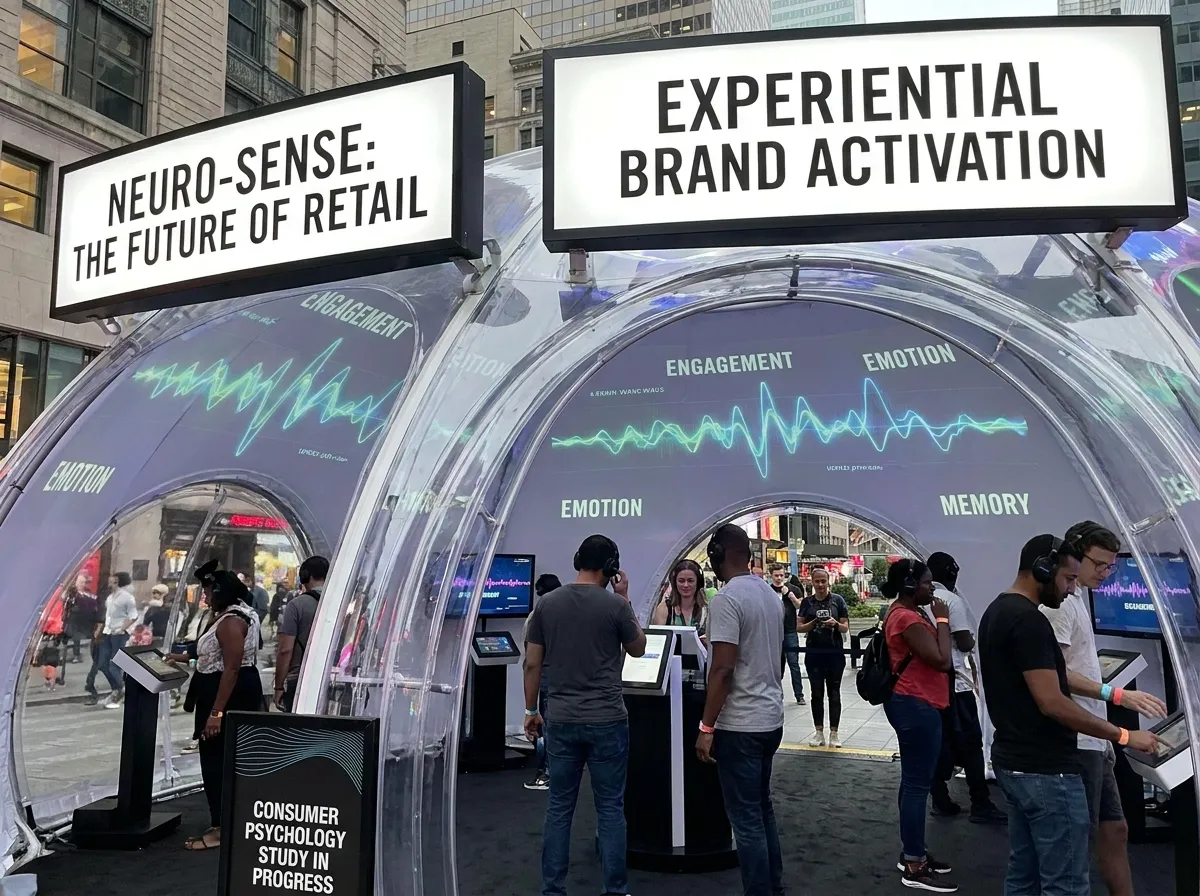
Experiential brand activation is closely connected to the idea that experiences can influence how consumers perceive and remember brands. People often remember what they experienced more strongly than what they simply saw in an advertisement.
Experiential marketing can involve multiple senses and forms of participation. Visual design, sound, physical interaction, demonstrations, storytelling, technology, and human communication can all contribute to the experience.
Consider a beverage company creating a summer activation at a popular outdoor event. Instead of simply distributing samples, the company could create an immersive environment with themed spaces, interactive games, personalized drinks, photo opportunities, and entertainment. Visitors are not only consuming a product; they are experiencing the brand’s personality.
This distinction is important because emotional engagement can make a brand feel more human and relatable.
Experiences can also encourage customers to become participants rather than spectators. Participation gives consumers a sense of involvement, which can strengthen their connection with the brand.
Developing an Effective Brand Activation Strategy
A strong brand activation strategy begins with a clear understanding of the audience and the purpose of the activation. The experience should be designed around what the target audience finds useful, entertaining, interesting, or meaningful. It should also fit into a structured event marketing business plan that defines objectives, resources, promotional activities, timelines, and expected results.
Audience research can help identify preferences, behaviors, challenges, and motivations. A brand targeting young technology enthusiasts, for example, may benefit from digital interaction, augmented reality, gaming, or social media participation. A professional B2B audience may respond better to demonstrations, networking opportunities, educational sessions, and personalized consultations.
Brand consistency is equally important. The activation should reflect the company’s personality, visual identity, messaging, and values. If the brand is positioned as innovative, the event should communicate innovation through its environment and interactions.
The strategy should also connect the event to broader marketing activity. Social media, email marketing, influencer partnerships, public relations, content marketing, and digital advertising can extend the reach of the activation before and after the event.
Measurement should be considered as part of the strategy rather than added after the event. Businesses can evaluate attendance, engagement, leads, product trials, social interactions, content shares, website traffic, conversions, and customer feedback depending on the campaign’s objectives. These metrics can then be compared with the goals established in the event marketing business plan.
Corporate Brand Activation
Corporate brand activation allows companies to create stronger relationships with customers, employees, partners, investors, and other stakeholders. Corporate events can sometimes feel formal or predictable, but activation techniques can make them more engaging.
A corporate brand activation could be incorporated into a conference, industry exhibition, company anniversary, product launch, employee event, or networking experience.
For B2B organizations, activation can provide opportunities to demonstrate products and expertise while creating personal relationships. Instead of relying entirely on brochures and presentations, companies can create demonstrations, interactive technology displays, consultation areas, immersive experiences, or educational activities.
Corporate activation can also strengthen internal brand culture. Employees who participate in engaging brand experiences may develop a stronger understanding of the company’s values and identity.
For companies attending trade shows, activation can be especially valuable because competing exhibitors may be offering similar products and services. A distinctive experience can attract visitors and encourage meaningful conversations.
Creating Interactive Brand Experiences
Interactive brand experiences encourage audiences to participate directly with a company’s marketing environment. Interaction can range from simple product demonstrations to sophisticated digital installations. These experiences can also strengthen corporate branding by helping customers connect a company’s identity, values, and messaging with memorable interactions.
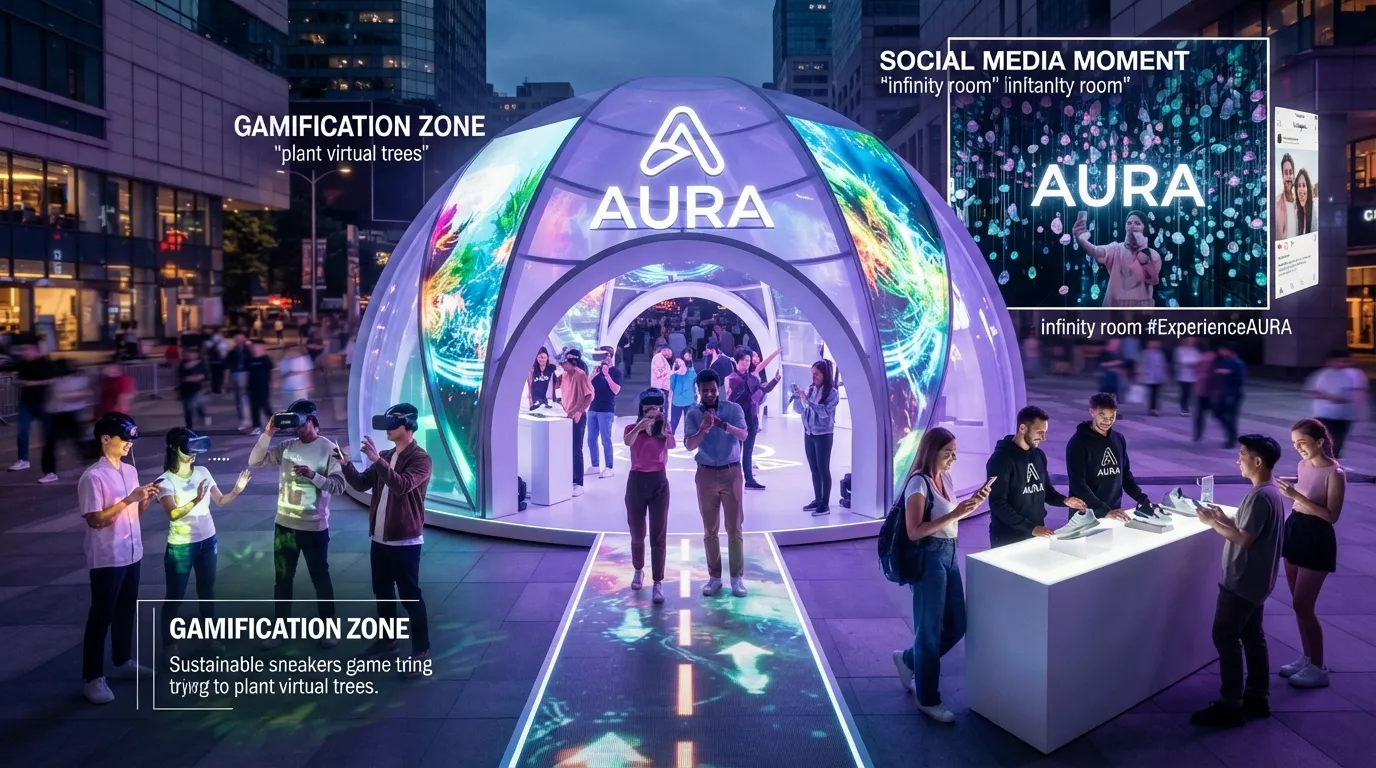
Technology has expanded the possibilities for event activation. Touchscreens, augmented reality, virtual reality, interactive displays, mobile applications, artificial intelligence, digital games, and personalized experiences can make events more engaging.
However, technology should support the brand experience rather than become the entire attraction. An impressive digital installation has limited marketing value if attendees remember the technology but cannot remember the company behind it. Every interactive element should reinforce the brand’s identity and contribute to a consistent corporate branding strategy.
Personalization can make interactive experiences even more effective. Visitors may receive personalized recommendations, customized content, product suggestions, or digital souvenirs based on their participation. These personalized interactions can make the experience feel more relevant while creating stronger associations with the brand.
Social sharing is another important component. Photo-friendly installations, branded experiences, challenges, and shareable content can encourage attendees to extend the campaign onto social platforms. When interactive experiences combine engagement, personalization, and consistent corporate branding, they can help businesses increase visibility and build stronger relationships with their audiences.
Event Branding Strategy and Brand Identity
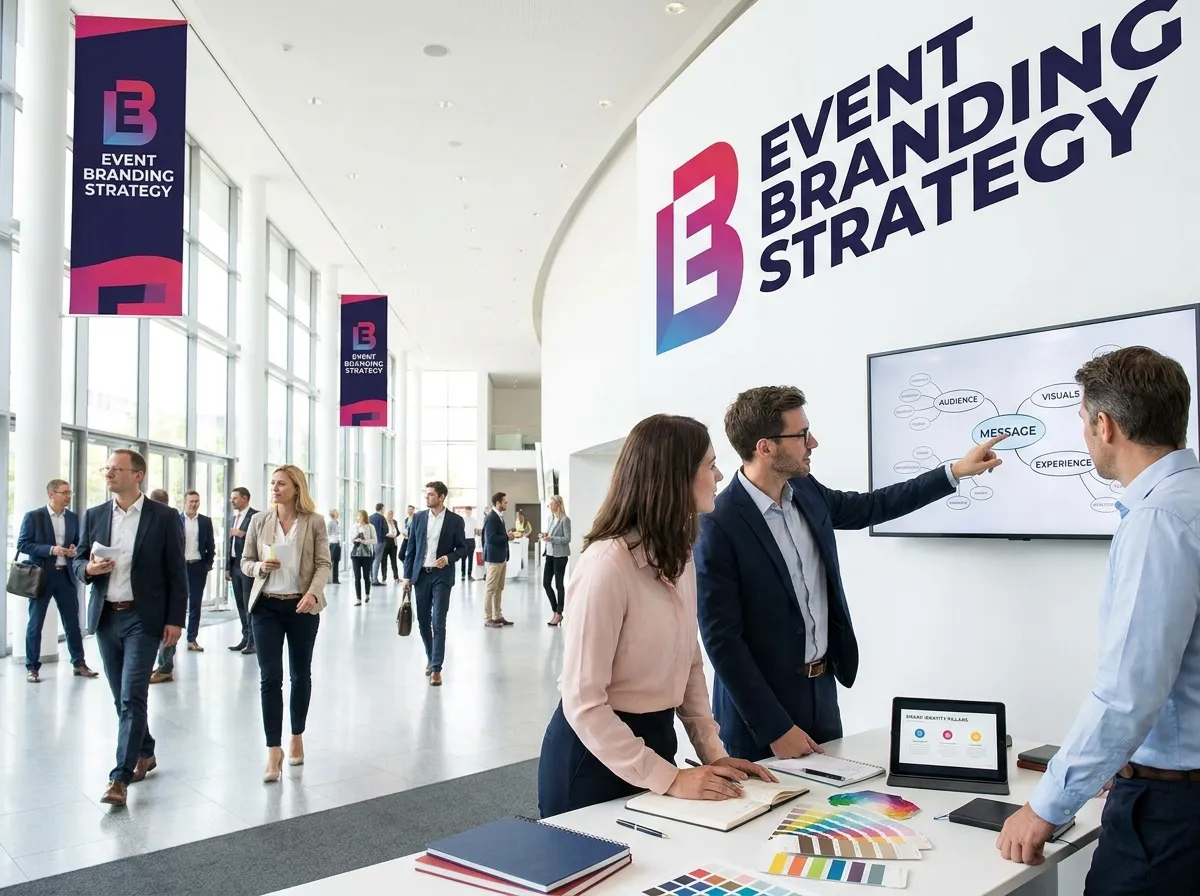
An effective event branding strategy ensures that the event feels like an extension of the brand rather than an unrelated promotional occasion.
Brand identity should be visible throughout the experience without becoming overwhelming. Colors, typography, signage, packaging, staff uniforms, digital displays, stage design, and promotional materials can all contribute to a consistent environment.
Storytelling is particularly valuable. Instead of presenting isolated promotional messages, businesses can create a narrative that explains who they are, what they offer, and why their products or services matter.
For example, an outdoor equipment company could build an activation around adventure and exploration. The environment might recreate an outdoor setting while allowing visitors to test equipment, explore interactive maps, and hear stories from experienced travelers.
The event then communicates the brand’s purpose through experience rather than relying exclusively on written messaging.
Experiential Marketing Campaigns
Experiential marketing campaigns can operate across multiple channels, combining physical experiences with digital marketing. A live activation may generate content that continues to attract attention long after the event ends.
A company could launch a product through a physical event and then distribute event videos, customer testimonials, behind-the-scenes content, influencer posts, and user-generated content across digital channels.
This creates a connected campaign where the event becomes one part of a larger marketing ecosystem.
Influencers and creators can also increase campaign visibility when their audiences align with the brand’s target market. Authentic participation is generally more valuable than simply paying someone to display a product.
User-generated content can be particularly powerful because consumers often view content created by other customers as more relatable than traditional advertisements.
Brand Engagement Events
Brand engagement events are designed to encourage meaningful interaction between companies and their audiences. Engagement can involve conversations, product trials, games, demonstrations, workshops, networking, competitions, entertainment, or educational experiences.
The quality of engagement matters more than the number of interactions. A visitor who spends several minutes learning about a product and speaking with a representative may provide more value than dozens of people who briefly pass through a branded booth.
Engagement also continues beyond the event. Follow-up communication can provide additional information, special offers, educational content, or opportunities to continue the relationship.
This makes the event part of the customer journey rather than an isolated marketing activity.
Creative Brand Activation Ideas
Businesses looking for creative brand activation ideas can explore concepts that combine entertainment, education, personalization, community participation, and technology.
Pop-up experiences can introduce brands in unexpected locations. Interactive product laboratories can allow customers to experiment with new products. Personalized workshops can help customers create something connected to the brand. Gamified experiences can encourage participation through challenges and rewards.
Brands can also build activations around social causes or community initiatives when those causes genuinely align with their values. For example, a company focused on sustainability could organize an environmental experience that encourages participation while demonstrating its commitment to responsible practices.
The most creative activation is not necessarily the most technologically advanced. A simple idea that creates genuine emotional engagement can be more effective than an expensive experience that lacks relevance.
Measuring the Success of Event Brand Activation
Measuring event brand activation helps businesses understand whether their investment produced meaningful results. The appropriate metrics depend on the purpose of the campaign.
Brand awareness campaigns may focus on attendance, impressions, social reach, mentions, content shares, and audience growth. Product-focused activations may measure product trials, demonstrations, samples distributed, leads, inquiries, and conversions.
Customer engagement can be evaluated through participation rates, time spent at the activation, interactions with staff, application usage, competition entries, or content creation.
Businesses can also collect qualitative feedback through surveys, interviews, social listening, and customer conversations. These insights can reveal how audiences perceived the experience and whether the activation communicated the intended brand message.
Longer-term measurement may examine website visits, repeat purchases, customer retention, lead quality, sales, or changes in brand perception following the event.
The Future of Event Brand Activation
The future of event brand activation is likely to involve an increasingly connected combination of physical experiences, digital technologies, data, personalization, and social media.
Artificial intelligence can help businesses personalize experiences and analyze customer interactions. Augmented and virtual reality can create immersive environments. Mobile technology can connect physical activities with digital content. Social platforms can transform attendees into content creators who extend the reach of an event.
At the same time, consumers are becoming increasingly selective about the experiences they choose to engage with. Authenticity, relevance, accessibility, and meaningful interaction will remain important.
Brands that focus only on creating visually impressive events may struggle if the experience does not provide genuine value. Successful activation will increasingly depend on creating experiences that people want to participate in, remember, and share.
Conclusion
Event brand activation provides businesses with an opportunity to turn marketing from a passive communication activity into an interactive experience. Through brand activation events, event marketing activation, experiential brand activation, and carefully planned experiential marketing campaigns, companies can create stronger connections with their audiences.
A successful activation combines a clear brand message with meaningful participation. Whether the experience uses advanced technology, creative storytelling, product demonstrations, entertainment, personalization, or community engagement, the objective remains the same: make the brand more memorable and relevant to the people it wants to reach.
As competition for consumer attention continues to increase, businesses that create authentic and engaging experiences can stand out more effectively. With a strong brand activation strategy, consistent event branding strategy, and a focus on genuine customer interaction, event marketing can become a powerful part of long-term brand growth.
Frequently Asked Questions
1. What is event brand activation?
Event brand activation is a marketing approach that uses live or virtual events to encourage audiences to interact directly with a brand, its products, services, or values. It focuses on creating memorable experiences rather than relying only on traditional advertising.
2. Why is event brand activation important?
Event brand activation can help businesses increase brand awareness, encourage customer engagement, introduce products, generate leads, and build stronger emotional connections with their target audiences.
3. What is the difference between event marketing and brand activation?
Event marketing promotes a brand through an event, while brand activation places greater emphasis on active audience participation and interaction. Activation turns the event environment into an experience that encourages people to engage directly with the brand.
4. What are examples of brand activation events?
Examples include product launches, pop-up experiences, trade show activations, interactive demonstrations, branded competitions, experiential installations, corporate events, workshops, and immersive promotional experiences.
5. How does experiential brand activation work?
Experiential brand activation allows customers to experience a brand through physical, digital, emotional, or interactive activities. These experiences can make brands more memorable by encouraging participation instead of passive exposure.
6. What makes an effective brand activation strategy?
An effective brand activation strategy combines a clear objective, audience understanding, consistent branding, engaging experiences, relevant communication channels, and measurable outcomes.
7. How can brands make events more interactive?
Brands can use product demonstrations, games, competitions, personalized experiences, augmented reality, interactive displays, workshops, social media activities, and other participation-focused experiences to increase interaction.
8. How can event brand activation generate leads?
Brands can generate leads through registrations, consultations, product demonstrations, competitions, interactive experiences, surveys, QR-based experiences, and follow-up campaigns that encourage attendees to continue the conversation.
9. How do you measure event brand activation success?
Success can be measured through attendance, engagement, leads, product trials, conversions, social media reach, content shares, website traffic, customer feedback, and longer-term sales or retention metrics.
10. What is the future of event brand activation?
The future will likely combine physical events with artificial intelligence, immersive technology, personalization, mobile experiences, social media, and data-driven engagement. However, authentic and valuable customer experiences will remain central to successful activation.