Event Marketing Messaging helps organizers communicate an event’s value, attract the right audience, and encourage registrations. By combining Event Promotional Messaging, audience-focused copywriting, a clear value proposition, and consistent brand communication, businesses can create more effective promotional campaigns. A coordinated communication strategy across websites, email, social media, and other channels improves engagement and keeps attendees informed. Relevant personalization and accurate messaging also build trust, strengthen the event experience, and support long-term audience relationships.
Successful events depend on more than an attractive venue, an interesting agenda, or well-known speakers. They also require communication that gives people a compelling reason to attend. From the first announcement to the final reminder, every message influences how potential attendees understand an event, evaluate its value, and decide whether to participate. Event Marketing Messaging brings these communications together through a consistent message that explains what an event offers and why it matters to its audience.
Clear messaging helps event organizers build awareness, communicate benefits, encourage registrations, and establish realistic expectations. Whether promoting a business conference, networking session, product launch, industry exhibition, or community event, organizers need language that reflects the event’s purpose and speaks directly to the people they want to reach.
When messaging is unclear or inconsistent, audiences may struggle to understand the event’s value. Strong communication makes the experience easier to understand and helps build trust before attendees arrive. By connecting event objectives with audience interests, organizations can create promotional messages that support engagement and contribute to stronger event outcomes.
Understanding the Importance of Event Marketing Messaging
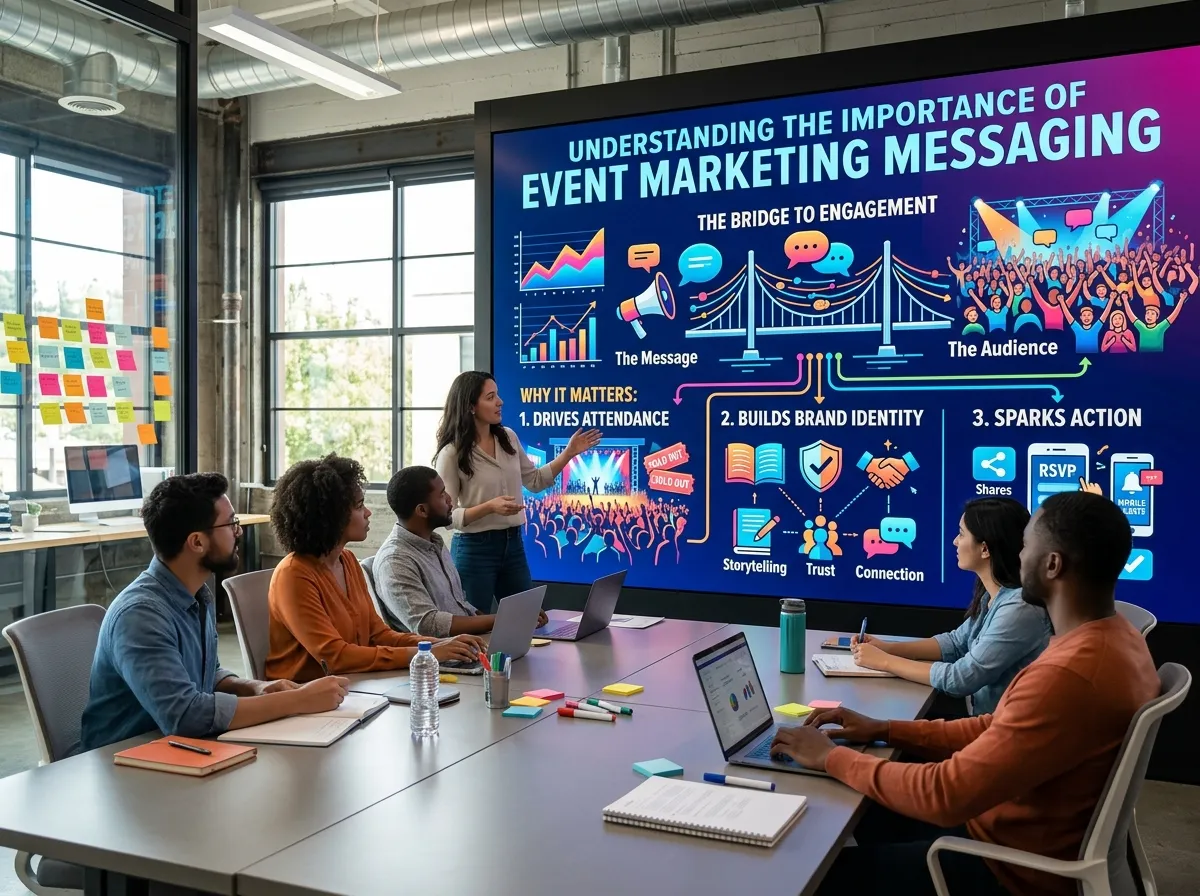
Event Marketing Messaging refers to the words, themes, and communication ideas used to promote an event and explain its value to potential attendees. It includes registration announcements, event descriptions, email invitations, social media captions, advertisements, website copy, speaker introductions, and follow-up communications.
Each message serves a different purpose, but all should communicate a recognizable central idea. An event website may explain the full agenda, while a social media post highlights one attractive session. An email invitation may emphasize professional networking, whereas a reminder may focus on registration details and practical information. Although the formats differ, the messages should support the same event identity and audience expectations.
Effective messaging also connects promotional activity with the event’s actual experience. If an event promises practical industry insights, its program should provide relevant sessions and useful discussions. If the promotion emphasizes networking opportunities, attendees should have meaningful ways to connect. This alignment helps build credibility and prevents promotional claims from creating expectations the event cannot fulfill.
Consistent communication is particularly valuable when multiple teams contribute to promotion. Marketing staff, event managers, sponsors, speakers, and external partners may all share information about the same event. A clear messaging approach helps them communicate the event’s purpose accurately while maintaining a consistent identity across channels.
Event Promotional Messaging That Captures Attention
Event Promotional Messaging introduces an event to potential attendees and encourages them to learn more. Its primary purpose is to communicate the event’s most appealing benefits in a way that quickly captures attention. Strong promotional messages focus on what the audience can gain rather than simply listing dates, venues, and session titles.
For a professional conference, the message might emphasize industry knowledge, expert discussions, or opportunities to meet relevant professionals. A product launch may focus on a new solution and the problems it addresses. A community event may highlight shared interests, entertainment, or meaningful local connections. The most effective message depends on the audience’s motivations and the event’s central purpose.
Specific language usually communicates value more effectively than vague promotional claims. Statements such as “explore practical approaches to customer retention” give readers a clearer reason to attend than general phrases about an exciting experience. Concrete benefits also help audiences distinguish one event from similar opportunities competing for their time and attention.
Timing and context influence promotional effectiveness as well. Early announcements can introduce the event and build awareness, while later messages may emphasize confirmed speakers, newly announced sessions, registration deadlines, or limited remaining availability when those details are accurate. By adapting the focus of each message to the event’s promotional stage, organizers can maintain interest without repeating the same announcement throughout the campaign.
Event Brand Communication and a Recognizable Identity
Event Brand Communication shapes how people recognize, understand, and remember an event. It includes the language, tone, themes, and visual identity that appear throughout promotional materials. When these elements work together, audiences can develop a clearer impression of what the event represents and what kind of experience they can expect.
A technology conference may communicate innovation, expertise, and forward-thinking discussion. A creative industry gathering may use a more expressive and conversational tone, while an executive summit may favor concise, authoritative language. These differences help events establish identities that suit their audiences and objectives.
Brand communication should remain recognizable across event websites, registration pages, email campaigns, advertisements, speaker announcements, and social platforms. Small differences in wording are natural because each channel has its own format, but the central message should remain stable. When one channel presents an event as an exclusive executive experience and another describes it as a casual public gathering, the inconsistency can confuse prospective attendees.
A clear event identity also supports recognition over time. Recurring events can maintain familiar themes while updating their messages to reflect new speakers, industry developments, and audience expectations. This balance between consistency and relevance helps established events preserve their identity while giving returning attendees a reason to participate again.
Event Marketing Copywriting That Communicates Value
Event Marketing Copywriting transforms event details into persuasive, audience-focused communication. It involves more than describing the schedule or listing speakers. Good copy explains why the event matters, what attendees can expect, and how participation may support their interests or goals.
A compelling event description often connects a clear benefit with a credible reason to believe it. For example, an industry seminar might highlight expert-led sessions, practical case studies, and opportunities to discuss current challenges with peers. These details provide a stronger reason to register than unsupported claims that the event is the best or most important gathering in its field.
Headlines and opening sentences deserve particular attention because they often determine whether readers continue exploring the event. A headline should communicate the event’s central appeal without becoming vague or exaggerated. Supporting copy can then provide context, explain the program, and answer questions about who should attend.
The language should also match the audience’s familiarity with the subject. Industry professionals may respond to specific terminology and detailed program information, while a broader audience may need simpler explanations and more context. Clear, accessible copy helps readers understand the event without making them work unnecessarily to interpret its value.
Strong copywriting respects the practical decisions involved in registration. Prospective attendees may want to know who will benefit, which topics will be covered, whether the event is online or in person, and what participation involves. Addressing these questions directly reduces uncertainty and makes it easier for interested readers to take the next step.
Event Audience Messaging and Understanding Attendee Needs
Event Audience Messaging focuses on the motivations, interests, concerns, and expectations of the people an event aims to attract. Different audience groups may value the same event for different reasons, so a single broad message may not communicate its benefits equally well to everyone.
For example, a business conference might attract senior executives interested in market direction, managers looking for operational ideas, and early-career professionals seeking learning and networking opportunities. Although all three groups may attend the same event, the information that encourages each group to register may differ.
Audience research helps organizers identify these differences. Registration data from previous events, attendee surveys, website behavior, customer interviews, and feedback from sales or community teams can reveal which topics matter most. These insights help marketers choose language that reflects genuine audience interests instead of relying on assumptions.
Audience messaging should remain focused on meaningful differences rather than creating unnecessary variations for every individual. Organizers can group attendees by professional role, industry, experience level, or primary motivation, then emphasize the benefits most relevant to each group. This approach makes communication more useful while keeping the campaign manageable.
A strong audience focus also improves the event experience after registration. When promotional messages accurately explain the event’s content and format, attendees arrive with more realistic expectations. This alignment supports satisfaction and helps the event deliver the experience its communication promised.
Event Communication Strategy Across Marketing Channels
An effective Event Communication Strategy connects the messages shared across all stages of the event journey. It considers what audiences need to know when they first discover the event, when they evaluate whether to attend, after they register, and following the event itself.
The website usually serves as a central source of event information. Social media can introduce the event to new audiences and encourage discussion, while email helps deliver more detailed information to interested contacts. Paid advertising can extend reach to relevant audiences, and speaker or partner communications can introduce the event to established professional communities.
These channels should complement one another rather than repeat identical content without purpose. A social post might highlight a speaker’s perspective, while the website explains the full session and registration details. An email may emphasize how the event addresses a specific audience challenge, while a later reminder provides practical information about attendance.
A broader Digital Marketing for Events approach can help organizers coordinate these channels and connect messaging with awareness, engagement, and registrations. The value comes from ensuring that each channel supports the same event objectives while using a format suited to its audience.
Communication also continues after registration. Confirmation emails, schedule updates, venue instructions, access information, and reminders help attendees prepare. After the event, thank-you messages, feedback requests, session resources, and announcements about future activities can maintain the relationship and extend the value of participation.
Event Value Proposition Messaging That Encourages Registration
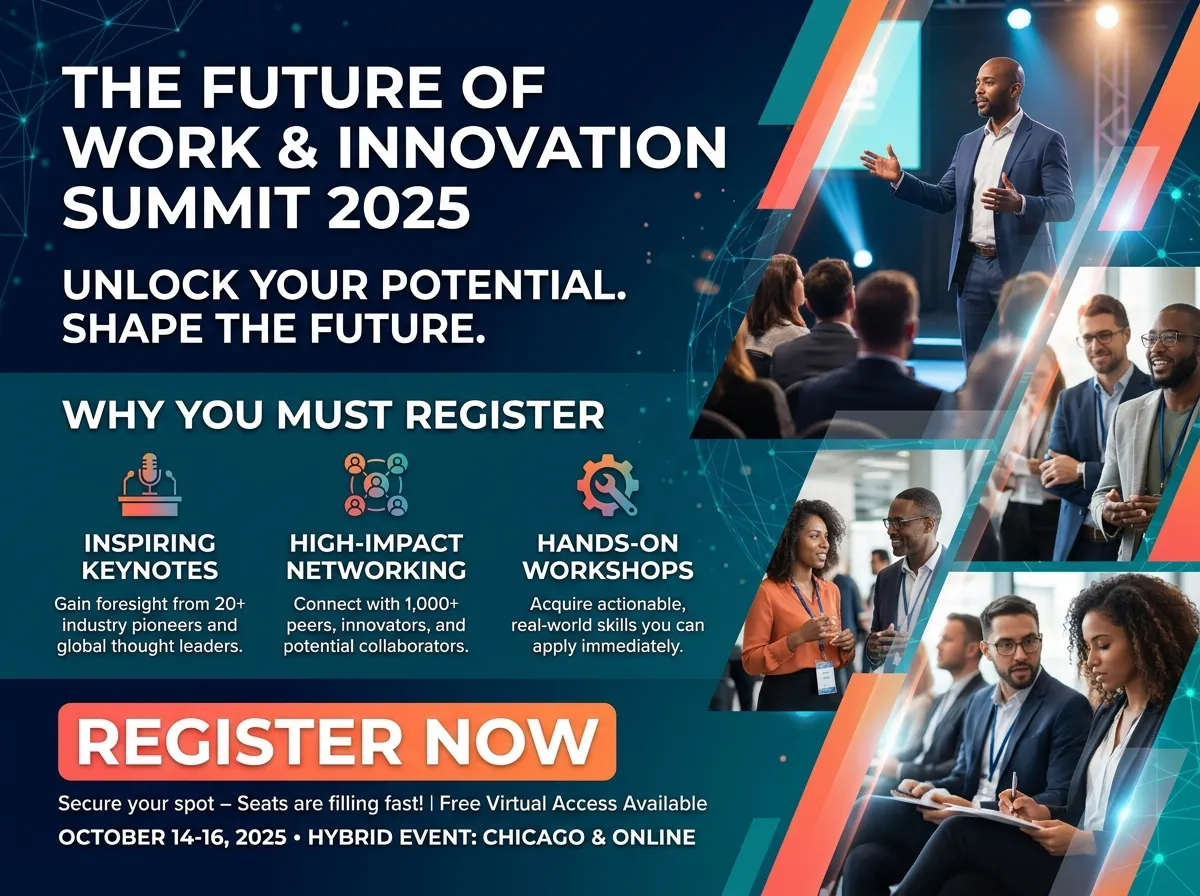
Event Value Proposition Messaging explains why attending a particular event is worthwhile. It communicates the distinctive benefits that separate the event from competing activities, alternative learning opportunities, or simply spending time elsewhere.
A useful value proposition answers an important audience question: what will I gain by attending? The answer might involve practical knowledge, access to specialists, meaningful networking, exposure to new products, professional development, or opportunities to exchange ideas with peers.
The strongest value propositions are specific and supported by the actual event program. A conference that promotes practical learning should feature sessions that deliver actionable knowledge. An event that emphasizes industry connections should provide opportunities for participants to meet and interact. When the message reflects the real experience, it becomes more credible and persuasive.
Organizers should also recognize that value is not limited to the number of sessions or the prominence of speakers. Convenience, relevance, accessibility, and the quality of interaction can also influence an attendee’s decision. A focused half-day event may be more appealing to a busy professional than a longer program if it offers highly relevant content and efficient networking.
The value proposition should appear consistently in major promotional materials, including the event landing page, registration emails, advertisements, and partner announcements. Repeating the core benefit in appropriate ways reinforces understanding and helps prospective attendees remember what makes the event worth considering.
Event Promotional Content and Audience Engagement
Event Promotional Content includes the articles, graphics, videos, interviews, speaker announcements, email messages, and social posts used to build awareness and encourage participation. Content becomes more effective when each piece supports the event’s central message while offering a distinct reason to engage.
Speaker interviews can introduce the ideas that will be discussed during an event. Short articles can explore a relevant industry challenge, while videos can show the venue, introduce organizers, or explain what participants can expect. These formats provide useful information and allow audiences to experience the event’s subject matter before registering.
Content should be planned around the questions and interests of potential attendees. If people are uncertain about the practical value of a conference, a detailed session description may be more persuasive than another general announcement. If they are unfamiliar with the speakers, a short introduction explaining their expertise can build confidence. If the format is unclear, a simple explanation of how the event works can reduce hesitation.
Organizers should also ensure that promotional content remains accurate as event details change. Speaker availability, session schedules, registration terms, and venue information should be checked before publication. Clear updates help maintain trust and reduce the likelihood of confusion.
Event Audience Engagement Messaging and Personalization
Event Audience Engagement Messaging encourages people to interact with event content rather than passively view promotional announcements. Questions, discussion prompts, polls, speaker introductions, and invitations to share relevant experiences can help audiences feel involved before the event begins.
Engagement messages work best when they invite a meaningful response. Asking attendees which industry challenges they want discussed may provide useful feedback and help organizers understand audience priorities. Inviting registered participants to submit questions for a speaker can also make the program feel more relevant and interactive.
Event Marketing Message Personalization takes this approach further by adapting communication to an audience segment or an individual’s relationship with the event. First-time visitors may need an introduction to the event’s purpose, while returning attendees may respond better to information about new sessions, updated speakers, or changes from previous editions. Registered attendees need practical information that helps them prepare rather than repeated messages asking them to register.
Personalization should be relevant and respectful. Organizers can use information that attendees have provided, such as professional interests or selected sessions, to deliver useful updates. Messages should avoid unsupported assumptions and unnecessary use of personal data. The objective is to improve relevance, not to make communication feel intrusive.
Engagement also depends on timing and frequency. Too many messages can overwhelm an audience, while infrequent communication may cause people to forget the event. A balanced schedule that responds to registration status, audience needs, and important event milestones helps maintain interest without creating unnecessary noise.
Maintaining Event Brand Messaging Consistency
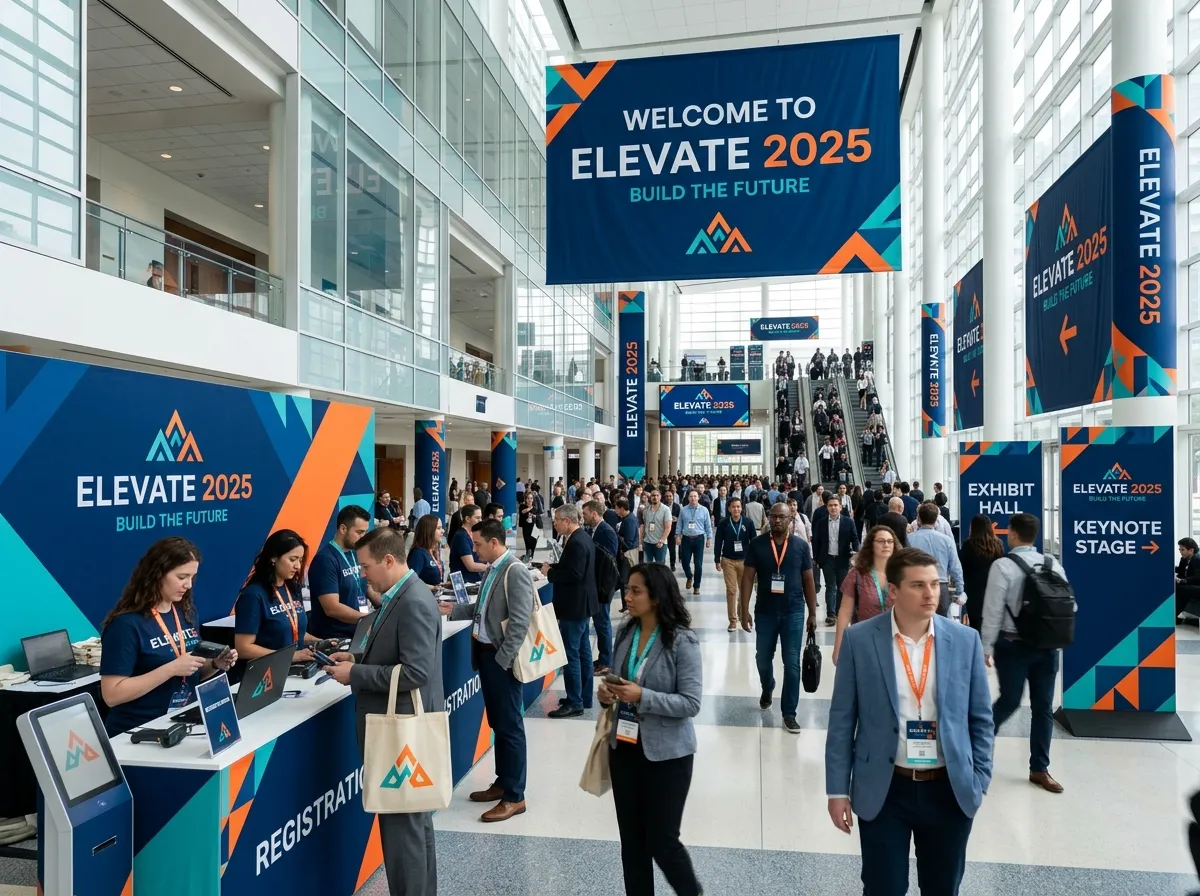
Event Brand Messaging Consistency ensures that every communication reinforces the same core identity, purpose, and promise. This does not mean every advertisement, email, and social post must use identical wording. Instead, each message should support a coherent understanding of the event.
Consistency becomes particularly important when several people or organizations help promote an event. Sponsors may create announcements, speakers may share personal invitations, and partner organizations may publish their own promotional content. Providing clear event descriptions, approved facts, key benefits, naming conventions, and tone expectations helps these contributors communicate accurately.
A shared messaging document can establish the event’s central value proposition, target audience, approved descriptions, preferred terminology, and essential logistical details. It can also clarify which claims require verification, helping teams avoid inconsistent information about attendance figures, speaker participation, or expected outcomes.
Organizers should review communications periodically to identify contradictions, outdated details, and unclear language. This review is especially important when an event changes its schedule, introduces new speakers, or updates registration arrangements. Prompt corrections preserve confidence and ensure that audiences receive reliable information.
Consistency also contributes to long-term recognition. When recurring events communicate their purpose clearly from one edition to the next, attendees and partners can more easily understand the event’s identity. This familiarity can strengthen trust, support repeat participation, and make future promotional efforts more effective.
Conclusion
Event Marketing Messaging plays an essential role in helping audiences understand an event, recognize its value, and decide whether to participate. Through clear promotional language, audience-focused copywriting, coordinated communication, relevant content, and consistent brand messaging, organizers can create a more coherent experience from the first announcement through post-event follow-up.
The most effective messaging connects the event’s real benefits with the interests of its intended audience. It remains persuasive without exaggeration, adapts to different channels without losing consistency, and answers the questions that influence registration and participation.
By treating messaging as an important part of the complete event experience, organizations can build stronger audience relationships, improve engagement, and communicate the value of their events with greater clarity and confidence.
Frequently Asked Questions
1. What is Event Marketing Messaging?
Event Marketing Messaging is the language and communication used to promote an event, explain its benefits, and encourage people to attend. It includes advertisements, event descriptions, email invitations, social media posts, registration pages, and attendee updates.
2. Why is Event Marketing Messaging important?
It helps potential attendees understand an event’s purpose and value. Clear messaging can increase awareness, improve registration decisions, establish realistic expectations, and create a consistent experience across promotional channels.
3. What makes Event Promotional Messaging effective?
Effective promotional messaging highlights specific attendee benefits, uses clear language, and gives people a relevant reason to participate. It should communicate accurate event details and include an appropriate call to action, such as viewing the program or registering.
4. How does Event Brand Communication influence audience perception?
Event Brand Communication shapes how audiences recognize and understand an event. Consistent language, tone, themes, and visual identity help establish credibility, differentiate the event from competitors, and create stronger brand recognition.
5. What role does copywriting play in event marketing?
Event Marketing Copywriting turns event details into persuasive, audience-focused content. It explains the event’s benefits, addresses potential attendees’ questions, and helps readers understand why the experience is relevant to their interests or professional goals.
6. How can businesses improve Event Audience Messaging?
Businesses can improve audience messaging by researching attendee interests, reviewing previous event feedback, and identifying different audience segments. Promotional messages can then emphasize the benefits most relevant to each group’s needs and motivations.
7. What is an Event Value Proposition?
An Event Value Proposition explains why an event is worth attending. It highlights distinctive benefits such as expert insights, networking opportunities, practical learning, product demonstrations, or access to relevant industry discussions.
8. How can digital channels support an Event Communication Strategy?
Websites, email, social media, and paid advertising help organizers reach audiences at different stages of the event journey. Coordinating these channels ensures that promotional messages reinforce the same central value while providing information suited to each format.
9. How does personalization improve event marketing messages?
Personalization makes communication more relevant by considering factors such as audience interests, registration status, professional roles, and previous attendance. Relevant messages can improve engagement and reduce unnecessary communication, provided personal information is used responsibly.
10. How can event organizers maintain brand messaging consistency?
Organizers can maintain consistency by establishing core messages, approved event descriptions, tone expectations, and accurate logistical information. Reviewing promotional materials and coordinating with speakers, sponsors, and partners helps prevent conflicting messages across channels.