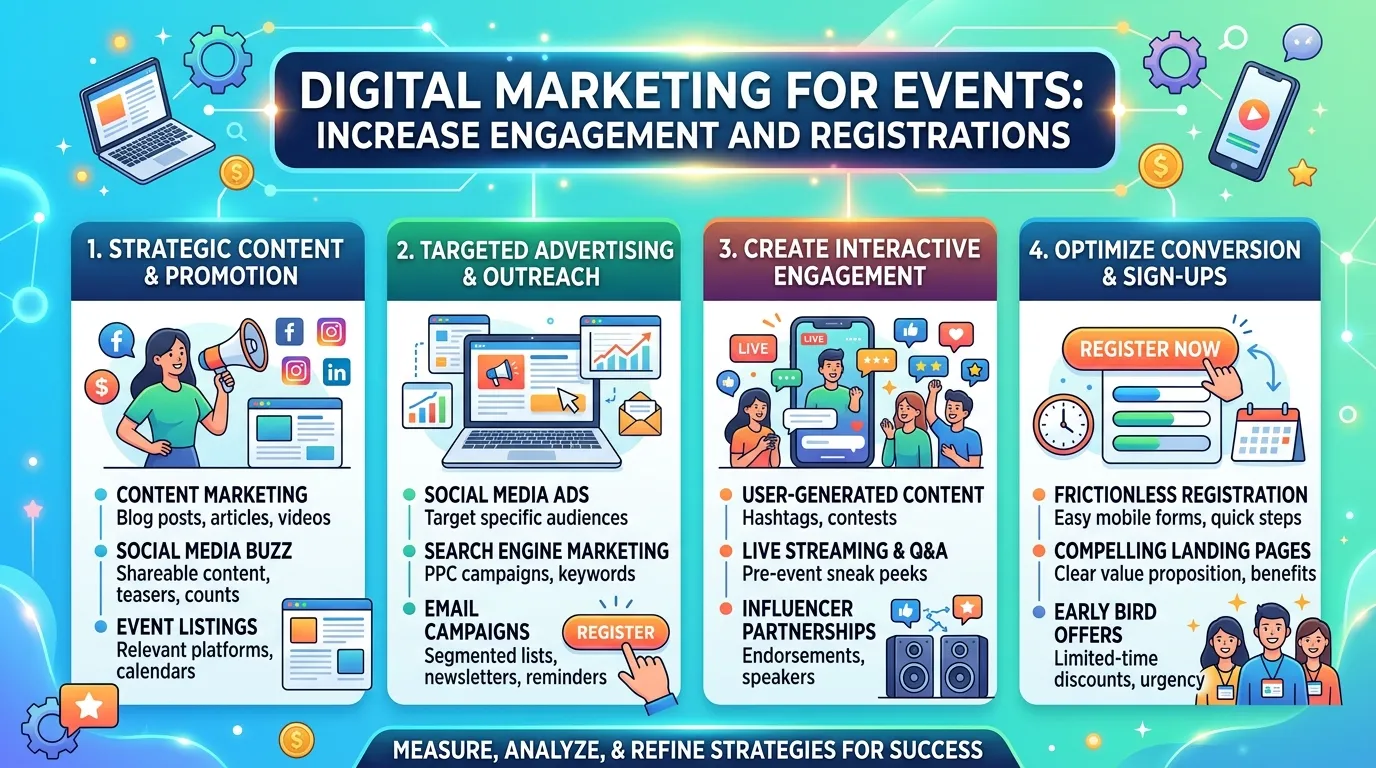
Digital marketing for events helps organizations attract relevant audiences, increase registrations, improve engagement, and maintain relationships beyond the event itself. Combining content marketing, social media, email, automation, search visibility, paid promotion, and audience data creates a connected promotional experience. A well-planned approach can also make event campaigns more measurable, allowing organizers to refine their strategies based on audience behavior and campaign performance.
Digital marketing for events has become an important part of attracting attendees, building awareness, increasing registrations, and maintaining engagement before, during, and after an event. Whether an organization is promoting a conference, webinar, trade show, corporate gathering, workshop, or virtual event, digital channels provide opportunities to reach relevant audiences and communicate event value more effectively.
A strong event marketing presence usually combines content, social media, email, search visibility, paid advertising, automation, and audience data. When these activities work together, event organizers can create consistent messaging across multiple channels while guiding potential attendees from initial awareness to registration and participation.
Why Digital Marketing for Events Matters
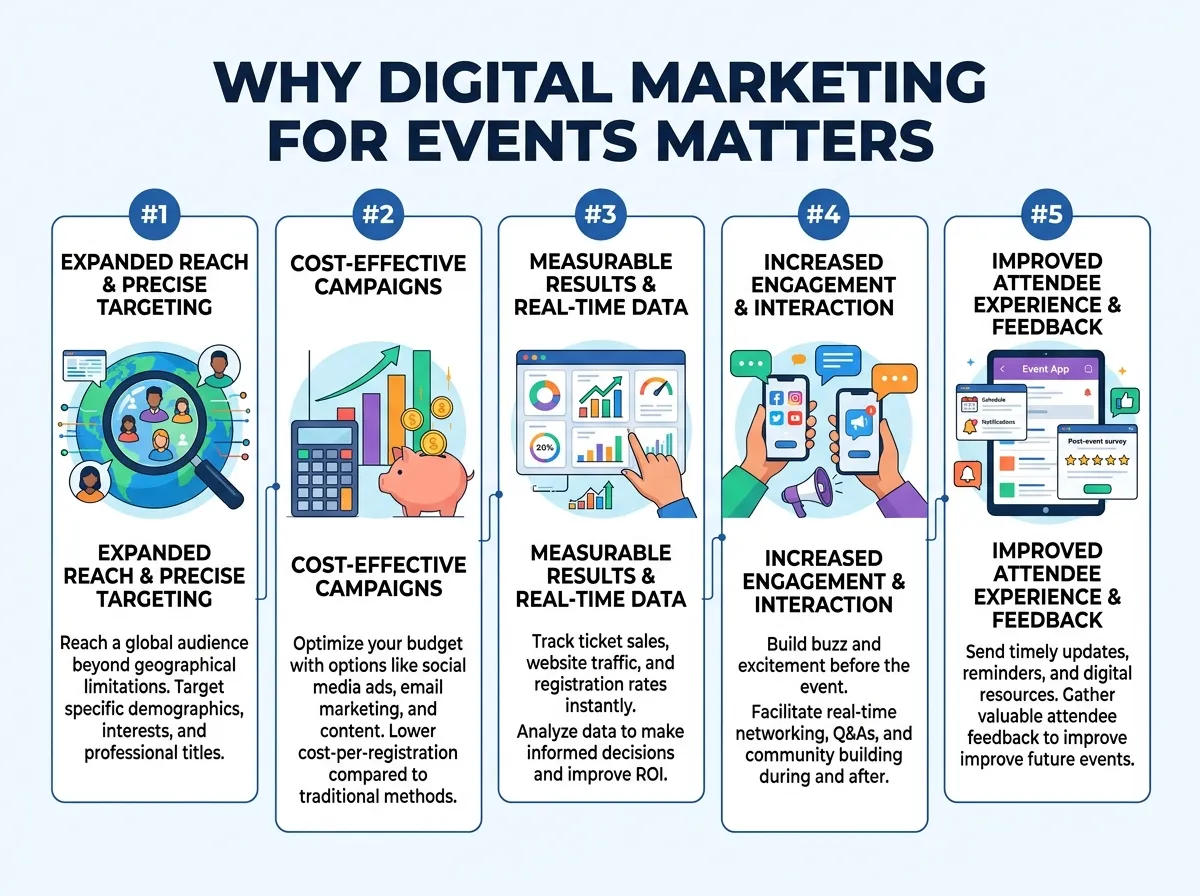
Event promotion is no longer limited to traditional advertising, printed materials, or personal networking. People often discover events through search engines, social media platforms, email campaigns, online communities, and digital content. This makes digital channels valuable for connecting an event with audiences who are already interested in its topic, industry, speakers, or activities.
A well-planned event digital marketing strategy can also make promotion more measurable. Organizers can monitor website visits, registration activity, email engagement, advertising performance, social interactions, and other indicators to understand how audiences respond to campaigns. These insights can then be used to improve promotional messages and allocate marketing resources more effectively.
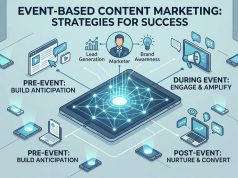
Digital marketing also supports communication throughout the event lifecycle. Content can introduce an event weeks or months before it begins, reminders can encourage registrations as the date approaches, and follow-up content can maintain relationships after the event has ended.
Building a Strong Digital Event Marketing Strategy
Digital event marketing works best when every channel has a clear role within the overall promotional process. Instead of publishing disconnected posts or sending occasional emails, event organizers can create a coordinated campaign that communicates the event’s value consistently.
The first step is understanding the intended audience. An event aimed at business executives may require different messaging from an event designed for students, marketers, technology professionals, or local consumers. Audience interests, professional roles, geographic location, previous event participation, and online behavior can all influence promotional communication.
The event’s value proposition should also be clear. Potential attendees need to understand what they can gain from attending, such as expert insights, networking opportunities, demonstrations, educational sessions, business opportunities, or access to new ideas. Strong messaging gives audiences a reason to move from awareness toward registration.
Content can then reinforce this message across landing pages, blog articles, social posts, email campaigns, videos, speaker announcements, and other promotional formats.
Creating an Effective Event Promotion Strategy
An effective event promotion strategy should create awareness while gradually giving potential attendees more reasons to register. Early promotion can introduce the event, its theme, and its key benefits. As the event approaches, marketing can focus more strongly on speakers, sessions, experiences, limited opportunities, registration reminders, and practical attendance information.
Event-based content can play an important role in this process because it allows organizers to provide useful information instead of relying exclusively on promotional messages. Publishing relevant content around event themes can attract people who are already interested in the subject.
For example, an event focused on digital transformation could publish articles about industry trends, expert interviews, speaker insights, or common challenges related to the event topic. These resources can create additional entry points for people who may eventually become attendees.
Organizers can also strengthen their campaigns through Event-Based Content Marketing, particularly when content is used to build interest before and maintain engagement after the event.
Using Social Media Marketing for Events
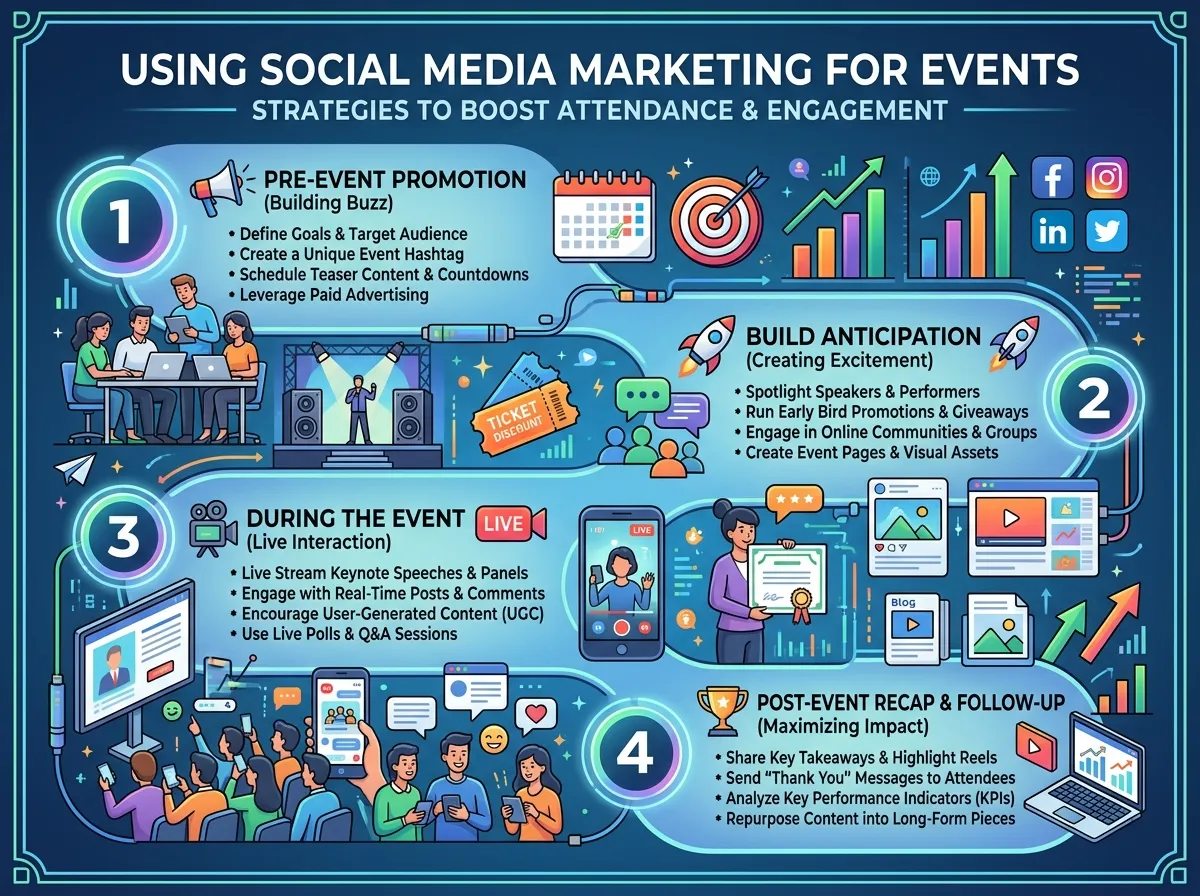
Social media marketing for events provides a way to reach audiences through content that is easy to share and interact with. Different platforms can support different parts of an event campaign, depending on the audience and event type.
Speaker introductions, short videos, event announcements, testimonials, behind-the-scenes content, countdown posts, session previews, and audience questions can all help create interest. Social media can also encourage existing attendees, speakers, sponsors, and partners to share event information with their own networks.
Consistency is important. The event name, visual identity, key message, registration information, and calls to action should remain recognizable across promotional content. At the same time, content should be adapted to the communication style of each platform rather than simply copying the same post everywhere.
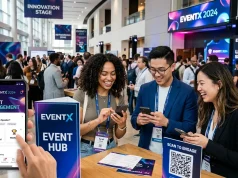
During an event, social media can support real-time event audience engagement through live updates, session highlights, audience questions, polls, photographs, short videos, and speaker quotes. This can help extend the event conversation beyond the people physically or virtually attending.
Developing Event Marketing Campaigns
Successful event marketing campaigns generally work across several stages rather than relying on a single promotional push. Awareness-focused content can introduce the event, while consideration-focused content can explain its benefits and provide more detailed information. Registration-focused messages can then encourage interested audiences to take action.
Email marketing can support each stage by delivering relevant messages directly to subscribers. An initial announcement might introduce the event, followed by speaker updates, session announcements, registration reminders, and practical attendance information.
Paid advertising can also complement organic promotion. Search advertising can reach people actively looking for relevant events or topics, while social advertising can introduce an event to audiences based on interests and other targeting characteristics. Landing pages should closely match the message used in advertisements so that visitors receive a consistent experience after clicking.
The timing of each campaign element matters as well. Event Launch Promotion can help organizers structure early awareness efforts and build momentum around registrations.
Expanding Reach Through Digital Event Promotion
Digital event promotion can extend beyond an organization’s existing audience. Search engine optimization, social sharing, email partnerships, industry publications, online communities, influencer relationships, and paid media can all provide additional sources of event traffic.
Search visibility is particularly useful when people are already searching for information related to an event topic. Optimizing event pages around relevant search terms can help potential attendees discover the event organically.
Content marketing can support this visibility by creating resources connected to the event’s subject. For example, a technology conference could publish articles about emerging technologies, implementation challenges, expert perspectives, and industry developments. These pages can attract search traffic while introducing readers to the event.
Localization can also become important when an event targets specific geographic markets. Event messaging may need to reflect local language, cultural expectations, terminology, interests, and customer behavior. The principles discussed in Marketing Localization can provide useful context when adapting digital messaging for different audiences.
Improving Event Audience Engagement
Getting people to register is only one part of event marketing. Maintaining event audience engagement can improve the overall attendee experience and strengthen relationships with potential customers.
Before an event, engagement can come from surveys, polls, educational content, speaker introductions, interactive emails, and social conversations. These activities allow organizers to learn more about audience interests while keeping the event visible.
During the event, interactive sessions, live questions, polls, networking opportunities, chat features, social media conversations, and audience participation can create a more active experience. For virtual events, interactive technology can be particularly important because organizers need to maintain attention through a digital environment.
After the event, engagement can continue through recordings, presentation materials, recap articles, surveys, follow-up emails, and additional educational content. This turns a single event into an ongoing communication opportunity.
Using Event Marketing Automation
Event marketing automation can make communication more consistent while reducing repetitive manual work. Automation can be used to send registration confirmations, reminders, follow-up messages, personalized content, and other communications based on attendee actions.
For example, someone who registers for an event may automatically receive a confirmation email followed by reminders as the event approaches. Another person who visits the registration page without completing the form could receive a follow-up message encouraging them to return.
Segmentation can make automated communication more relevant. Organizers might separate attendees by registration status, location, professional role, previous attendance, interests, or engagement level. Different groups can then receive messages that better match their relationship with the event.
Automation can also help identify highly engaged prospects. Someone who repeatedly opens event emails, watches promotional videos, visits multiple event pages, or interacts with campaign content may be more engaged than someone who has only viewed one advertisement.
Supporting Event Lead Generation
An effective event lead generation strategy connects promotional activity with measurable business opportunities. Events can generate leads through registration forms, content downloads, newsletter subscriptions, consultation requests, networking interactions, and post-event follow-up.
Registration forms should generally collect information that is useful for communication and segmentation without creating unnecessary friction. The information collected can help organizers understand their audience and personalize future messaging.
Lead nurturing becomes especially important after registration. Attendees may not immediately become customers, but their participation can provide valuable opportunities for continued communication. Follow-up content can address questions raised during the event, provide additional resources, introduce relevant services, or invite attendees to future events.
For organizations using a marketing funnel, tracking the movement from advertising and content engagement to registration and post-event activity can reveal where prospects are becoming more engaged and where improvements may be needed. Event Marketing Funnel Optimization can help provide additional context around this process.
Measuring Digital Marketing Performance
Measurement helps event organizers understand which promotional activities are contributing to awareness, engagement, registrations, and post-event outcomes. Useful metrics can include website traffic, landing-page visits, registration conversion rate, email open and click activity, social engagement, advertising clicks, cost per registration, attendance rate, and post-event engagement.
The most useful metrics depend on the event’s objectives. An awareness campaign may focus more heavily on reach and traffic, while a registration campaign may place greater emphasis on conversion activity.
Comparing campaign performance across channels can also reveal where audiences respond most effectively. If one content format consistently generates qualified traffic while another produces high engagement but few registrations, the difference can inform future campaign planning.
Tracking should continue after the event. Post-event interactions can reveal whether attendees remain interested, consume additional content, respond to follow-up communication, or participate in future campaigns.
Creating a Connected Event Marketing Experience
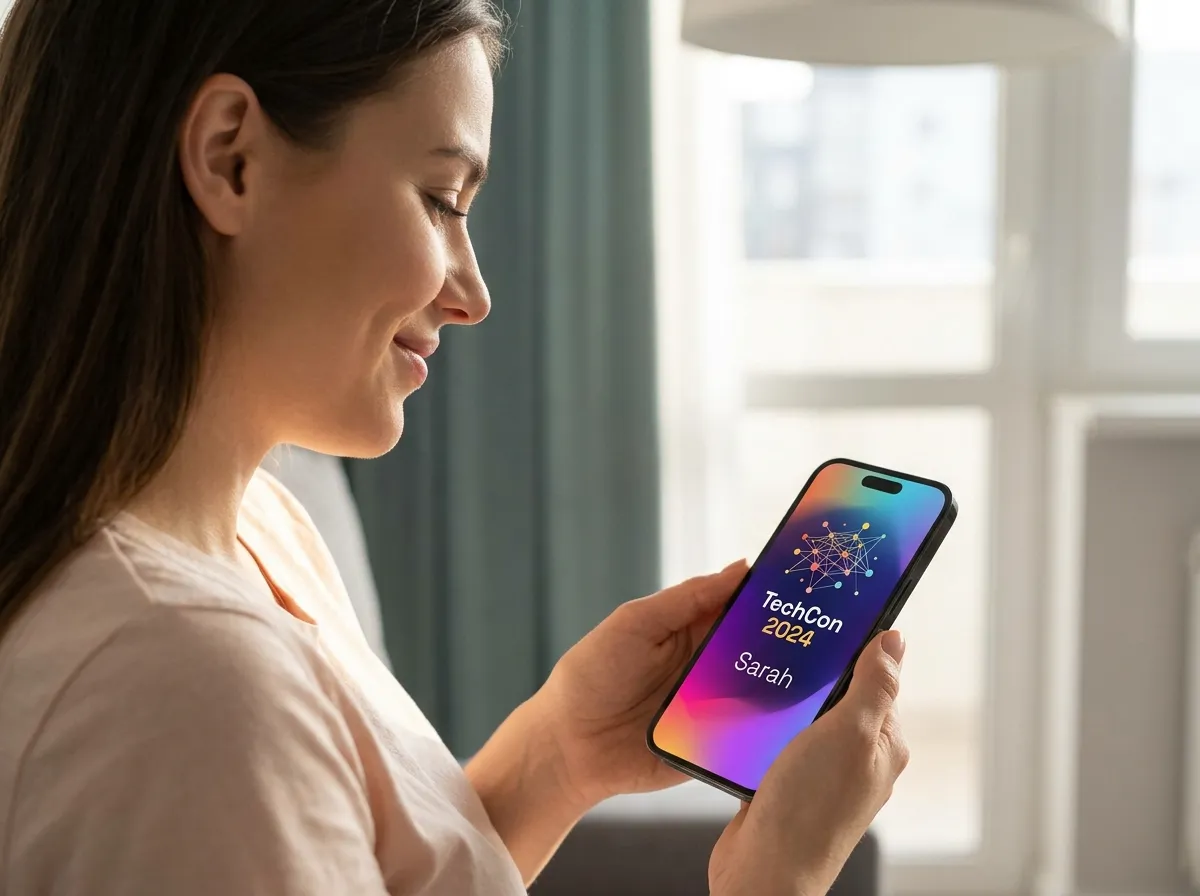
The strongest digital marketing for events does not treat each promotional channel as an isolated activity. Website content, email, social media, advertising, search optimization, automation, and event content should work together around a consistent message.
A person might first discover an event through social media, read an event-related article, visit the registration page, receive an email reminder, and eventually attend. Each interaction contributes to the overall experience.
This connected approach also creates more opportunities for personalization. Audiences can receive different content based on their interests and previous interactions instead of receiving identical messages throughout the campaign.
As event marketing becomes increasingly data-driven, organizations can use these interactions to understand audience behavior and continuously improve their promotional communication.
Frequently Asked Questions
1. What is digital marketing for events?
Digital marketing for events refers to using online channels such as websites, search engines, social media, email, digital advertising, content marketing, and automation to promote an event and communicate with attendees. It can support awareness, registration, engagement, attendance, and post-event follow-up.
2. Why is digital marketing important for event promotion?
Digital marketing allows event organizers to reach targeted audiences through channels they already use online. It also provides measurable data that can help organizations understand traffic, engagement, registrations, and campaign performance.
3. What should an event digital marketing strategy include?
An event digital marketing strategy can include a combination of event websites or landing pages, SEO, social media, email marketing, content creation, paid advertising, automation, audience segmentation, and post-event communication. The specific combination depends on the event’s audience and objectives.
4. How can social media marketing promote an event?
Social media marketing for events can use speaker announcements, videos, countdowns, testimonials, session previews, interactive posts, event updates, and attendee-generated content. These formats can increase awareness and encourage audiences to interact with the event before and during the program.
5. How does content marketing help event promotion?
Content marketing can attract people who are interested in the event’s subject. Articles, interviews, videos, reports, and educational resources can provide useful information while introducing audiences to the event and its speakers or sessions.
6. What is event marketing automation?
Event marketing automation uses software and predefined workflows to automate communications and marketing activities. It can support registration confirmations, reminders, follow-up emails, audience segmentation, lead nurturing, and other repetitive tasks.
7. How can event organizers increase audience engagement?
Organizers can encourage engagement through polls, surveys, interactive sessions, social media discussions, live questions, networking opportunities, personalized communication, and useful post-event content. Engagement should continue throughout the event lifecycle rather than only during the event itself.
8. How does digital marketing generate event leads?
Digital marketing can generate event leads through search traffic, social media campaigns, paid advertising, email marketing, content downloads, registration pages, and other online interactions. Lead information can then be used for relevant follow-up and nurturing.
9. What metrics should event marketers track?
Important metrics may include website traffic, registrations, conversion rates, email engagement, social interactions, advertising performance, attendance rates, cost per registration, and post-event engagement. The most relevant metrics depend on the event’s specific objectives.
10. How can digital marketing continue after an event?
Post-event digital marketing can include recap articles, recordings, presentation resources, surveys, follow-up emails, social content, related educational materials, and invitations to future events. Continuing communication can help extend the value of the event and maintain audience relationships.