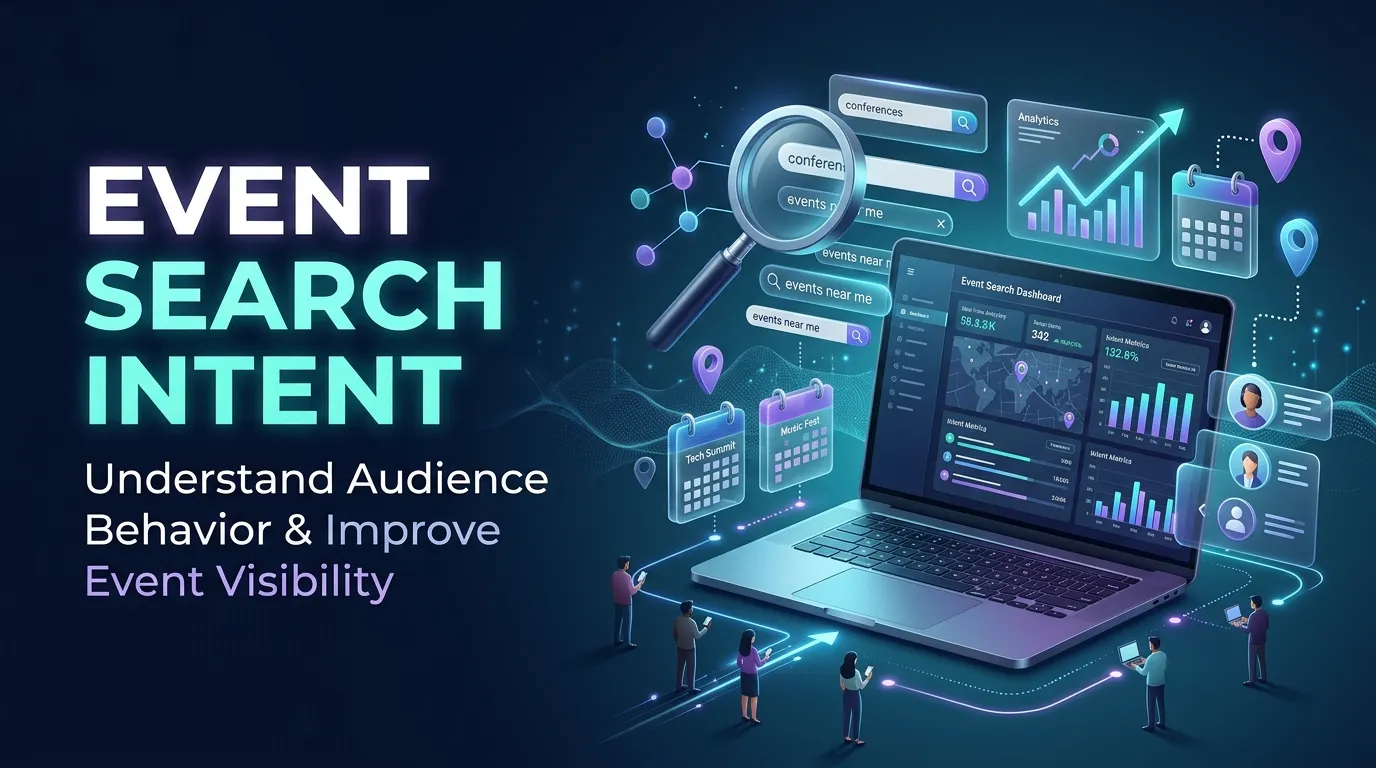
Event search intent helps organizers understand why people search for events and what information they need before attending. By analyzing event discovery keywords, search queries, local trends, and audience behavior, marketers can improve event search optimization and online visibility. Relevant content, accurate event details, and audience-focused communication make it easier for potential attendees to discover suitable events and complete registration.
Event marketing begins long before people arrive at a venue or join an online session. Potential attendees often search for information, compare available options, explore local activities, and evaluate whether an event matches their interests. Understanding what people want when they search for events helps organizers create more relevant content, reach the right audiences, and improve event visibility.
Event search intent refers to the purpose behind a person’s search for an event, event-related information, or an experience they want to attend. Someone searching for a business conference may be looking for registration details, while another person searching for live music nearby may want to find an event happening that evening. Although both searches concern events, their expectations and needs are different.
Recognizing these differences allows event marketers to develop content that answers specific questions and supports the audience’s decision-making process. It also helps businesses identify relevant keywords, improve search visibility, and communicate event details more effectively.
By understanding event search behavior, event discovery keywords, local search trends, and audience interests, organizers can create a more focused approach to attracting attendees. Rather than relying solely on broad promotional messages, they can connect with people who are actively looking for the experiences their events provide.
Understanding Event Search Intent
Event search intent describes the reason behind an event-related search. It helps marketers understand whether people want to discover an event, learn more about it, compare their options, or complete an action such as registering for a ticket.
Search intent is important because the words people use often reveal what information they expect to find. A search for an event’s name and date suggests a different need from a search for weekend activities in a particular city.
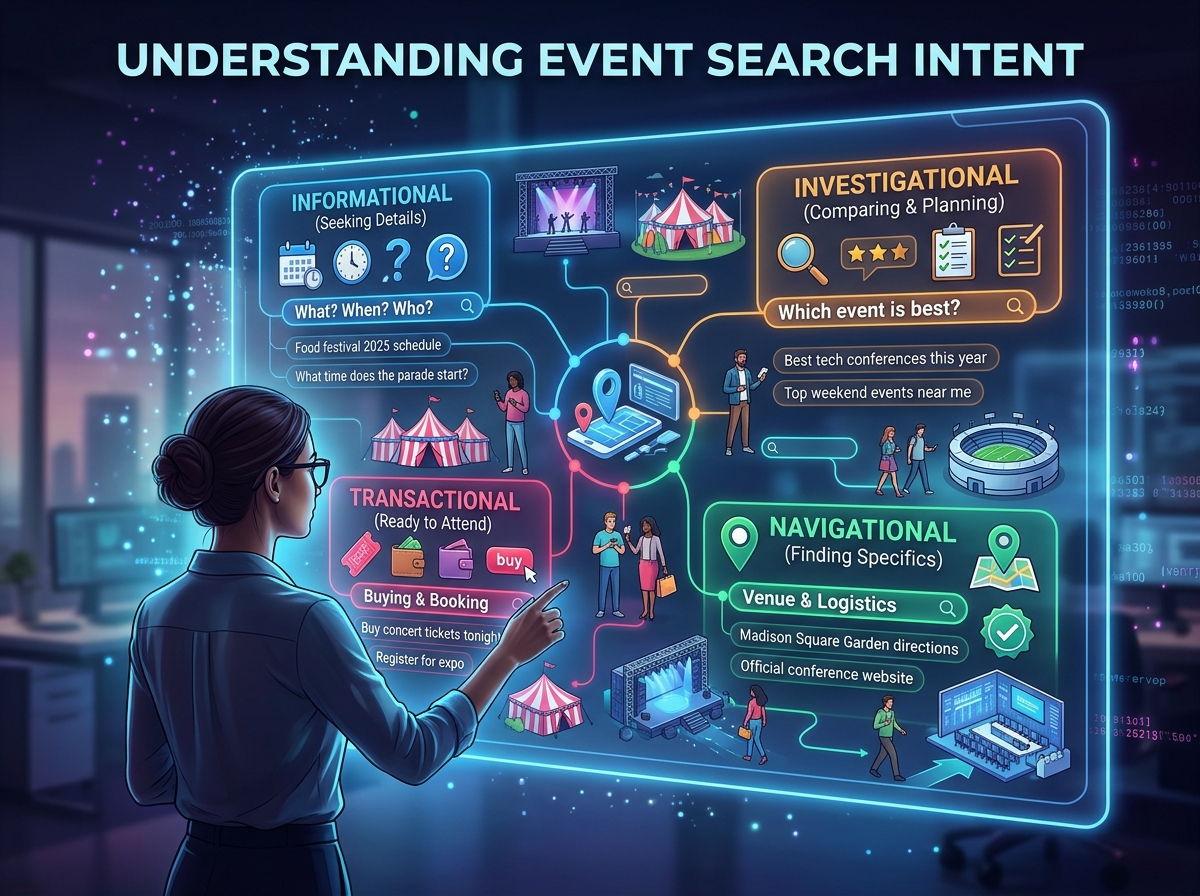
Event marketers can generally recognize four broad types of search intent.
Informational intent occurs when people want to learn something. They may search for conference schedules, festival dates, speaker information, event themes, or details about what attendees can expect.
Navigational intent occurs when people are trying to find a specific event, organizer, venue, or official registration page. These searches often include a recognizable name or brand.
Commercial investigation involves comparing available options before making a decision. Someone might compare industry conferences, music festivals, professional workshops, or networking opportunities before choosing one.
Transactional intent indicates that a person is ready to take action. Searches involving ticket purchases, event registration, reservations, or early-bird pricing may indicate a stronger intention to attend.
These categories can overlap, and search phrases do not always reveal a person’s exact intentions. Nevertheless, they provide a useful foundation for understanding audience needs and developing relevant event content.
Why Event Search Behavior Matters for Event Marketing
Event search behavior reveals how potential attendees discover opportunities and decide which experiences deserve their attention. By studying these patterns, organizers can understand which topics interest their audiences, what questions people ask, and which details influence attendance decisions.
For example, people considering a professional conference may search for speakers, networking opportunities, session topics, and registration costs. People looking for a local festival may care more about dates, location, parking, family activities, and ticket availability.
These differences affect how event information should be presented. A page that emphasizes entertainment and accessibility may be appropriate for a community festival, while a business conference page may need to highlight learning opportunities, industry relevance, and professional networking.
Understanding search behavior also helps marketers identify changes in audience demand. Searches may increase when an event approaches, when a well-known speaker is announced, or when registration deadlines become more relevant.
This information can inform content planning, promotional timing, and the allocation of marketing resources. Instead of assuming what potential attendees want, organizers can use search patterns and audience feedback to make more informed decisions.
Effective communication is equally important once potential attendees discover an event. Clear event marketing messaging helps explain the event’s value, communicate important details, and encourage interested people to take the next step.
Event Discovery Keywords and Audience Needs
Event discovery keywords are the words and phrases people use to find events, activities, and experiences that match their interests. These keywords may describe an event category, location, date, audience, purpose, or specific attraction.
Examples include searches for technology conferences, food festivals near a city center, weekend art exhibitions, professional networking events, and live music performances. Each phrase communicates different information about what the searcher wants.
The most useful keywords are not necessarily those with the highest search volume. A broad term may attract many visitors who have little interest in a particular event, while a more specific phrase may reach people whose needs closely match the experience being offered.
For instance, a general search for business events may indicate early exploration. A search that includes a city, industry, and date can be more closely connected to an immediate attendance decision.
Keyword research should therefore consider relevance alongside demand. Event organizers need to understand whether a phrase accurately describes their event and whether the content can provide a satisfying answer to the searcher’s question.
Related searches can also reveal additional content opportunities. Questions about schedules, speakers, venue access, ticket categories, and event activities may help organizers expand event pages with useful details instead of repeating generic promotional language.
A thoughtful event discovery strategy connects these search terms with clear, accurate information that helps people determine whether an event is right for them.
Event Search Optimization and Online Visibility
Event search optimization focuses on making event information easier for search engines and potential attendees to discover. It combines relevant content, clear page structure, accurate event details, and a useful user experience.
A well-optimized event page should communicate the event’s name, purpose, date, location, and main attractions. Depending on the event, it may also include registration details, ticket information, speaker biographies, schedules, accessibility information, and answers to common attendee questions.
Page titles and descriptions should reflect the event accurately and include relevant search terms naturally. Overloading a page with repeated keywords can make the content less readable without ensuring better rankings.
The structure of the website also matters. Event pages should be easy to access through appropriate navigation and related content. Links from relevant category pages, organizer profiles, and supporting articles can help visitors discover the event and understand its context.
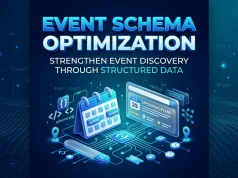
Technical details deserve attention as well. Pages should load reliably, work on mobile devices, and present essential information clearly. Where appropriate, structured data using supported event markup can help search engines interpret event details. However, structured data does not guarantee enhanced search results or a particular ranking.
Organizers should also keep event information current. Outdated dates, unavailable tickets, and incorrect venue details can undermine trust and frustrate visitors. Maintaining accurate pages helps ensure that the information people find is useful when they are deciding whether to attend.
Understanding Event Search Queries
Event search queries provide direct clues about the information people want. Examining the language used in these queries can help marketers distinguish between general interest, specific questions, and searches that suggest an intention to register.
Broad queries often reflect initial exploration. Someone searching for technology events may be trying to understand what is available without having selected a particular event.
More specific queries can indicate a clearer preference. Searches mentioning a city, venue, topic, date, or particular speaker provide additional context about the person’s interests.
Question-based searches are particularly useful for content development. Queries about what happens at an event, who should attend, how much tickets cost, and when registration closes can reveal information that event pages need to communicate.
Search data can be reviewed alongside website analytics, registration records, customer questions, and feedback from previous attendees. Combining these sources provides a more complete understanding than relying on keyword data alone.
Marketers should also recognize that the same query may have different meanings for different people. A search for a conference schedule might come from someone deciding whether to attend or a registered attendee checking session times.
The best response is to provide accurate information that serves the likely need without assuming every searcher is at the same stage of the decision-making process.
Event Audience Intent and the Attendee Journey
Event audience intent helps marketers understand what potential attendees are trying to accomplish when they explore event information. Their needs often change as they move from initial discovery to evaluating options and making a final decision.
At the discovery stage, people may be looking for experiences that match their interests. Content describing the event’s theme, intended audience, main attractions, and overall purpose can help them decide whether to explore further.
During the evaluation stage, potential attendees often need more specific information. They may compare ticket prices, schedules, speakers, travel requirements, networking opportunities, or other practical considerations. Clear answers help reduce uncertainty and make comparisons easier.
Closer to registration, the emphasis shifts toward action. Visitors need accessible ticket links, transparent pricing, registration deadlines, and straightforward instructions. Unclear checkout processes or missing details can create unnecessary barriers.
After registration, the audience’s needs change again. Attendees may search for venue directions, updated schedules, parking information, accessibility arrangements, or event reminders.
An event website can support these different needs by providing relevant information at each stage. Understanding intent helps organizers prioritize the details that matter most instead of expecting one promotional page to answer every possible question.
This approach also complements event marketing customer engagement, because relevant communication can help audiences remain informed and involved throughout their relationship with an event.
Local Event Search Trends and Location-Based Discovery

Local event search trends are especially important for festivals, exhibitions, workshops, concerts, community gatherings, and other experiences tied to a specific location. People searching for nearby events often need practical information that helps them decide whether attendance is convenient.
Location-based searches may include a city, neighborhood, venue, or phrase such as events near me. These queries suggest that geographical relevance is an important part of the search.
Organizers can improve local discovery by providing accurate venue addresses, city names, event dates, transportation details, and relevant descriptions of the surrounding area. Where appropriate, maintaining accurate business or venue listings can also help people find the correct location.
Local search behavior can change according to the event category and time of year. Outdoor activities may attract different interest during seasonal weather changes, while professional networking events may appeal to audiences around industry gatherings or business calendars.
Search patterns can also reveal differences between residents and visitors. Local attendees may prioritize accessibility and convenience, whereas travelers may need information about accommodation, transport connections, and nearby attractions.
These differences should inform the information presented on event pages. However, location-based content should remain useful and accurate rather than simply repeating city names to attract search traffic.
For event organizers, a strong local discovery presence makes it easier for relevant audiences to find experiences that match their interests, schedules, and practical needs.
Event-Related Search Terms and Content Relevance
Event-related search terms extend beyond the event name itself. People may search for information about speakers, performers, activities, venue facilities, workshops, sponsors, networking opportunities, or related topics.
These terms help organizers understand the different reasons people may be interested in an event. A conference may attract attendees because of its educational sessions, while a festival may draw interest through its performances, food offerings, or family activities.
Content can address these interests through informative event descriptions, detailed schedules, speaker profiles, activity pages, and answers to frequently asked questions. Each resource should offer meaningful information rather than repeating the same promotional message across multiple pages.
Relevance is particularly important when an event covers several topics. A broad event page can introduce the overall experience, while supporting sections explain individual sessions or activities in greater detail.
Event-related search terms can also help organizers communicate more clearly. If potential attendees frequently ask about parking, age restrictions, accessibility, or registration requirements, addressing those questions directly can improve the usefulness of the event website.
The goal is to match the content with real audience needs. Search terms provide a starting point, but their value depends on how well the resulting information answers the questions behind them.
Event Search Visibility and Competitive Discovery
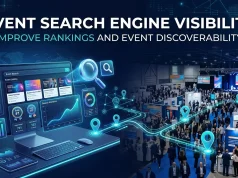
Event search visibility refers to how easily potential attendees can find an event through search engines and other discovery channels. Strong visibility helps relevant audiences encounter an event while researching activities, comparing opportunities, or looking for specific experiences.
Competition can make this challenging, particularly when several events target similar audiences in the same location. Large organizers may have established websites, recognizable brands, and extensive online coverage.
Smaller organizers can still improve their visibility by communicating their event’s distinct value and providing accurate, useful information. Specific descriptions of the audience, subject matter, format, and experience can help differentiate an event from alternatives.
Search visibility should not be evaluated through rankings alone. Relevant impressions, organic visits, engagement with event details, registration activity, and completed ticket purchases can provide a broader picture of performance.
Search Console data can help reveal which queries generate impressions and clicks, while website analytics and registration systems can show what visitors do after reaching an event page. These sources can help identify where an event attracts attention but fails to provide enough information to encourage further action.
Visibility also depends on consistency. When event dates, names, locations, and registration details differ across websites, directories, and promotional materials, potential attendees may become confused.
Maintaining accurate information across relevant channels helps create a more reliable discovery experience and supports confidence in the event.
Event Audience Research and Search Insights
Event audience research helps organizers understand who their potential attendees are, what interests them, and what influences their decisions. Search insights provide one useful source of information, but they are most valuable when combined with direct audience feedback and campaign results.
Keyword research can reveal topics that attract interest, while customer surveys and conversations can explain why those topics matter. Registration data may show which audience groups attend, and post-event feedback can highlight what participants valued or found difficult.
Together, these insights help organizers develop a clearer picture of audience expectations. They can identify which event features deserve greater visibility, which questions require better answers, and which audiences may need different information.
Audience research also helps distinguish between curiosity and genuine attendance interest. A person may search for a popular speaker without intending to register, while another may focus on practical details because they are actively considering attendance.
For that reason, search volume should not be treated as a direct measure of likely registrations. Search insights are most useful when interpreted alongside audience relevance, event objectives, and observed behavior.
Understanding audience needs can also strengthen event marketing for customer engagement, helping organizers create experiences and communications that encourage meaningful participation rather than relying only on promotional reach.
The Role of Event Sponsorship in Audience Discovery
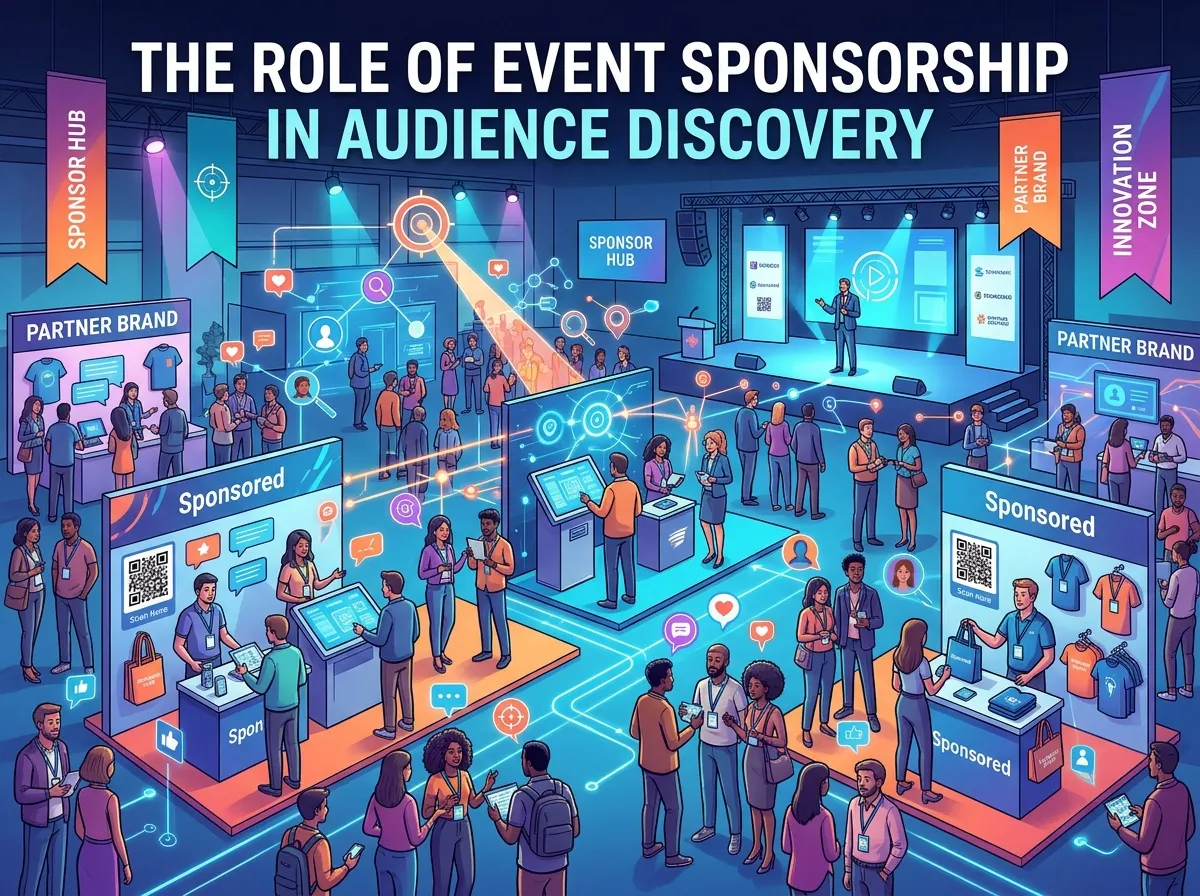
Sponsors can contribute to event discovery by introducing an event to audiences who may not otherwise encounter it. Relevant sponsorship partnerships can extend reach through established communities, professional networks, customer communications, and other appropriate channels.
The value of sponsorship depends on how well the partnership aligns with the event’s audience and purpose. A sponsor whose products or services are relevant to attendees may provide useful information and additional reasons to explore the event.
Search behavior can help inform these decisions. If audience research reveals interest in a particular industry, activity, or professional topic, organizers can consider partners whose expertise supports those interests.
Sponsorship information should be integrated naturally into event communications. Clear descriptions of partner contributions, relevant activities, and attendee benefits can make the relationship easier to understand without distracting from the event itself.
Organizers exploring event sponsorship ideas to grow a business can consider how partnerships support audience discovery while delivering meaningful value to both attendees and sponsors.
When sponsorship aligns with audience intent, it can strengthen the event’s overall offering and introduce the experience to more relevant potential attendees.
Conclusion
Event search intent provides valuable insight into how people discover, evaluate, and choose events. By understanding event search behavior, researching relevant keywords, analyzing search queries, and responding to local discovery trends, organizers can make their event information more useful and accessible.
Effective event search optimization requires more than attracting website visits. It involves providing accurate details, answering audience questions, communicating the event’s value, and making registration information easy to find.
Combining search insights with event audience research and performance data helps marketers make better decisions about content, promotion, and attendee communication. When event information matches what people are looking for, organizers can improve discovery, reduce uncertainty, and create a clearer path from initial interest to participation.
Frequently Asked Questions
1. What is event search intent?
Event search intent is the purpose behind a person’s search for an event or related information. It can involve discovering events, researching details, comparing options, or registering to attend.
2. Why is event search intent important?
It helps event marketers understand audience needs, create relevant content, select appropriate keywords, and improve the chances that potential attendees will find useful event information.
3. What are event discovery keywords?
Event discovery keywords are the phrases people use to find events, activities, conferences, festivals, and other experiences. They may include event categories, locations, dates, topics, or specific attractions.
4. How can event search optimization improve visibility?
Event search optimization improves the clarity, relevance, and accessibility of event information through useful content, accurate details, appropriate keywords, effective page structure, and relevant structured data.
5. What are common types of event search intent?
The main types are informational, navigational, commercial investigation, and transactional intent. They represent people seeking information, finding a specific destination, comparing options, or completing an action.
6. How can organizers analyze event search queries?
Organizers can examine keyword research, search performance reports, website analytics, registration data, and audience questions to understand what people search for and which information they need.
7. Why are local event search trends important?
Local search trends help organizers understand demand for events in specific areas. Location-based information can help people evaluate convenience, transportation, venue details, and whether an event is suitable for their plans.
8. How does event audience research support search optimization?
Audience research reveals attendee interests, expectations, and decision-making factors. These insights help organizers create relevant content and prioritize the information most likely to help people decide whether to attend.
9. How can event organizers measure search visibility?
They can monitor search impressions, clicks, organic traffic, relevant keyword performance, engagement with event details, registration activity, and completed ticket purchases.
10. Can understanding event search intent increase registrations?
It can help improve registration opportunities by connecting potential attendees with relevant events and providing the information they need to make decisions. Actual results also depend on event appeal, pricing, competition, and the registration experience.