Event marketing is no longer about posting a date and hoping people show up. In a crowded digital world, the brands, creators, and businesses that win attention are the ones that understand timing, emotion, trust, and clarity. That is why Event Advertising Methods That Actually Work are never random. They are built around human behavior, strong messaging, and a clear path from interest to registration.
People do not sign up only because an event exists. They sign up because they believe the event will solve a problem, answer a question, create an opportunity, or make them feel part of something valuable. This is where Event Advertising Methods That Actually Work become powerful. They do not just advertise. They remove hesitation, build desire, and guide action.
Whether you are promoting a webinar, seminar, workshop, product launch, conference, community meetup, or hybrid experience, your approach must match the audience’s mindset. Some people need social proof. Some need urgency. Some need convenience. Some need a reason to trust you. The right mix of Event Advertising Methods That Actually Work can move all of them toward conversion.
Why Event Advertising Needs More Than Visibility
Many event promoters focus only on reach. Reach matters, but reach alone does not convert. If the wrong audience sees your offer, or if the right audience does not understand the value quickly, registrations stay low. Strong event promotion is about relevance, not just exposure.
A person usually decides within seconds whether an event is worth their time. They ask themselves silent questions like: Is this for me? Will I learn something useful? Can I trust the host? Is it worth paying for or attending live? Will I miss out if I ignore it? Event Advertising Methods That Actually Work are designed to answer those questions before doubt wins.
This is why clarity beats hype. A simple, specific message often performs better than a flashy but vague one. People want to know what the event is, who it is for, what they will gain, and why they should act now. When your advertising speaks to those needs, conversions rise.
The Psychology Behind High-Converting Event Promotion
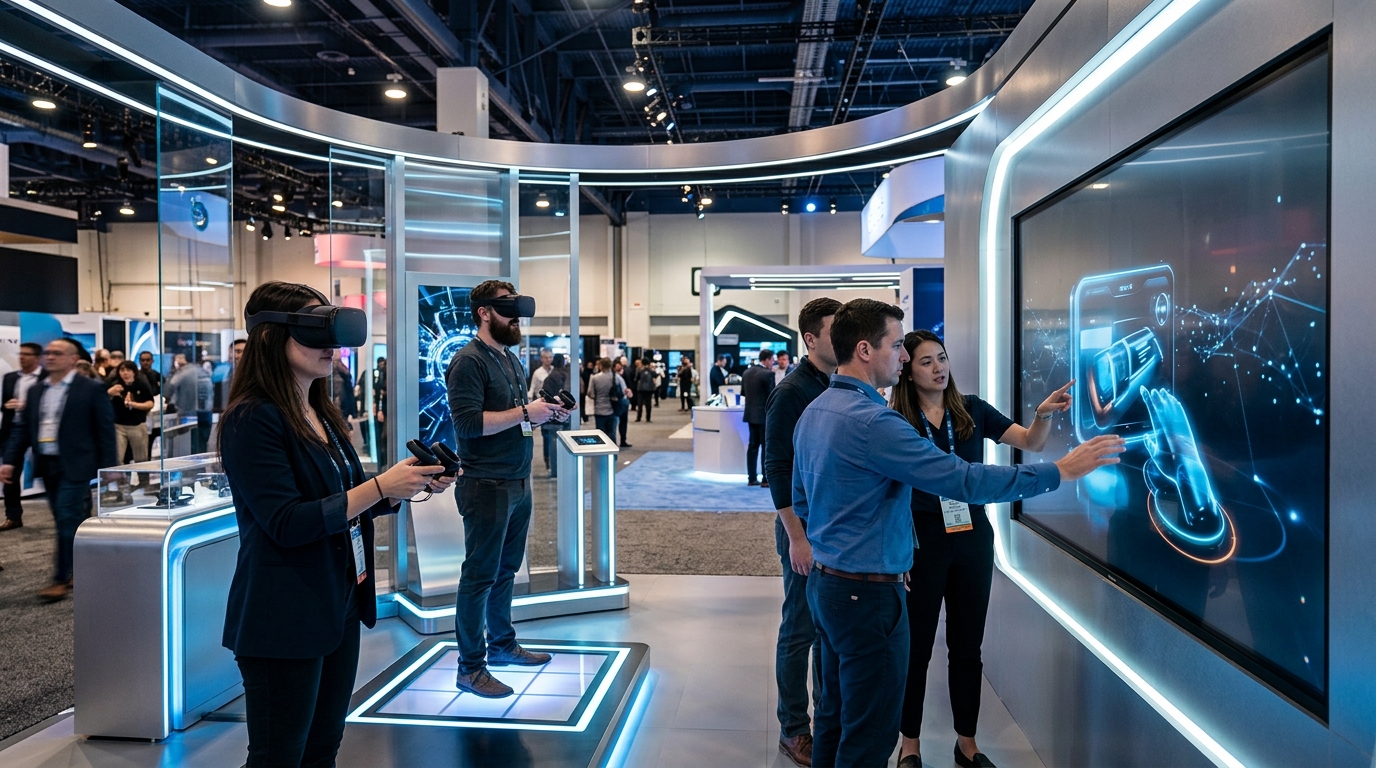
Great event promotion works because it aligns with human psychology. First, people are drawn to outcomes. They want to know what changes after attending. Second, they are influenced by proof. If others trust the event, new visitors feel safer. Third, they respond to urgency. A deadline, seat limit, or early-bird offer can push action. Fourth, they prefer low-friction decisions. The easier it is to understand and register, the better.
That is why Event Advertising Methods That Actually Work are built around emotional triggers and logical reassurance at the same time. Emotion gets attention. Logic secures the action. A good event ad does both. It makes the audience feel the value and believe the promise.
If you want stronger conversions, your copy, visuals, and landing page should all support one central idea. Do not confuse the audience with multiple messages. Keep the promise sharp, the benefits visible, and the next step easy.
Best Event Advertising Methods That Actually Work
Below is a practical table showing the strongest event channels, what they do best, and why they convert.
| Method | Best For | Conversion Advantage |
|---|---|---|
| Social media ads | Broad awareness and retargeting | Fast reach and strong audience targeting |
| Email campaigns | Warm audiences and past attendees | High trust and direct response |
| Landing pages | Turning interest into registrations | Clear value and reduced friction |
| Paid search ads | High-intent traffic | Captures users already looking for solutions |
| Organic social content | Community building | Improves trust before the event |
| Influencer or partner promotion | New audience access | Borrowed credibility and reach |
| Retargeting ads | Visitors who did not convert | Re-engages people already interested |
| Event communities | Niche engagement | Strong relevance and higher intent |
Each method works best when it is part of a connected system. A strong campaign rarely depends on one channel. It uses several Event Advertising Methods That Actually Work together so the audience sees the message more than once, in more than one format, at more than one stage of the decision process.
1. Paid Ads With Audience Precision
Paid ads are one of the most effective ways to create immediate visibility. They work especially well when your audience is clearly defined. A good ad can target by interest, behaviour, job title, location, or previous engagement. That makes it easier to reach people who are more likely to care.
For example, if you are hosting a marketing conference, you can target marketers, business owners, and startup founders. If you are promoting a local workshop, you can focus on geography. If you are running a virtual training session, you can widen the net but keep the message specific. These are Event Advertising Methods That Actually Work because they reduce waste and increase relevance.
2. Social Media Content That Builds Trust
Social media is not only for posting reminders. It is for warming up the audience. Short videos, behind-the-scenes clips, speaker highlights, countdown posts, and testimonial graphics can all help people feel connected before the event begins. This is one of the clearest ways to understand how to use social media for event advertising.
The best social posts are not overly promotional. They create curiosity and social proof. Show the problem the event will solve. Show who is speaking. Show the value of attending live. When people see consistent, useful content, they become more confident in the event and more likely to register.
3. Email Marketing That Nurtures Interest
Email is one of the strongest channels for registration because it reaches people who already know your brand or have shown interest before. A single email may not convert everyone, but a sequence can. Start with announcement emails, follow with benefit-driven messages, then add deadline reminders and last-chance alerts.
This is where Event Advertising Methods That Actually Work become highly efficient. Email does not need to convince strangers from zero. It moves warm leads closer to action. The more personalized the message, the stronger the response. Mention the audience segment, the main benefit, and the deadline in a clear, direct way.
4. Landing Page Optimization for Conversions
Even strong traffic can fail if the landing page is weak. A focused page should explain the event quickly, show the value clearly, and guide the user to register without distraction. This is where many campaigns lose momentum. A confusing or cluttered page increases drop-off.
If you want to know how to create a high-converting event landing page, start with one clear headline, one concise subheadline, benefit bullets, speaker or host details, social proof, a visible CTA, and a short registration form. Remove unnecessary links. Reduce scrolling where possible. Make the page feel fast, credible, and easy to complete.
5. Retargeting for the Interested but Hesitant
Most people do not register the first time they see an event. That is normal. Retargeting gives you a second or third chance to convert the same visitor. These ads are powerful because they speak to people who already showed intent.
Retargeting is one of the best Event Advertising Methods That Actually Work for higher event conversions because it keeps the event visible without starting from zero. You can show reminders, testimonials, speaker clips, countdown timers, or special offers. The goal is not to repeat the same message endlessly. The goal is to help the audience move from curiosity to decision.
6. Partnerships and Community Distribution
Partnerships help you borrow trust from people or brands your audience already knows. A partner email, a guest post, a co-branded announcement, or a community share can unlock new reach faster than starting alone. This is especially useful for niche events.
When someone familiar recommends your event, the audience feels safer. That safety matters. Event Advertising Methods That Actually Work often rely on credibility as much as visibility. A well-matched partner can improve sign-ups dramatically, especially when the audience overlap is strong.
7. Content That Educates Before the Event
People often register when they feel the event will give them answers. Educational content builds that expectation. Blog posts, short guides, carousel posts, teaser videos, and speaker interviews can position the event as a useful solution rather than just another date on a calendar.
If your goal is to understand how to promote an event successfully, think beyond announcement posts. Create content that helps the audience see why the event matters. When people understand the value in advance, they are more likely to take the next step.
A Step-by-Step Event Advertising Guide
A step-by-step event advertising guide helps reduce guesswork and improve consistency. Start by defining the audience with precision. Do not say “everyone” unless the event truly serves everyone. Next, define the main problem or desire the event addresses. Then write one clear promise. After that, choose the channels that best fit the audience.
Once the foundation is clear, build your campaign in stages. First, create awareness. Second, warm the audience with content and proof. Third, push registrations through deadlines and incentives. Fourth, retarget the non-converters. Finally, follow up with reminders and social proof until the event begins.
This sequence is one of the most practical Event Advertising Methods That Actually Work because it respects how people make decisions over time. They do not jump from awareness to action instantly. They move through interest, trust, and urgency.
How to Increase Event Conversions Without Wasting Budget
If your traffic is good but registrations are weak, the issue is usually not reach. It is alignment. The message, page, and audience may not match well enough. To understand how to increase event conversions, look at the full journey from ad to landing page to form completion.
Make the value clearer. Shorten the path to sign-up. Reduce form fields. Add proof. Show what attendees gain. Make the CTA visible. Test different headlines and visuals. Improve mobile experience. These small changes often create a larger impact than increasing the budget.
The best Event Advertising Methods That Actually Work do not just increase traffic. They improve the quality of attention and the ease of action.
Small changes that often improve conversions
Clearer value proposition
Tell the audience exactly why the event matters to them.
Stronger social proof
Use testimonials, speaker credibility, attendee counts, or brand logos.
Lower friction
Ask for less information during registration.
Better urgency
Use deadlines, limited seats, or early-bird pricing in a truthful way.
Better follow-up
Send reminders to people who viewed the page but did not register.
How to Increase Event Registration Rates
Registration rates grow when the offer feels valuable and the process feels simple. People often hesitate because they are unsure, busy, or distracted. Your job is to remove that hesitation.
One of the most effective ways to improve results is to use audience-specific messaging. Different groups care about different outcomes. A beginner wants guidance. A professional wants efficiency. A business owner wants ROI. A student wants opportunity. When the message matches the motivation, response improves.
If you want to understand how to increase event registration rates, focus on relevance, timing, and ease. Then connect your ads, emails, and landing page so they all reinforce the same promise. This is one of the most reliable Event Advertising Methods That Actually Work in any market.
How to Get More Attendees for an Event
Attendance is not only about sign-ups. It is about commitment. Some people register and never show up because the event does not stay top of mind. To solve that, keep communicating after the registration stage.
Send reminders, calendar invites, teaser content, and preparation tips. Show the attendee what they will miss if they do not come. Build anticipation before the event starts. This is one of the simplest ways to learn how to get more attendees for an event without increasing ad spend.
Attendance improves when people feel the event will be worth their time. That feeling comes from consistent messaging and useful pre-event communication.
How to Run Successful Event Marketing Campaigns
Strong campaigns are structured, measurable, and audience-centered. If you are learning how to run successful event marketing campaigns, begin with a clear goal. Decide whether the priority is awareness, sign-ups, attendance, leads, or sales. Then choose one primary conversion action.
Every touchpoint should support that goal. Ads bring attention. Social content builds familiarity. Emails reinforce urgency. Landing pages convert. Retargeting closes the loop. When all pieces work together, the campaign feels smooth and intentional.
Event Advertising Methods That Actually Work are not isolated tactics. They are coordinated systems. That is the difference between random promotion and real marketing strategy.
How to Promote Virtual Events Effectively
Virtual events have one major advantage: convenience. But they also face a major challenge: distraction. People can join from anywhere, which means they can also leave mentally at any time. To understand how to promote virtual events effectively, emphasize relevance, interactivity, and immediate value.
Show what attendees will learn, who they will hear from, and how the experience will be different from simply watching a video later. Highlight Q&A sessions, live interaction, downloadable resources, and exclusive access. These points create urgency and reduce dropout.
For virtual events, Event Advertising Methods That Actually Work should focus on flexibility plus clear payoff. People need to believe that attending live gives them something they cannot get elsewhere.
What Are the Most Effective Event Advertising Methods?
The answer depends on audience, budget, and event type, but the most effective event advertising methods usually combine paid reach, organic trust, email nurturing, and landing page optimization. No single channel wins every time. The strongest results come from a system that repeats the message in different formats.
If someone asks what are the most effective event advertising methods, the best response is this: use the channels where your audience already spends time, then connect them with a clear offer and simple registration path. That combination consistently drives better conversions than isolated promotion.
Conclusion
If you want better results, stop treating promotion like a one-time announcement. Build a full path that guides people from awareness to interest to registration to attendance. Use Event Advertising Methods That Actually Work to make each step easier, clearer, and more persuasive.
The best campaigns understand human psychology. They show value fast, prove credibility, create urgency, and remove friction. They also stay consistent across channels. That is how high-converting event campaigns are built. That is how stronger registrations happen. And that is how events turn from simple promotions into meaningful growth opportunities.
FAQ
How to promote an event successfully?
Promote the event with a clear message, audience-specific content, strong visuals, email follow-up, and a landing page that makes registration easy.
How to increase event conversions?
Improve the offer, strengthen social proof, shorten the form, and make the value of attending immediately visible.
What are the most effective event advertising methods?
Paid ads, email marketing, social media content, partnerships, retargeting, and a high-converting landing page usually work best together.
How to create a high-converting event landing page?
Use one clear headline, one strong CTA, benefit-driven copy, proof elements, and a simple registration form with minimal friction.
How to promote virtual events effectively?
Focus on live value, convenience, interactivity, and reminders that keep the event top of mind before the session begins.
How to increase event registration rates?
Use targeted messaging, stronger urgency, easier forms, better proof, and a more relevant offer for the audience.
How to get more attendees for an event?
Keep people engaged after registration with reminders, calendar invites, teaser content, and useful pre-event communication.
How to run successful event marketing campaigns?
Set one clear goal, align all channels around the same message, and guide people through awareness, trust, and conversion.
How to use social media for event advertising?
Use posts, reels, stories, countdowns, speaker highlights, and social proof to build interest and confidence.
Best advertising methods for event promotion?
The best methods usually combine paid ads, email, social media, content marketing, and retargeting for stronger reach and trust.
How to promote an event successfully without wasting budget?
Target the right audience, use a focused message, optimize the landing page, and retarget people who already showed interest.