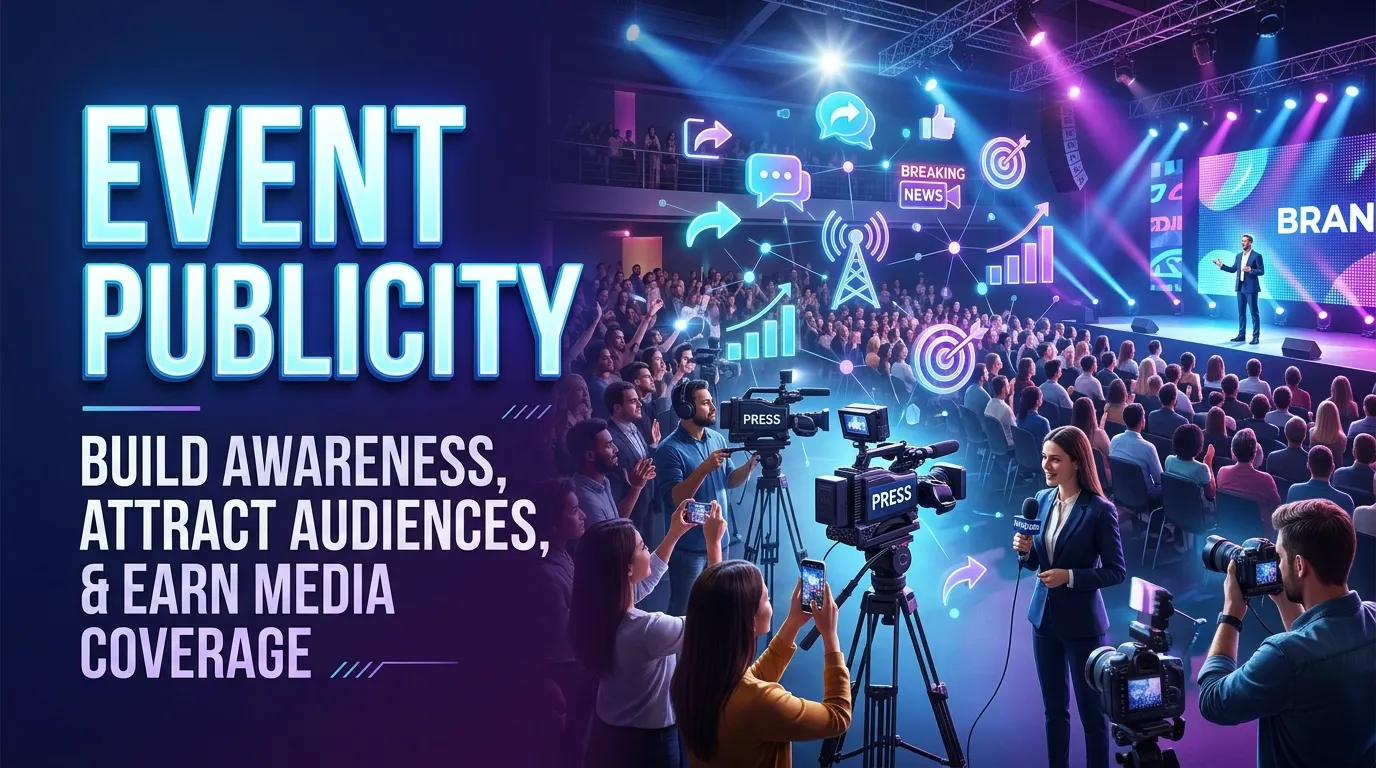
Event publicity helps organizers build awareness, attract attendees, and earn media coverage through press releases, public relations, media outreach, influencer partnerships, and relevant promotion channels. A well-planned campaign combines clear messaging, audience understanding, timely announcements, and performance measurement. By integrating publicity throughout the event lifecycle, organizers can strengthen credibility, increase visibility, and create more opportunities for meaningful audience engagement.
Successful events depend on more than careful planning and an attractive venue. Whether a business is organizing a conference, product launch, industry exhibition, community gathering, or entertainment event, people need to know about it before they can decide to attend. Event publicity helps create this awareness by communicating an event’s value, attracting media attention, and encouraging audiences to take an interest in what is happening.
Unlike promotion that relies entirely on paid advertisements, event publicity can include press coverage, editorial mentions, interviews, community announcements, influencer participation, and other forms of public communication. These activities help an event reach audiences through channels they already follow and trust.
Effective publicity also gives an event a recognizable identity. A compelling story, consistent messaging, and relevant media coverage can explain why the event matters and what attendees can expect. This becomes especially important when organizers compete with other events, limited audience attention, and changing interests.
However, publicity does not happen automatically. Organizers need to understand their target audience, identify suitable communication channels, prepare useful information, and build relationships with media professionals and relevant communities. Every publicity activity should contribute to a consistent message about the event.
A well-planned event publicity strategy connects awareness with audience engagement. By combining public relations, media outreach, promotional content, and timely communication, organizers can improve visibility, strengthen credibility, and create more opportunities to attract attendees.
Understanding Event Publicity and Its Importance
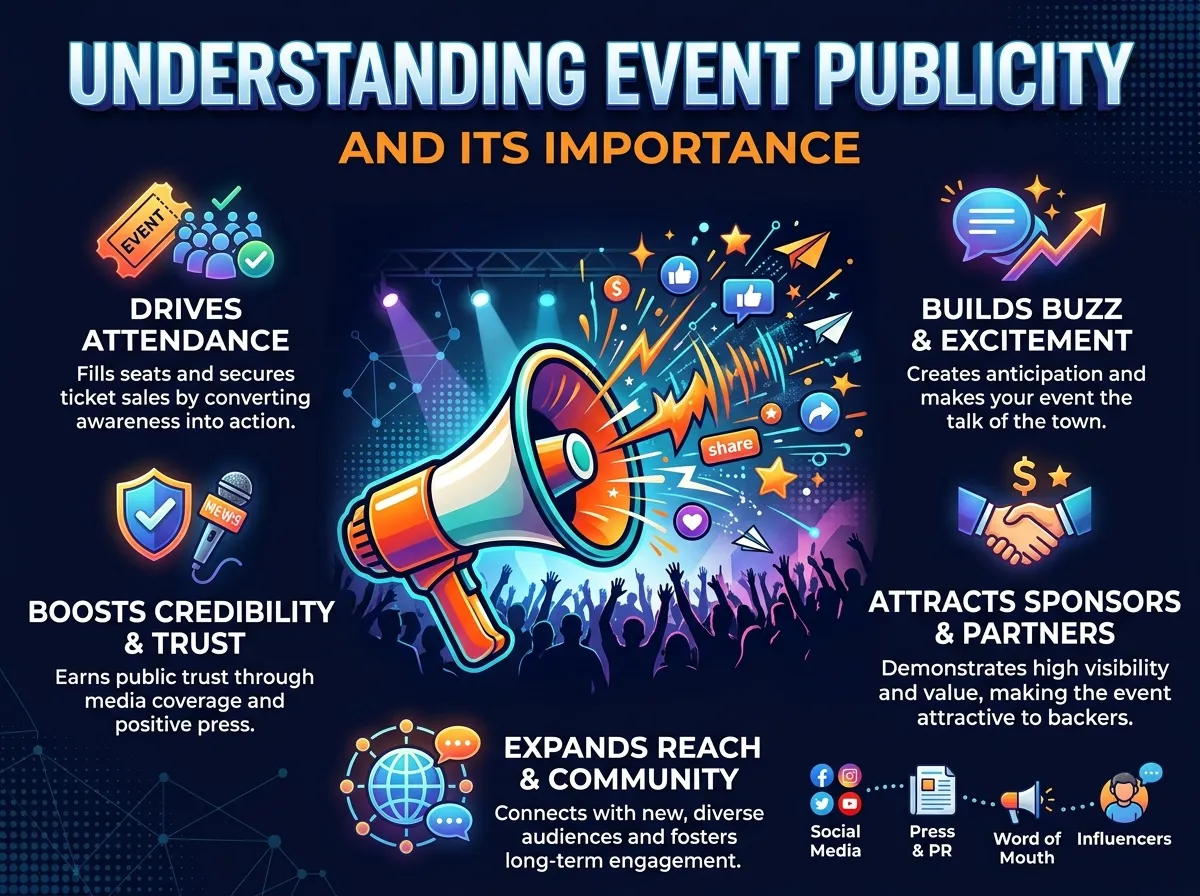
Event publicity refers to the activities used to generate public attention and communicate information about an upcoming or ongoing event. It can involve news coverage, interviews, press releases, media partnerships, online publications, community announcements, and social media conversations.
The primary purpose is to make an event visible to people who may benefit from attending, participating, or learning about it. Publicity also helps explain the event’s purpose, highlight its most important features, and establish credibility before the event takes place.
For businesses, event publicity can support product launches, corporate conferences, networking sessions, and industry gatherings. For nonprofit organizations, it can increase awareness of fundraising activities, educational programs, and community initiatives. Entertainment organizers may use publicity to introduce performers, announce special appearances, and build anticipation.
The benefits extend beyond immediate attendance. Meaningful media coverage can strengthen brand recognition, introduce an organization to new audiences, and create content that remains useful after the event concludes.
Publicity is most effective when it communicates a genuine reason for people to care. An announcement that simply provides the event date and location may attract limited attention. A story that explains the event’s relevance, unique perspective, or potential impact gives journalists and audiences a stronger reason to engage.
By focusing on the event’s newsworthiness and audience value, organizers can make publicity a meaningful part of their overall marketing efforts.
Event Promotion Strategies That Build Awareness
Event promotion strategies help organizers communicate an event’s value through a combination of publicity, digital communication, partnerships, and audience engagement. The most appropriate approach depends on the event’s purpose, target audience, location, and available resources.
A strong promotional message begins with a clear explanation of what makes the event relevant. An industry conference might emphasize expert discussions and networking opportunities, while a community festival could highlight local participation, entertainment, and shared experiences. This central message should remain consistent across press materials, websites, social media, and partner communications.
Timing is another important consideration. Early publicity introduces the event and establishes its relevance, while later communication can highlight speakers, program announcements, registration milestones, or other developments that give audiences a reason to pay attention.
Organizers should also consider how different channels support one another. A media announcement may introduce the event, social media can extend its reach, and email communication can provide practical information to interested attendees. Each channel should reinforce the same core message without repeating identical content unnecessarily.
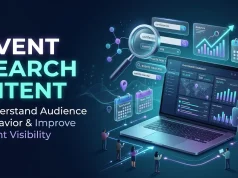
Audience behavior should influence promotional decisions. Understanding Event Search Intent helps organizers consider what potential attendees are looking for, which questions they need answered, and what information may influence their decision to participate.
The strongest event promotion strategies combine clear messaging with relevant distribution. Rather than pursuing visibility everywhere, organizers can prioritize the channels and relationships most likely to reach the people who matter.
Event Publicity Campaigns and Strategic Planning
An event publicity campaign brings together related communication activities under a shared objective. Instead of treating every announcement as an independent task, organizers develop a coordinated approach that builds awareness over time.
The campaign begins with the event’s purpose and intended audience. Organizers need to understand what they want publicity to achieve, whether that means increasing registrations, attracting journalists, building public recognition, encouraging sponsorship interest, or generating community participation.
Once the objective is established, the campaign can identify its main message and supporting stories. These might include the event’s significance, participating experts, new developments, community benefits, or the problems the event aims to address. Each story should offer a meaningful reason for media professionals and audiences to take notice.
A publicity campaign also needs a realistic schedule. Initial announcements can introduce the event, while later updates provide additional information and maintain interest. Media outreach should allow journalists enough time to review materials, request interviews, and make editorial decisions.
Coordination is particularly important when several teams or partners contribute to publicity. Organizers should agree on approved facts, event descriptions, spokesperson details, and procedures for responding to media inquiries. This reduces inconsistent messaging and helps the campaign appear professional.
Campaign performance should be reviewed throughout the process. Media responses, website visits, registration activity, referral traffic, and audience engagement can indicate whether publicity is reaching the intended audience. These insights allow organizers to refine their communication before the event takes place.
Event Public Relations and Reputation Building
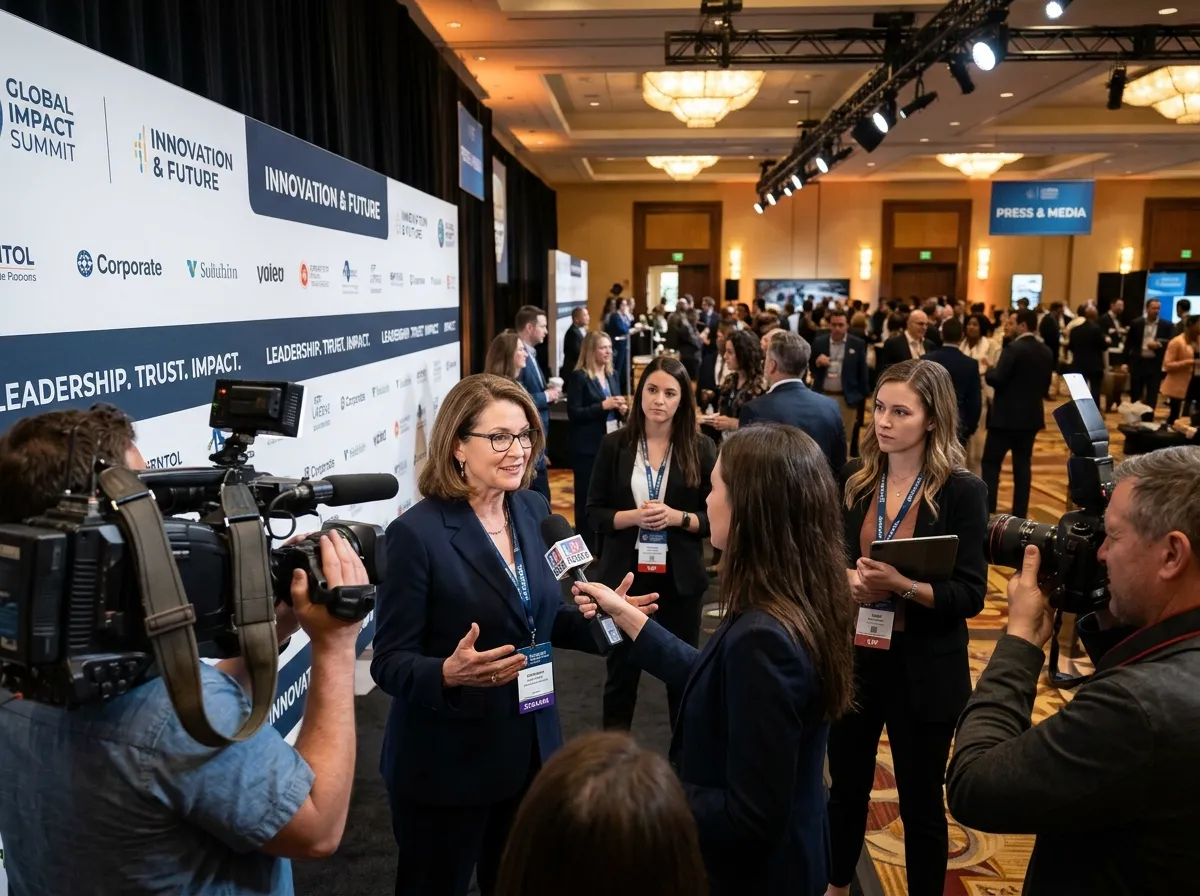
Event public relations focuses on developing relationships with audiences, media professionals, partners, and communities through credible and consistent communication. While event promotion often emphasizes immediate awareness, public relations also helps establish the event’s reputation and broader significance.
A positive public image begins with transparency. Organizers should provide accurate information about the event, its participants, its objectives, and any important conditions affecting attendance. Clear communication helps audiences make informed decisions and reduces confusion.
Relationships with journalists and publications are particularly valuable. Reporters are more likely to consider an event when its subject is relevant to their readers and the information provided is reliable. Organizers can support these relationships by offering useful background information, responding promptly to questions, and making appropriate interview opportunities available.
Public relations also involves managing unexpected situations. Changes to schedules, speaker cancellations, venue issues, or other disruptions may require prompt communication. A clear response process helps organizers provide accurate updates and avoid speculation.
Reputation building should continue after the event. Sharing meaningful outcomes, acknowledging participants, providing follow-up information, and responding professionally to feedback can reinforce the event’s credibility.
When public relations is integrated into the broader event strategy, publicity becomes more than a temporary announcement. It supports trust, strengthens relationships, and helps establish a positive foundation for future events.
Event Press Releases That Capture Media Attention
Event press releases provide journalists and publications with structured information about an event or a significant development associated with it. They are especially useful when organizers have a genuinely newsworthy announcement to share.
An effective press release starts with a clear headline that communicates the main development. The opening paragraph should explain the essential details, including what is happening, who is involved, when and where it will take place, and why the announcement matters.
The remaining content can provide context, explain the event’s significance, and include relevant quotations from organizers, speakers, or other authorized representatives. Quotations should contribute useful perspectives rather than simply repeat information already included in the announcement.
Practical details also matter. Journalists may need access to registration information, official event pages, contact details, photographs, or additional background materials. Providing these resources in an organized format makes the announcement easier to evaluate and use.
A press release should be factual and proportionate. Unsupported claims about attendance, industry importance, or expected impact can damage credibility. Organizers should distinguish confirmed information from projections and ensure that all dates, names, locations, and statements are accurate.
Distribution should reflect the subject of the announcement. A local community event may be relevant to regional publications, while a specialized conference may be better suited to industry media. Sending the same release indiscriminately to unrelated outlets is unlikely to produce strong results.
The goal is to give journalists a useful, accurate story to consider, not merely to advertise an event through a news-style document.
Event Media Coverage and Media Outreach
Event media coverage can expand an event’s visibility beyond the people who encounter its direct promotional materials. Coverage may include news articles, interviews, reviews, broadcast segments, event previews, photographs, and post-event reports.
Securing this coverage requires thoughtful media outreach. Organizers need to identify journalists, editors, broadcasters, and publications whose audiences are likely to care about the event’s subject. Relevance is generally more valuable than the size of a media contact list.
A strong outreach message explains why the event could interest a particular outlet. Instead of sending a generic announcement, organizers can highlight the most relevant news angle, identify suitable interview opportunities, and provide supporting information.
Relationships matter as well. Journalists work under deadlines and need accurate, accessible information. Prompt responses, clearly identified contacts, and organized media materials make it easier for them to evaluate a story.
For events involving notable speakers or specialized subjects, interview opportunities can be particularly useful. A spokesperson who can explain the event’s relevance or discuss a wider industry issue may offer more editorial value than a basic promotional statement.
Organizers should not assume that sending a press release guarantees publication. Editorial decisions remain with the media outlet, and coverage depends on relevance, timing, available resources, and competing news.
After the event, media outreach can continue through follow-up announcements, results, notable developments, or useful insights that emerged during the program. This helps extend publicity beyond the event date and creates opportunities for continued audience engagement.
Event Awareness Campaigns and Audience Engagement
Event awareness campaigns aim to introduce an event to relevant audiences and encourage them to learn more. Awareness is an important early step because people cannot evaluate an event if they do not know it exists.
A successful campaign explains the event’s value in terms that matter to the intended audience. Professional attendees may be interested in learning opportunities, industry connections, or practical insights. Community members may care more about accessibility, local participation, entertainment, or social impact.
Social media can support awareness by distributing announcements, introducing speakers, sharing short videos, and encouraging discussion. Email newsletters can reach existing subscribers, while partner organizations can introduce the event to communities with related interests.
Influencer partnerships may also help expand awareness when the creator’s audience is relevant to the event. Thoughtful collaboration with speakers, industry experts, or local personalities can introduce the event through voices that audiences already recognize. Effective Event Influencer Promotion can help organizers connect publicity with audience trust and engagement.
Interactive experiences provide another opportunity to attract attention. Demonstrations, previews, sample activities, or participatory installations can give people a tangible reason to learn more about an event. This approach connects publicity with Event Experiential Marketing, where memorable experiences help audiences develop stronger associations with a brand or event.
Awareness should ultimately lead to a useful next step. Clear registration information, an accessible event website, and straightforward answers to common questions help interested audiences move from discovery to participation.
Choosing the Right Event Promotion Channels
Event promotion channels determine where and how publicity reaches potential attendees. Choosing suitable channels requires an understanding of audience preferences, event objectives, and the resources available to maintain consistent communication.
Traditional media remains valuable for events with a strong local, public-interest, or industry-news angle. Newspapers, radio stations, television outlets, and relevant publications can introduce events to audiences who may not follow the organizer’s own communication channels.
Digital channels offer additional opportunities. Event websites provide a central source of accurate information, search engines help people discover relevant events, and social media supports ongoing conversation. Email enables direct communication with interested audiences, while partner websites and professional communities can introduce an event to more specialized groups.
The best combination depends on the event. A business conference may benefit from industry publications, professional networking platforms, speaker announcements, and targeted email communication. A public festival may require local media relationships, community partnerships, social media visibility, and accessible public information.
Channel selection should also consider the entire audience journey. People may first encounter an announcement in the news, search for further details online, and register after receiving an email. Coordinated messaging helps each channel support the same objective.
Organizers should evaluate results instead of assuming that the channel with the largest reach will perform best. Referral traffic, registration sources, audience engagement, and media inquiries can reveal where attention translates into meaningful interest.
A focused channel strategy makes event publicity easier to manage and helps direct resources toward activities that produce useful results.
Event Publicity Planning Before, During, and After the Event
Event publicity planning creates continuity across the event lifecycle. It helps organizers determine when to announce important information, how to maintain interest, and which developments deserve additional attention.
Before the event, publicity generally focuses on awareness, relevance, and participation. Initial announcements establish the event’s purpose, while later updates can introduce speakers, highlight program features, explain attendee benefits, or share other confirmed developments. Media outreach should begin early enough to accommodate editorial schedules.
During the event, publicity shifts toward timely reporting and audience engagement. Organizers may share photographs, interviews, key announcements, and highlights from the program. A designated spokesperson and a clear approval process help ensure that information is accurate and published efficiently.
After the event, communication can emphasize outcomes, notable discussions, participant achievements, and other verified results. Post-event coverage provides an opportunity to demonstrate the event’s value and maintain relationships with attendees, media contacts, and partners.
Planning also needs flexibility. Speakers may change, new developments may create stronger news opportunities, and audience responses may reveal unexpected interests. Organizers should be prepared to adjust their communication while preserving factual accuracy.
A well-structured publicity plan gives every stage a clear purpose. It reduces last-minute confusion, improves coordination, and helps an event maintain visibility beyond a single announcement.
Measuring Event Publicity Performance

Measuring publicity performance helps organizers understand whether their communication is reaching the intended audience and contributing to event objectives. Without evaluation, it can be difficult to distinguish meaningful results from activity that creates visibility without generating interest.
Media mentions, published articles, interviews, and broadcast coverage provide one view of publicity outcomes. Organizers can also assess the relevance of those placements, the audience they reach, and whether the coverage communicates the event’s main message accurately.
Digital measurements provide additional insight. Website visits, referral traffic, registration conversions, email engagement, and social media interactions can help explain how people respond to publicity. Tracking links and clearly recorded registration sources can improve understanding of which channels contribute to participation.
The appropriate metrics depend on the event’s goals. A public-awareness event may prioritize reach and public engagement, while a professional conference may focus more heavily on qualified registrations and industry coverage.
Organizers should also distinguish correlation from direct attribution. A person may register after encountering several announcements, conversations, and promotional messages. A single referral source may not fully represent everything that influenced the decision.
Post-event reviews should identify which stories attracted interest, which channels produced useful engagement, and where communication could improve. These findings can inform future publicity planning and help organizers build more effective relationships with audiences and media professionals.
Conclusion
Conclusion
Event publicity plays an important role in helping events reach relevant audiences, attract media attention, and establish credibility. Through coordinated promotion strategies, press releases, media outreach, public relations, and awareness campaigns, organizers can communicate why an event matters and give people clear reasons to participate. Exploring successful global co-branding campaigns can also help event organizers understand how strategic brand partnerships expand audience reach, strengthen visibility, and create additional promotional opportunities.
Effective publicity depends on understanding the audience, developing meaningful stories, selecting appropriate channels, and maintaining accurate communication throughout the event lifecycle. Measurement and post-event evaluation help organizers identify what worked and improve future campaigns.
Rather than treating publicity as a last-minute announcement, businesses and event organizers should integrate it into their overall planning process. A consistent and audience-focused approach can strengthen event visibility, support attendance goals, and build lasting relationships with the media, partners, and communities that contribute to an event’s success.
Frequently Asked Questions (FAQs)
1. What is event publicity?
Event publicity is the process of generating public attention for an event through media coverage, press releases, interviews, public relations, online publications, and other communication activities.
2. Why is event publicity important?
Event publicity helps potential attendees discover an event, understand its value, and decide whether to participate. It can also strengthen brand recognition, establish credibility, and extend an event’s reach beyond existing audiences.
3. What are the most effective event promotion strategies?
Effective strategies include targeted media outreach, relevant press releases, social media communication, email marketing, influencer partnerships, community engagement, and consistent updates about the event’s value.
4. How do press releases help promote events?
Press releases provide journalists with accurate, organized information about an event or an important announcement. When the story is relevant to an outlet’s audience, it may lead to news coverage, interviews, or event listings.
5. What is the difference between event publicity and event advertising?
Event publicity typically focuses on earned media attention, editorial coverage, and public communication. Event advertising involves paid placements designed to reach specific audiences. Both can support the same event marketing objectives.
6. How can organizers get media coverage for an event?
Organizers can identify relevant journalists, develop a newsworthy story, prepare accurate press materials, offer suitable interview opportunities, and respond promptly to media inquiries.
7. Which channels are best for event publicity?
The best channels depend on the event and its audience. Options include local and industry media, event websites, search engines, social media, email newsletters, partner organizations, and relevant professional communities.
8. When should event publicity begin?
Publicity should begin early enough to build awareness and give media outlets time to evaluate the story. The schedule depends on the event’s size, audience, news value, and registration timeline.
9. How can businesses measure event publicity success?
Businesses can measure media mentions, coverage quality, website traffic, referral visits, registration sources, audience engagement, and conversions. The most relevant metrics depend on the event’s objectives.
10. What should organizers do after an event ends?
Organizers should share verified outcomes, publish relevant highlights, follow up with media contacts and attendees, review publicity performance, and use the findings to improve future events.