
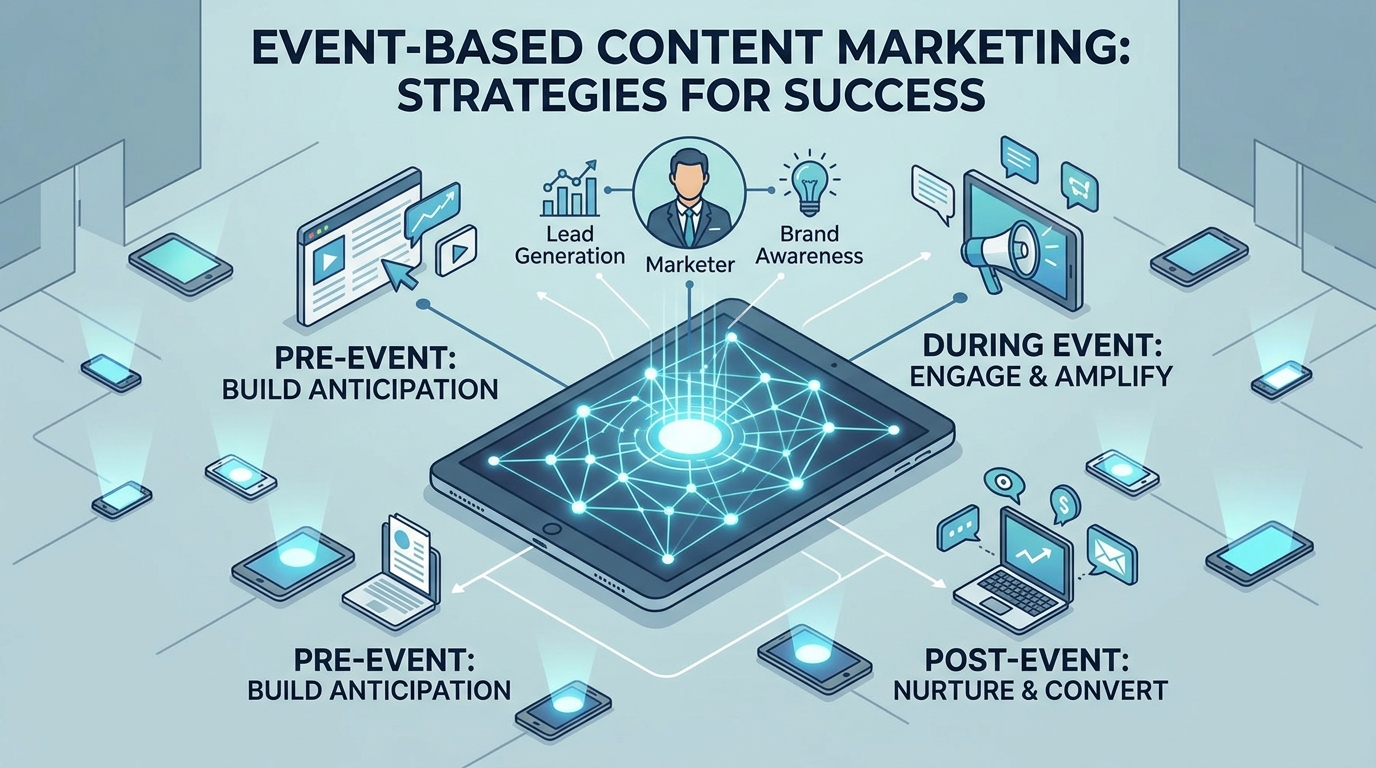
Event-based content marketing uses valuable and engaging content to promote an event, connect with audiences, increase participation, and extend the event’s impact. By combining pre-event promotion, live engagement, and post-event content, businesses can turn one event into a long-term source of marketing value.
Event-based content marketing is a powerful way for businesses and event organizers to attract audiences, build interest, encourage registrations, and maintain engagement before, during, and after an event. Instead of treating content as a separate marketing activity, this approach connects content directly to the event experience and the interests of its audience.
Whether you are promoting a conference, trade show, webinar, networking event, product launch, or virtual experience, useful content can help people understand why the event matters and give them reasons to participate. Content can also extend the value of an event long after it ends by turning presentations, discussions, interviews, and audience questions into valuable marketing assets.
A successful approach requires more than publishing promotional posts. Businesses need a clear strategy that considers the audience, event goals, content formats, distribution channels, and different stages of the event journey. With the right approach, event content can support awareness, registrations, engagement, lead generation, and long-term brand visibility.
What Is Event-Based Content Marketing?
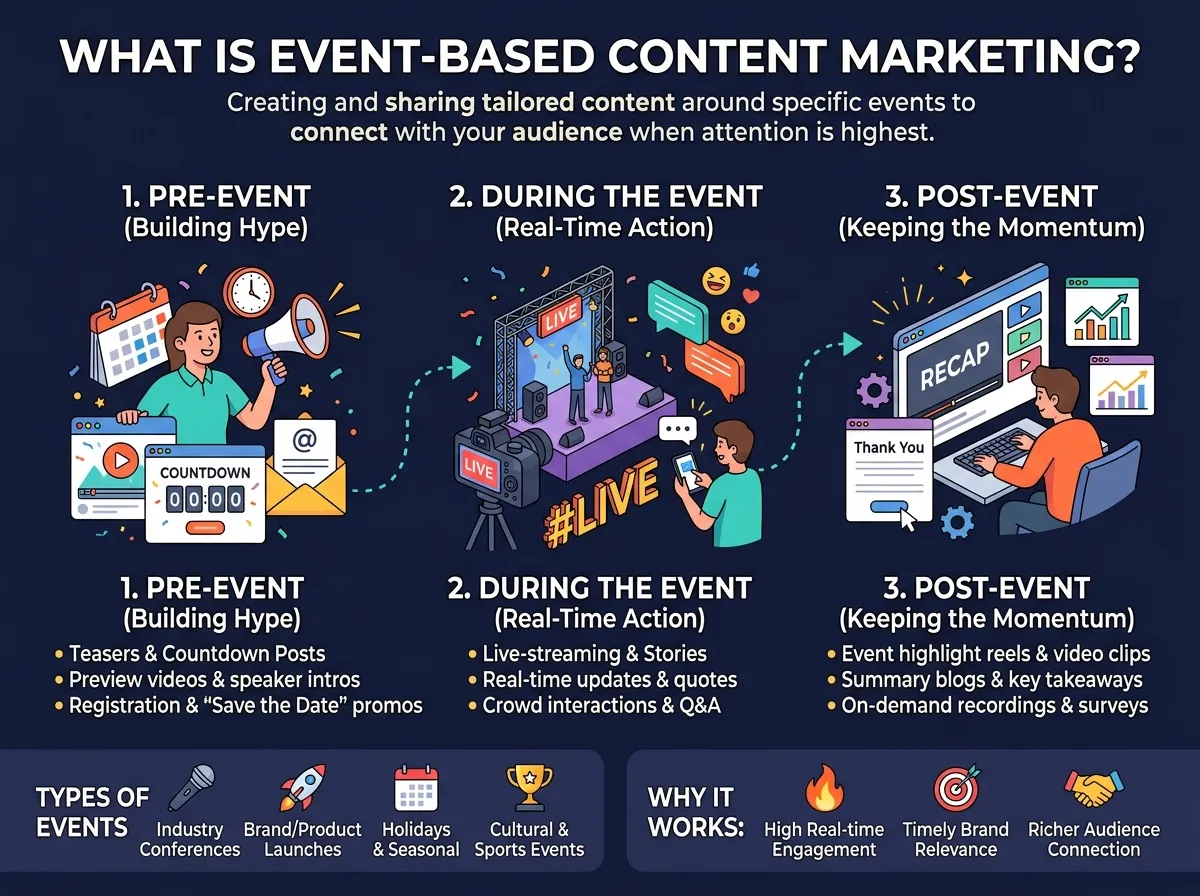
Event-based content marketing is the process of creating and distributing content around an event to attract, inform, engage, and retain an audience. The content can be developed before the event to build anticipation, during the event to encourage participation, and after the event to continue conversations and share valuable insights.
This approach can include blog posts, social media content, videos, speaker interviews, email campaigns, event guides, educational resources, customer stories, presentations, polls, and recap articles.
The central idea is to make the event itself a source of useful content. Instead of relying only on advertisements that ask people to register, organizers can provide information that demonstrates the value of attending.
For example, a technology conference could publish interviews with speakers, discuss upcoming industry trends, highlight key sessions, and share practical tips related to the conference theme. These materials can attract people who are interested in the topic even before they decide whether to attend.
Why Event-Based Content Marketing Matters
Events provide businesses with many opportunities to create meaningful conversations with their audiences. People attend events because they want to learn, network, discover solutions, hear expert opinions, or experience something valuable.
Content can communicate that value before the event begins. It can answer common questions, introduce speakers, explain sessions, and demonstrate what attendees can expect.
A well-planned content strategy can also help an event reach people beyond its existing audience. Search-optimized articles and social media content can attract people who are researching topics related to the event.
During the event, content can encourage participation. Live updates, speaker quotes, short videos, audience polls, and behind-the-scenes content can make attendees feel involved while giving remote audiences a way to follow the experience.
After the event, content can extend the event’s lifespan. Recap articles, recordings, key takeaways, interviews, and educational resources can continue attracting traffic and engagement.
Building an Event Content Marketing Strategy
An effective event content marketing strategy begins with clear goals. Event organizers should determine what they want content to accomplish. Goals may include increasing awareness, generating registrations, attracting sponsors, improving audience engagement, generating leads, or strengthening brand authority.
The target audience should also be clearly defined. Different audience groups may have different reasons for attending. A business owner may be interested in networking and growth opportunities, while a marketing professional may be more interested in educational sessions and industry trends.
Once the audience is understood, content topics can be selected around their needs and interests. The event itself should provide the central theme, but content should offer value beyond simply promoting registration.
A content calendar can help organize publication schedules. Content can be divided into pre-event, during-event, and post-event activities so that the audience receives relevant information throughout the event lifecycle.
Event Marketing Content Ideas for Before the Event
The period before an event is an important opportunity to build awareness and generate anticipation. Promotional content should not simply repeat the date, time, and registration link. Instead, it should explain why the event deserves the audience’s attention.
Speaker introductions are useful because they allow potential attendees to understand who will be presenting and what they can learn. Short interviews with speakers can create additional content while giving audiences a preview of upcoming sessions.
Organizers can also publish articles related to the event’s main theme. For example, a business conference about digital transformation could publish content about emerging technologies, common implementation challenges, and practical strategies.
Other event marketing content ideas include attendee preparation guides, session previews, frequently asked questions, event checklists, behind-the-scenes updates, sponsor spotlights, and short videos introducing the event experience.
Email content can also help move interested audiences toward registration. Rather than sending repeated promotional messages, organizers can use educational emails to provide useful information while naturally connecting it to the event.
Content Marketing for Events
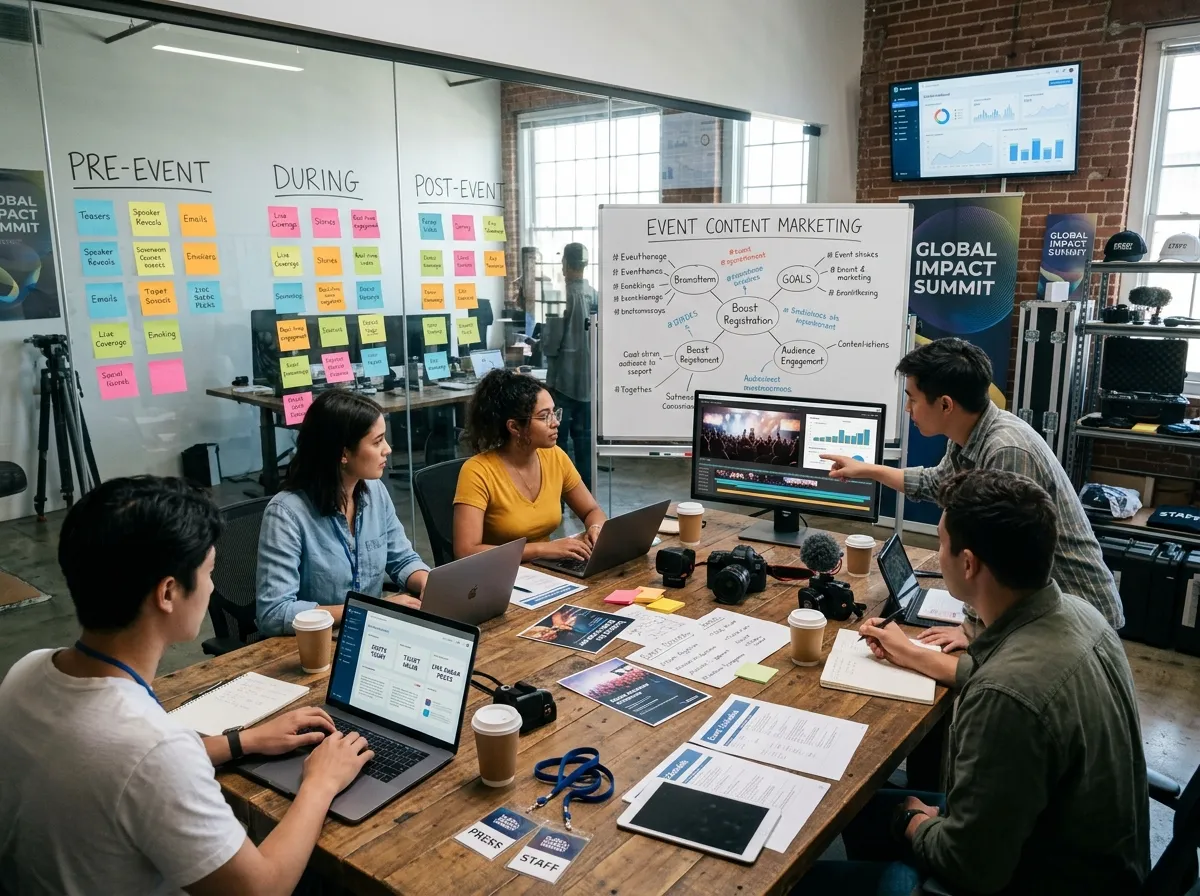
Content marketing for events should focus on the audience’s interests instead of relying entirely on promotional messaging. People are more likely to engage with content when it helps them solve a problem, understand a topic, or prepare for an experience.
Educational blog posts can establish the event as a useful resource before attendees arrive. Videos can provide a more personal introduction to speakers and event organizers. Social media posts can encourage conversations around the topics that will be discussed.
Another effective approach is to involve speakers, sponsors, partners, and attendees in content creation. Their perspectives can provide different viewpoints and expand the event’s reach.
For example, speakers can contribute short insights about their sessions, while sponsors can share practical information related to the event’s theme. Attendees can also be encouraged to submit questions before the event, creating opportunities for additional content.
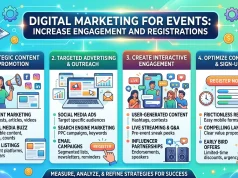
Organizers looking for broader promotional ideas can also explore Digital Marketing for Events, which covers digital approaches that can support event promotion.
Creating an Event-Driven Content Strategy
An event-driven content strategy connects content directly to important event milestones. Instead of publishing content randomly, organizers can build a sequence that follows the audience journey.
Before the event, the focus may be awareness and registration. During the event, the focus can shift toward participation, interaction, and real-time updates. After the event, content can focus on education, follow-up, and continued engagement.
This structure creates consistency across different marketing channels. A speaker announcement on social media can lead to a blog interview, which can then be included in an email newsletter. A popular session during the event can later become a detailed article or video.
The strategy should also account for different audience segments. Registered attendees may need practical information about schedules and sessions, while potential attendees may need more educational content explaining why the event is valuable.
Event Promotion Content That Builds Interest
Event promotion content works best when it communicates a clear benefit. Instead of focusing only on event details, marketers should explain what attendees can gain from participating.
A conference might promote opportunities to learn from industry experts, discover new strategies, or meet other professionals. A product launch might highlight demonstrations and opportunities to experience the product. A webinar might focus on the practical knowledge attendees will gain.
Social media can be particularly useful for short-form promotional content. Short videos, speaker clips, event countdowns, statistics, questions, and audience polls can maintain interest as the event approaches.
Influencers and industry experts can also contribute to event promotion. Their content can introduce the event to relevant audiences and encourage conversations around the event theme. For more information, see Influencer Marketing for Events.
Event Engagement Marketing During the Event
Event engagement marketing focuses on encouraging active participation rather than passive attendance. The goal is to create opportunities for audiences to interact with speakers, organizers, exhibitors, and one another.
Live polls and questions can encourage participation during presentations. Social media discussions can allow attendees to share insights and opinions. Short videos and photos can also provide people with a sense of what is happening at the event.
Gamification can be another option. Quizzes, challenges, contests, and interactive activities can make the experience more engaging when they are relevant to the audience and event theme.
For virtual events, engagement can include live chat, Q&A sessions, breakout discussions, polls, interactive presentations, and networking activities. Businesses organizing digital experiences can also explore Webinars and Virtual Events for additional engagement ideas.
Event Content Creation
Event content creation should be planned before the event begins. Waiting until the event is underway can make it difficult to capture all the important moments and information.
Organizers can prepare a list of content opportunities in advance. These may include speaker interviews, attendee testimonials, session highlights, behind-the-scenes footage, photographs, short educational videos, and social media updates.
A dedicated content team can capture material throughout the event while keeping the event’s broader messaging in mind.
Content does not always need to be highly polished. Short videos, real-time observations, audience reactions, and quick speaker insights can feel authentic and encourage immediate engagement.
At the same time, important content such as keynote presentations or educational sessions can be professionally recorded and repurposed later into longer-form resources.
Using Event Marketing Campaigns Across Channels
Effective event marketing campaigns often combine several channels rather than relying on a single platform. The same core idea can be adapted for social media, email, search, video, websites, and other channels.
For example, a speaker interview could become a blog article, a short video, a social media post, and part of an email campaign. This approach allows organizers to gain more value from each piece of content.
Search engine optimization can also support long-term visibility. Articles focused on relevant event topics can attract organic traffic before and after the event.
Paid advertising can supplement organic promotion when organizers need to reach a specific audience quickly. Social media advertising and search campaigns can promote registration pages, educational resources, or important event sessions.
Tracking campaign performance is important as well. Organizers can measure registrations, traffic, engagement, conversions, and other relevant metrics to understand how content contributes to event goals. A dedicated resource on Event Marketing KPIs can help marketers understand which measurements to monitor.
Post-Event Content Marketing
The event should not be considered finished when the final session ends. Post-event content marketing allows organizers to continue engaging attendees and reach people who could not participate.
A detailed event recap can summarize important sessions, discussions, announcements, and insights. Video recordings can give audiences access to presentations they missed or allow attendees to revisit useful information.
Speaker interviews and expert summaries can also become standalone articles. Questions submitted during the event can be turned into FAQ content or educational resources.
Social media posts can highlight key takeaways and encourage attendees to continue the conversation. Email campaigns can share recordings, resources, presentations, and follow-up opportunities.
Post-event content can also support future events. Insights from one event can become promotional material for the next event, helping organizers demonstrate the value of attending.
Event Audience Engagement Content
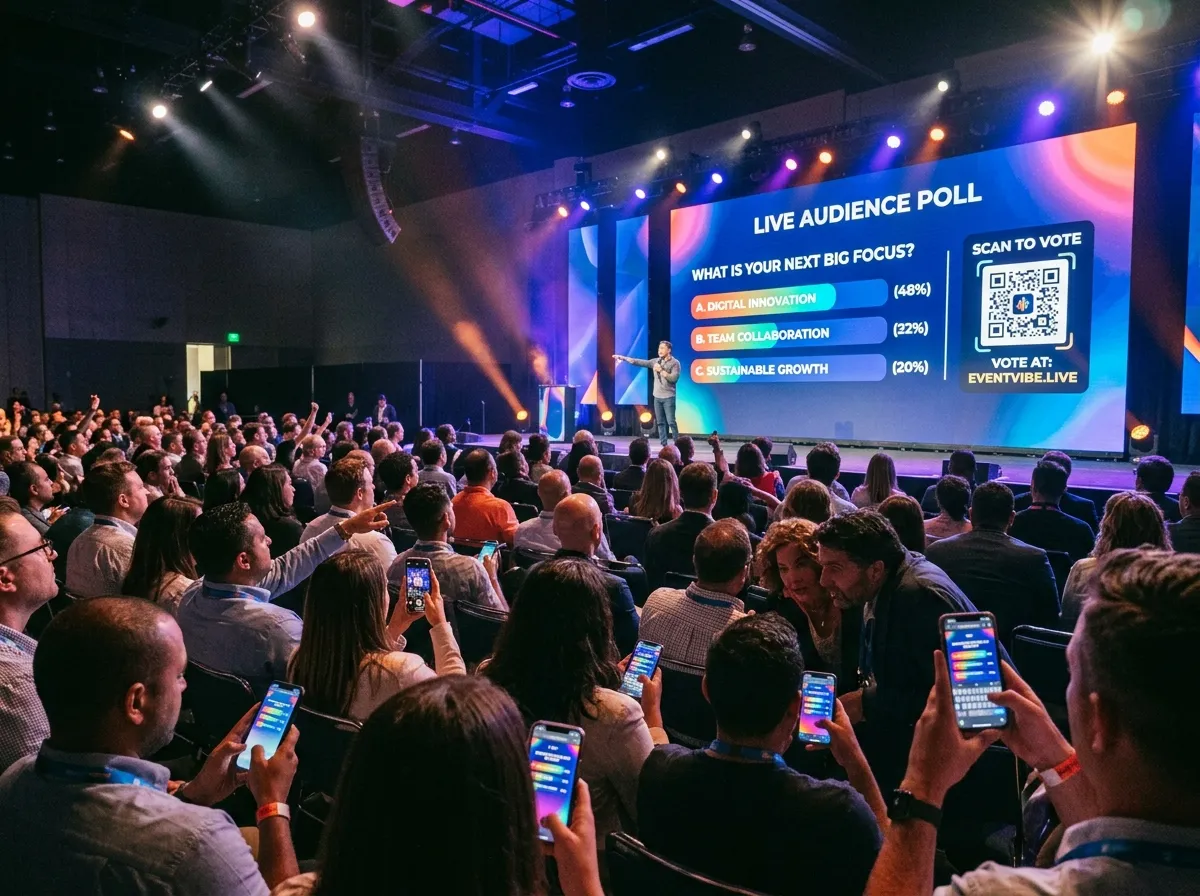
Event audience engagement content should encourage people to participate rather than simply consume information. Interactive content can make audiences feel like active contributors to the event.
Before the event, organizers can ask questions about audience expectations or invite people to submit questions for speakers. During the event, polls and live Q&A sessions can encourage participation.
After the event, organizers can ask attendees about their favorite sessions, most useful takeaways, or topics they would like to explore in the future.
User-generated content can also add authenticity. Attendees may share photographs, quotes, videos, and experiences on social media. Organizers can encourage this behavior through event hashtags, social prompts, and interactive activities.
When audiences contribute to the content surrounding an event, the event can become a larger conversation rather than a single scheduled experience.
Repurposing Event Content for Long-Term Value
One of the biggest benefits of event-based content marketing is the ability to repurpose content. A single event can produce enough material for weeks or months of marketing activity.
A keynote presentation can become a blog article. A panel discussion can become several short videos. Speaker interviews can become social posts. Audience questions can become FAQs. Presentation slides can become downloadable resources.
This approach reduces the pressure to create completely new content for every marketing channel.
Repurposing also allows businesses to reach different audiences. Some people prefer reading detailed articles, while others prefer short videos, podcasts, emails, or social media posts.
The key is to adapt the content instead of simply copying the same material across every channel. Each format should be optimized for the platform and audience consuming it.
Measuring the Success of Event Content
Content performance should be connected to event objectives. If the main goal is registration, organizers can track website visits, registration conversions, email clicks, and campaign-generated registrations.
If engagement is the priority, metrics such as comments, shares, poll participation, video views, session interactions, and event hashtag activity may be useful.
After the event, organizers can evaluate content downloads, recording views, website traffic, email engagement, and continued social conversations.
It is also useful to compare content performance across the different stages of the event. This can reveal which topics and formats generated the most interest and help improve future campaigns.
The most useful measurement approach depends on the event’s goals. There is no single metric that can fully describe content performance.
Common Mistakes in Event-Based Content Marketing
One common mistake is making every piece of content promotional. Audiences may lose interest when every post simply asks them to register or buy something. Educational and entertaining content can create more meaningful engagement.
Another issue is starting content creation too late. Planning content before the event makes it easier to coordinate speakers, gather assets, and maintain a consistent publishing schedule.
Some organizers also create content without considering the audience. A large amount of content is not necessarily useful if it does not address audience interests.
Failing to repurpose content is another missed opportunity. Events often produce valuable information that can continue generating traffic and engagement long after the event ends.
Finally, organizers should avoid measuring only surface-level engagement. Likes and views can provide useful signals, but registration, lead generation, audience participation, and other event-specific outcomes may provide deeper insights.
Conclusion
Event-based content marketing helps businesses turn events into ongoing opportunities for communication, engagement, and brand growth. By creating useful content before, during, and after an event, organizers can attract audiences, encourage participation, and extend the value of the event beyond its scheduled dates.
A strong strategy combines educational content, promotional messaging, speaker insights, interactive experiences, social media activity, and post-event resources. When these activities are connected through a clear content plan, an event can become a continuous source of valuable marketing material.
The most effective approach is to focus on audience needs throughout the entire event journey. When content provides genuine value and encourages meaningful participation, it can support stronger relationships and create lasting value from every event.
Frequently Asked Questions
1. What is event-based content marketing?
Event-based content marketing is the creation and distribution of content around an event to attract, inform, engage, and retain an audience before, during, and after the event.
2. Why is content marketing important for events?
Content marketing helps communicate an event’s value, attract potential attendees, encourage registrations, increase engagement, and keep conversations going after the event has ended.
3. What types of content work well for events?
Blog posts, speaker interviews, videos, social media posts, event guides, email campaigns, polls, presentations, attendee stories, event recaps, and educational resources can all support event marketing.
4. When should event content be created?
Content should ideally be planned before the event. Creating a content calendar for the pre-event, during-event, and post-event stages helps maintain consistent communication.
5. How can I promote an event through content?
Businesses can promote events through educational blog posts, speaker interviews, social media videos, email campaigns, session previews, attendee guides, influencer collaborations, and other relevant content.
6. How can content increase event engagement?
Interactive content such as polls, Q&A sessions, quizzes, audience questions, live social media discussions, and user-generated content can encourage audiences to actively participate.
7. What is post-event content marketing?
Post-event content marketing involves repurposing and distributing event material after the event. Examples include recap articles, session recordings, speaker interviews, key takeaways, and follow-up emails.
8. Can event content improve SEO?
Yes. Event-related articles, speaker interviews, educational resources, and event recaps can target relevant search topics and potentially attract organic traffic before and after an event.
9. How can event content be repurposed?
Presentations can become articles, panel discussions can become videos, audience questions can become FAQs, speaker interviews can become social posts, and event recordings can become educational resources.
10. How do you measure event content marketing success?
Success can be measured using metrics such as registrations, website traffic, engagement, content downloads, email interactions, audience participation, leads, conversions, and post-event content consumption. The appropriate metrics depend on the event’s objectives.





[…] can also strengthen their campaigns through Event-Based Content Marketing, particularly when content is used to build interest before and maintain engagement after the […]