Event relationship marketing helps businesses build lasting connections with attendees through personalized communication, meaningful engagement, networking, and post-event follow-up. A relationship-focused approach can improve attendee experiences, encourage loyalty, and support stronger long-term event relationships.
Events are no longer only about bringing people together for a single experience. They can also create lasting connections between organizations, attendees, speakers, sponsors, and communities. When businesses focus on building meaningful relationships before, during, and after an event, they can create stronger engagement and encourage attendees to stay connected over time. This is where event relationship marketing becomes valuable.
Event relationship marketing focuses on understanding attendees, communicating with them consistently, creating relevant experiences, and maintaining connections beyond the event itself. Instead of treating an attendee as someone who simply registers and attends, this approach views the person as part of a longer customer relationship. Businesses can use personalized communication, useful content, networking opportunities, feedback, and follow-up experiences to strengthen that relationship.
What Is Event Relationship Marketing?
Event relationship marketing is the process of using event experiences and ongoing communication to develop meaningful relationships with attendees. It combines relationship marketing principles with event promotion, audience engagement, customer data, networking, and post-event communication.
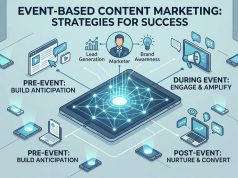
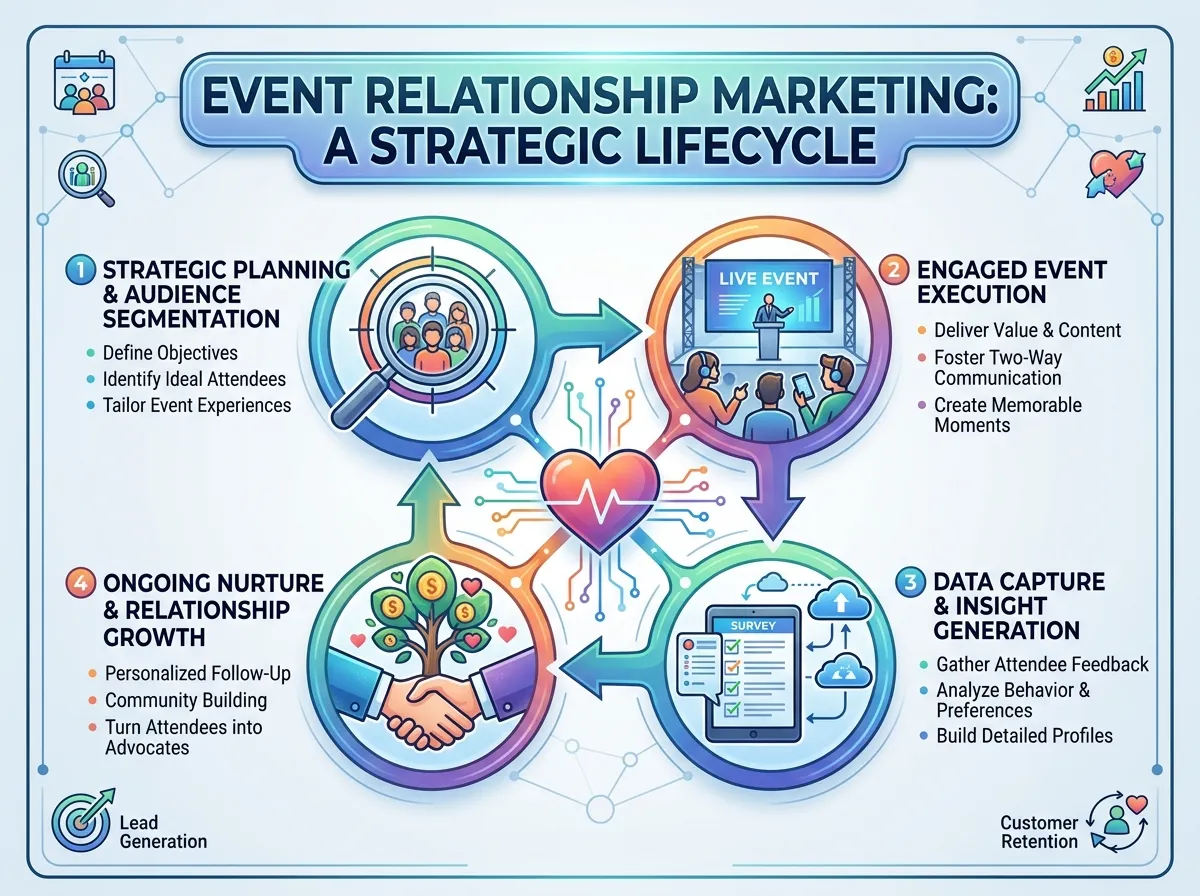
A successful event relationship marketing strategy starts well before the event. Organizations can learn about their target audience, understand their interests, and create communication that addresses their needs. During the event, the focus can shift toward participation, personal interaction, networking, and memorable experiences. After the event, continued communication helps maintain the connection.
This approach can be useful for conferences, trade shows, corporate events, webinars, networking events, product launches, and community experiences. The exact tactics may differ, but the underlying goal remains the same: create relationships that continue after the event ends.
Why Relationships Matter in Event Marketing
A single event interaction may create awareness, but a strong relationship can create repeated engagement. Attendees who feel understood and valued may be more interested in future events, relevant content, products, services, or communities.
Relationship marketing for events also changes how organizations think about success. Instead of focusing only on registrations or attendance numbers, marketers can consider engagement quality, attendee satisfaction, repeat participation, referrals, interactions, and long-term retention.
For businesses planning corporate events, relationship-building can work alongside broader event objectives. Marketers can explore Corporate Event Marketing Best Practices to understand how event experiences can support engagement and business outcomes while maintaining a strong focus on attendees.
Understanding Attendees Before the Event
Strong relationships usually begin with understanding the audience. Before an event, marketers can collect relevant information through registration forms, previous event interactions, surveys, email engagement, website behavior, and other appropriate sources.
This information can help organizations understand what attendees expect from the event. For example, some people may be interested in education, while others may value networking, product demonstrations, industry discussions, or access to experts.
This understanding supports event customer relationship management by helping teams organize attendee information and use it to improve communication. Rather than sending exactly the same message to everyone, marketers can create more relevant experiences for different audience groups.
Personalization does not always require complicated technology. Even simple segmentation based on professional interests, previous attendance, location, or engagement can make event communication more useful.
Building Relationships Before the Event
The period before an event provides an important opportunity to establish trust. Registration confirmation, helpful event information, personalized emails, speaker introductions, educational content, and networking opportunities can make attendees feel involved before they arrive.
Event audience relationship building becomes stronger when communication provides genuine value instead of focusing only on selling tickets or promoting the event. For example, organizers can share useful industry insights, introduce speakers, explain session topics, or provide opportunities for attendees to connect with one another.
Consistent communication can also reduce uncertainty. When attendees know what to expect and understand how they can participate, they may feel more comfortable engaging with the event.
The pre-event experience should therefore feel like the beginning of the event relationship rather than simply a promotional campaign.
Creating Meaningful Engagement During Events
Once attendees arrive, the experience becomes central to relationship building. People are more likely to remember an event when they have opportunities to participate rather than simply watch presentations.
An effective event engagement strategy can include interactive sessions, live questions, networking activities, polls, workshops, demonstrations, discussions, and personalized experiences. The best combination depends on the audience and event format.
Technology can also support engagement by making it easier to connect attendees with speakers, exhibitors, sponsors, and other participants. However, technology should support the human experience rather than replace it.
For organizations exploring how artificial intelligence can support event experiences, Benefits of AI in Event Marketing provides additional context on how AI can be used across different areas of event marketing.
Managing Attendee Relationships After the Event
The relationship should not end when the final session finishes. Post-event communication gives organizations an opportunity to continue the conversation and demonstrate that attendee participation was valued.
Event attendee relationship management can involve thank-you messages, feedback surveys, session recordings, educational resources, event photos, personalized recommendations, and invitations to relevant future events.
Follow-up should be timely and relevant. Sending the same generic message to every participant may miss opportunities to build stronger connections. Instead, marketers can consider what individual attendees interacted with during the event and use that information to create more meaningful follow-up.
For example, someone who attended several sessions about a particular business topic may receive related resources. Someone who participated heavily in networking activities may be invited to a professional community or another networking experience.
Using Customer Engagement to Strengthen Event Relationships
Customer engagement for events extends beyond event activities themselves. It includes every meaningful interaction between an attendee and the organization.
Email can be used to share relevant information, while social media can encourage conversations and community participation. Websites can provide resources and event updates, while personalized follow-ups can continue conversations started during the event.
Engagement should have a purpose. Constantly sending promotional messages can weaken a relationship, while useful and relevant communication can encourage people to remain connected.
The strongest event relationships often develop when organizations listen as much as they communicate. Feedback, questions, comments, and attendee behavior can reveal what people value and where the event experience can improve.
Encouraging Loyalty Through Events
Events can become an important part of a broader customer retention strategy. When attendees consistently receive valuable experiences, they may become more interested in returning.
Event loyalty marketing focuses on encouraging repeat engagement by creating reasons for attendees to stay connected. Loyalty can be supported through returning-attendee benefits, exclusive content, community access, personalized invitations, early registration opportunities, or recognition of long-term participation.
The goal is not simply to persuade someone to attend another event. It is to create a relationship in which future participation feels useful and relevant.
Organizations can also connect event participation with their broader marketing ecosystem. A successful event may lead attendees toward educational content, professional communities, newsletters, product information, or other experiences that match their interests.
Creating a Strong Event Networking Strategy
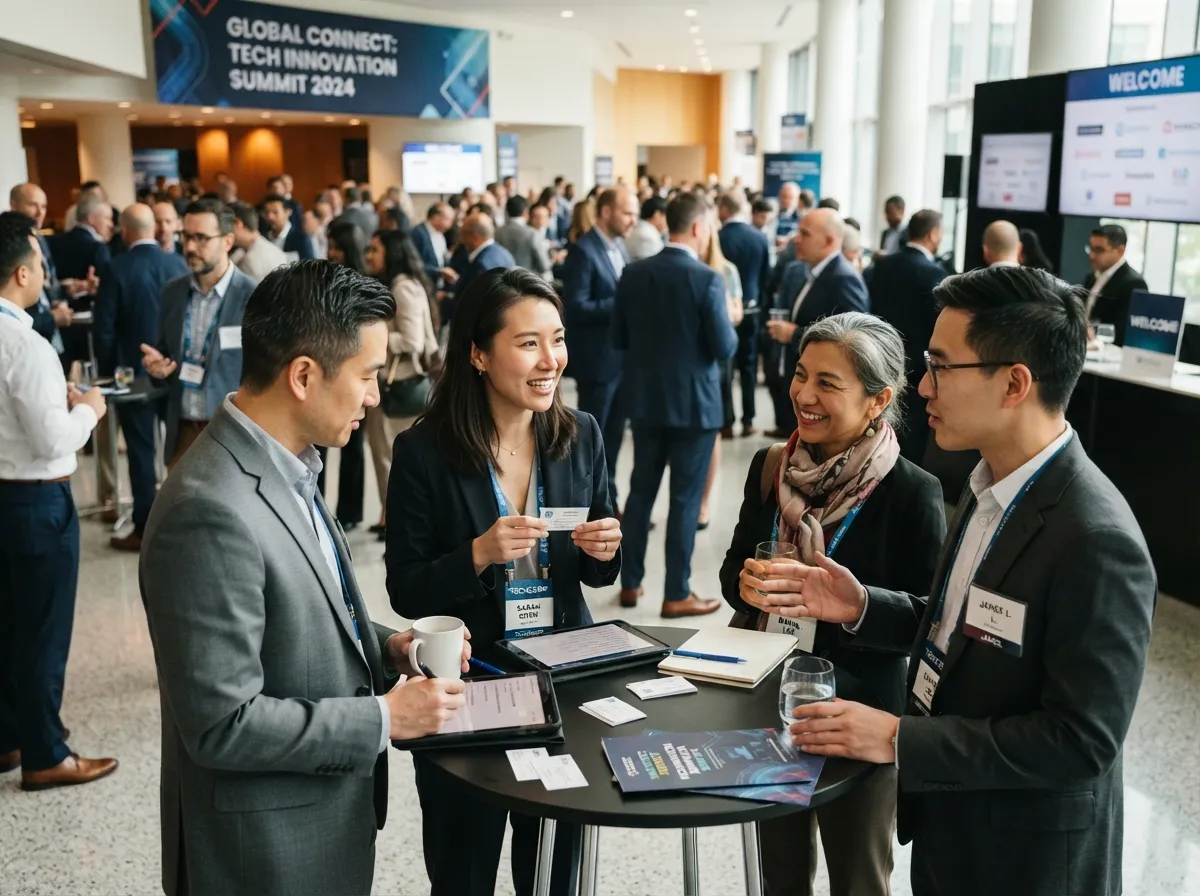
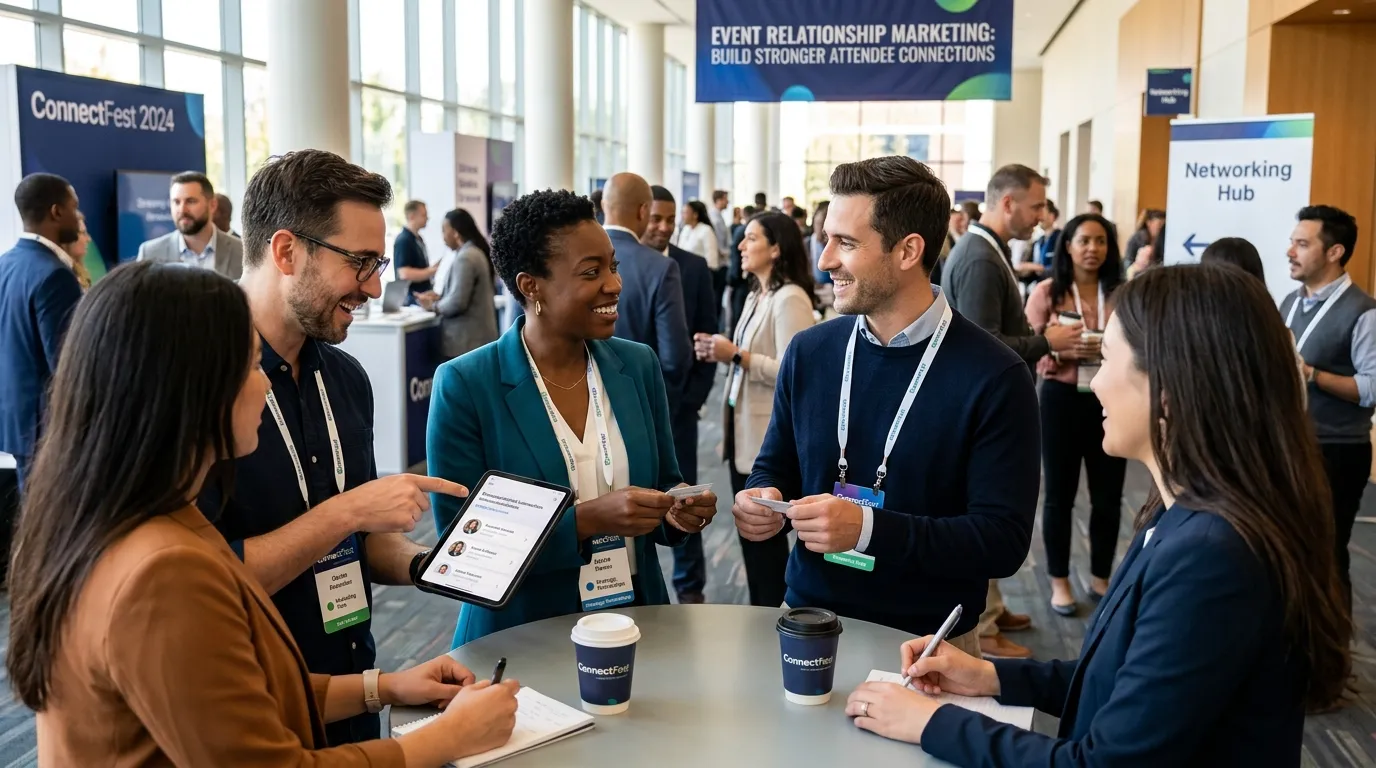
Networking is one of the most relationship-focused aspects of many events. Attendees often participate because they want to meet professionals, potential partners, customers, speakers, or peers.
A thoughtful event networking strategy can make these interactions easier and more valuable. Organizers can provide networking sessions, matchmaking opportunities, discussion groups, community spaces, or digital networking features.
Networking works best when attendees have a clear reason to interact. Instead of simply providing a room and expecting people to connect, organizers can create structured opportunities based on shared interests or professional goals.
The relationships created through networking can continue long after the event. Follow-up communities, online groups, email communication, and future events can provide opportunities for those connections to develop.
Connecting Event Marketing With Business Goals
Relationship marketing should support the broader purpose of the organization. Before creating an event experience, marketers can identify what the organization wants to achieve and how attendee relationships contribute to those objectives.
An Event Marketing Business Plan can help organizations connect event activities with broader business considerations such as target audiences, marketing objectives, resources, promotion, and expected outcomes.
When relationship-building is included in event planning, teams can establish meaningful measures beyond registrations. They might monitor repeat attendance, engagement rates, community participation, feedback, qualified interactions, referrals, and post-event conversions.
These measurements can help marketers understand whether their event relationships are becoming stronger over time.
Using Data Without Losing the Human Element
Data can make event relationship marketing more effective, but relationships should remain at the center of the process. Attendee data can help organizations understand preferences and engagement patterns, but it should be used responsibly and transparently.
Customer relationship platforms and event management systems can help teams organize attendee information, track interactions, and coordinate communication. When this information is connected properly, marketers can create a more consistent experience across different stages of the event journey.
Automation can also help with reminders, confirmations, follow-ups, and content delivery. However, automated communication should still feel relevant and human. Personalized messages, thoughtful follow-up, and genuine responses can make a significant difference.
Developing Long-Term Event Customer Relationships
The real value of relationship marketing appears when organizations think beyond individual events. Long-term event customer relationships are developed through repeated positive interactions, consistent value, trust, and communication.
A person who attends one event may later become a repeat attendee, community member, customer, advocate, partner, or referral source. These outcomes do not happen automatically. They develop through continued attention to the relationship.
Organizations can maintain these connections by providing useful content throughout the year, inviting attendees to relevant events, encouraging community discussions, and asking for feedback. The relationship should remain useful even when there is no immediate event to promote.
This long-term approach can also make future event marketing more effective because previous attendees already understand the organization and its event experience.
The Role of Community in Event Relationship Marketing
Community can give event relationships a longer lifespan. Instead of viewing an event as an isolated experience, organizations can create spaces where attendees continue interacting with one another.
Online communities, social groups, email newsletters, member platforms, and recurring networking sessions can keep conversations active between events. Community members can share ideas, ask questions, discuss industry developments, and build professional relationships.
This approach turns the event from a single point of interaction into part of a larger relationship ecosystem. When attendees feel that they belong to a valuable community, they may have more reasons to remain connected with the organization.
Measuring Event Relationship Marketing Success
Measuring relationship marketing requires more than counting registrations. Organizations should look at indicators that show whether people are engaging meaningfully and returning over time.
Useful measurements can include repeat attendance, attendee satisfaction, engagement levels, networking participation, email interaction, community activity, referrals, feedback quality, and post-event conversions.
It is also useful to compare results across multiple events. A single event may have unusual circumstances, while several events can reveal broader relationship trends.
Qualitative feedback is equally important. Attendee comments can explain why people enjoyed an event, what they found valuable, and what could be improved. Combining behavioral data with direct feedback can provide a more complete understanding of relationship quality.
Creating More Valuable Event Experiences
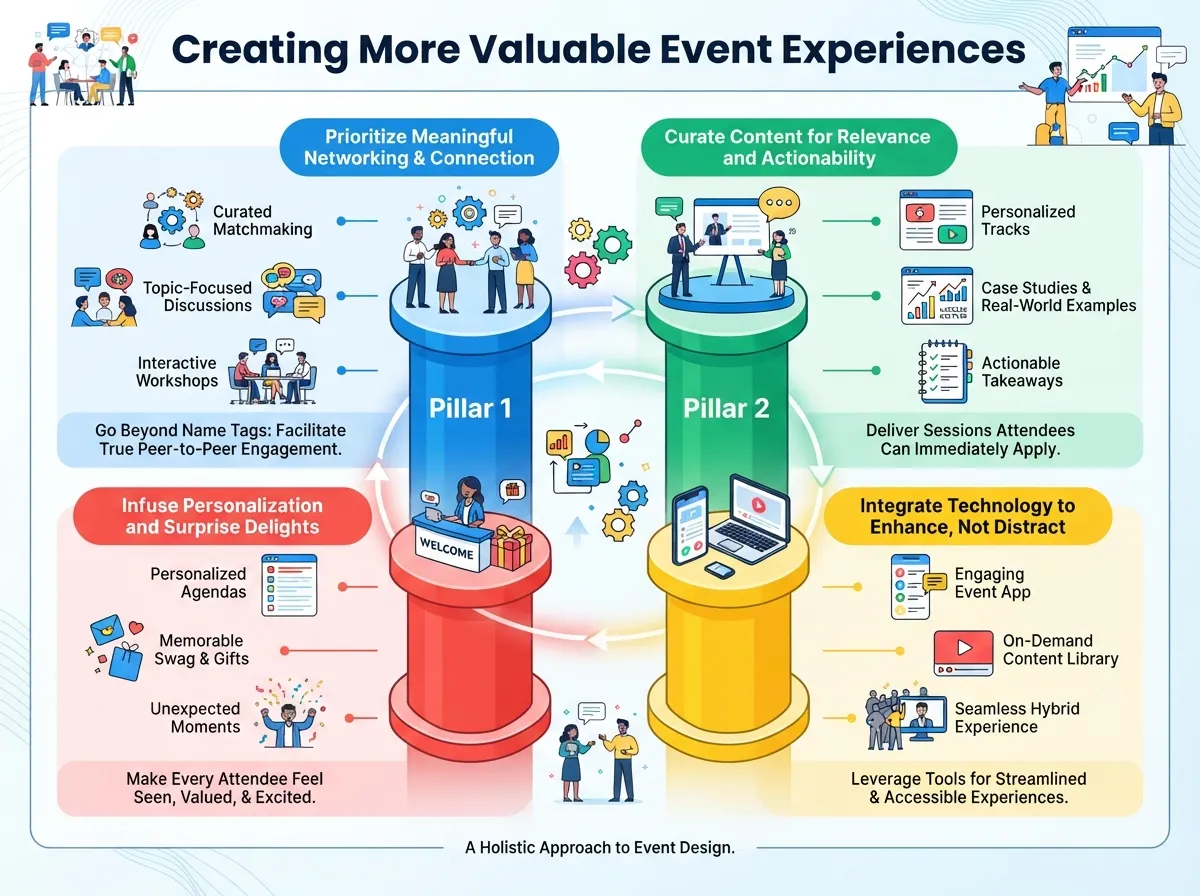
Effective event relationship marketing ultimately depends on the quality of the experience. Technology, automation, analytics, and promotion can support the process, but they cannot replace relevance and genuine interaction.
Every stage of the attendee journey can contribute to the relationship. A helpful registration experience creates a positive first impression. Relevant pre-event communication builds anticipation. Meaningful event interactions create memories and connections. Thoughtful follow-up keeps the relationship active.
When organizations consistently provide value, attendees have a stronger reason to remain connected.
Conclusion
Event relationship marketing focuses on turning individual event interactions into meaningful, ongoing relationships. By understanding attendees, personalizing communication, creating interactive experiences, supporting networking, and continuing engagement after an event, organizations can build stronger connections with their audiences.
The approach is especially valuable because event relationships can continue long after the event itself. With thoughtful communication, useful content, community building, and responsible use of attendee data, businesses can create experiences that encourage continued participation and engagement. Organizations can also connect these efforts with broader digital strategies, including E-commerce Network Marketing, to create additional opportunities for audience engagement and long-term relationship building.
The most effective relationship-focused event strategies do not treat attendees as numbers. They recognize that every registration represents a person with specific interests, expectations, and reasons for participating. By keeping those people at the center of the event experience, organizations can create stronger and more lasting connections.
Frequently Asked Questions
1. What is event relationship marketing?
Event relationship marketing is an approach that focuses on developing and maintaining meaningful relationships with attendees before, during, and after an event. It combines personalized communication, engagement, networking, customer data, and follow-up to encourage continued connections.
2. Why is event relationship marketing important?
It helps organizations move beyond one-time event interactions and focus on long-term engagement. Strong relationships can encourage repeat attendance, community participation, referrals, and continued interest in the organization.
3. What is an event relationship marketing strategy?
An event relationship marketing strategy is a planned approach for understanding attendees, communicating with them, creating valuable experiences, and maintaining relationships after the event. It can include personalization, segmentation, networking, feedback, and post-event campaigns.
4. How can businesses build relationships before an event?
Businesses can build relationships before an event through personalized emails, useful content, speaker introductions, networking opportunities, surveys, event previews, and relevant information based on attendee interests.
5. How does event customer relationship management work?
Event customer relationship management involves collecting and organizing relevant attendee information and using it to improve communication and experiences. It can help teams understand attendee preferences, track interactions, and create more relevant follow-up.
6. How can events improve customer engagement?
Events can improve customer engagement by providing interactive sessions, networking opportunities, live discussions, workshops, demonstrations, polls, and personalized experiences. Engagement becomes stronger when attendees have meaningful opportunities to participate.
7. What is event loyalty marketing?
Event loyalty marketing focuses on encouraging attendees to maintain an ongoing relationship with an event or organization. Returning-attendee benefits, exclusive content, community access, and personalized invitations are examples of ways to encourage continued engagement.
8. Why is networking important for event relationships?
Networking allows attendees to create valuable connections with peers, professionals, speakers, businesses, and potential partners. These relationships can continue after the event through communities, social platforms, email, and future events.
9. How can organizations maintain relationships after an event?
Organizations can maintain relationships through timely follow-up emails, surveys, educational content, recordings, community discussions, personalized recommendations, and invitations to relevant future events.
10. How can event relationship marketing be measured?
Organizations can measure it through repeat attendance, attendee satisfaction, engagement, networking participation, email interactions, community activity, referrals, feedback, and post-event conversions. Tracking these indicators over multiple events can reveal long-term relationship trends.